 Search


- The vertical integration process of global shipping has ushered in new key developments
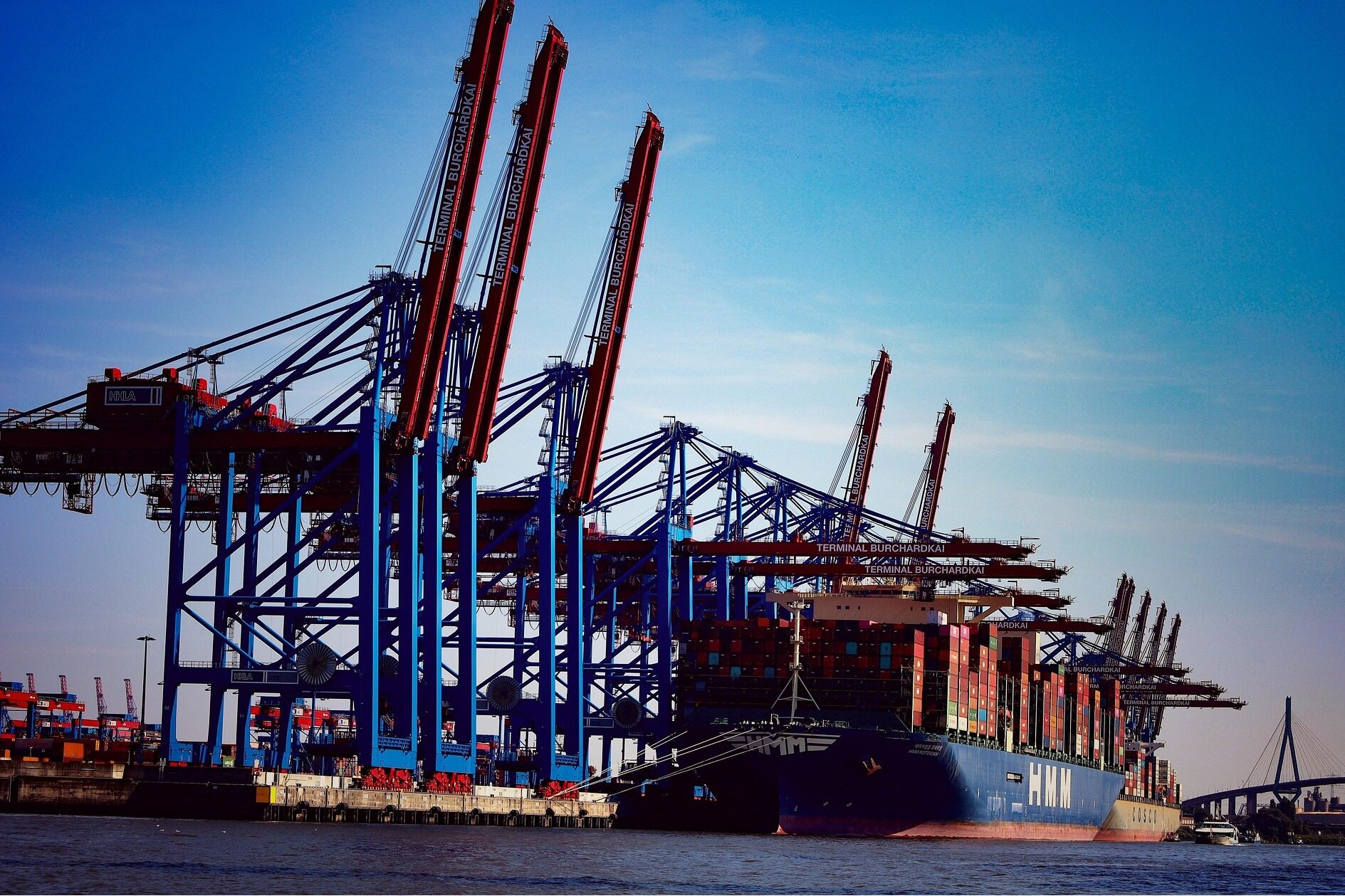
On June 29, 2026, Hanseatic Global Terminals, a terminal subsidiary of Hapag Lloyd, the world's fifth largest shipping company, announced the signing of a term sheet to acquire a 20% stake in Eurogate Hamburg Container Terminal. The final agreement signing and regulatory approval are still required after the transaction, and it is expected to be officially implemented in the third quarter of 2026.
This terminal is the second largest container terminal in Hamburg Port, with a current annual throughput capacity of 2.5 million TEUs, accounting for one-fifth of Hamburg Port's total throughput. The port and Eurogate plan to jointly invest 2.7 billion US dollars to complete the expansion, increasing the annual processing capacity of the terminal from 4 million TEUs to 6 million TEUs.
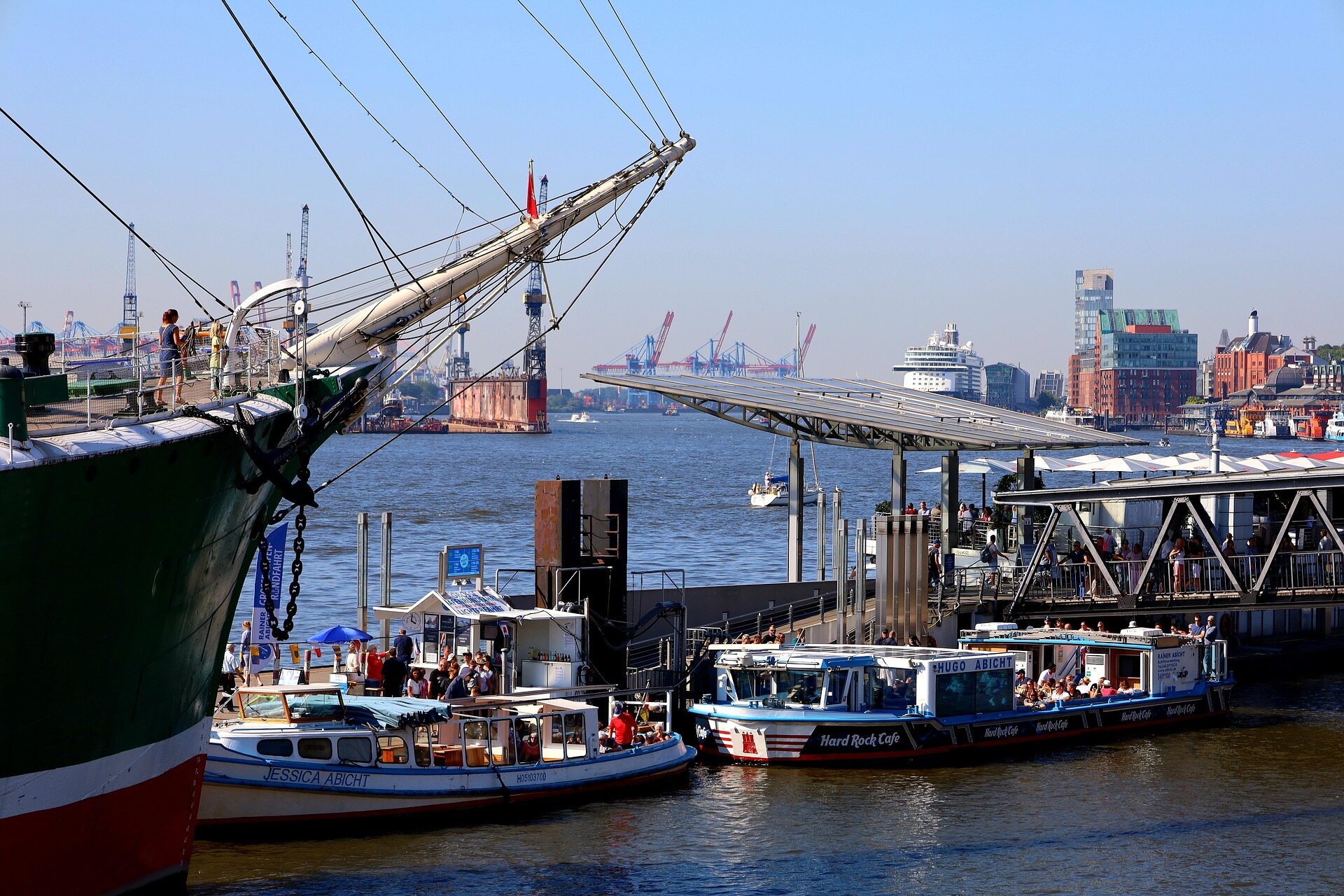
Fleet and dock dual wheel drive transformation and acceleration
HGT2023, an independent terminal entity under Hapag Lloyd, was officially established in 2023. Currently, it holds equity in 26 terminals in 13 countries and has implemented related logistics service systems. The internal plan is to expand the global terminal portfolio to about 30 by 2030.
Prior to the acquisition of CTH Terminal, Hapag Lloyd already held a stake in Altenwerder Terminal at Hamburg Port, which will further strengthen its terminal control in the home port after landing. At the same time, HGT is also advancing its equity increase plan for the TC3 terminal at Tangier Port in Morocco, preparing to double its shareholding ratio from 10% to 20%, and continuously increasing the layout density of core hubs in Europe and North Africa.
Leading shipping companies set off a wave of terminal acquisitions
The Hapag Lloyd deal is not an isolated event, but the latest move in the global trend of vertical integration in the shipping industry. Leading shipping companies are competing to acquire the terminal assets of core ports, locking in berth priority through their own terminals, compressing operating costs, improving route accuracy, and obtaining stable terminal operating income to hedge against fluctuations in shipping cycles.
In November 2025, Dafei Shipping has signed a term sheet and plans to acquire a 20% stake in the same Eurogate Hamburg terminal. After both transactions are completed, the two leading shipping companies will each hold a 20% stake and jointly own the core hub terminal in Europe. The previous attempt by MSC and BlackRock to acquire 43 global terminal assets of Hutchison Ports directly reflects the strong demand of leading shipping companies for terminal resources.
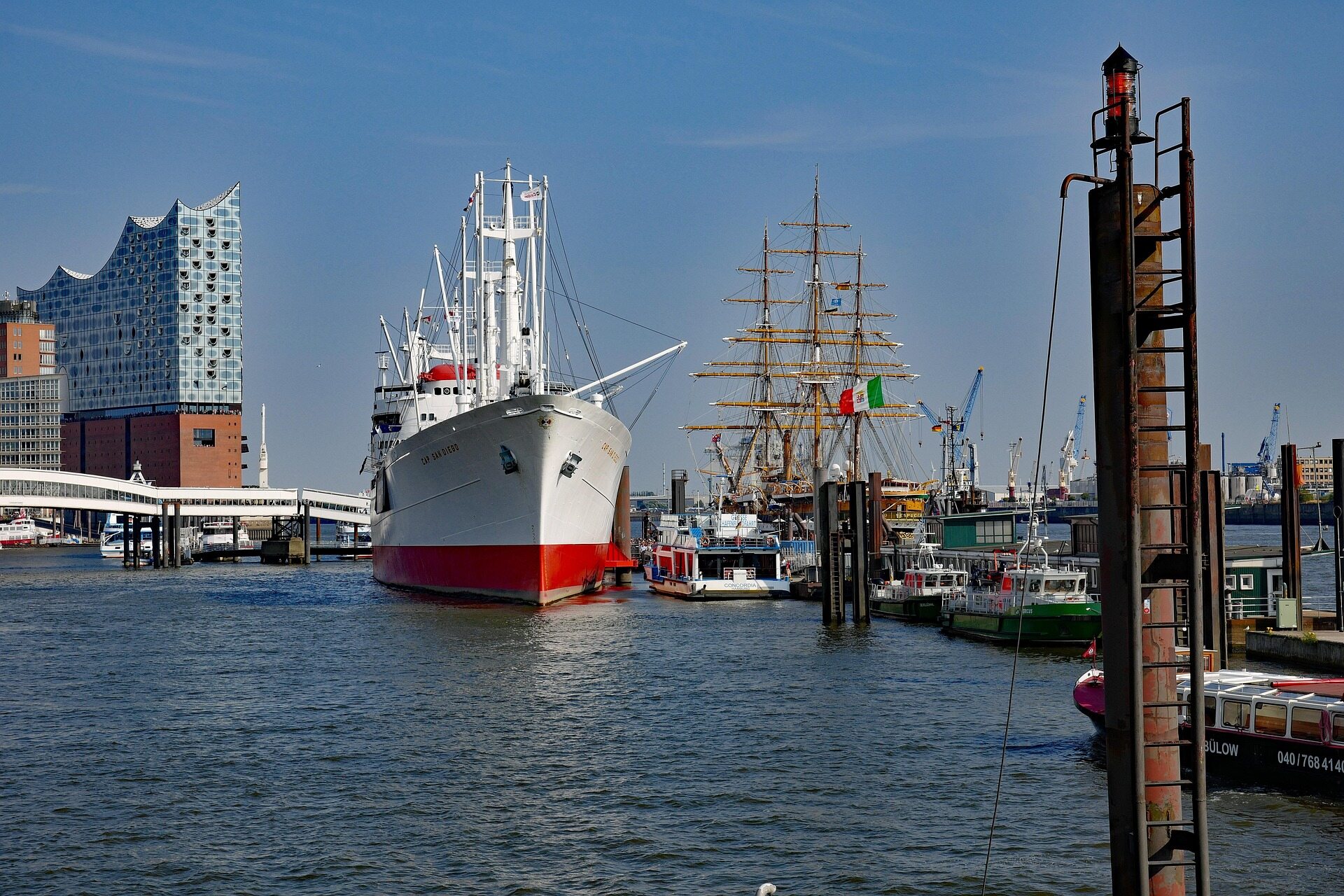
The freight forwarding industry will face the chain impact in the future
After the two major shipping companies become shareholders of the terminal, the $2.7 billion expansion and automation upgrade funds will be more secure, and the overall loading and unloading efficiency of Hamburg Port will gradually improve. In the future, the probability of delays in cargo transit through this port will significantly decrease. But the cost structure of shipping companies will also change accordingly. Terminal profits can offset the pressure of low season freight rates, and freight forwarders will face stronger opponents with stronger risk resistance when negotiating in the future. Keywords: Hamburg Port, Logistics
In the long run, the priority treatment of berths by shipping companies in core ports will become increasingly apparent, and the selection of shipping companies and terminals will gradually become the same thing. The survival space of independent terminals will continue to be compressed, and small and medium-sized freight forwarders need to prepare contingency plans in advance to cope with changes in berth acquisition and rate negotiations in core ports.Editor/Cheng Liting
Comment



 Praise
 Collect
 Comment

 Share
Share


Write something~