 Search


- China's infrastructure has shifted from engineering contracting to construction by investors
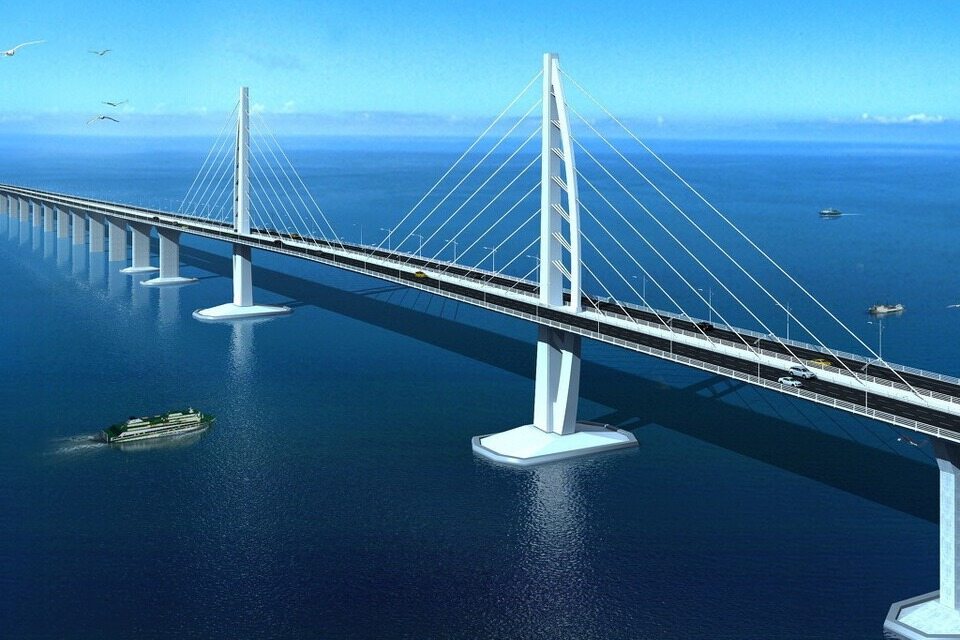
Recently, the roar of pile driving boats on the azure waters of Bahia state disrupted the tranquility of the coastal waters of El Salvador. The joint construction team of China Communications Construction and China Railway Construction is laying the first pile foundation for a steel rainbow spanning the bay. This 46.8-kilometer-long cable-stayed bridge will not only break the length record in Latin American infrastructure history, but also indicate the restructuring of China's infrastructure power in the South American continent.
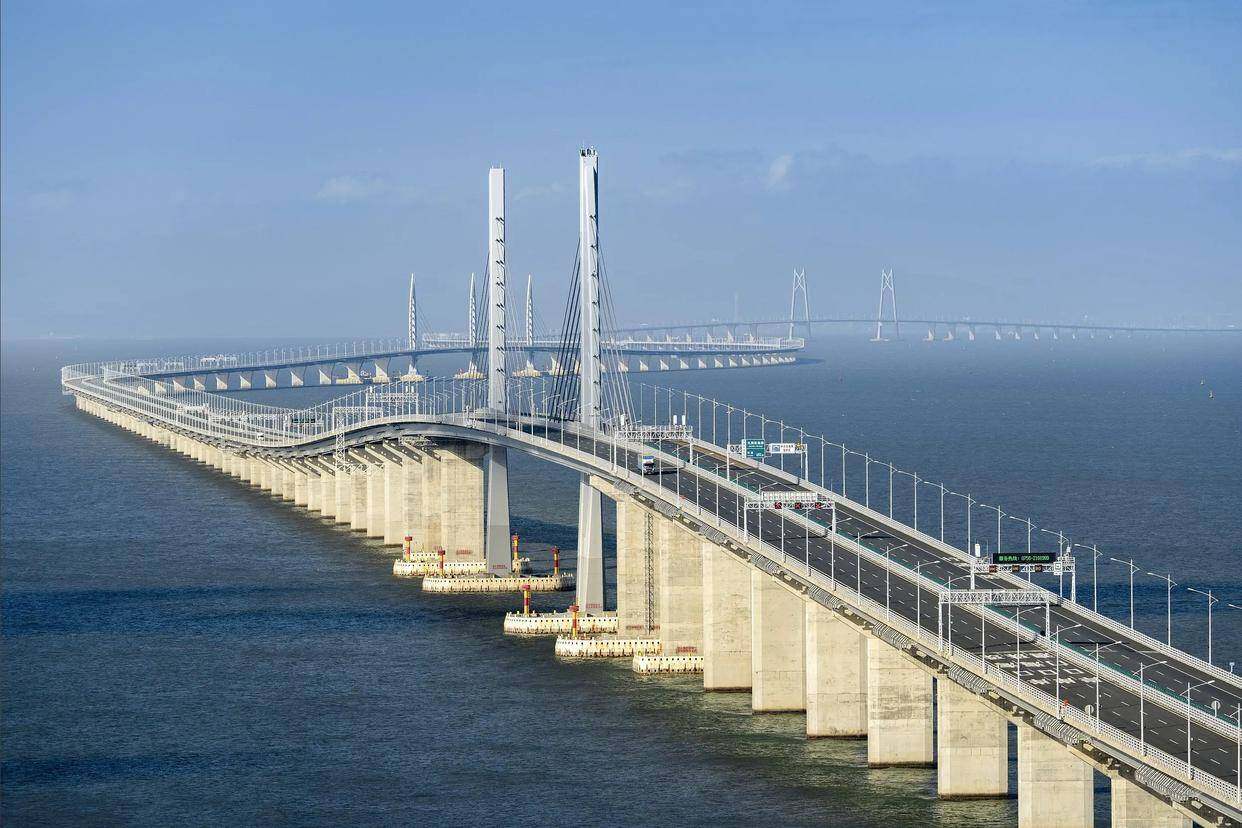
Fundamental transformation of investment model
The most significant change in the construction of the El Salvador Cross Sea Bridge this time is the subversion of the logic of cooperation. Unlike the previous model of simply undertaking construction tasks, China Communications Construction and China Railway Construction directly hold a 40% stake and deeply participate in the operation dividends of the project for the next 30 years. This attempt to integrate investment, construction, and operation has transformed Chinese enterprises from being the second party receiving project payments to becoming partners sharing interests with the local government. Faced with the reality of narrowing profit margins in international engineering, this model of binding long-term benefits has forced engineering standards to align with higher levels and set a financially sustainable model for subsequent projects.
Complete deep implantation of technical standards
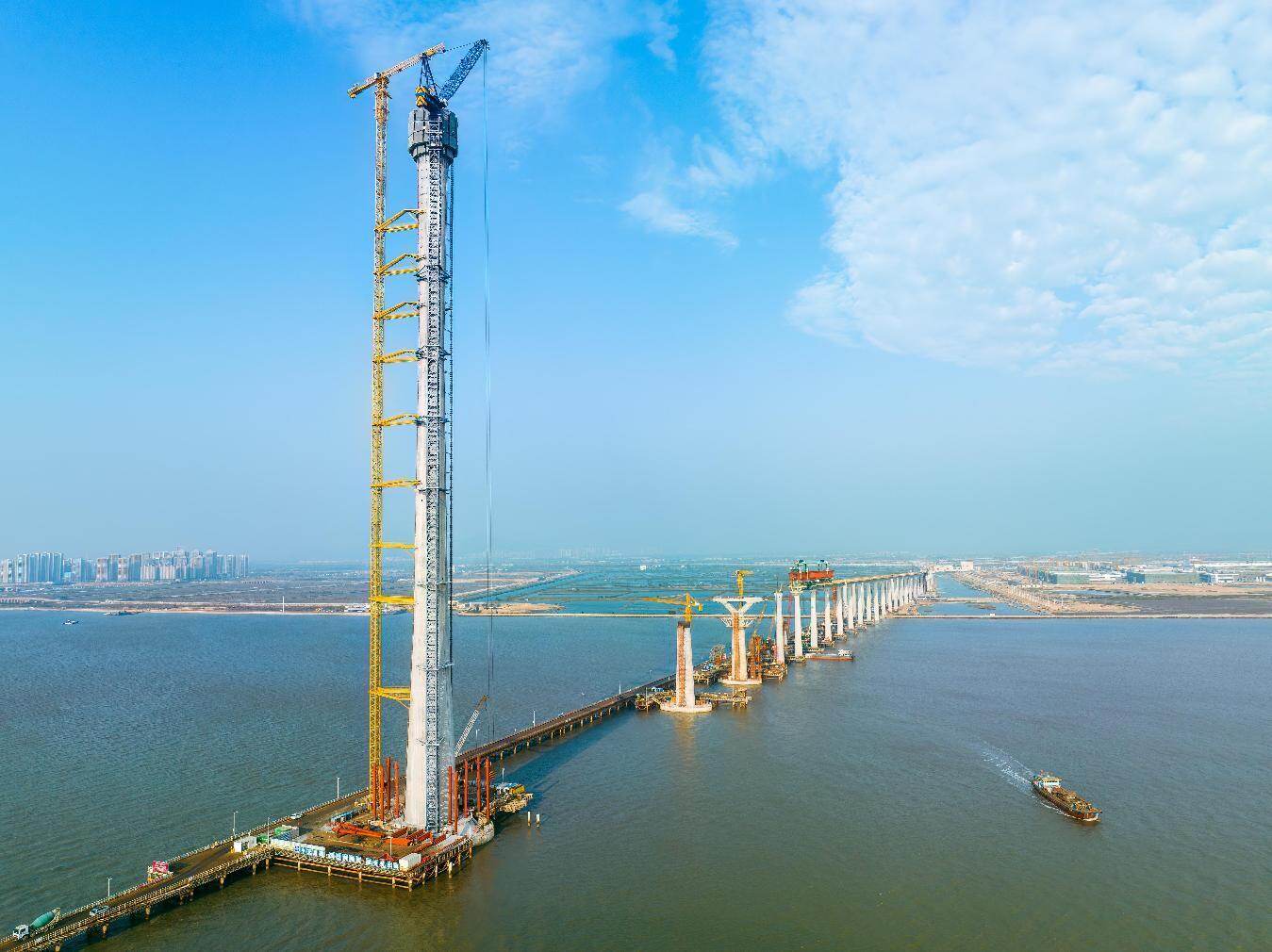
Faced with the complex hydrogeological conditions in northeastern Brazil, the Chinese team has shown their trump card in deep-sea construction. Constructing pile foundations at a depth of 60 meters underwater to withstand strong ocean currents with a main span of over 500 meters, these technical parameters have no precedent in the history of Latin American infrastructure. More importantly, the project construction process is synchronized into a technology transfer classroom. Hundreds of Brazilian local engineers will master the entire process of construction management in complex sea conditions under the guidance of Chinese standards. The output of this soft technology is like establishing an irreplaceable operating system in the digital world, forming a long-term stickiness that transcends physical engineering. Keywords: Engineering Construction、Engineering Information
Regional layout opens up a whole new situation
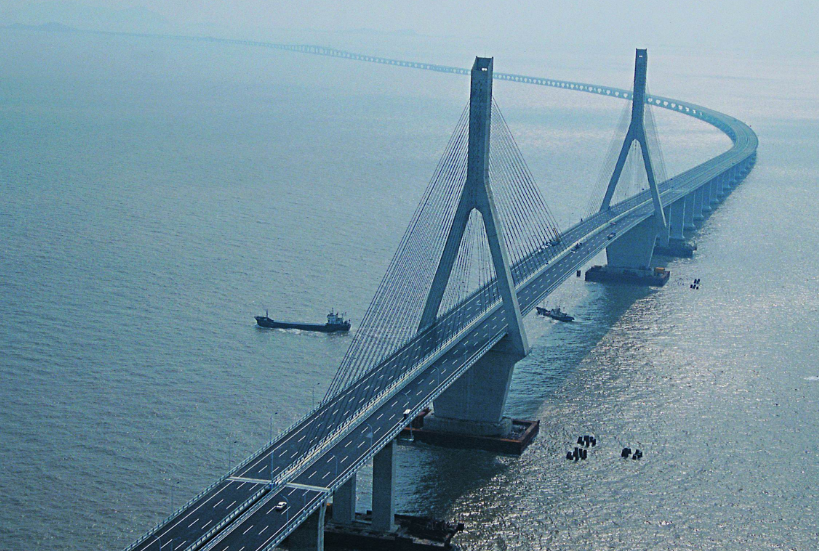
The groundbreaking of the Salvador Bridge is actually a stepping stone to open the door to South American infrastructure. The development blueprint released by Brazil for the northeast region shows that eight highways, three cross sea bridges, and two deep-water ports will be densely built in the area in the next five years. With its ultra-high efficiency demonstrated in projects such as highways in Chilean mountainous areas, China's infrastructure is gaining strategic trust from more and more South American countries. This bridge is like a stone thrown into the water, and the ripples it creates will radiate to countries such as Argentina, Chile, Peru, gradually weaving a network of transportation arteries covering the east coast of South America.Editor/Gao Xue
Comment



 Praise
 Collect
 Comment

 Share
Share


Write something~