 Search


- The opening of the Southern Xinjiang Expressway will improve the road network and promote regional coordinated development

The sandstorms and soft riverbeds cannot stop the construction progress. China Railway 21st Bureau undertook the construction of the third section of the Aksu Alar Expressway, facing multiple challenges such as deep water construction in the Tarim River and harsh desert environments. With the help of new technology and intelligent equipment, they overcame the key and difficult projects along the entire line, completed all construction tasks on schedule, and assisted in the smooth opening of this southern Xinjiang transportation artery.
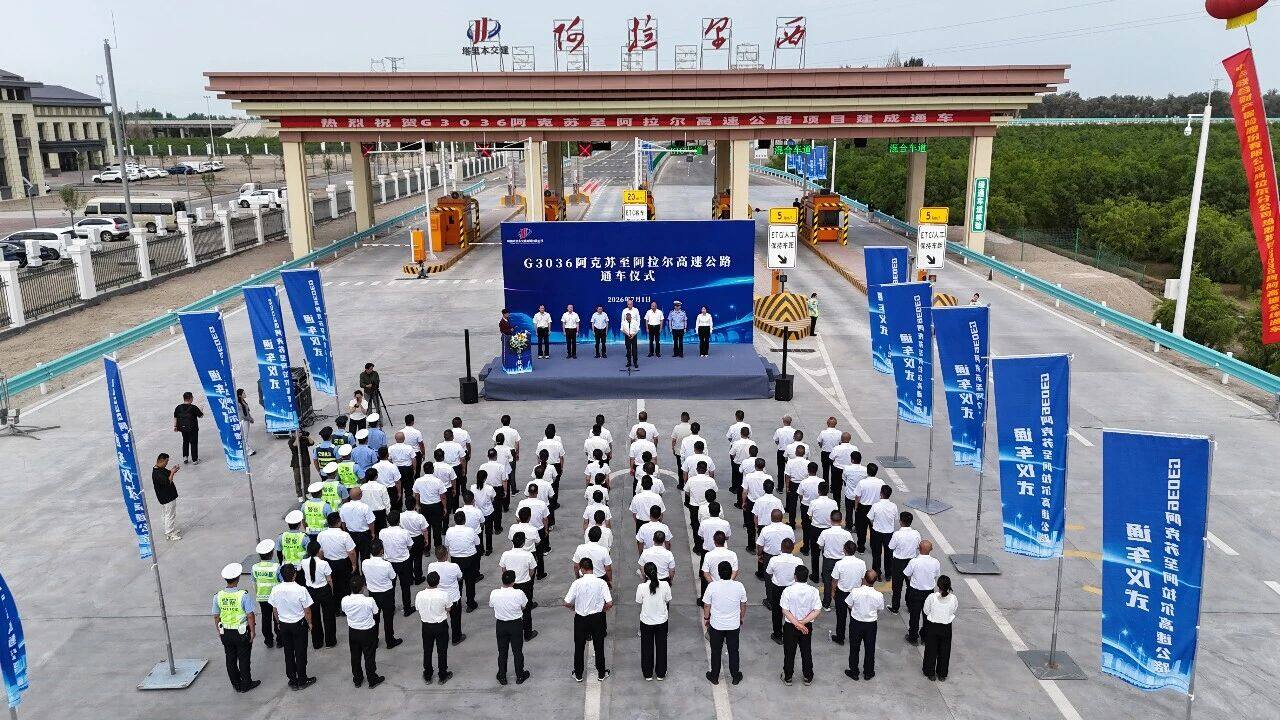
Overcoming the Difficulties of Bridges
The total length of the section is 20.488 kilometers, including 16 bridges and 153 culverts. The 1687 meter Tarim River Grand Bridge is the core checkpoint of the entire line. The silt layer in the riverbed is prone to collapse holes, and the fluctuation of water level during the flood season increases the risk of pile foundation construction. The construction team erected a steel wharf to build a cofferdam and innovatively completed 236 100% lily grid pile foundations using drilling technology. All 760 box girders weighing up to 110 tons along the entire line have been pre installed, forming a standardized construction plan for desert bridges.
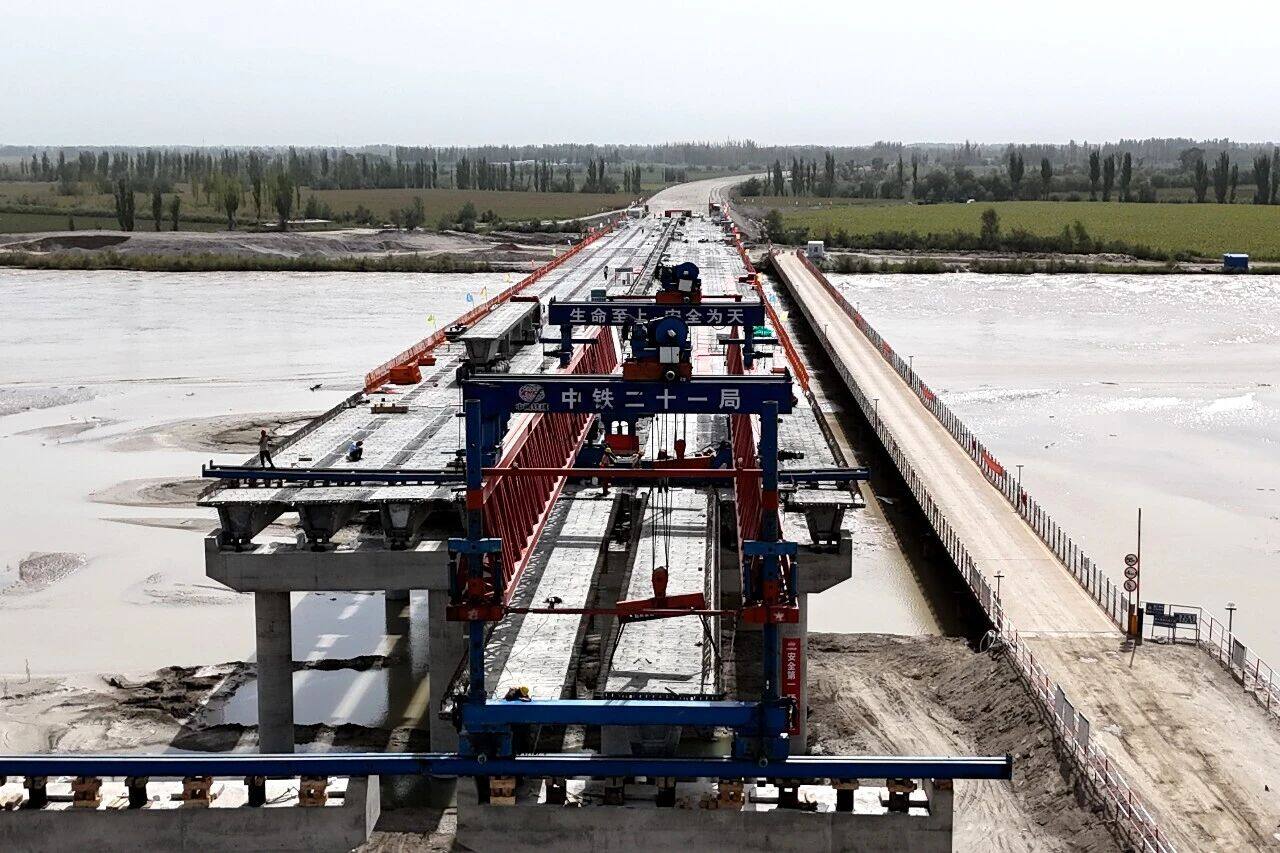
Intelligent quality improvement and acceleration
Two intelligent mixing stations will be built for the project, and the automation system will accurately control the mixing ratio of the mixture. The road surface adopts thick layer one-time paving combined with large tonnage rollers, which improves construction efficiency by 40%. A total of 12000 sets of construction data have been collected, and the progress of multiple key nodes is leading the entire line. The establishment and installation of buildings are being promoted simultaneously, with a one-time acceptance by the monitoring sub center. The precision of guardrail marking construction meets the standard, and supporting projects are being completed simultaneously. Keywords: high-speed opening, transportation construction in southern Xinjiang
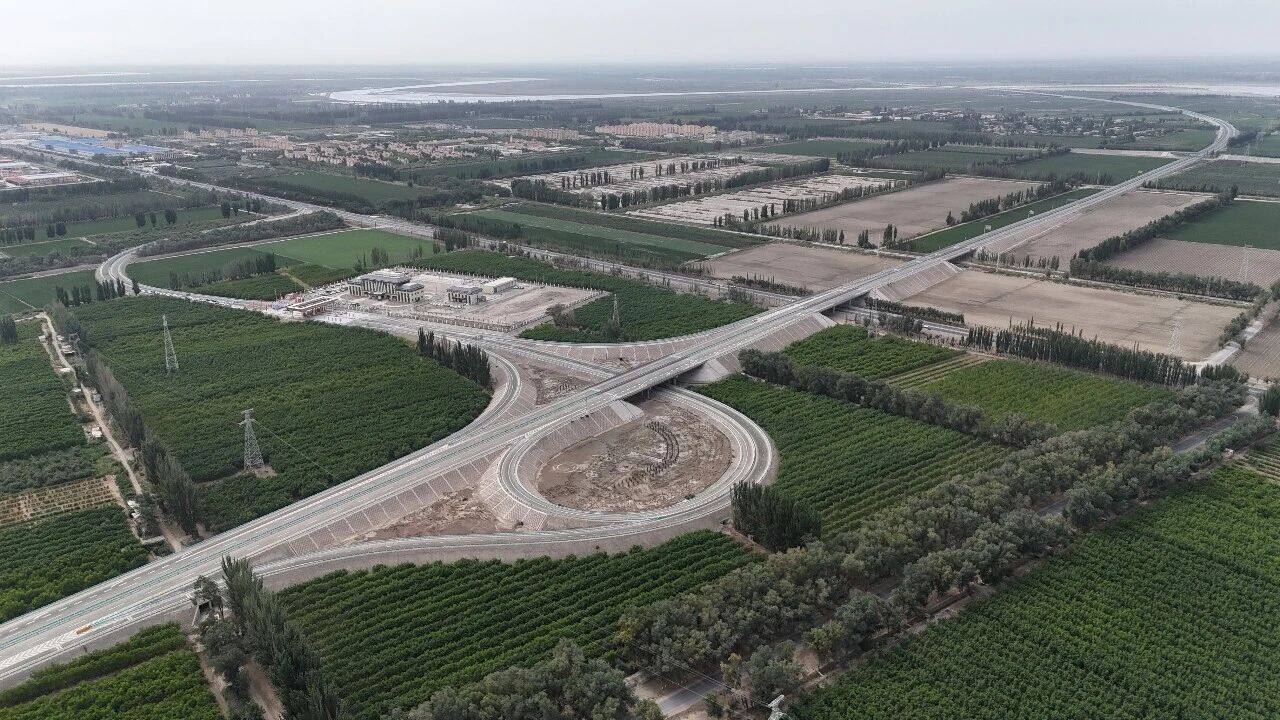
Strictly abide by green safety
The project implements grid based safety management, with no major safety accidents, quality rework, or environmental complaints throughout the process. The construction route should avoid coastal wetlands, recycle and reuse sewage, improve weak roadbeds to reduce landform damage, and create a model of green highways in the Gobi Desert. The opening of highways shortens the travel time between the two places, unleashes the vitality of the logistics industry along the route, and deepens the integration of military and civilian areas.Editor/Min Jing
Comment






 Praise
 Collect
 Comment

 Share
Share


Write something~