 Search


- Cross border gauge high-speed rail completes technological upgrade, effectively expanding Spain's railway network
- Flexible adjustment of payment and maintenance terms to alleviate the financial pressure on manufacturing enterprises' operations
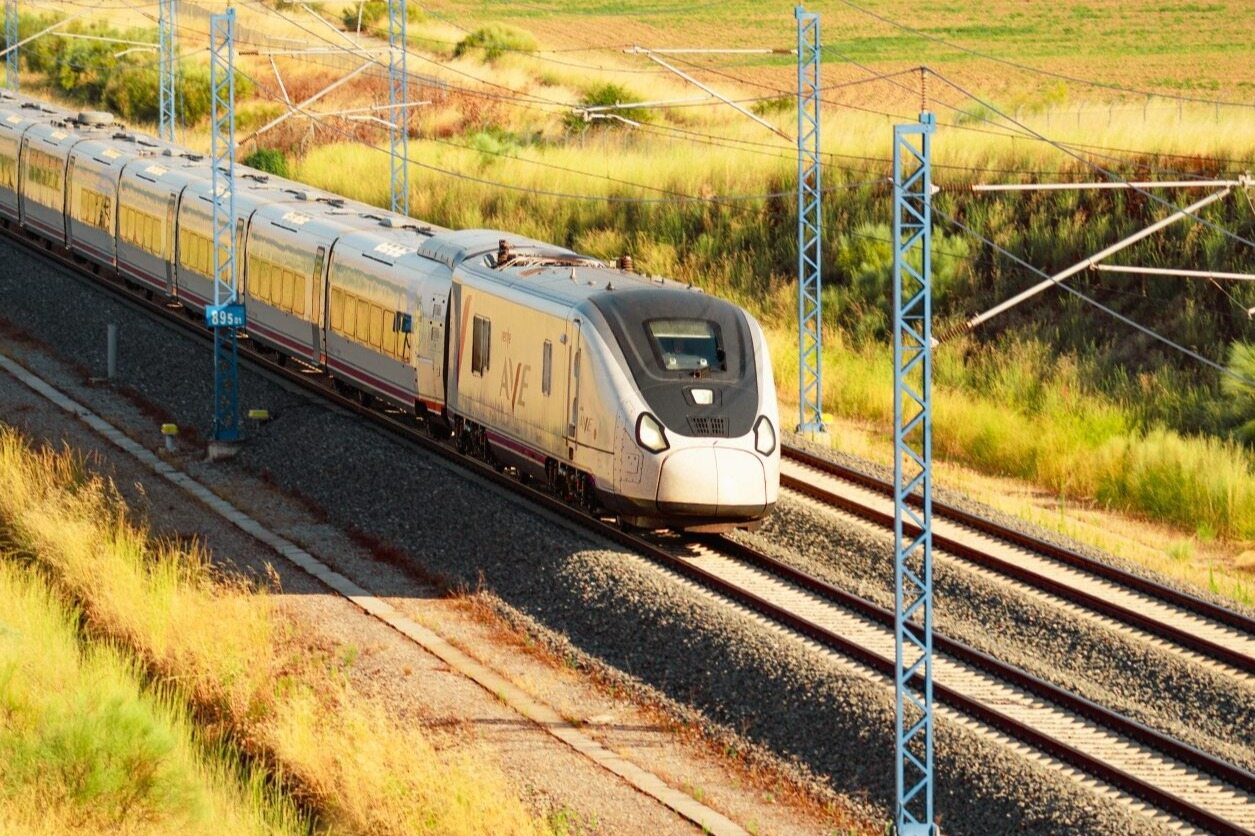
The pen tip fell, and the high-speed rail dispute that had been entangled for years finally came to an end. Thirty silver grey Avril trains are about to remove their gauge shackles and switch freely on Iberian's double tracks. This delayed settlement not only revitalized assets worth 1.3 billion euros, but also truly connected the high-speed rail network in Spain.
Both parties reached a settlement
Recently, Spanish high-speed rail manufacturer Talgo and national rail operator Renfe signed a settlement agreement for the Avril 106 high-speed rail project. This order is the largest high-speed rail procurement project in Spain in recent years, and there have been disagreements between the two parties over delivery delays, breach penalties, acceptance standards, and other issues over the years.
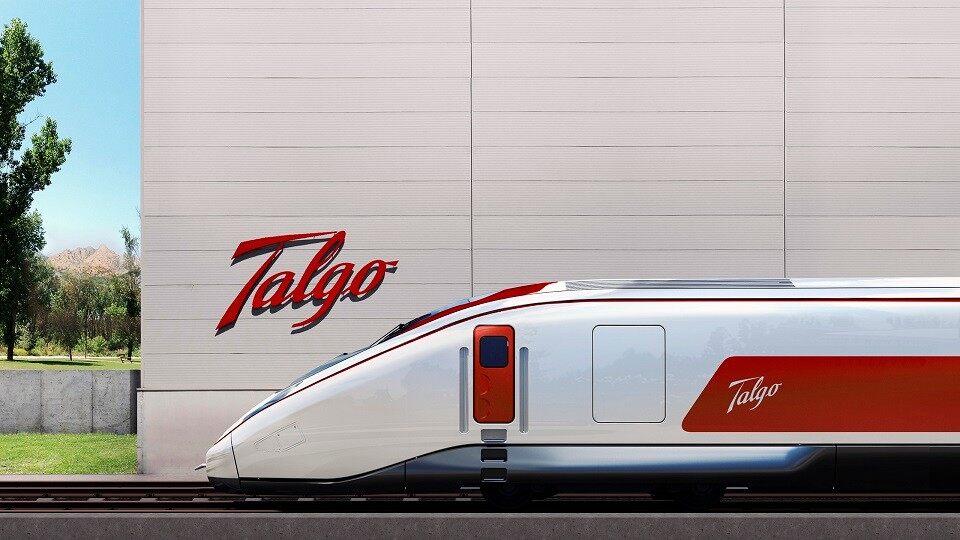
According to this agreement, the remaining 15 fixed gauge trains in the fleet will be transformed into variable gauge models, and all 30 trains will have the ability to cross tracks; Both parties shall simultaneously finalize all disputed matters such as the penalty payment plan, final payment for acceptance, and adjustment of maintenance fees. This settlement is also an important cooperation achievement of Talgo after completing the equity change last year, clearing obstacles for the company's subsequent train delivery and business operations.
Project Overview
The Avril train platform was developed by Talgo around 2010, and the prototype was certified in 2016, with a maximum speed of 363 kilometers per hour. In November 2016, Renfe was the first to purchase 15 fixed gauge trains with a contract amount of 786.5 million euros; In May 2017, 15 variable gauge trains were added, with a total amount of 495 million euros, for a total of 30 106 trains, with a total contract value of approximately 1.3 billion euros.
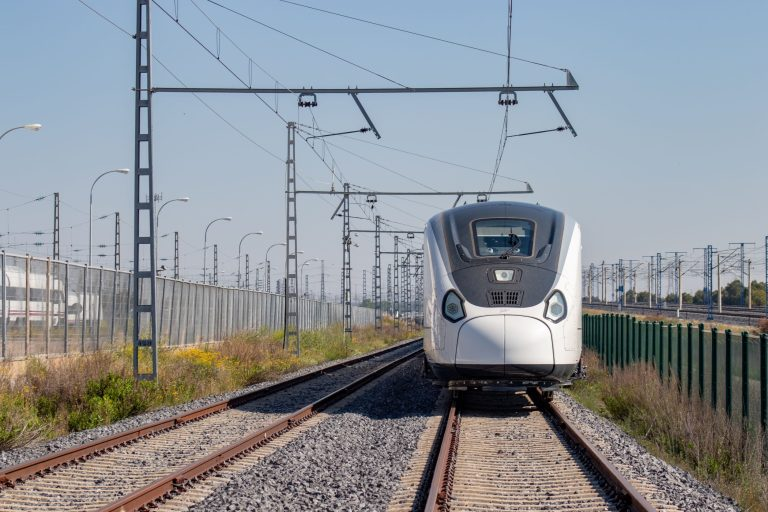
These trains were originally scheduled to be put into operation in 2021, and the first train will not be officially launched commercially until May 2024. During the delivery delay, Renfe repeatedly demanded liquidated damages from Talgo. After the vehicles were put into operation, there were frequent issues such as power and software failures, as well as cracks in the steering system. Some vehicles were forced to be shut down for maintenance.
Confirm the renovation and funding
Change the entire vehicle to a variable track gauge and expand the operating routes. The core adjustment of this agreement is the upgrading of vehicle technology. After the transformation of 15 fixed gauge trains, all 30 Zhuzhou trains can be adapted to two different gauge tracks in the Iberian Peninsula. The renovation work includes the modification of the bogie and Talgo's self-developed independent wheel system, for which Renfe will pay 132 million euros. Variable gauge trains can switch between European standard gauge and Spanish traditional Iberian gauge, greatly improving the flexibility of deployment; Spain has long had dual track railways, and this renovation will enable high-speed rail services to cover more non high-speed lines. Keywords:Engineering Construction,Construction News,Engineering Information
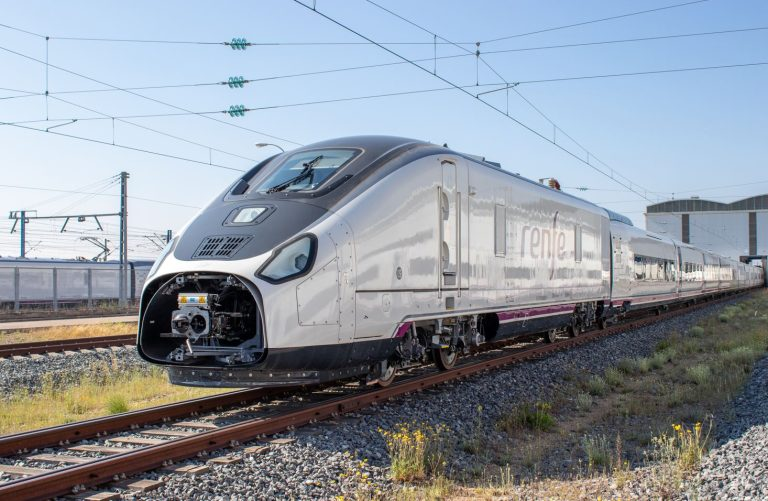
Adjust the penalty maintenance to alleviate the financial pressure on the enterprise. The agreement renegotiates the payment schedule for breach penalties, with the earliest payment starting in 2032 and being settled over six years, corresponding to the maturity date of Talgo's restructured bank debt.
Renfe will settle all outstanding payments from Avril's fleet within three months, release approximately 200 million euros of performance guarantees, and effectively improve Talgo's financial situation. At the same time, both parties have revised the cooperation terms of the joint venture maintenance company Tarvia. Regarding the replacement of bogies and moving parts, Renfe has raised the maintenance unit price by nearly 29% and unified the procurement of spare parts to supply maintenance enterprises.Editor/Gong Ziwei
Comment


 Praise
 Collect
 Comment

 Share
Share


Write something~