 Search


- POWERCHINA deeply cultivates the Vietnamese rail transit market
Local media in Vietnam have revealed that China and Vietnam have formed a consortium to submit a project participation application, targeting the EPC general contracting business of Ho Chi Minh City Metro Line 6. Chinese enterprises are balancing engineering construction and technology output, continuously laying out the entire chain from design to construction in the local rail transit field, and helping to improve the comprehensive urban transportation system.
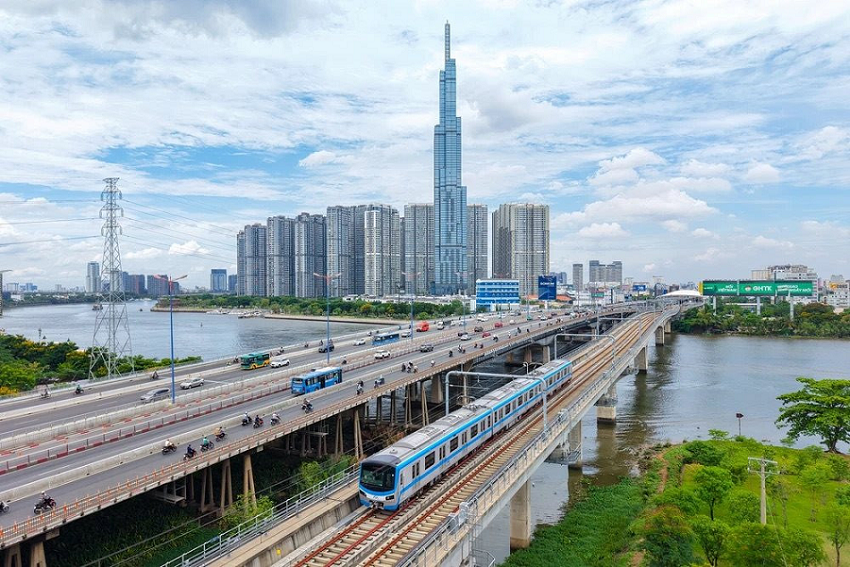
Several local Vietnamese companies have formed a cooperative consortium with China Electric Power Construction Corporation and officially submitted an application to the local authorities to participate in the construction of the first phase of Metro Line 6. The plan is to adopt the EPC general contracting mode to undertake the research, design, and construction tasks of the entire line. The consortium will integrate domestic and foreign resources for collaborative construction, and simultaneously impart TBM tunnel excavation technology to local technical personnel to improve the construction level of local rail transit in Vietnam.
Project Overview
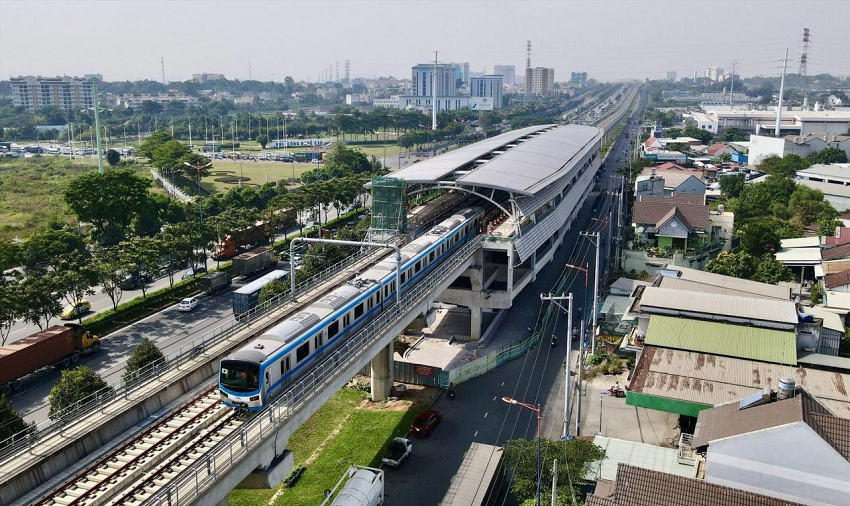
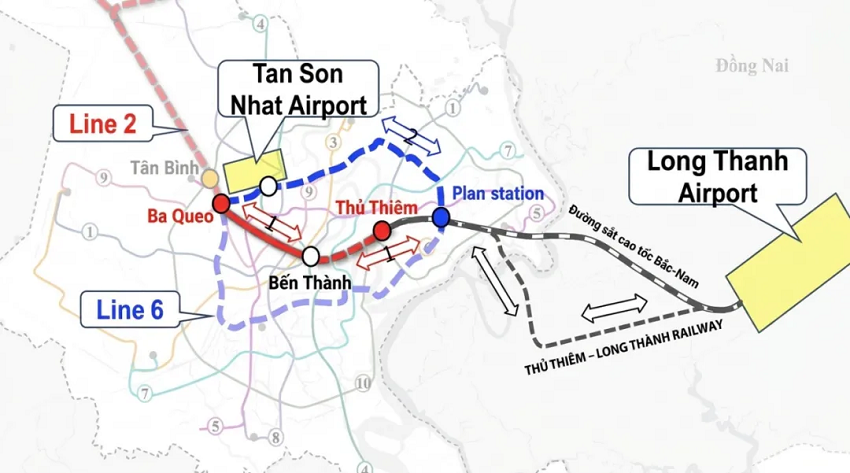
This route has a total investment of 3.3 billion US dollars and a total length of 23 kilometers, connecting the airport terminal with multiple rail transit lines. The plan is to start construction by the end of 2026 and open to traffic by the end of 2030. Currently, it is still in the stage of feasibility study preparation, and the formal bidding process will be initiated in the future. Previously, the Guangzhou Metro Design Institute consortium had secured the feasibility study and preliminary design consulting services for the line. Keywords: Vietnam Metro, Overseas Rail Transit Construction by Chinese Enterprises
Speed up the overseas layout
With the acceleration of Ho Chi Minh City's rail transit construction, domestic rail transit related enterprises have entered the Vietnamese market from multiple points, covering the entire process of preliminary design, engineering general contracting, and technical services. They continue to output mature rail transit construction plans, help improve the local airport linkage road network, and promote the upgrading of infrastructure in Southeast Asian cities.Editor/Min Jing
Comment


 Praise
 Collect
 Comment

 Share
Share


Write something~