 Search


- Large scale hydropower projects help accelerate ASEAN's transition to renewable energy
- Cross border hydropower cooperation complements supply and demand, opens up regional power interconnection channels
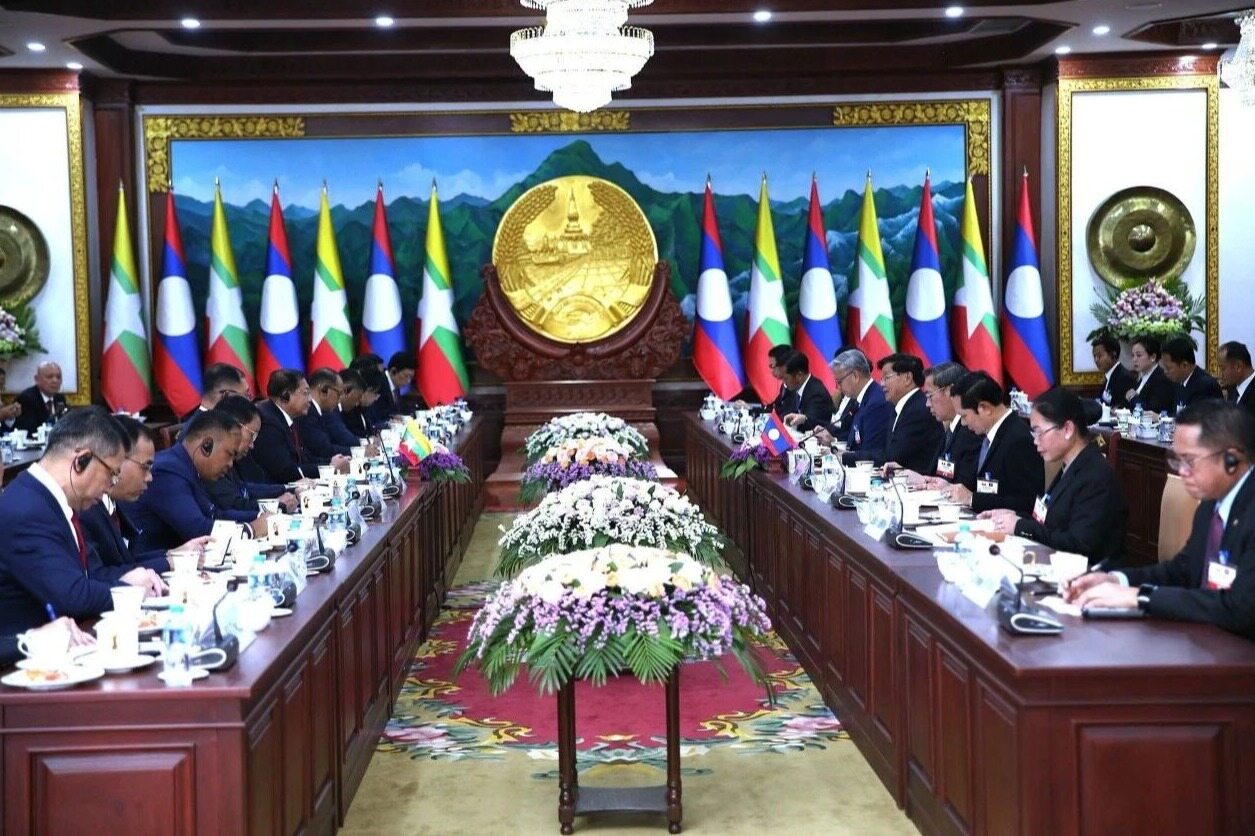
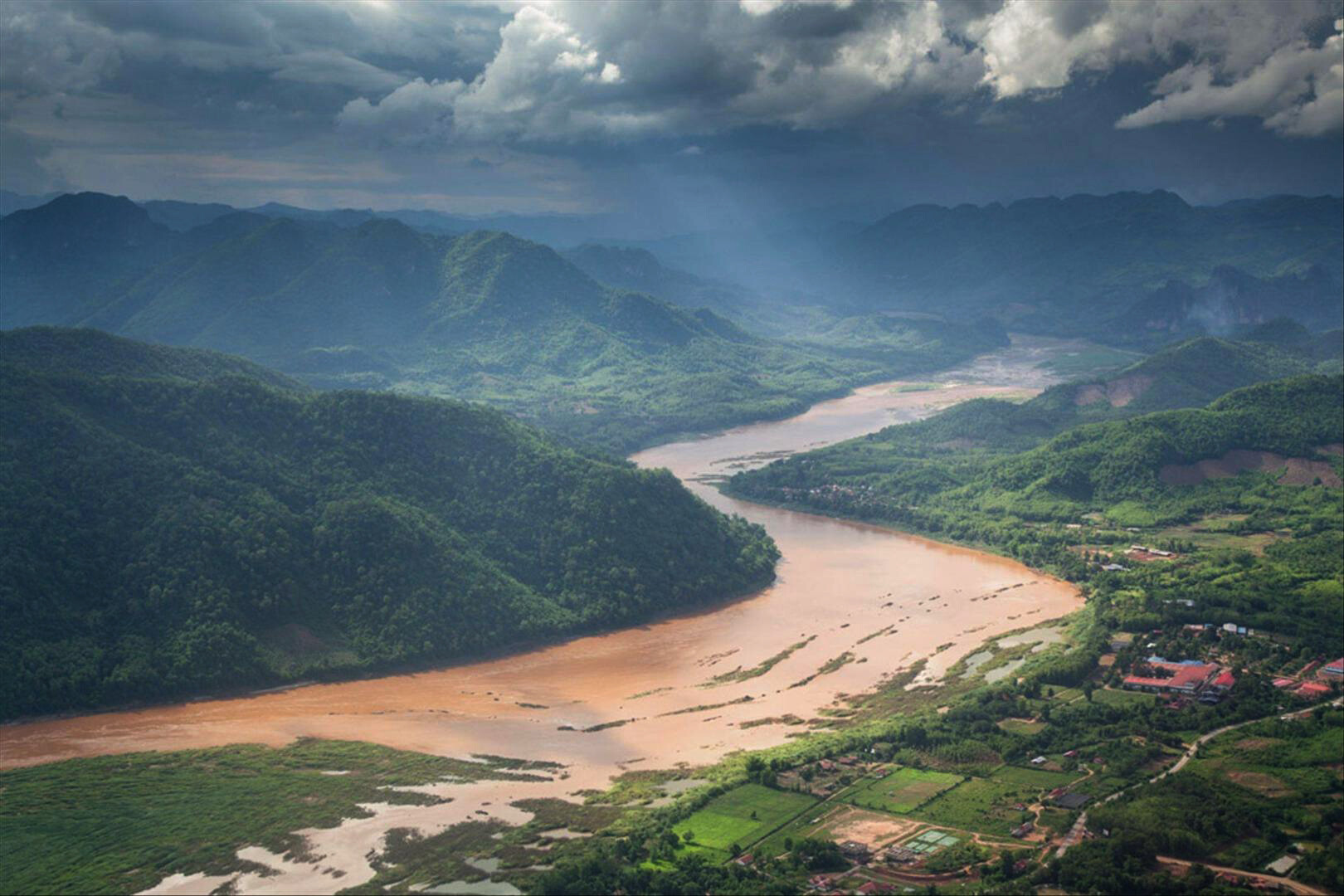
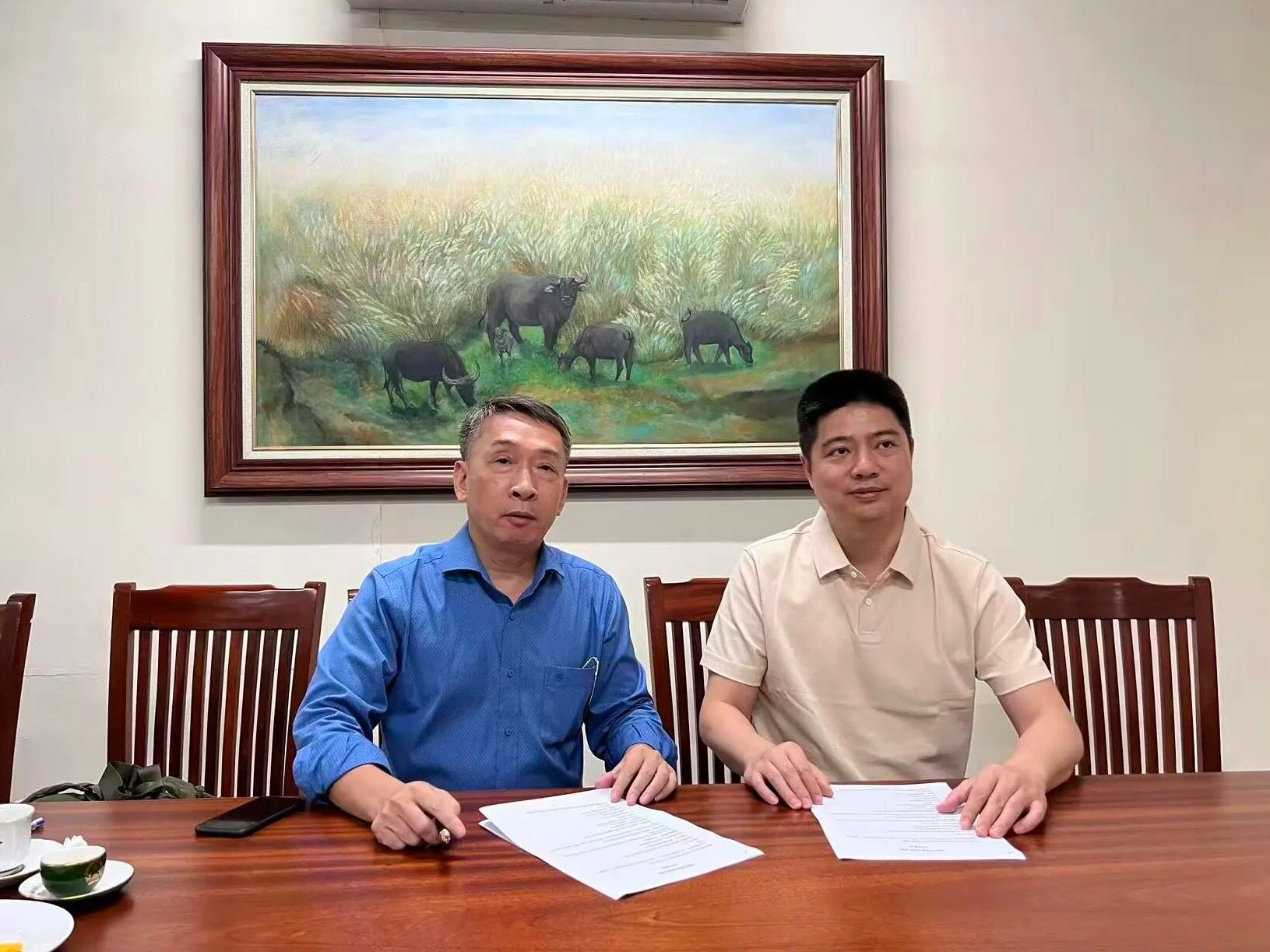
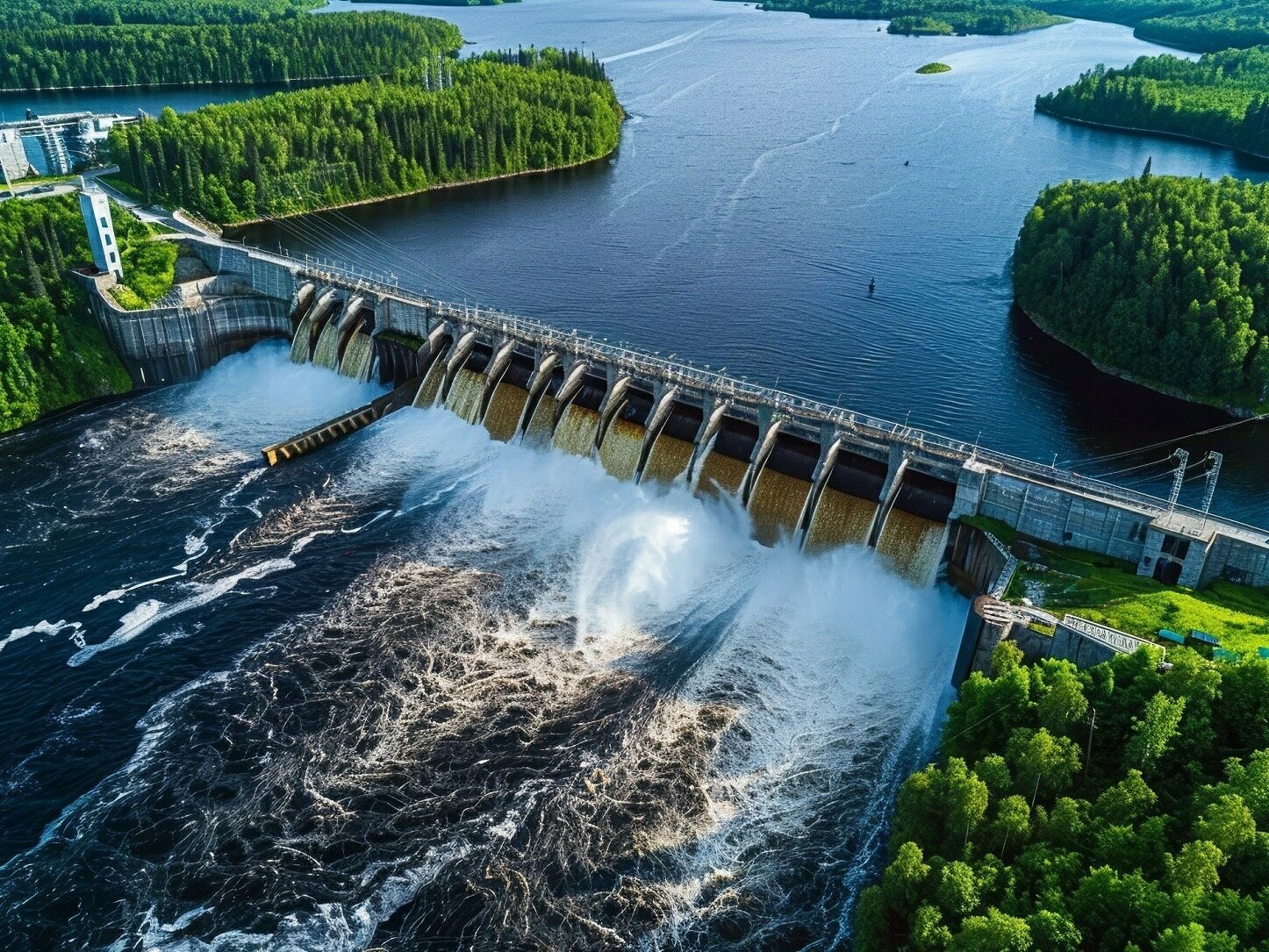
The muddy waves of the Mekong River hit the shore, and the faint sound of the pen's tip settling in the signing hall of Vientiane drowned out the sound of water. Deputy officials from Laos and Myanmar stood shoulder to shoulder, pressing the restart button for this 2790 megawatt cross-border hydroelectric behemoth. The steel torrent that has been dormant for many years will eventually carve out a new energy pulse on the map of the Indochina Peninsula.
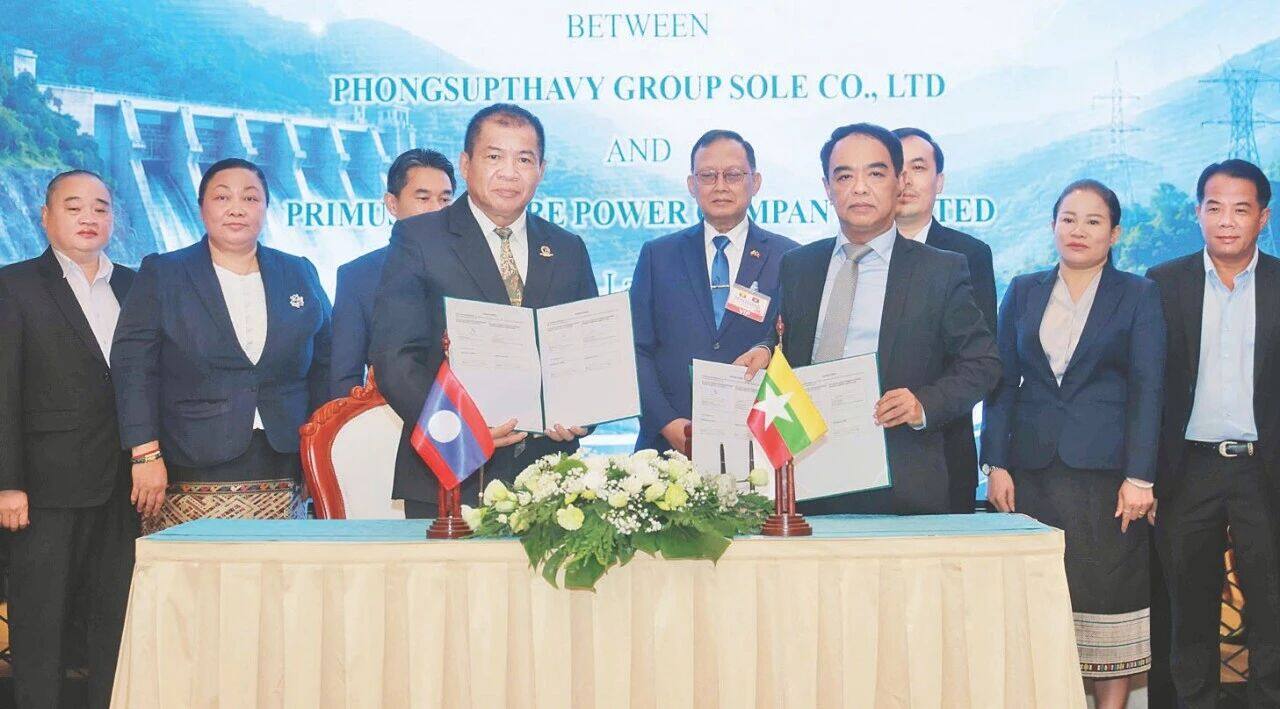
On July 4, 2026, Laos and Myanmar signed a feasibility study and joint development agreement for a Mekong River border hydropower station in the capital city of Vientiane. The project is a heavyweight energy cooperation project between the two countries in recent years, jointly led by Laos' Phongsaway Sole Proprietorship Co., Ltd. and Myanmar's Primus Company. Deputy officials from both countries witnessed the signing, highlighting the strategic position of the project. Two core data, with a huge engineering scale. The Avril hydropower platform project was launched in 2010, and the prototype vehicle was certified in 2016. The planned installed capacity of the power station is 2790 megawatts, which belongs to the super large cross-border hydropower project in the Indochina Peninsula. Both parties agree to complete a comprehensive feasibility study within 34 months, covering multidimensional evaluations such as hydrology, geology, environmental protection, and investment returns. Keywords:Foreign construction news network,Southeast Asia engineering information network,Overseas engineering construction,Foreign engineering construction news
From 2016 to 2017, Myanmar purchased 30 sets of supporting equipment in two batches, with a total contract value of approximately 1.3 billion euros. The project was originally scheduled to be put into operation in 2021, but the first batch of commercial operation was not achieved until May 2024. During the operation period, multiple types of equipment failures occurred. The project accurately matches the development needs of both countries, and the power gap in Myanmar urgently needs to be filled. Laos relies on water resources for export to generate revenue; At the same time, we will assist ASEAN in the transformation of renewable energy, strengthen Laos' positioning in Southeast Asia's battery industry, and attract green capital.Editor/Gong Ziwei
Comment

 Praise
 Collect
 Comment

 Share
Share


Write something~