 Search


- Digital infrastructure releases equipment demand and expands overseas markets for domestic communication enterprises
- Long term tax incentives reduce costs for science and technology innovation enterprises and promote overseas production capacity layout
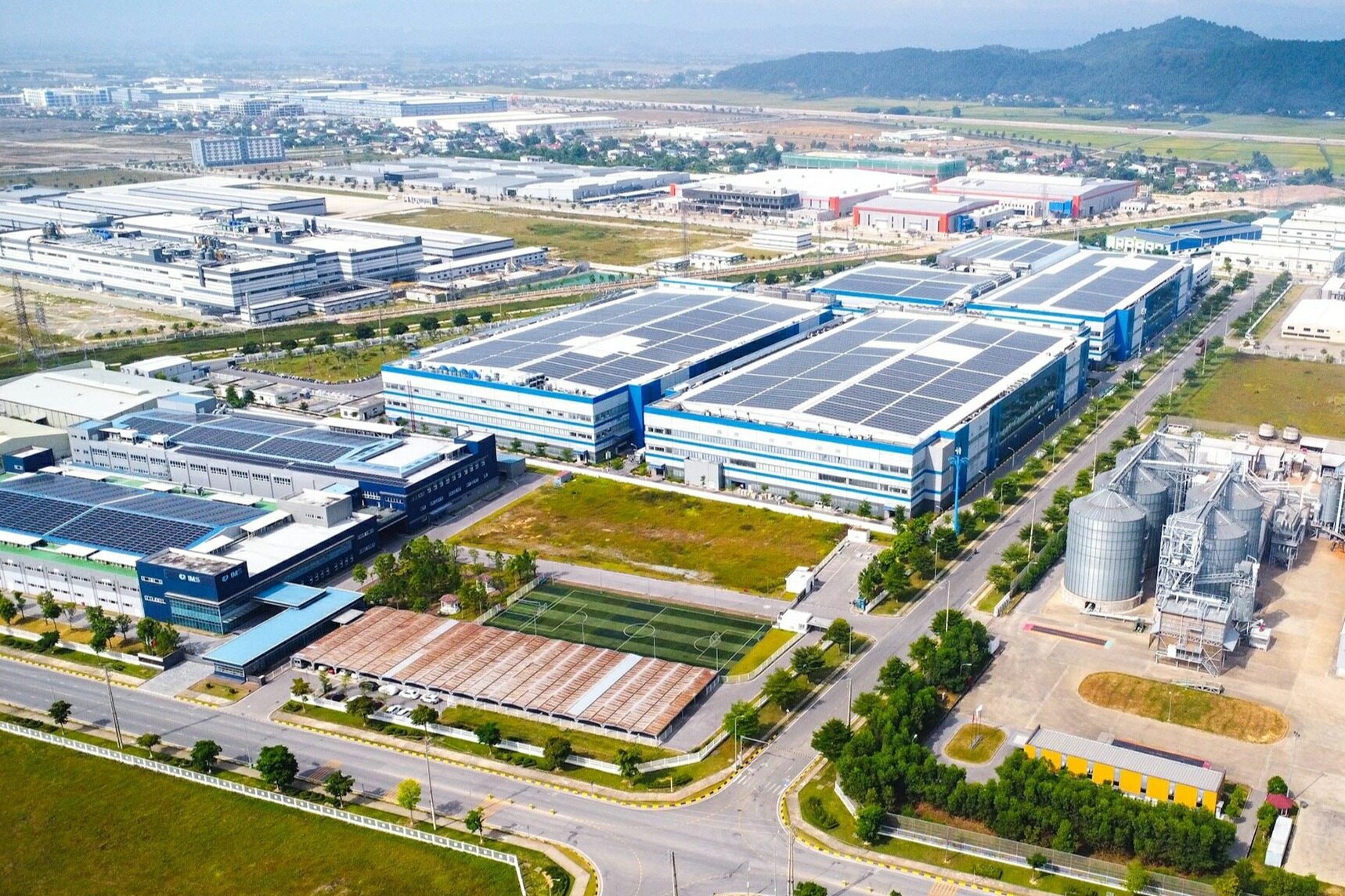
The sound of the Mekong River tide has not stopped, and a new round of industrial transformation has already sounded in the Red River Delta. In 2026, the new version of Vietnam's investment law will be implemented, leveraging the tax incentives of four exemptions and nine reductions to tap into foreign investment. In this battle targeting semiconductors and AI, Chinese enterprises are taking advantage of policy incentives to embed the industrial puzzle of Southeast Asia into their own global map.
New policies break the ice and loosen restrictions on foreign investment
In 2026, the new version of Vietnam's investment law will be officially implemented, accompanied by new policies to support the digital industry, relaxing foreign investment access standards, simplifying approval processes, and increasing tax reductions and exemptions. The policy focus is favorable for domestic high-tech manufacturing, cross-border e-commerce, communication, and new energy enterprises, which is the best opportunity for Chinese enterprises to expand their presence in Vietnam this year.
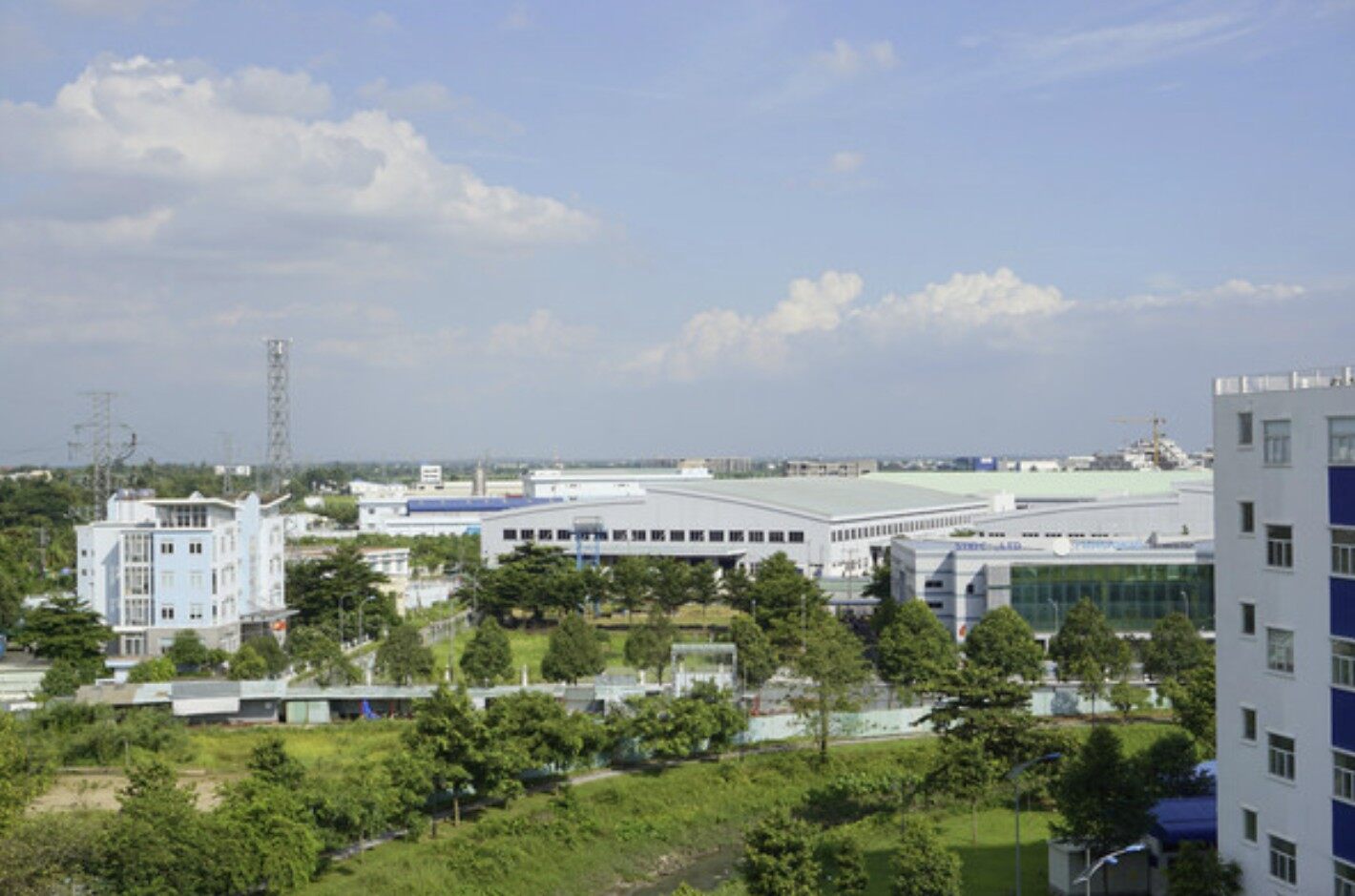
The new law significantly optimizes the efficiency of foreign investment affairs, solves the pain points of cumbersome and lengthy approval processes in the past, improves the speed of the entire process of foreign investment registration, investment permit, and qualification review by 50%, shortens the construction and production cycle, reduces enterprise time and communication costs, and helps Chinese enterprises quickly land and seize the Southeast Asian market.
Empowering high-tech track policies
Vietnam is inclined towards high-end technology industries and has introduced long-term tax support policies. High tech projects such as semiconductors, artificial intelligence, energy storage, and electronic manufacturing can enjoy multiple benefits. The four exemptions and nine reductions policy is implemented, and enterprises are fully exempt from income tax for the first four years of profitability, and the tax for the following nine years is reduced by half. The long-term preferential tax rate is as low as 10%, far lower than the conventional tax rate of 20%; The import of high-tech project production equipment and core components is exempt from tariffs, reducing the cost of factory construction and equipment iteration. Combined with supporting policies such as land rent reduction and pre tax deduction of research and development expenses, the profit margin of enterprises has significantly expanded.
The digital wave takes the lead in infrastructure construction
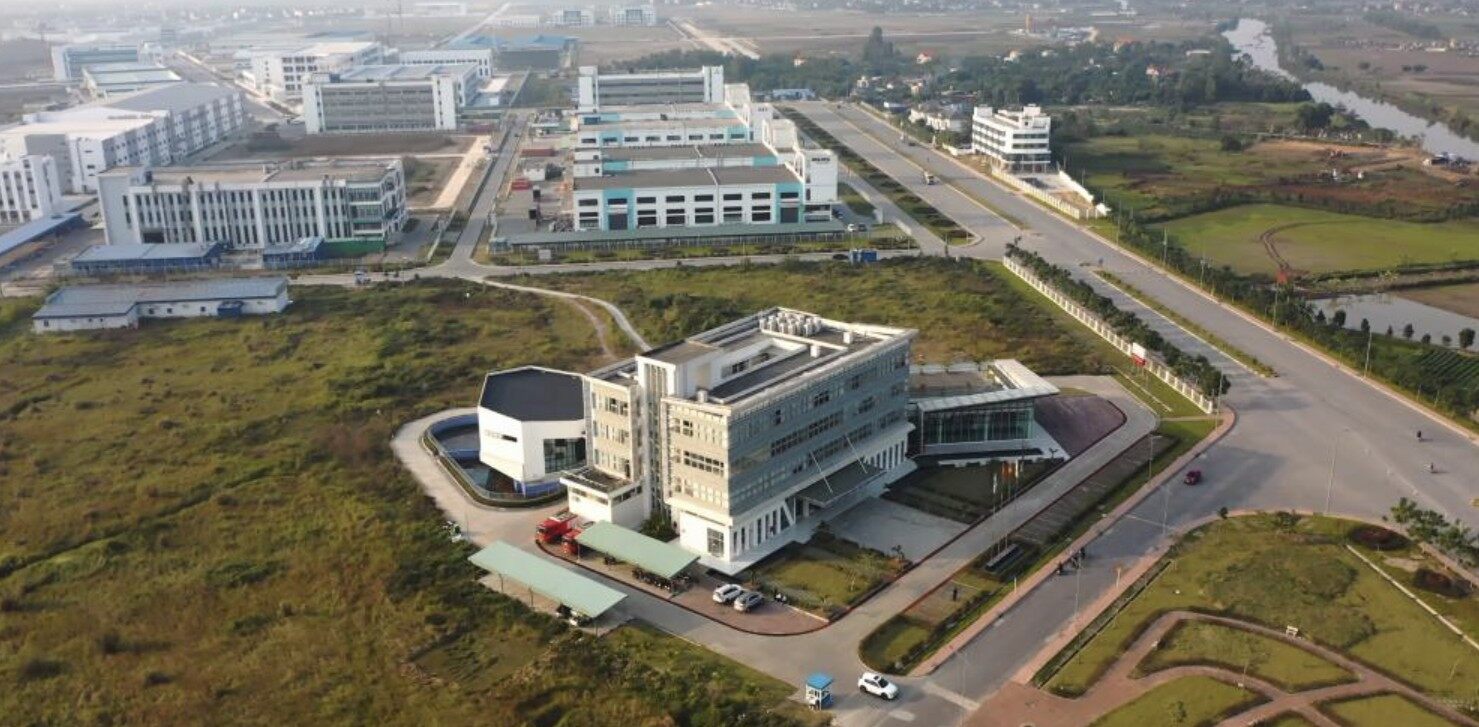
Vietnam is currently making every effort to expand its national 5G network and upgrade its digital infrastructure. There is a prominent gap in local technology and equipment production capacity, and it highly relies on China's mature equipment and overall solutions. The continuous growth of orders from domestic communication equipment, IoT, and intelligent hardware manufacturers is a high-quality opportunity to explore the Vietnamese government and enterprise market. Keywords:Foreign construction news network,Southeast Asia engineering information network,Overseas engineering construction,Foreign engineering construction news
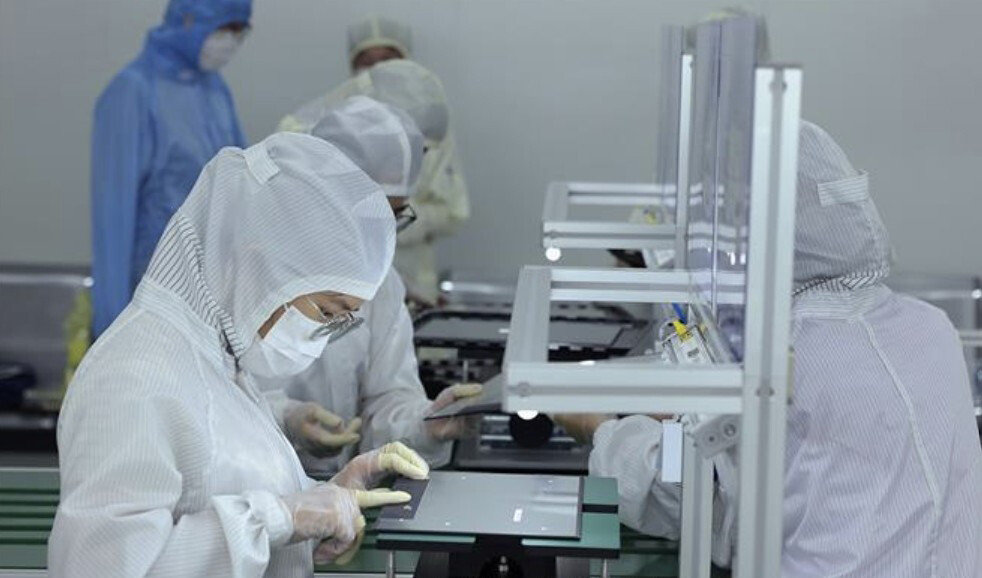
In 2026, Vietnam will no longer only be a low-end processing base, and high-end manufacturing and digital trade will simultaneously usher in development dividends. The combination of multiple favorable factors such as accelerated approval, tax and fee reductions, increased infrastructure demand, and convenient customs clearance, whether it is building factories, expanding production, exporting equipment, or laying out cross-border e-commerce, are all golden opportunities for Chinese enterprises to enter Vietnam.Editor/Gong Ziwei
Comment







 Praise
 Collect
 Comment

 Share
Share


Write something~