 Search


- The achievements will not only benefit both countries, but also the region and even the world
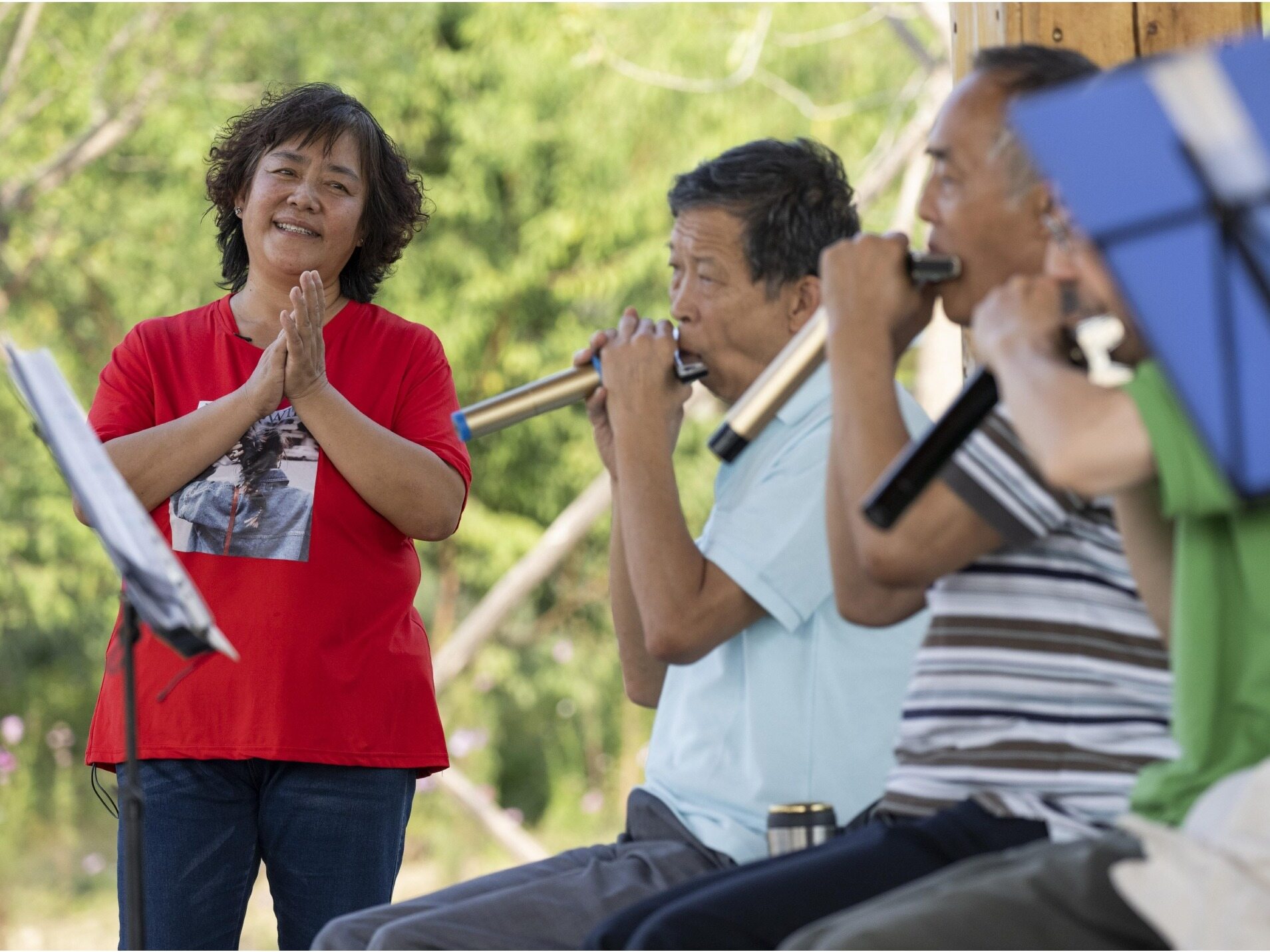
At the Marina Bay Convention and Exhibition Center in Singapore, the 8th Singapore China Forum hosted by Lianhe Zaobao was officially opened on July 6, and representatives of the political, business and academic circles of the two countries gathered in the venue. Singapore's Minister of National Development and Vice Chairman of the Monetary Authority, Xu Fangda, took the stage as the guest of honor to deliver a speech. He did not use grandiose diplomatic language first, but instead told a small story about the Tianjin Eco city -18 years ago, the new direction exported sustainable urban planning concepts to China, and today China's clean energy and digital technology are at the forefront of the world. The cooperation model must move from one-way output to two-way value-added. He admitted that Singapore cannot compete with China in terms of technological scale, but precisely because of this, both sides need to complement and deeply cultivate in their respective fields of expertise, and upgrade the cooperation between Singapore and China into a truly mutually beneficial and win-win partnership.
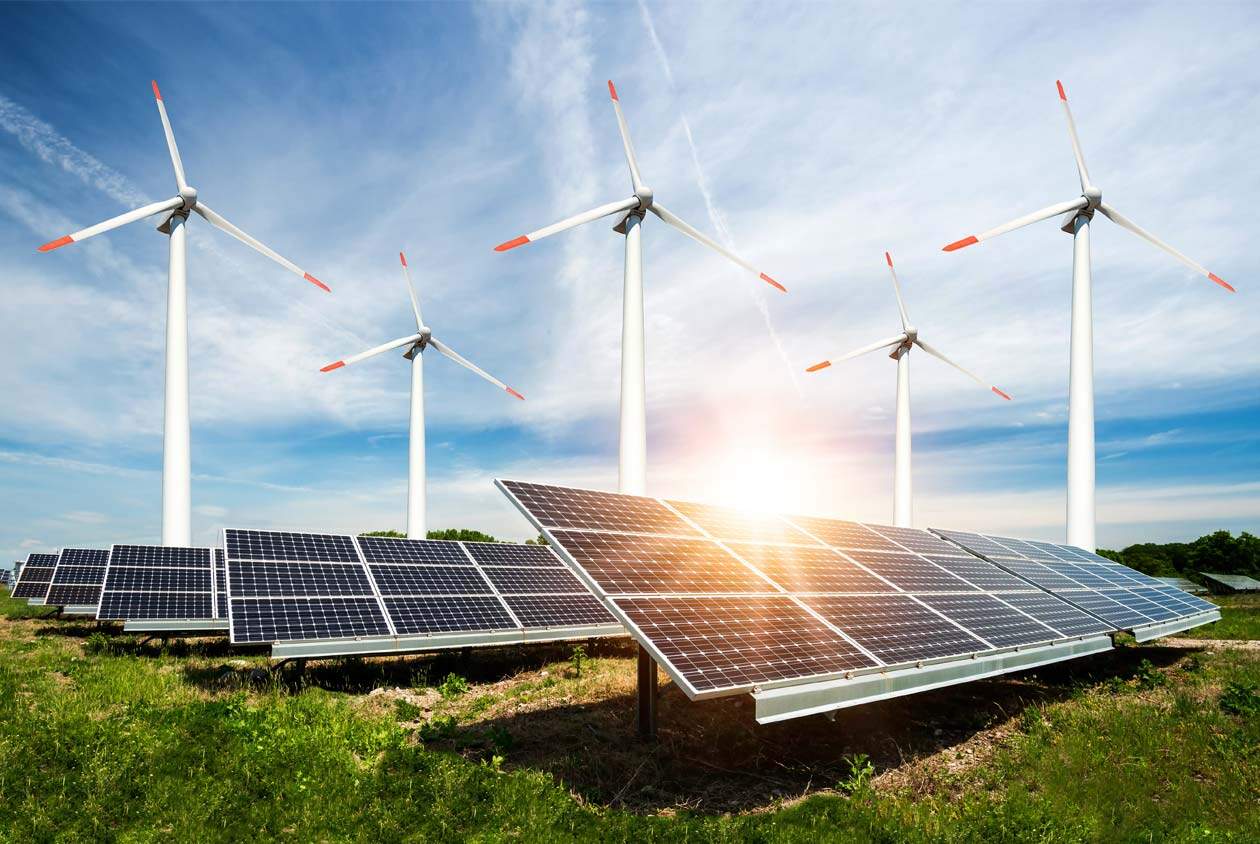
Jointly promote green and low-carbon transformation
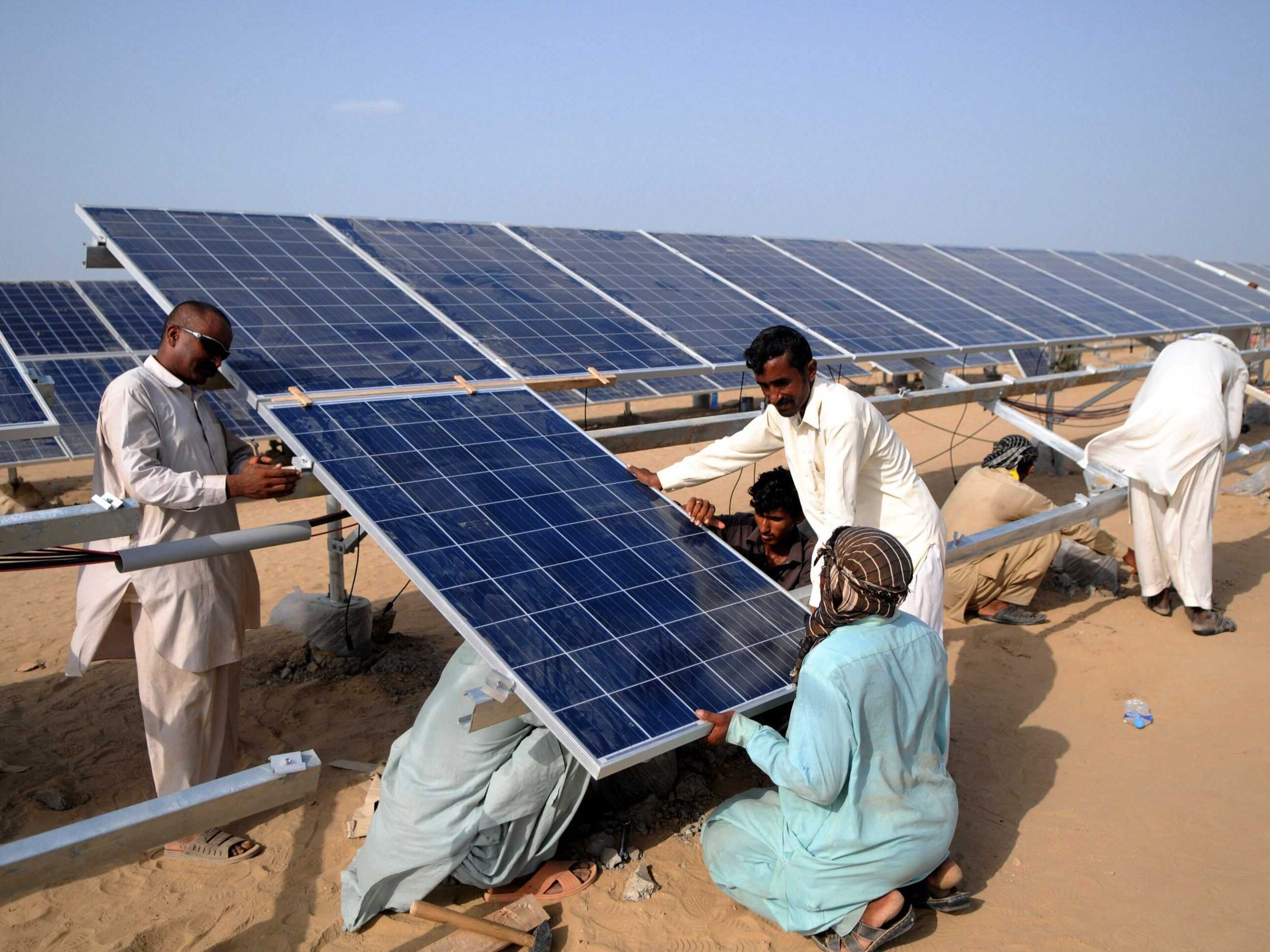
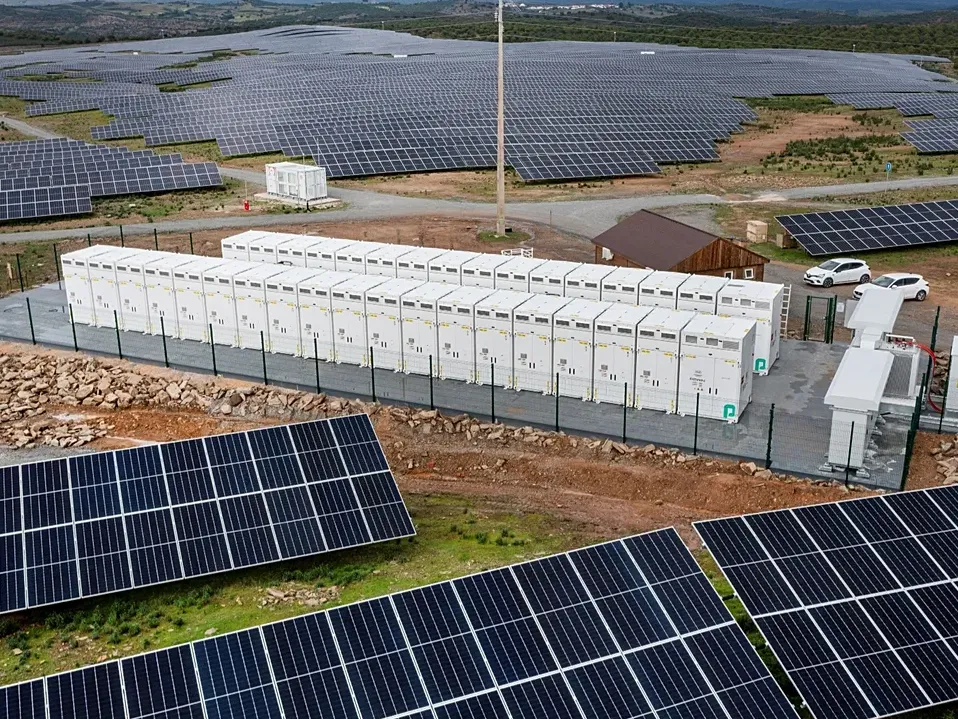
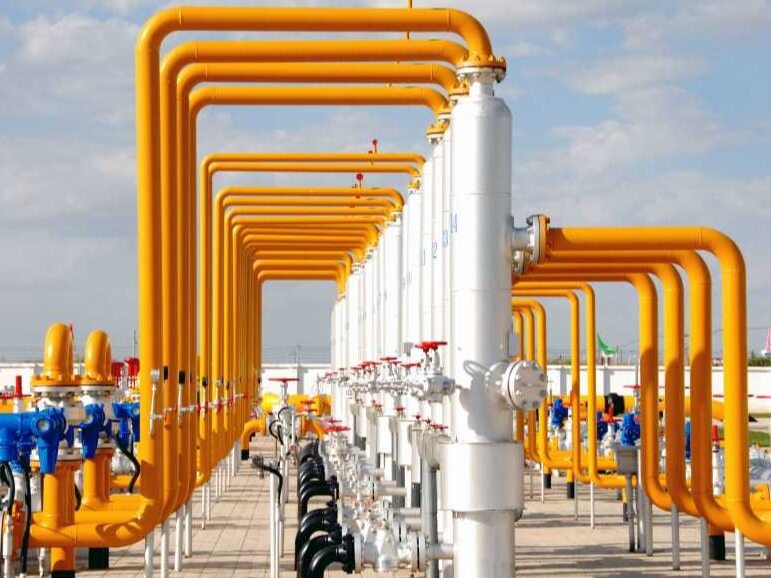
Xu Fangda pointed out that China is a global leader in clean energy technologies such as renewable energy, solar energy, wind energy, and battery storage. The experience of large-scale deployment is of great significance for strengthening regional energy resilience and promoting decarbonization. Singapore can leverage its expertise in sustainable urban planning and integrated development, such as collaborating on an upgraded version of the Tianjin Eco City model. He believes that working together to develop practical solutions will not only help each other achieve climate goals, but also provide a demonstration for other Southeast Asian countries to move towards sustainable development.
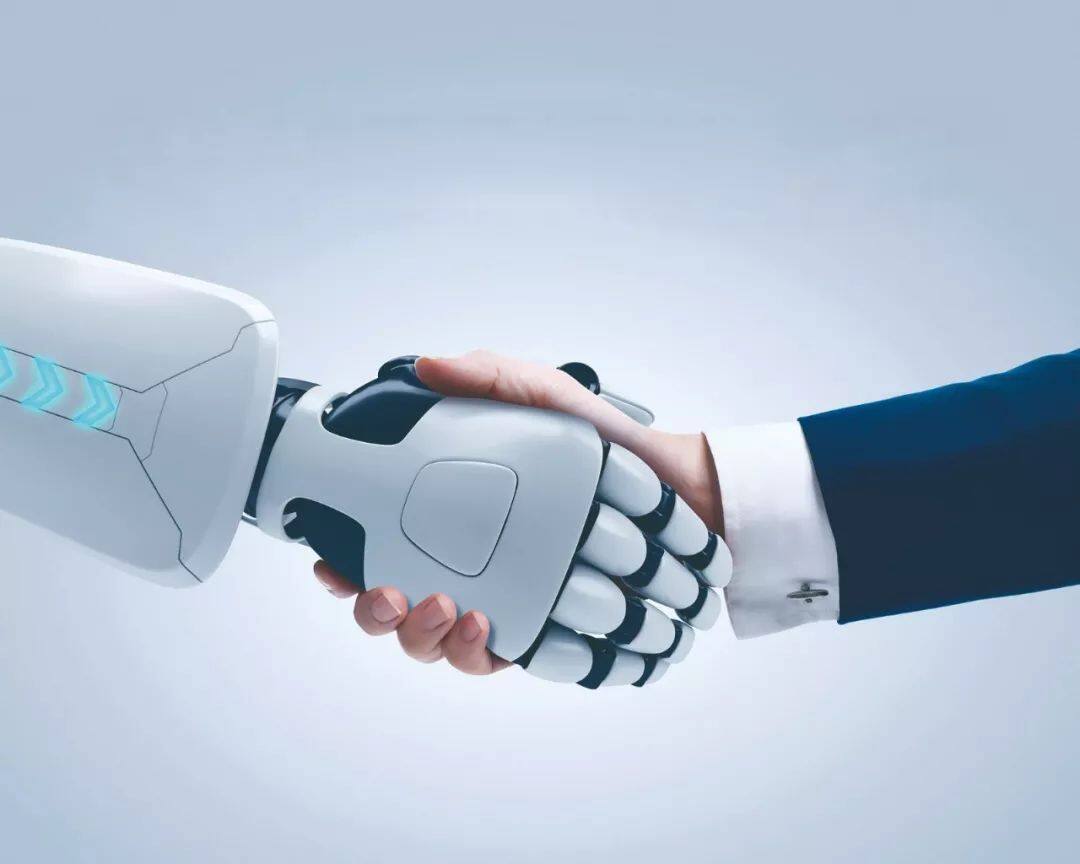
Joining hands to apply artificial intelligence
He stated that China is leading in the fields of artificial intelligence, robotics, and intelligent manufacturing, and has implemented large-scale applications in construction, logistics, and urban infrastructure, providing valuable examples for improving industry efficiency. New China can deepen exchanges between the government, industry, and academia, focusing on collaborating on AI regulatory frameworks, economic and social support, and ethical norms, transforming innovative ideas into actionable solutions, and ensuring that technological progress always aims to improve people's livelihoods and expand opportunities.
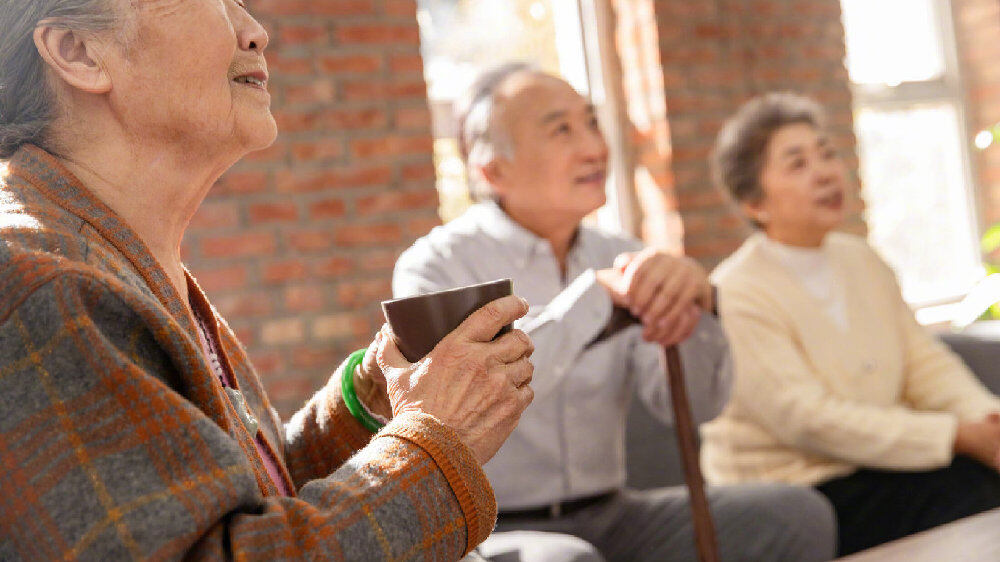
Mutual assistance to cope with an aging society
Xu Fangda emphasized that both China and Singapore are facing the challenge of population aging. Singapore has accumulated a lot of practice in the elderly friendly renovation of HDB flats and the construction of elderly friendly facilities in communities, while China continues to explore the model of neighborhood mutual assistance for elderly care. Both parties can learn from each other and jointly pilot projects in the design of livable environments for longevity society, intelligent elderly care technology to assist elderly people in independent living, as well as strengthening community bonds and improving social support systems, so that elderly people can better enjoy their old age in the community.
Since its inception by Lianhe Zaobao in 2017, the Singapore China Forum has been held in Singapore and several cities in China, becoming an important platform for high-level dialogue and practical cooperation between the two countries. Xu Fangda finally stated that global challenges cannot be solved by any country alone, and only by working together can the spillover effects of bilateral cooperation be radiated to the entire region.Editor/Yang Meiling
Comment

 Praise
 Collect
 Comment

 Share
Share


Write something~