 Search


- This move builds a structural advantage that is difficult to replicate through cross domain system integration
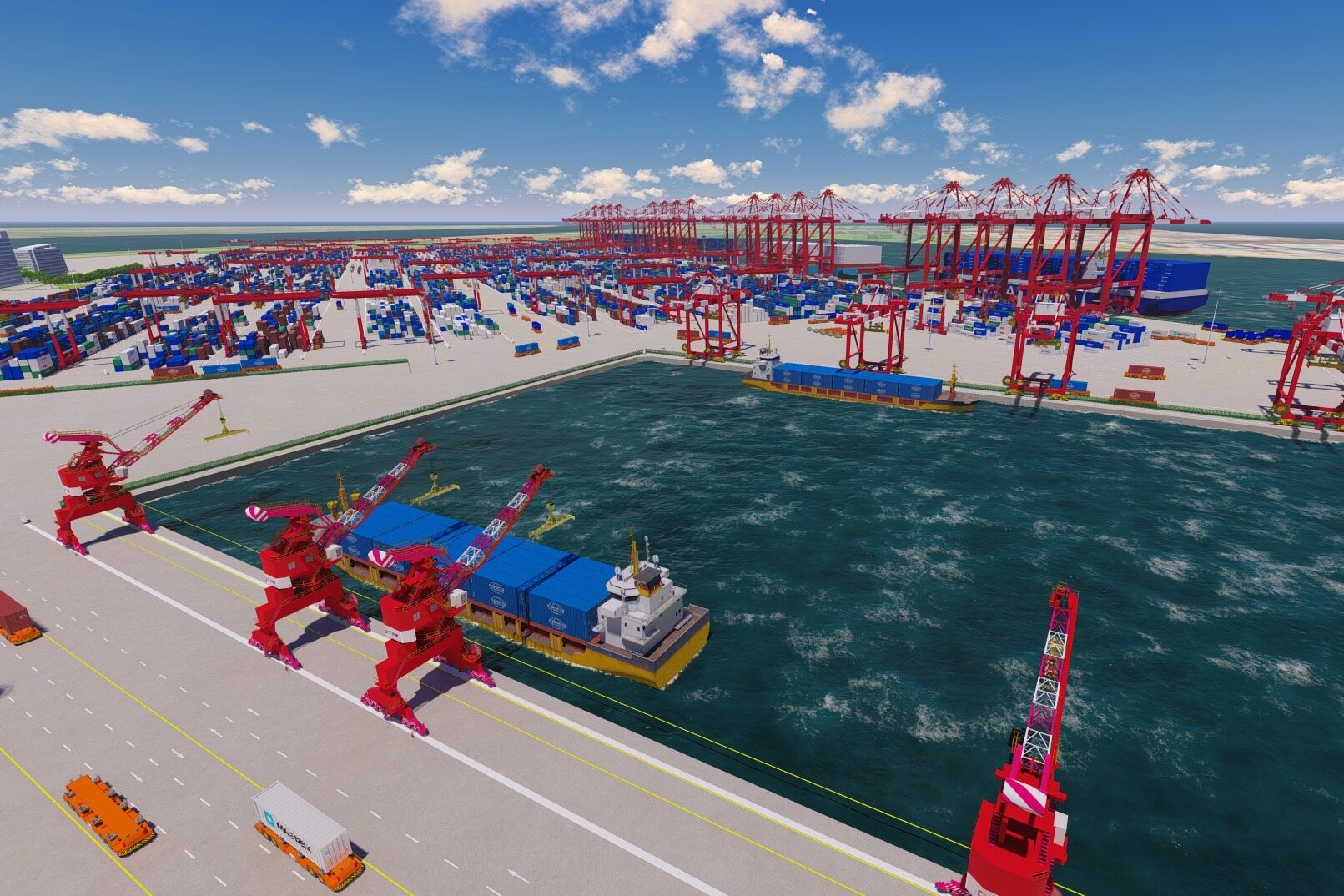
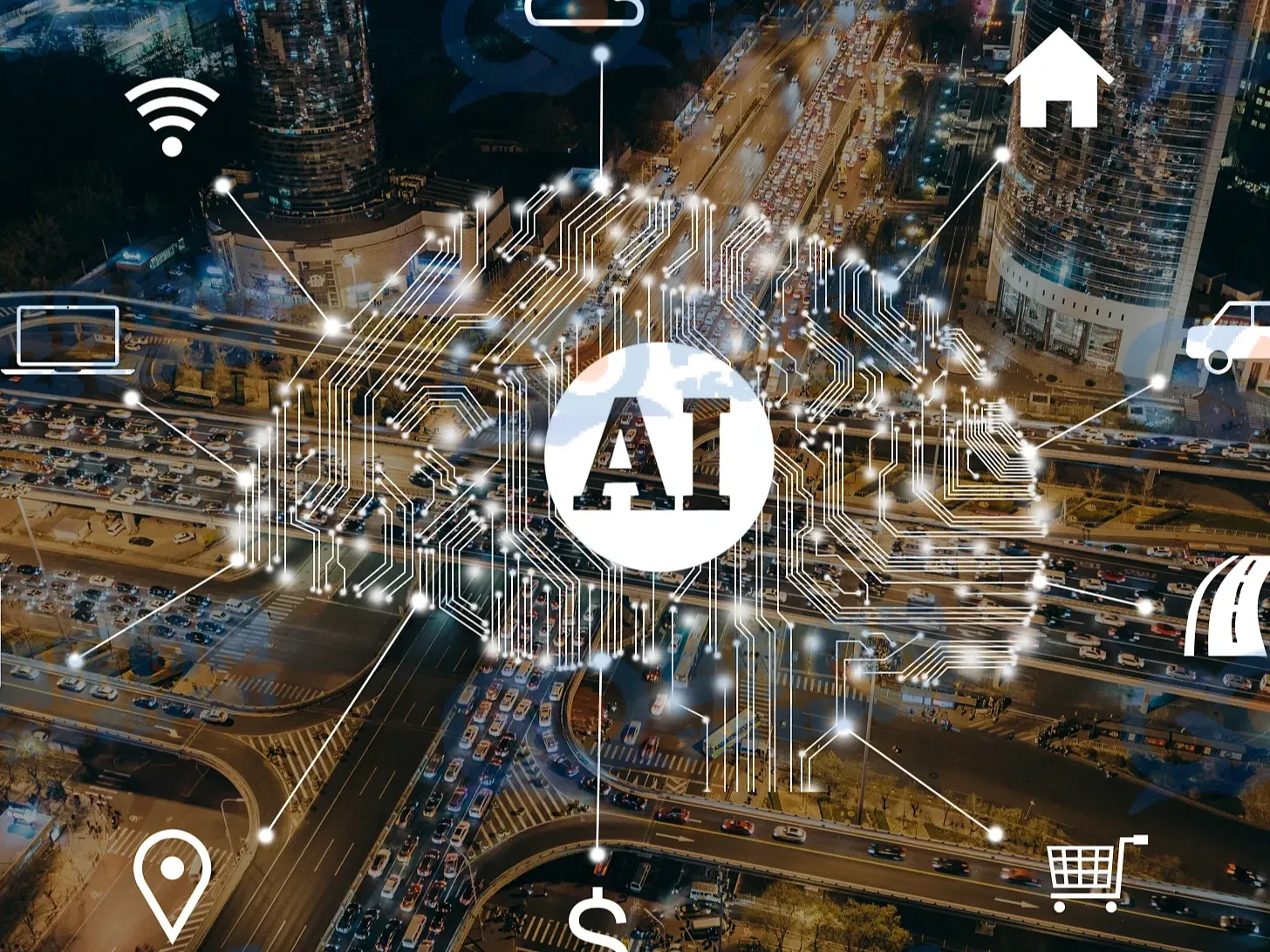
The wind on the south coast of the Persian Gulf swept over Abu Dhabi's newly built smart port, with giant cranes automatically loading and unloading containers, and a nearby supercomputer center devouring gigawatts of electricity. This oil city is quietly rewriting its development logic - no longer focusing solely on energy or digital economy, but integrating electricity, algorithms, and shipping into a single rope, attempting to build the world's first energy artificial intelligence integrated economy.
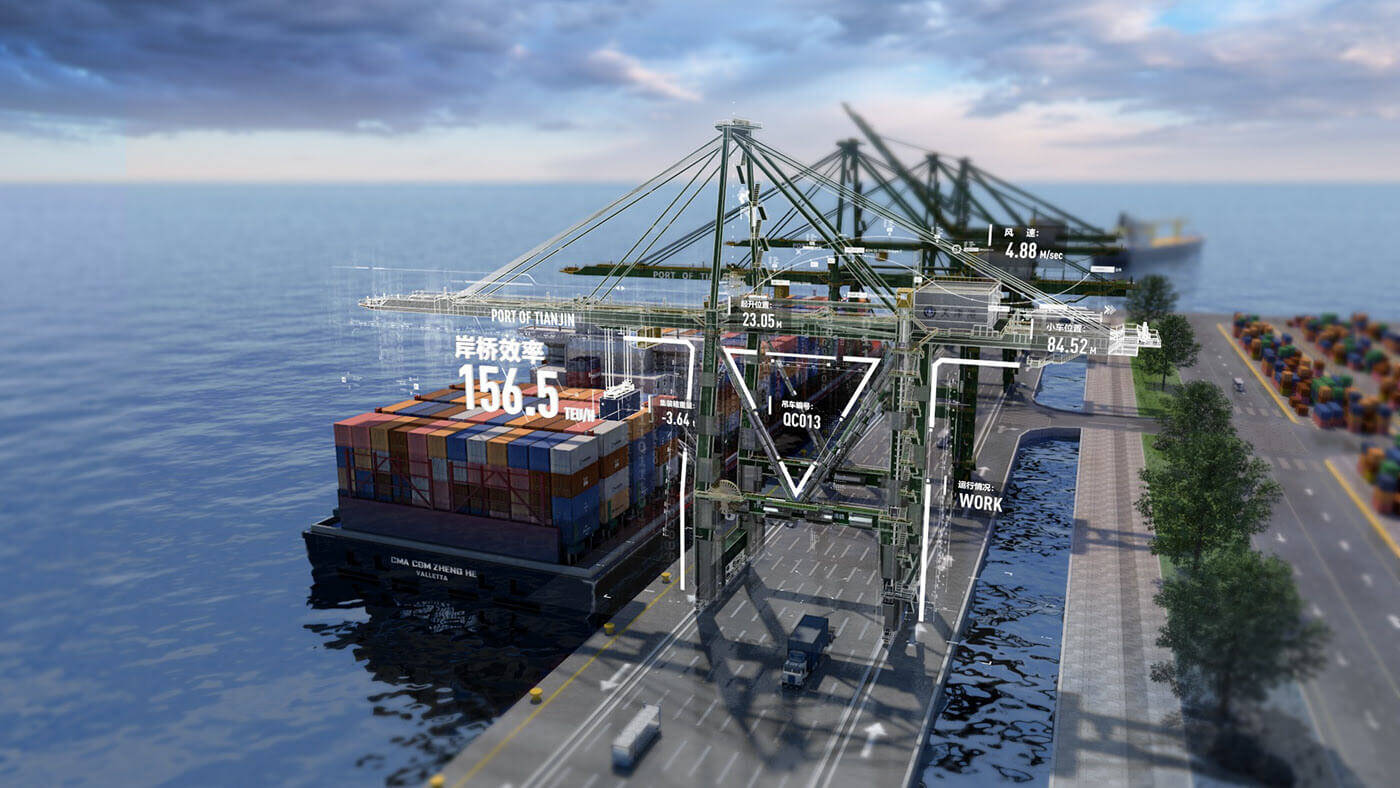
Energy bottoming out, computing power soaring
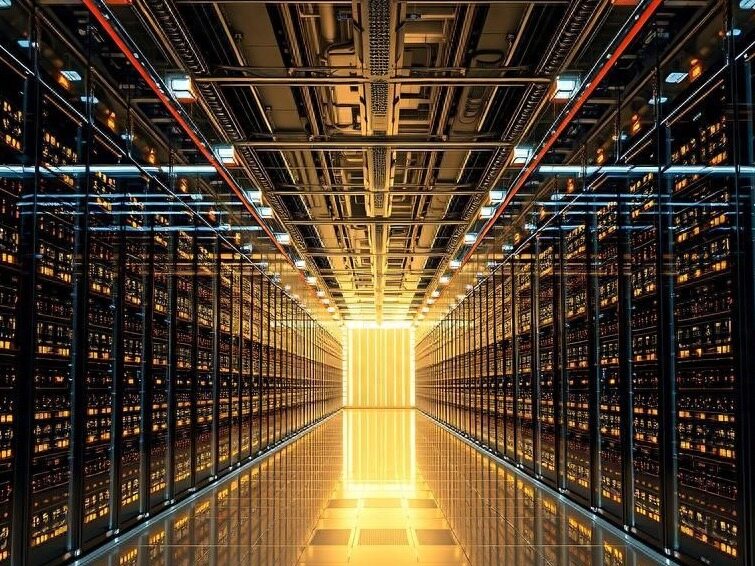
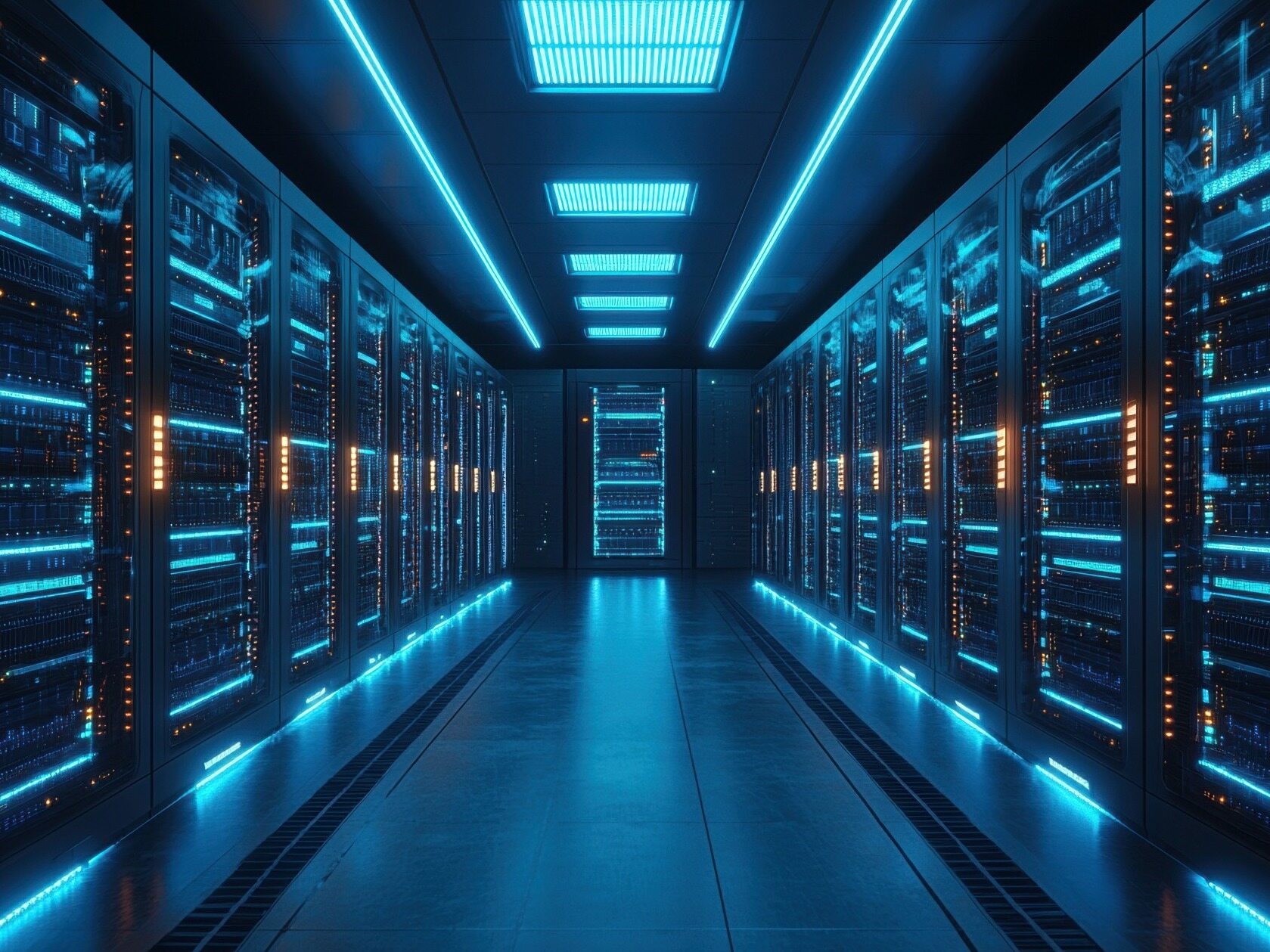
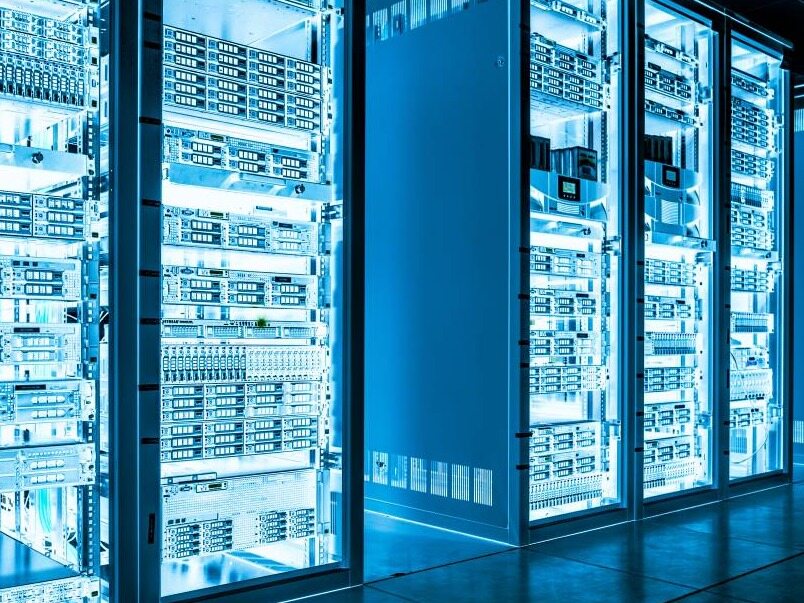
When many parts of the world are worried about power shortages in data centers, Abu Dhabi has built a solid foundation for the development of artificial intelligence with abundant oil and gas resources and rapidly expanding renewable energy. In 2026, the local area is synchronously expanding its power generation capacity and transmission network, attracting large-scale investment in computing power. This electricity first strategy forms a positive cycle: stable power supply attracts AI companies to settle down, while digital demand drives industrial and infrastructure upgrades in the opposite direction, transforming energy advantages into digital economic advantages.
Port transforms into a digital hub
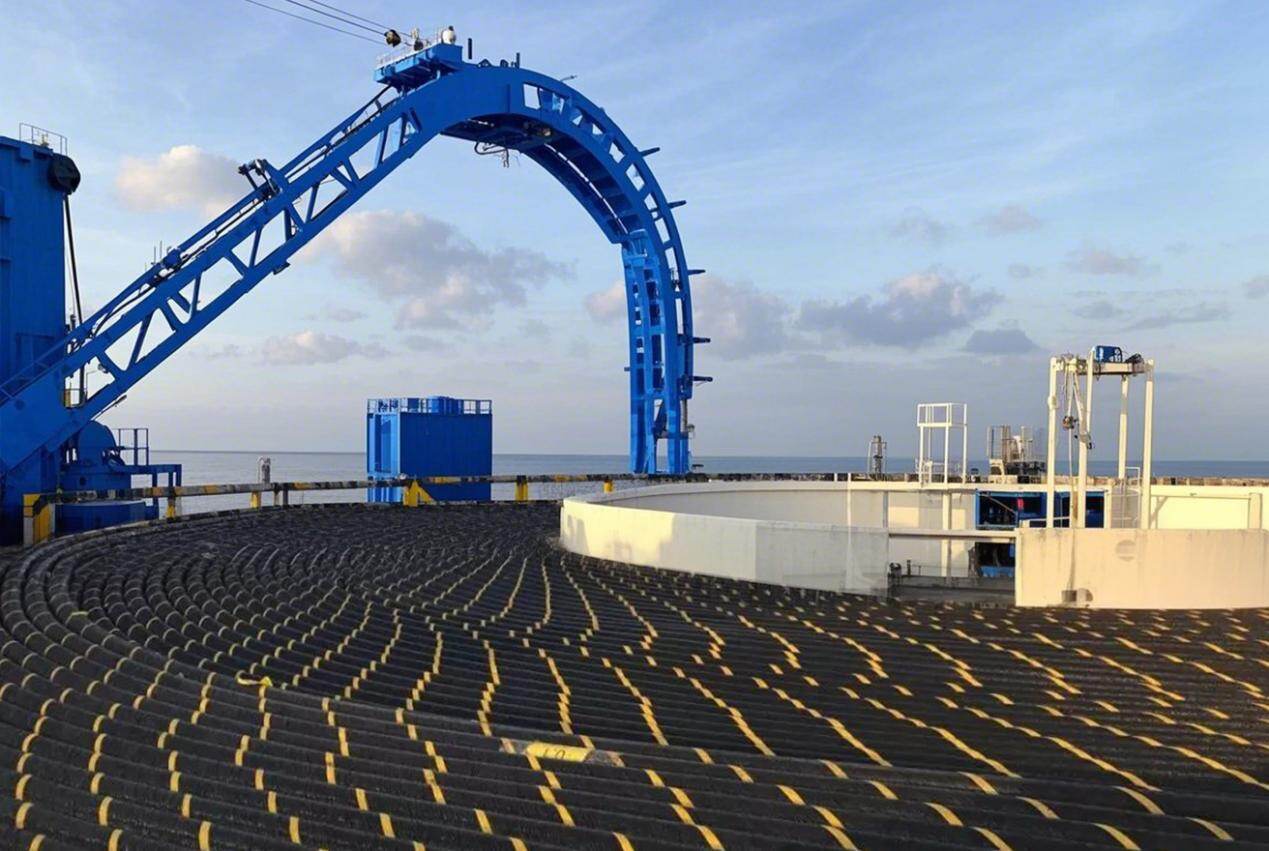
Shipping logistics is undergoing a profound transformation. Abu Dhabi is no longer satisfied with cargo throughput, but relies on its geographical advantages adjacent to the Asia Europe Africa shipping route to upgrade its port into a multi energy supply and digital operation complex. LNG、 Green hydrogen and other clean fuels are added in parallel with traditional loading and unloading, while artificial intelligence is deeply involved in berth scheduling, customs clearance, and supply chain optimization. The submarine cable, as an invisible artery, has been elevated to the level of national security, relying on its location advantage to connect the Asia Europe Africa data channel, making the port a dual node for physical trade and digital flow. Keywords: high-tech news and information, artificial intelligence
System integration wins the future
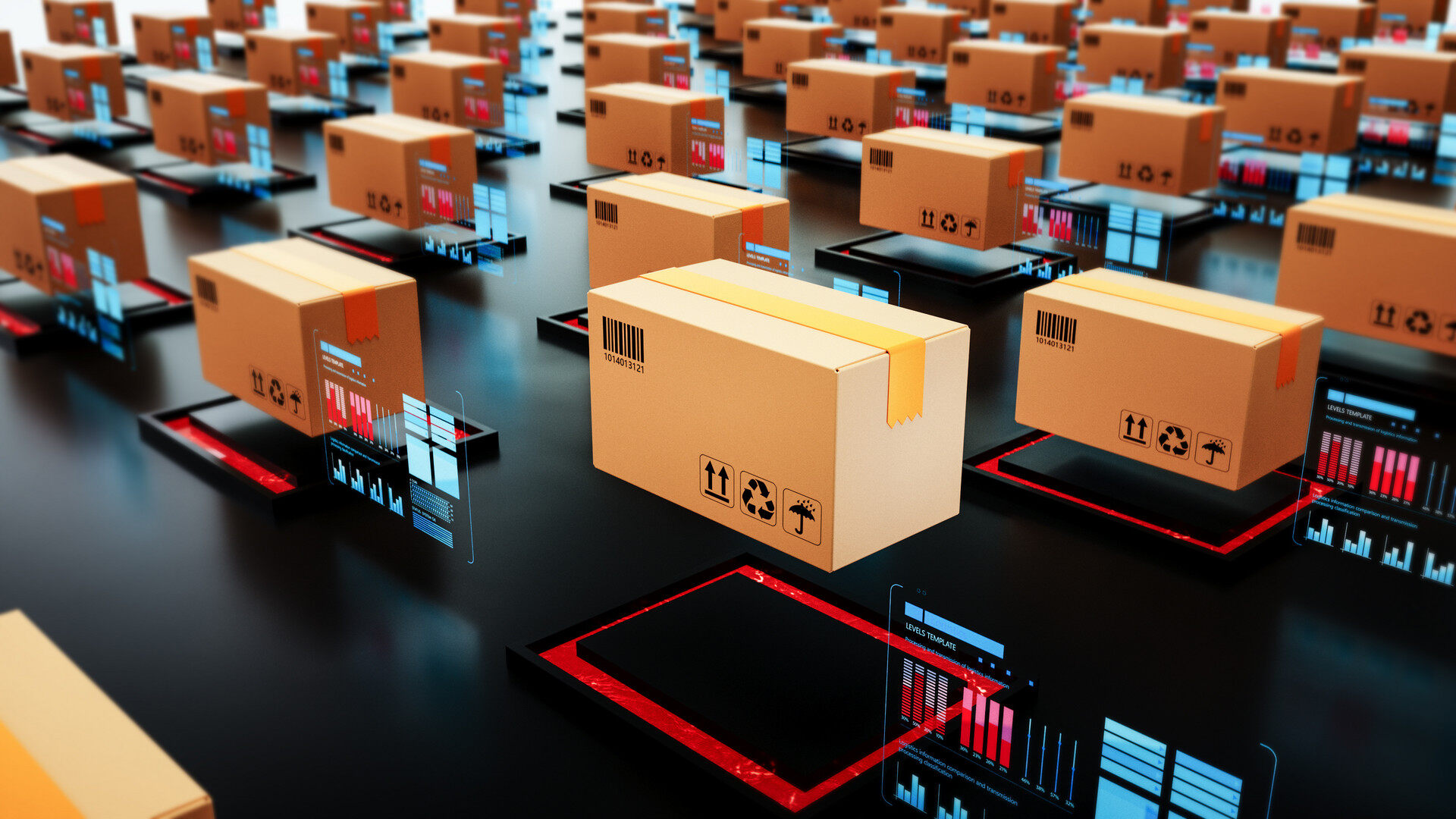
State owned enterprises such as ADNOC, AD Ports, Masdar, and G42 work closely together to weave an ecological network that interweaves energy, logistics, and computing power. Despite facing challenges such as data center water consumption and network security risks, Abu Dhabi has already taken half a step ahead - its core competitiveness lies not in the scale of individual projects, but in integrating decentralized systems into mutually reinforcing organic whole. This cross domain integration model is quietly rewriting the global competitive landscape: the future economic leadership will ultimately belong to countries that can handle complex system collaboration.Editor/Gao Xue
Comment



 Praise
 Collect
 Comment

 Share
Share


Write something~