 Search


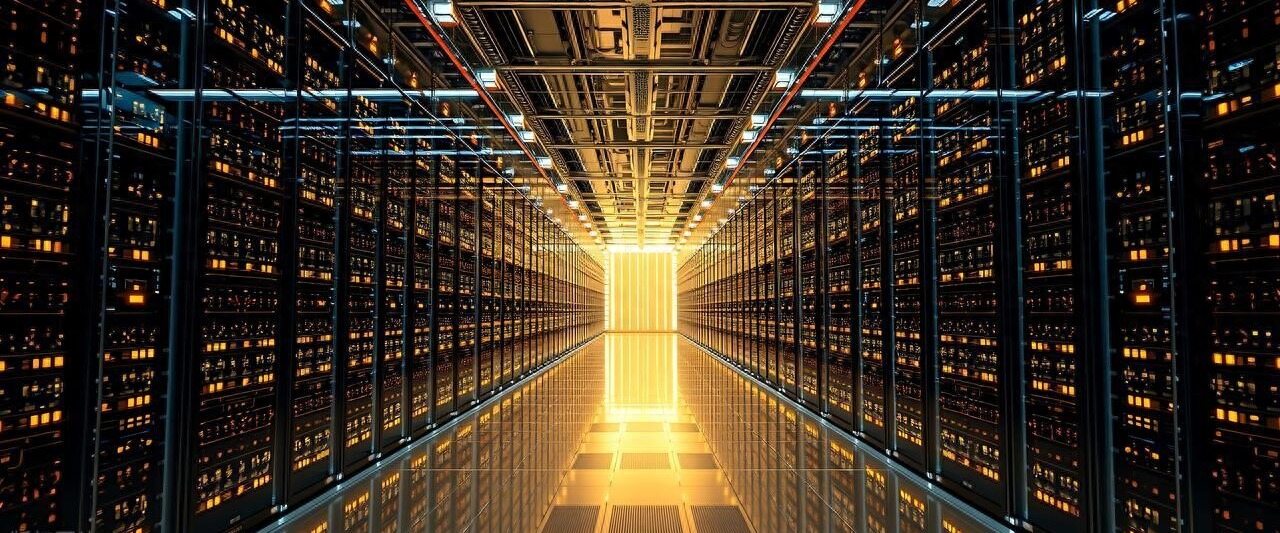
- Fully adopting liquid cooling technology, an intelligent computing power base with over 4000P will be built
In the scorching summer, a technological revolution about "cooling down" is quietly being prepared in Liuhua Street, located on Huanshi Middle Road in Yuexiu District, Guangzhou. What is about to rise up here is not skyscrapers, but the "super brain" of urban digital economy - Guangzhou Zhisheng Computing Center. Unlike the huge noise and astonishing power consumption of traditional data centers in the past, this future computing power factory is trying to solve the energy consumption anxiety caused by high-density computing by taking a "cold shower".
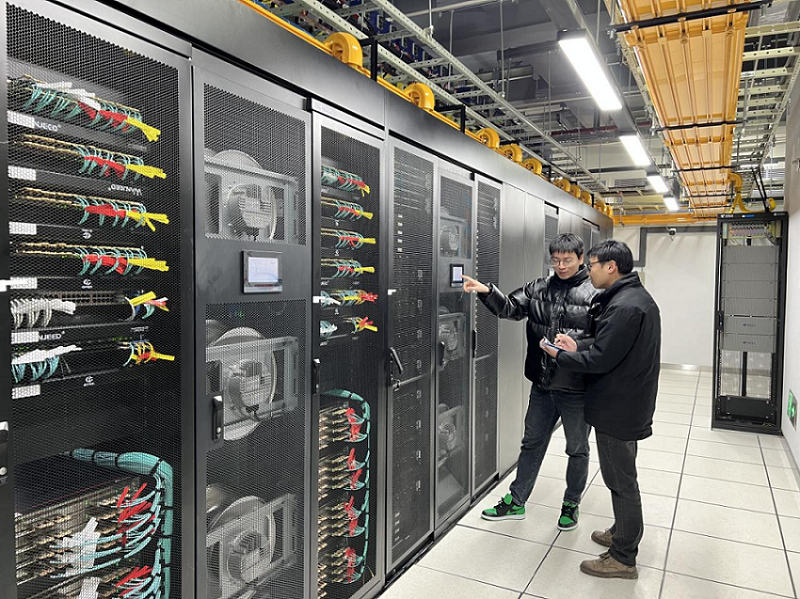
With the explosive demand for training large artificial intelligence models, computing power has become the third major factor of productivity after water and electricity resources. However, the heat dissipation problem behind computing power has always been a pain point in the industry. The landing of Guangzhou Zhisheng Computing Center is a crucial step for Guangzhou to respond to the national "East Data West Computing" project and promote the green and high-quality development of new infrastructure. The project is expected to start production in November 2026 and will provide strong support for the artificial intelligence industry in the Greater Bay Area.
The breakthrough of liquid cooling technology
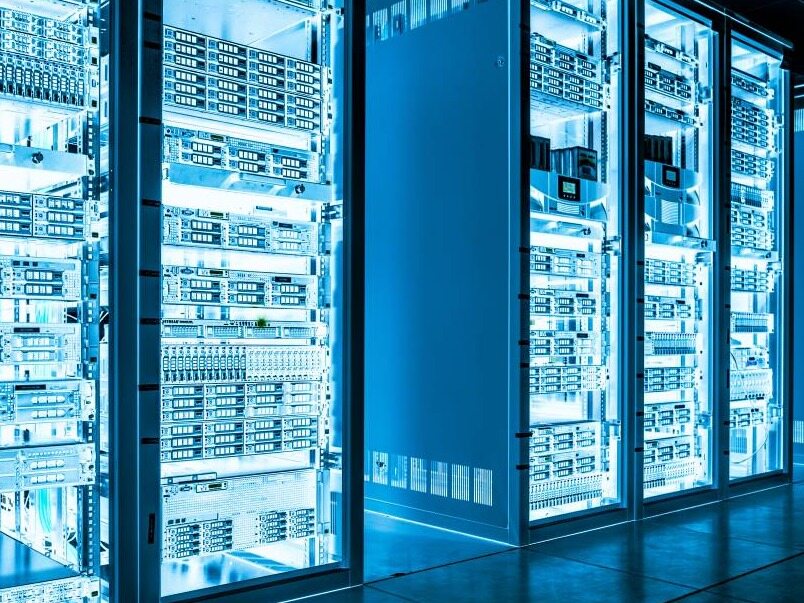
Entering the project planning diagram, the most eye-catching feature is its "all liquid cooling" design concept. The project will deploy 12 78kW liquid cooled cabinets and 36 65kW liquid cooled cabinets, totaling 1300 standard cabinets. Unlike traditional air cooling "blowing cold air", this adopts cold plate liquid cooling technology, which directly removes heat by bringing the liquid close to the heat source. The air mixture cooling ratio in the design reaches 25:75, which means that 75% of the heat is taken away by the liquid cooling system and only 25% is processed by the chilled water type inter row air conditioning. This almost "soaking" heat dissipation method locks the power to energy ratio (PUE) of the completed data center at 1.194, far below the industry average, meaning that the vast majority of electricity is used for actual computing rather than "idle" heat dissipation.
Extremely reliable power supply
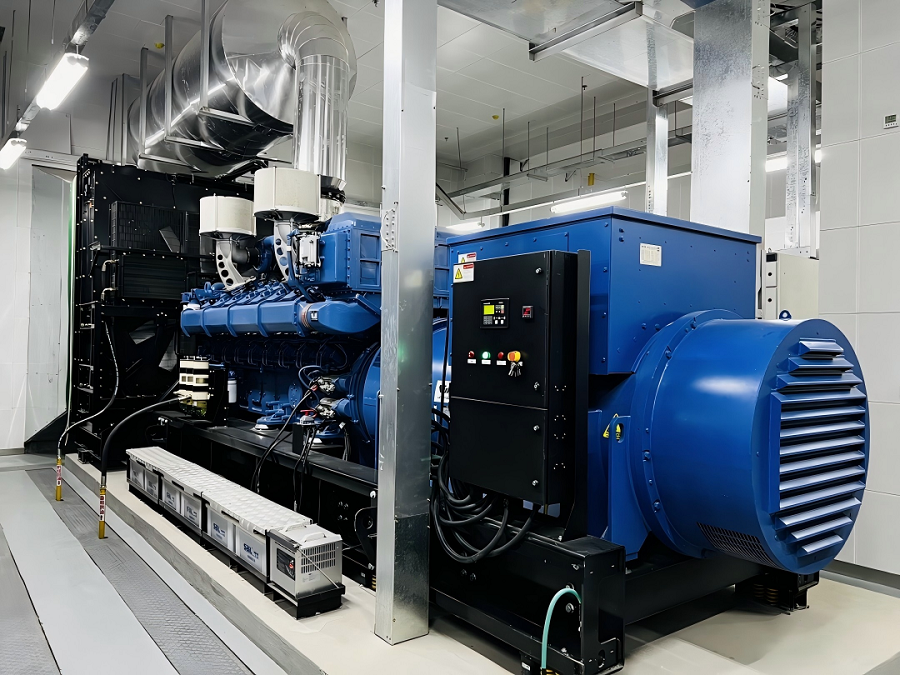
Computing power cannot stop, electricity is the lifeline. To ensure 4050PFlops@FP16 The intelligent training computing power output is stable, and the project has made sufficient redundancy in the power supply system. In the distribution room, four 2500kVA dry-type transformers are used as backup for each other, with a load rate strictly controlled within 50% to ensure seamless connection between one faulty transformer and the other. At the same time, the 10kV high-power diesel generator set is on high alert. Once the mains power is interrupted, it can automatically start and supply power within 30 seconds. In addition, the 2N fault-tolerant system of the UPS uninterruptible power supply in the computer room forms a "double insurance" of dual circuits and dual backups, which allows data operations to continue as usual even in extreme situations.
Clear green background color
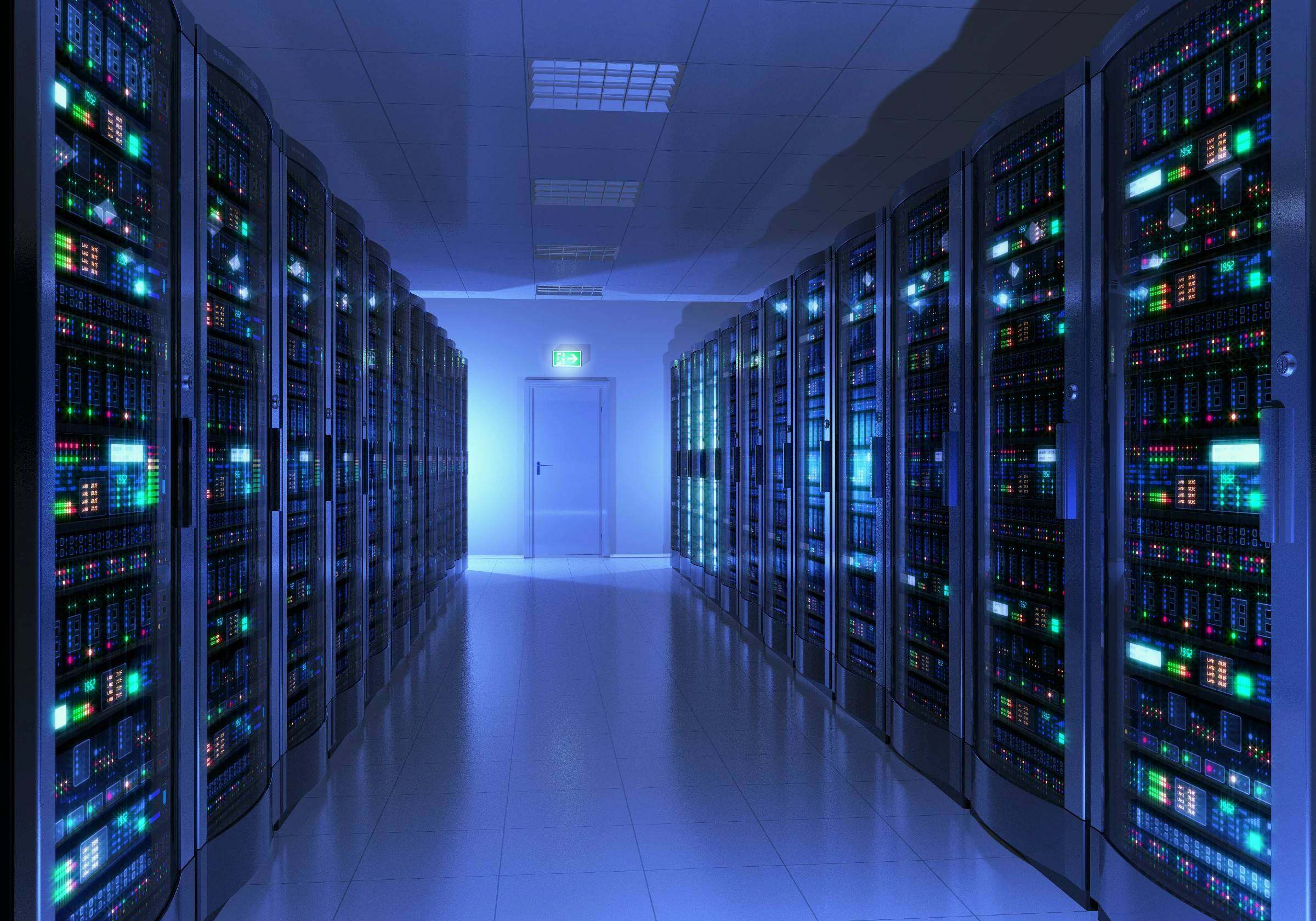
Green is not only a technological choice, but also a commitment to development. The data shows that the annual comprehensive energy consumption of the project is controlled within 4032.25 tons of standard coal, and the total annual carbon dioxide emissions are about 14500 tons. In order to further reduce carbon footprint, the project party promises to fully purchase green electricity certificates and achieve 100% green electricity consumption. This not only reflects the refined management of carbon emissions by the project - its unit added value carbon emission intensity is only 1.145 tons of carbon dioxide per 10000 yuan, but also demonstrates Guangzhou's determination to promote the digital economy while adhering to the path of ecological priority and green low-carbon development.Editor/Yang Meiling
Comment





 Praise
 Collect
 Comment

 Share
Share


Write something~