 Search


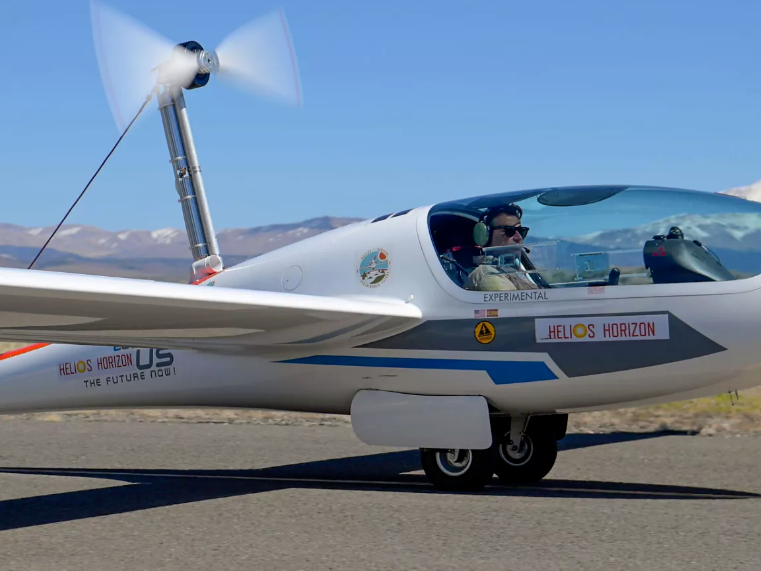
- The successful test flight of the solid-state battery powered aircraft marks a new stage in the aviation power system
Recently, the Helios Horizon project completed this milestone test flight at Zephyr Hills Municipal Airport. From lithium-ion to solid-state, from ground to cloud, this brief takeoff and landing has thrown a heavy weight into the commercial future of electric aviation.
Energy density jumps by 60%
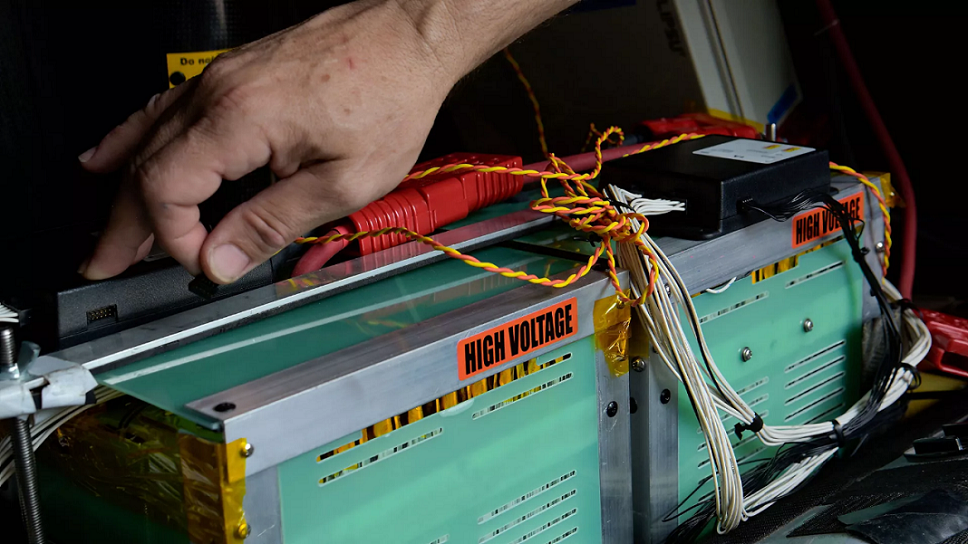
The predecessor of this aircraft was the Taurus Electro electric twin seater, originally equipped with a lithium-ion battery with an energy density of 260Wh/kg. The solid-state battery pack installed this time has jumped to 410Wh/kg, an increase of about 60%.
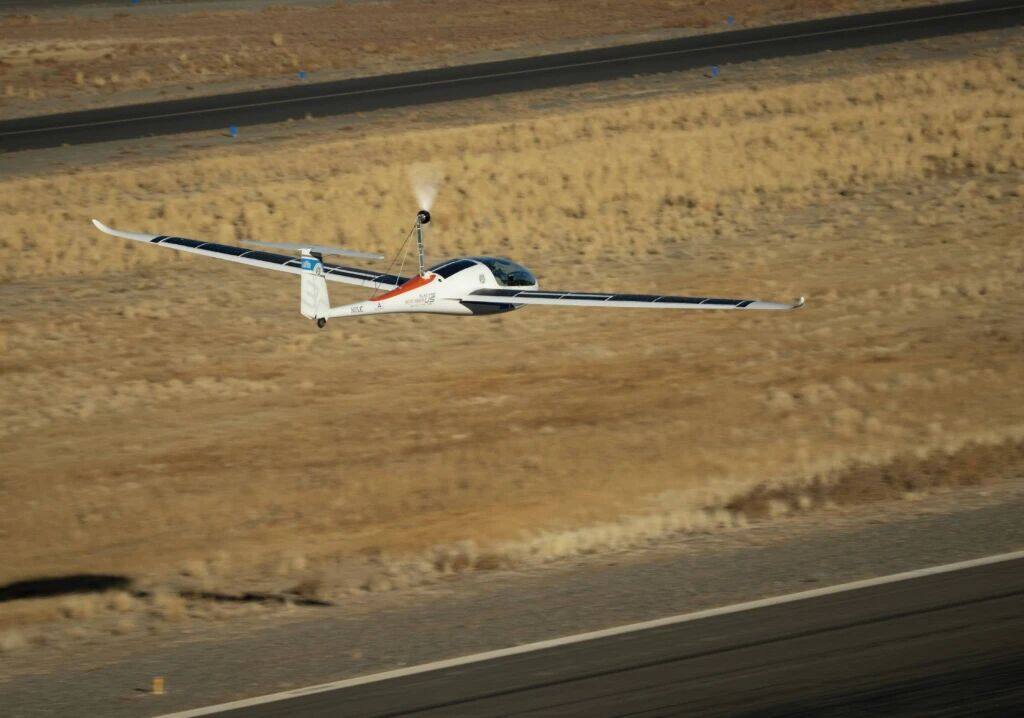
Under the same weight, airplanes can store more electrical energy, significantly expanding their range potential. Project founder Itumendi revealed that this value is expected to increase by another 40% in the next two years. What is even more remarkable is the charging speed: it takes less than 15 minutes to charge from a nearly depleted state to 80% capacity, providing a realistic possibility for rapid airport turnover.
Regenerative flight to recover electrical energy
The core advantage of solid-state batteries goes beyond energy density. Once a liquid lithium battery experiences an internal short circuit or external impact, it is prone to overheating, loss of control, or even fire; Solid state electrolytes are non flammable, non-volatile, and resistant to high temperatures, with puncture resistance far exceeding that of liquid solutions, almost eliminating the deadliest fire risk during flight.
The Helios Horizon team has comprehensively restructured the power distribution, thermal control, and propulsion systems around the new battery, and has also added extension sections and solar panels to the wings. When an airplane descends or glides, the propeller can be driven by the airflow in the opposite direction to charge the battery - a mechanism similar to the kinetic energy recovery of electric vehicles, which is still rare in the aviation industry and can further extend the range.
Knocking on the door to commercialization
In 2024, this aircraft reached an altitude of 7315 meters using lithium-ion batteries, setting a world altitude record for electric aircraft in the same class. After being equipped with solid-state batteries, the team has set their sights on 12192 meters - the standard cruising altitude for commercial aircraft. Keywords: Construction machinery
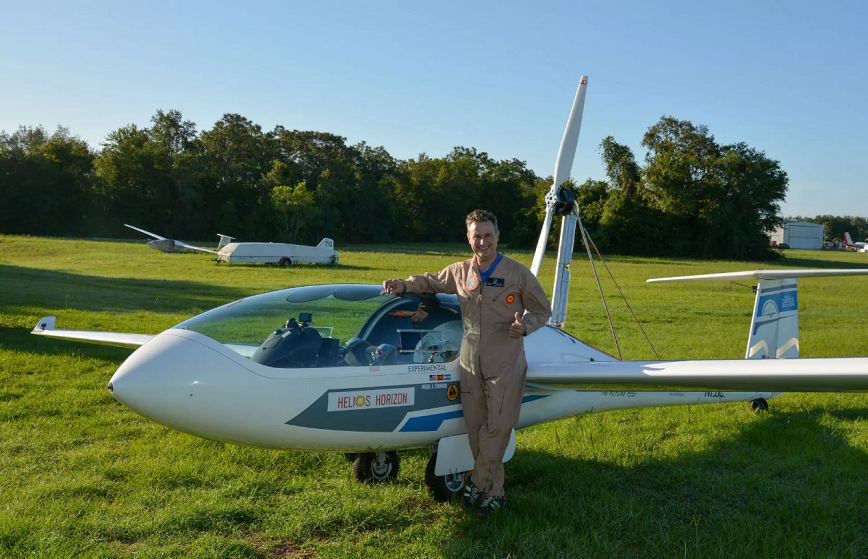
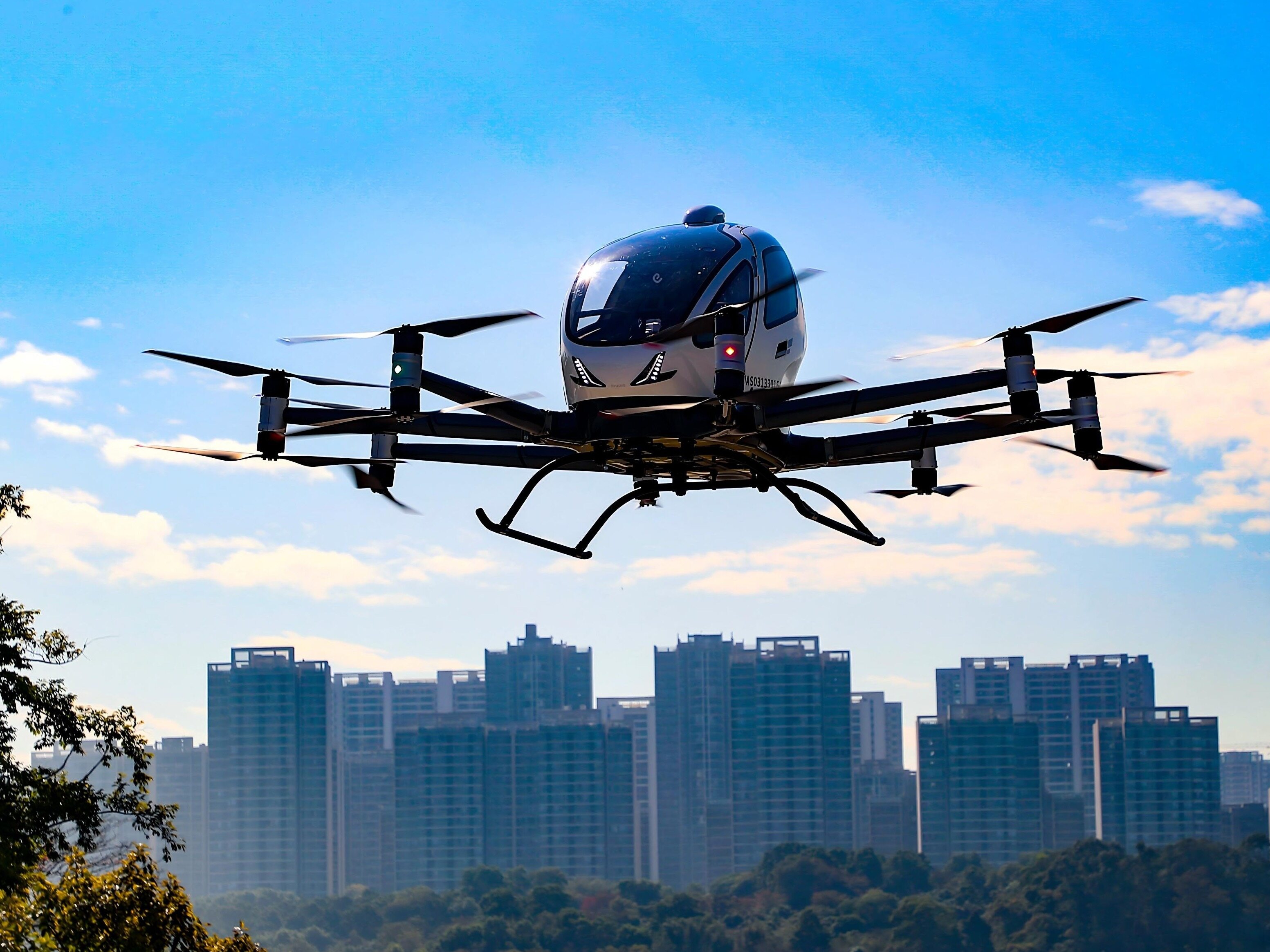
In the autumn of 2026, Helios Horizon plans to launch a challenge to the stratosphere. Although the cost of all solid state batteries is still 3 to 4 times that of traditional lithium batteries, and there are still obstacles to supply chain and large-scale production, this test flight has proven that solid state batteries have come out of the laboratory and flown into the real sky. From the eVTOL test flight of Yihang Intelligent to the aviation test of CATL's 500Wh/kg semi-solid state battery, and then to the joint research and development between Airbus and Renault, solid-state batteries are paving a feasible path for electric aviation from the possibility to the reality.Editor/Gao Xue
Comment



 Praise
 Collect
 Comment

 Share
Share


Write something~