 Search


- From Silicon Valley to wafer fabs in East Asia, from Korean memory production lines to data center campuses in rural America
- A global tug of war is unfolding around the supply of AI computing power

The annual revenue of cutting-edge AI companies such as Anthropic and OpenAI has surged to the tens of billions of dollars, and the demand for training large models is still exponentially soaring. However, almost all vendors acknowledge the same reality - computing resources are never enough. This is not because the algorithm cannot keep up, but because the underlying physical supply chain is stuck in four checkpoints.
TSMC Advanced Process and CoWoS Packaging
Almost all AI chips in global data centers are manufactured by TSMC, with advanced processes of 5nm/4nm and below and CoWoS advanced packaging capacity highly concentrated in its hands. The demand for AI accelerator wafers will increase by more than 11 times from 2022 to 2027, and the CoWoS packaging capacity will have a compound annual growth rate of 80% during the same period. TSMC will still outsource some CoWoS to Sunlight and Ankou, but it is still difficult to keep up with the demand. TSMC CEO Wei Zhe jia frankly stated that meeting customer needs will take a long time and ultimately be limited by talent. In terms of substitution, Intel and Samsung have advanced processes but their packaging capacity is far inferior. Gexin has abandoned FinFET, and 12nm cannot meet the AI needs of data centers. The entire wafer foundry chain is also constrained by ASML's EUV lithography machines and Japan's Ajinomoto Corporation, which accounts for over 95% of the world's ABF carrier materials - ABF prices will increase by 30% in 2026, and the supply gap is expected to exceed 20% in 2027.
Conservatively considering high bandwidth memory HBM production capacity and DRAM expansion
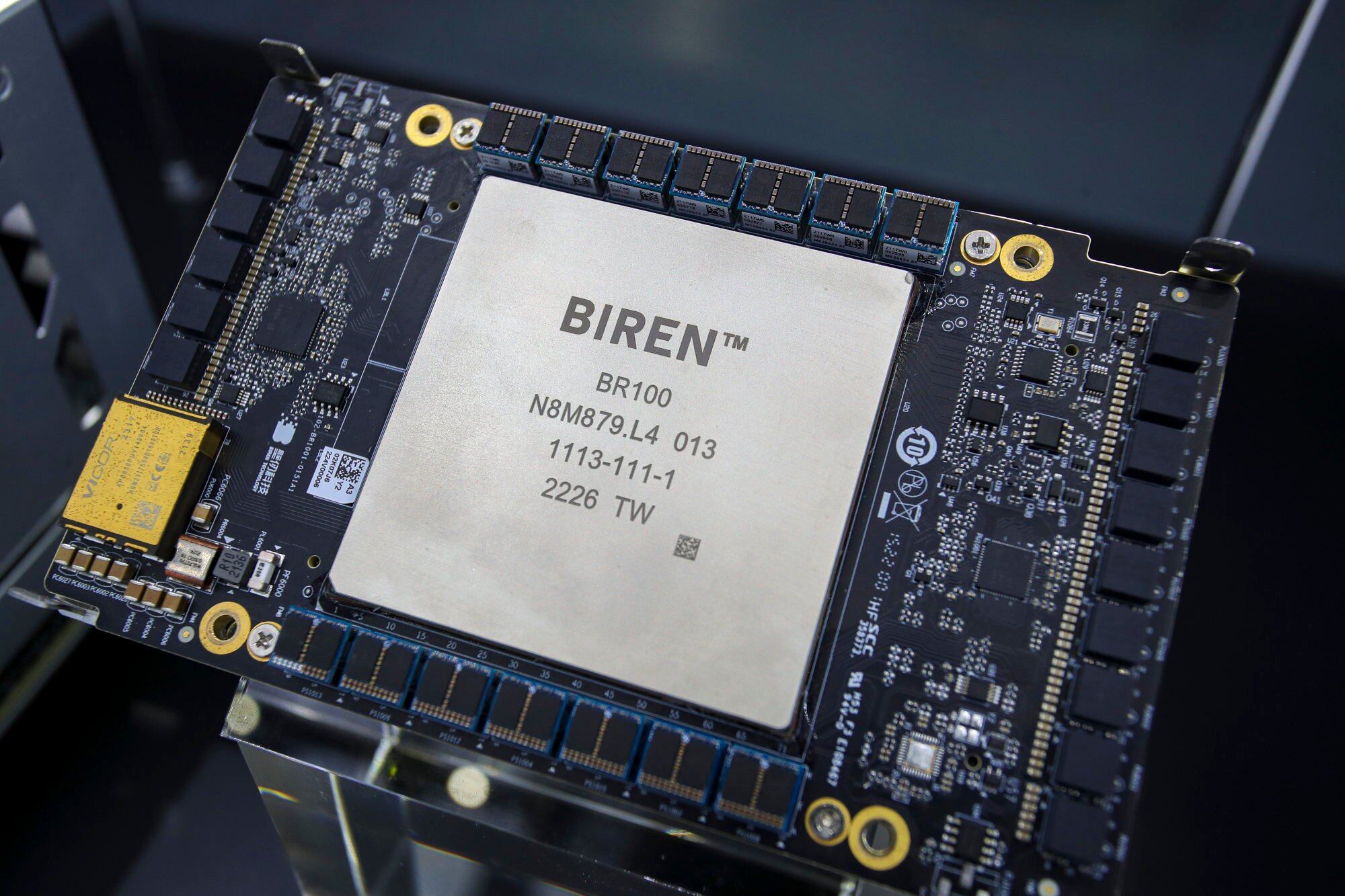
The most scarce currently is high bandwidth memory HBM, about 80% of which is produced in South Korea and dominated by three oligopolies: SK Hynix, Samsung, and Micron. HBM requires vertically stacking 8 to 16 layers of DRAM and interconnecting them through silicon vias, which is extremely difficult to manufacture and requires complex packaging capabilities in addition to DRAM wafer fab capacity. The DRAM industry has experienced ups and downs in its history, and manufacturers have been extremely cautious in expanding production. The development of new DRAM processes takes more than 5 years, and the construction of new wafer fabs takes several years, resulting in a continuous supply shortage of HBM. The three major companies are locking in customers through long-term strategic agreements (such as Micron and Anthropic), and HBM production capacity has been basically booked for 2026-2027. The market value of the three DRAM leaders has all exceeded $1 trillion.
Data center power shortage and emergency of supporting facilities
Amazon CEO lists electricity as the primary constraint for data centers. The power consumption of AI training cabinets is 10 to 20 times that of traditional IDCs, and the expansion speed of the power grid cannot keep up. The community's resistance to pushing up electricity prices and water consumption is also becoming increasingly strong. Large scale operators are starting to bypass the power grid by directly signing natural gas supply contracts with gas fields to build their own power plants, such as Chevron and Microsoft signing a 20-year agreement to build a 2.7 gigawatt power plant in West Texas; Technology companies collaborate with home energy storage projects to release battery power during peak electricity usage to free up data center capacity. In addition to electricity, orders for transformers, high-voltage circuit breakers, and GE Vernova gas turbines have been scheduled until 2029. Solar energy storage solutions usually require natural gas backup due to insufficient protection on cloudy winter days.
Optical interconnect indium phosphide laser production capacity sold out
Inter rack and future CPO co packaged optical links rely on indium phosphide (InP) lasers, with 68% of the global market divided among Coherent, Lumentum, and Sumitomo. The number of AI optical interconnect links will be 10 to 100 times that of traditional horizontal expansion. Lumentum and Coherent production capacity have already been sold out and require pre paid capital lock-in. Nvidia announced in March 2026 that it will invest $2 billion in each company to ensure supply. Coherent expects InP production capacity to double by 2026 and more than double by 2027. Compared to the other three bottlenecks, laser expansion has lower capital expenditures and shorter cycles, making it considered the easiest link to alleviate.
The four major bottlenecks are difficult to completely eliminate in the short term, and the supply chain is accelerating production expansion and diversified layout. However, the industry consensus is that the systemic shortage of AI computing power will continue for at least several years.Editor/Yang Meiling
Comment


 Praise
 Collect
 Comment

 Share
Share


Write something~