 Search


- Faced with the dual pressure of domestic steel demand falling by 30% in three years and high financing costs
- Russian steel giant Severstal plans a 24% drop in investment for 2027, fully committed to maintaining free cash flow
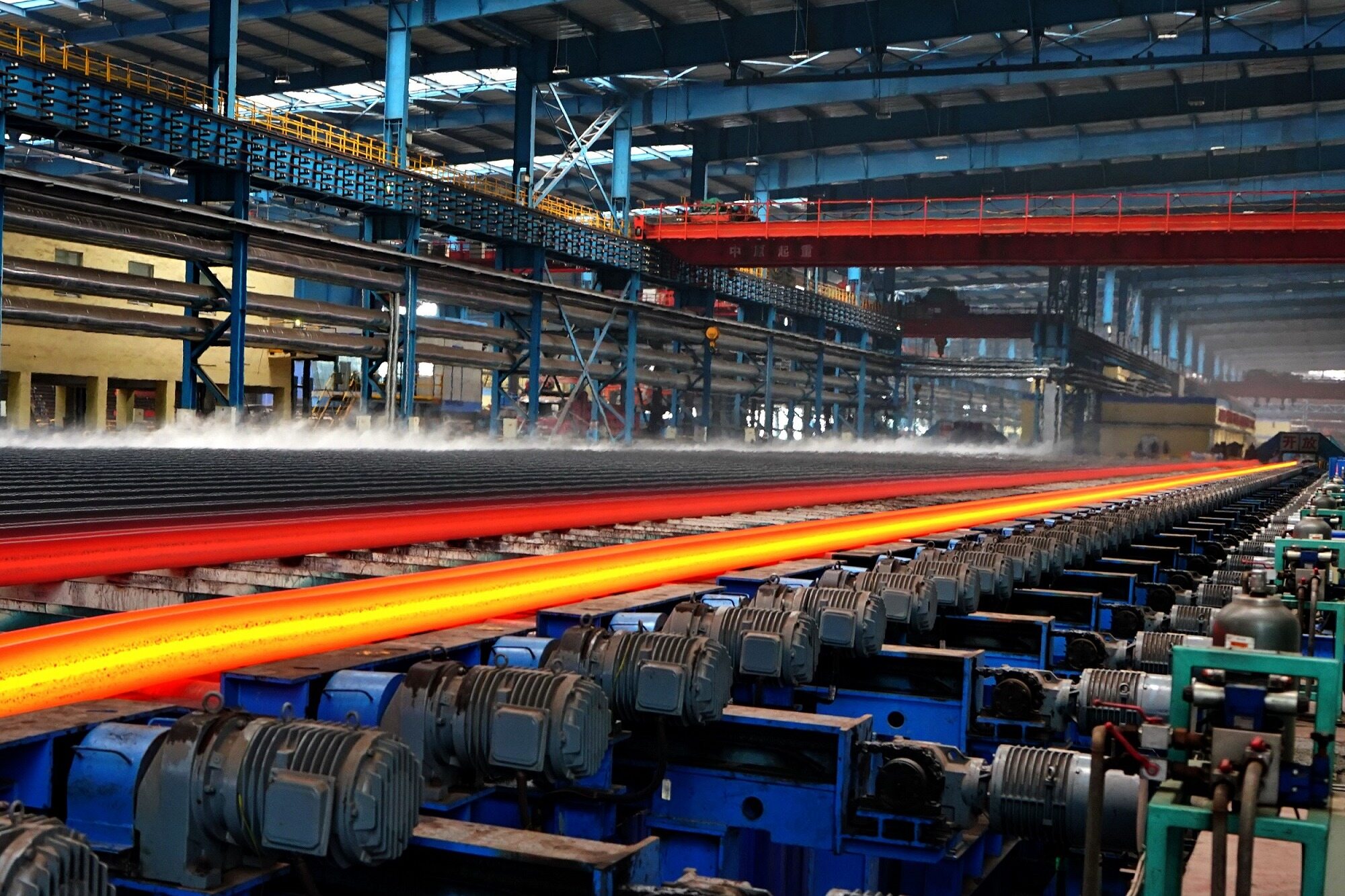
The cold wind from St. Petersburg seems to have blown into the bones of the Russian steel industry earlier than usual. When Aleksey Mordashov, the controlling shareholder of Severstal, examined the latest financial statements, a glaring number appeared before him: the company's cash flow had turned from positive to negative. This is not an isolated case, but a long winter that the entire Russian heavy industry is experiencing. In order to survive, the head of one of the four major steel giants in Russia has to wield the blade of cost cutting again.
Investment plan further reduced
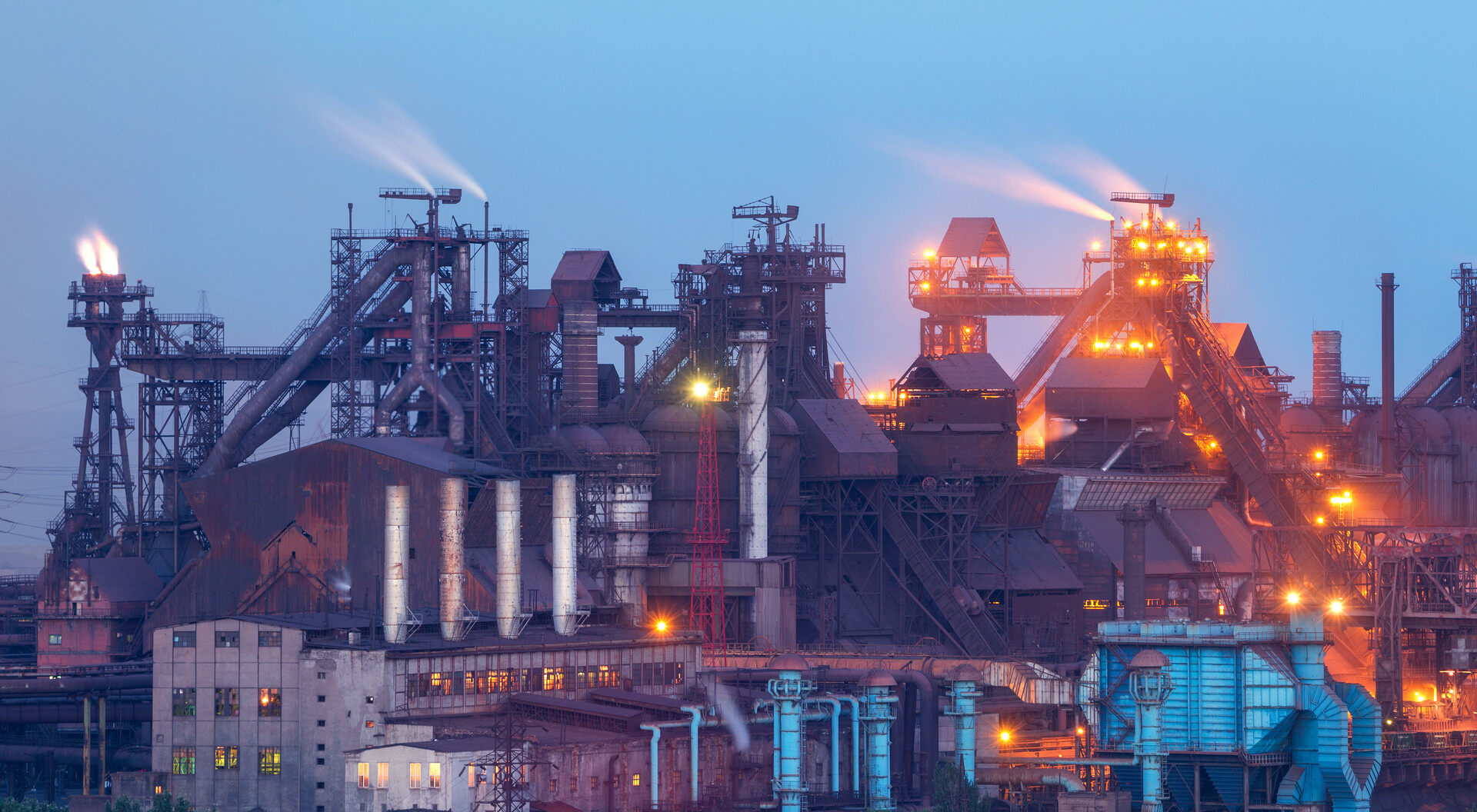
Severstal Steel is brewing a more aggressive tightening plan. The company has set its investment budget for 2027 at approximately 85 billion rubles, equivalent to only around 1.1 billion US dollars. Compared to the previous plan, this has forcibly reduced by 24%. This is not a temporary idea. As early as March this year, the company had already launched a defensive posture, reducing its capital expenditure for 2026 from 147 billion rubles to 112 billion rubles, a decrease of 24%. The management has clearly stated that the core purpose of all adjustments is only one: to ensure that free cash flow remains positive. Although the final plan will not be finalized until the end of 2026, the current trend is very clear - tighten your belt and live your life.
Demand collapses by 30%
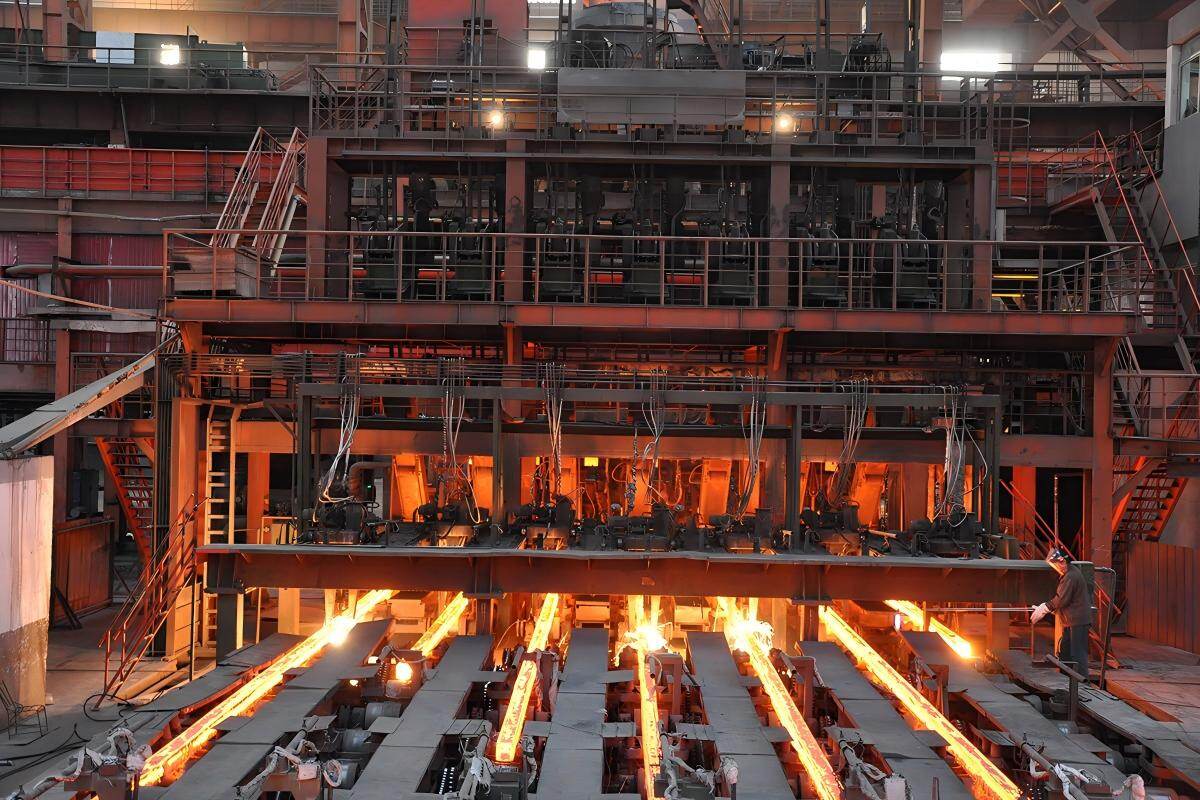
Why is it so urgent? The root cause lies in the continuous freezing of downstream markets. Data shows that the domestic demand for steel in Russia has dropped significantly by about 30% compared to the level in 2023. The once thriving construction sites have fallen silent, and industries such as energy, automotive, and machinery manufacturing have also slowed down due to high interest rates. Enterprises have postponed new projects, resulting in a 14% year-on-year decline in national steel consumption last year. Severstal Steel predicts that this downturn will continue this year, with domestic demand potentially falling further by 7% to 9%. In the current situation where end users are holding onto their wallets tightly, expanding production means greater inventory pressure and capital occupation, and reducing investment has become the only rational choice.
Survival strategies in the cold winter
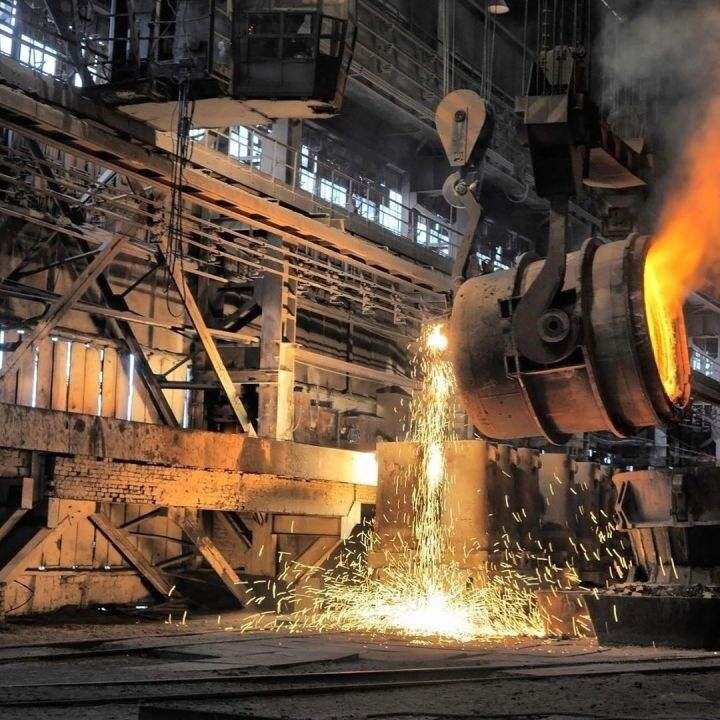
In the context of ongoing Western sanctions and high domestic financing costs, the Russian steel industry is collectively entering a defensive cycle. For Severstal Steel, despite the overall budget tightening, not all projects are facing shutdowns. The company stated that it will focus its limited funds on advancing core strategic projects while comprehensively strengthening cash flow management. This is not only Shevel's tactical adjustment, but also a microcosm of the entire Russian heavy industry in adversity. In the expectation that the industry's prosperity will not significantly recover in the short term, whoever can better control costs and stabilize cash flow will be able to endure this long winter to the end.Editor/Yang Meiling
Comment



 Praise
 Collect
 Comment

 Share
Share


Write something~