 Search


- Qingyang directly converts the scenic resources of the Loess Plateau into high value-added green computing power
Qingyang, located at the easternmost point of Gansu, is transforming the wind blowing through the mountains and the light shining on the loess slopes into digital computing power flowing throughout the country. Relying on the national strategy of East Digital West Computing, the local area is promoting a symbiotic model of computing and electronics, which has already achieved a differentiated speed of integration between green electricity and digital industries in the western region.
Unlike other computing hubs that rely solely on low-priced electricity to attract projects, Qingyang has deeply linked its wind and solar resources with its computing power layout from the beginning, creating a completely different industrial landing logic.
The core power grid project will be put into operation in September, laying a solid foundation for computing power
The current Qingyang Deshang 330 kV power transmission and transformation project is in the final stage of equipment installation and commissioning, and is expected to be completed and put into operation by September 2026. This line is a key supporting power grid project for the Qingyang Industrial Park, which will directly connect the wind and solar power stations to the data center after operation. The power supply reliability of the park's computing power cluster will be improved to 99.99%.
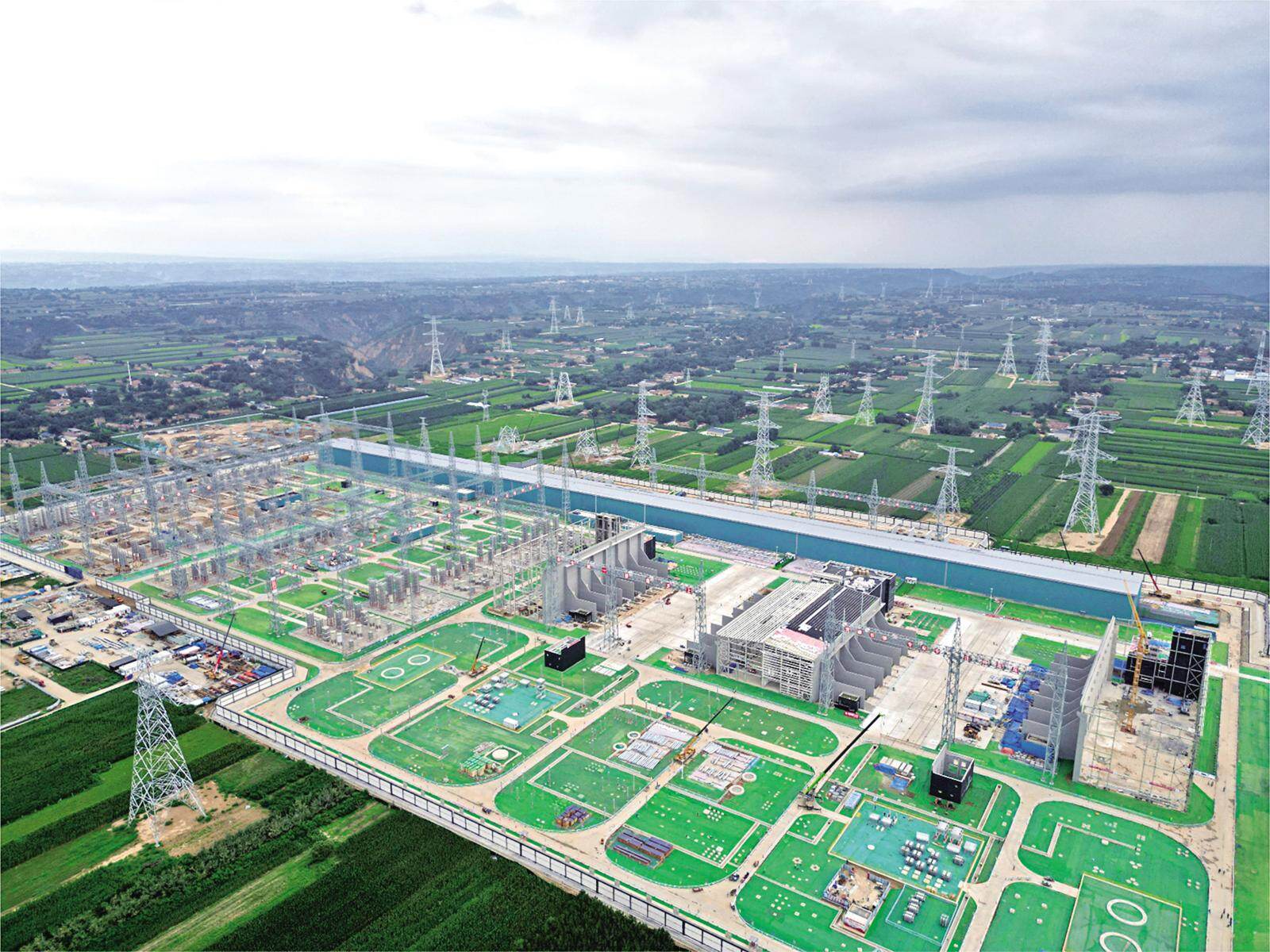
Relying on this power grid system, the local area can flexibly dispatch wind and solar power and supporting energy storage resources, and minimize the fluctuations in green power supply caused by day and night weather changes, ensuring that the proportion of green power usage in data centers remains stable at over 90%.
Green computing power model forms differentiated competitive barriers
In the first half of 2026, the scale of newly put into operation computing power in Qingyang exceeded 120000 standard racks, with a year-on-year growth rate of over 75%. The energy consumption per unit output value of the computing power industry was 42% lower than the national average level.
This model of converting intermittent green electricity that cannot be exported locally into high value-added computing products directly in the local area not only avoids the homogeneous competition of computing power in the eastern region, but also solves the loss bottleneck of long-distance transmission of wind and solar power in the western region.Editor/Cheng Liting
Comment





 Praise
 Collect
 Comment

 Share
Share


Write something~