 Search


- Kyrgyzstan will implement a new policy for nationwide rooftop photovoltaics in July 2026
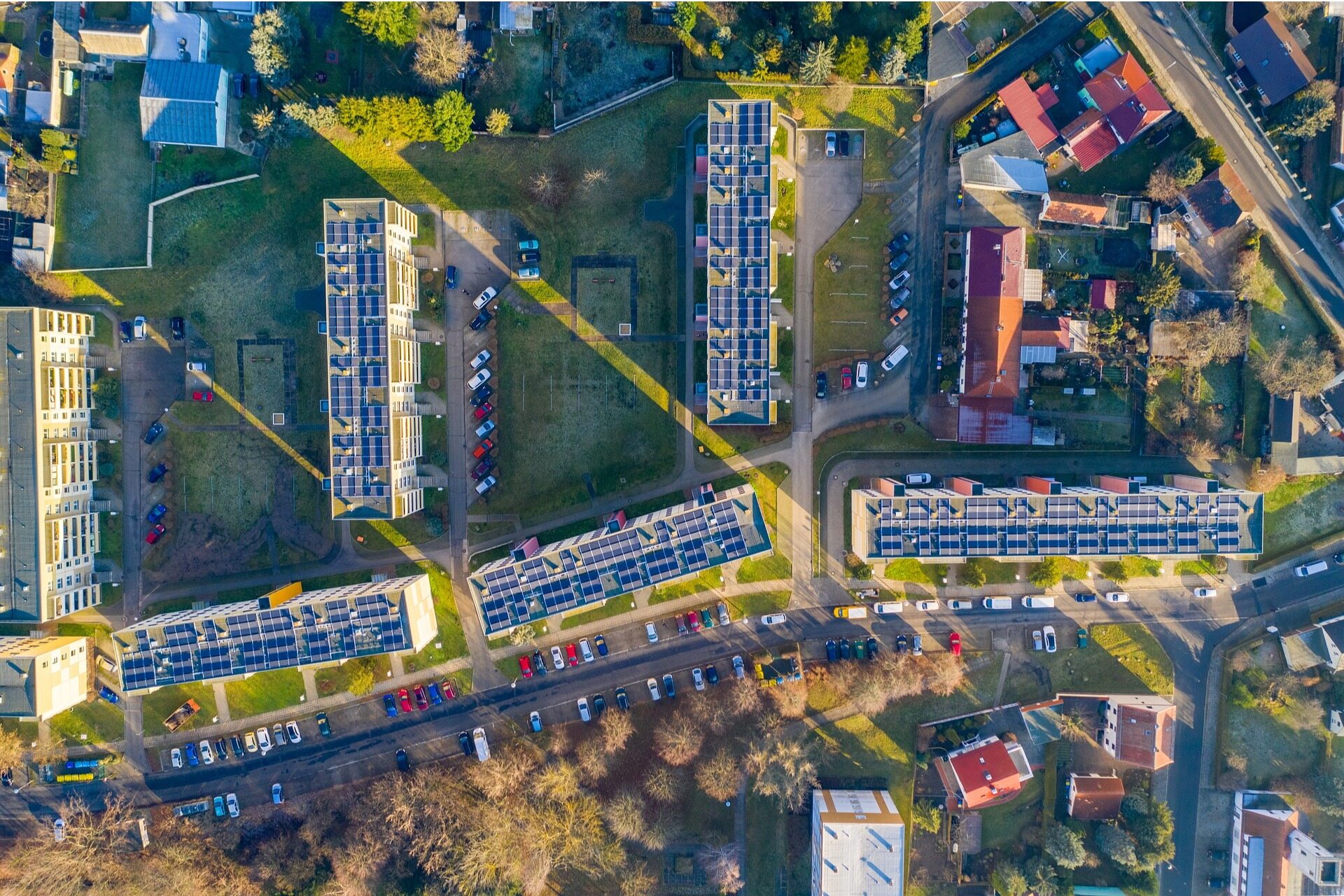
In order to reduce dependence on external electricity and smooth out the peak electricity demand gap, the Ministry of Energy of Kyrgyzstan officially launched a nationwide rooftop photovoltaic benefit policy in July 2026, directly lowering the participation threshold of distributed energy to the reach of ordinary households. This measure is rapidly activating idle civilian resources and building a distributed green supply network for national energy security.

Relaxing the entire process below 15 kilowatts and clearing obstacles to private participation
The policy specifies that all households can independently install rooftop photovoltaic systems with a maximum capacity of 15 kilowatts. Equipment below this capacity is completely exempt from power generation permits when selling electricity to the grid, and only requires obtaining a regular urban building permit to land, without being included in the national engineering registration book. The supporting regulations require the system to meet safety standards such as withstanding a wind speed of 45 meters per second and reserving a fire separation distance of 1.2 meters. At the same time, it is mandatory to configure energy storage units with a capacity not less than 30% of the installed capacity to ensure grid stability.
The Ministry of Energy has promised to fully acquire surplus electricity beyond household use, with no additional threshold for grid settlement. A single household 15 kW system can output up to 5 kW of stable green electricity to generate revenue.
Nationwide distributed layout to supplement national energy transformation
This policy is a key implementation action of Kyrgyzstan's renewable energy development plan from 2025 to 2030. Previously, the local government had required new residential buildings to pre install photovoltaic facilities on at least 50% of vacant roofs. Keywords: Central Asia new energy, rooftop photovoltaics
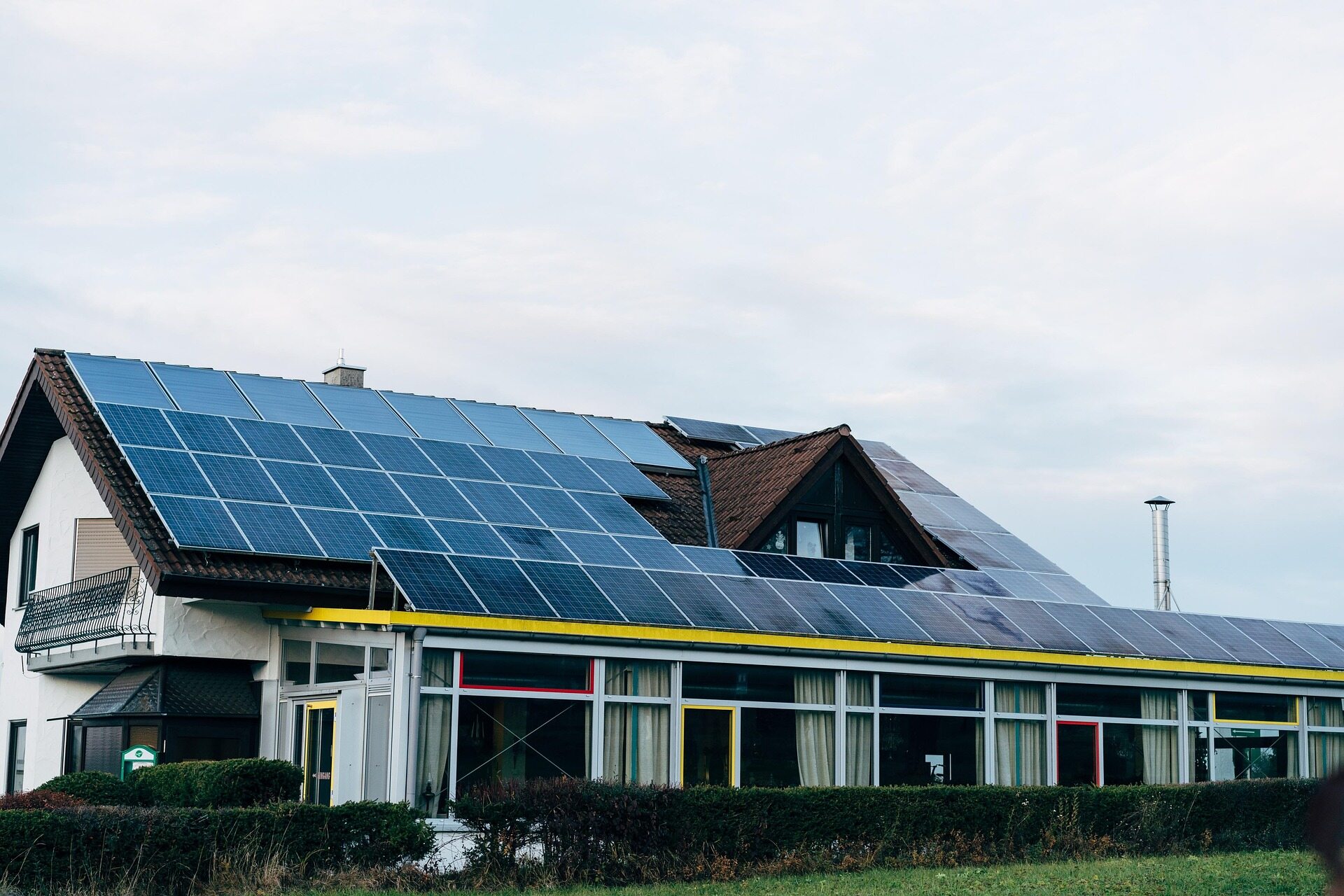
With the release of civilian installation demand, it is expected that by the end of 2027, more than 30000 households of distributed photovoltaics will be added nationwide, with a total installed capacity exceeding 450000 kilowatts, which can reduce carbon emissions from fossil fuel power generation by about 120000 tons per year. This nationwide energy popularization campaign is building a more resilient local power supply system for Kyrgyzstan and providing a reference path for Central Asian countries to promote the transformation of distributed energy.Editor/Cheng Liting
Comment






 Praise
 Collect
 Comment

 Share
Share


Write something~