 Search


- Namibia accelerates the construction of a green hydrogen hub in Africa, providing a new pivot for China's new energy to go global
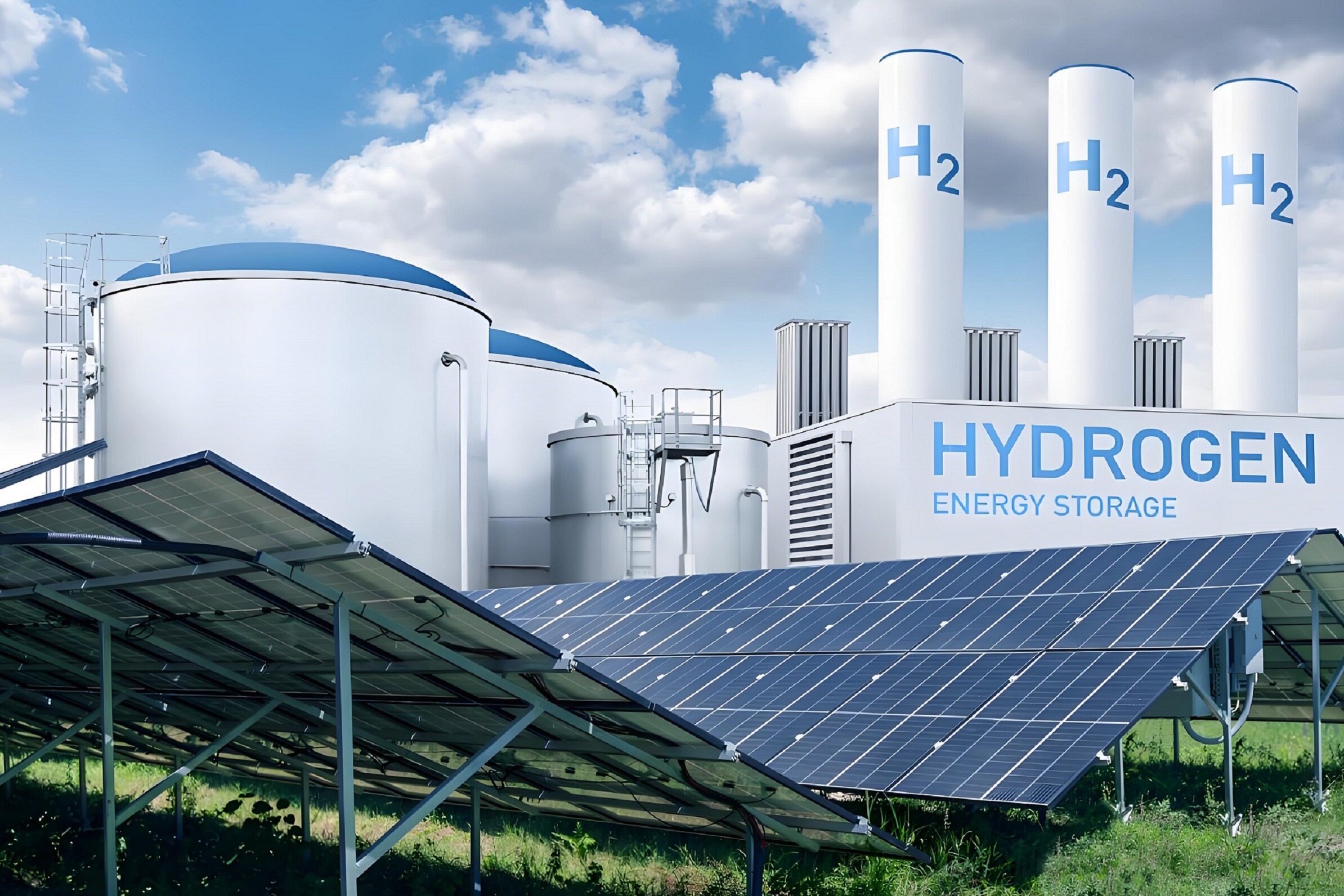
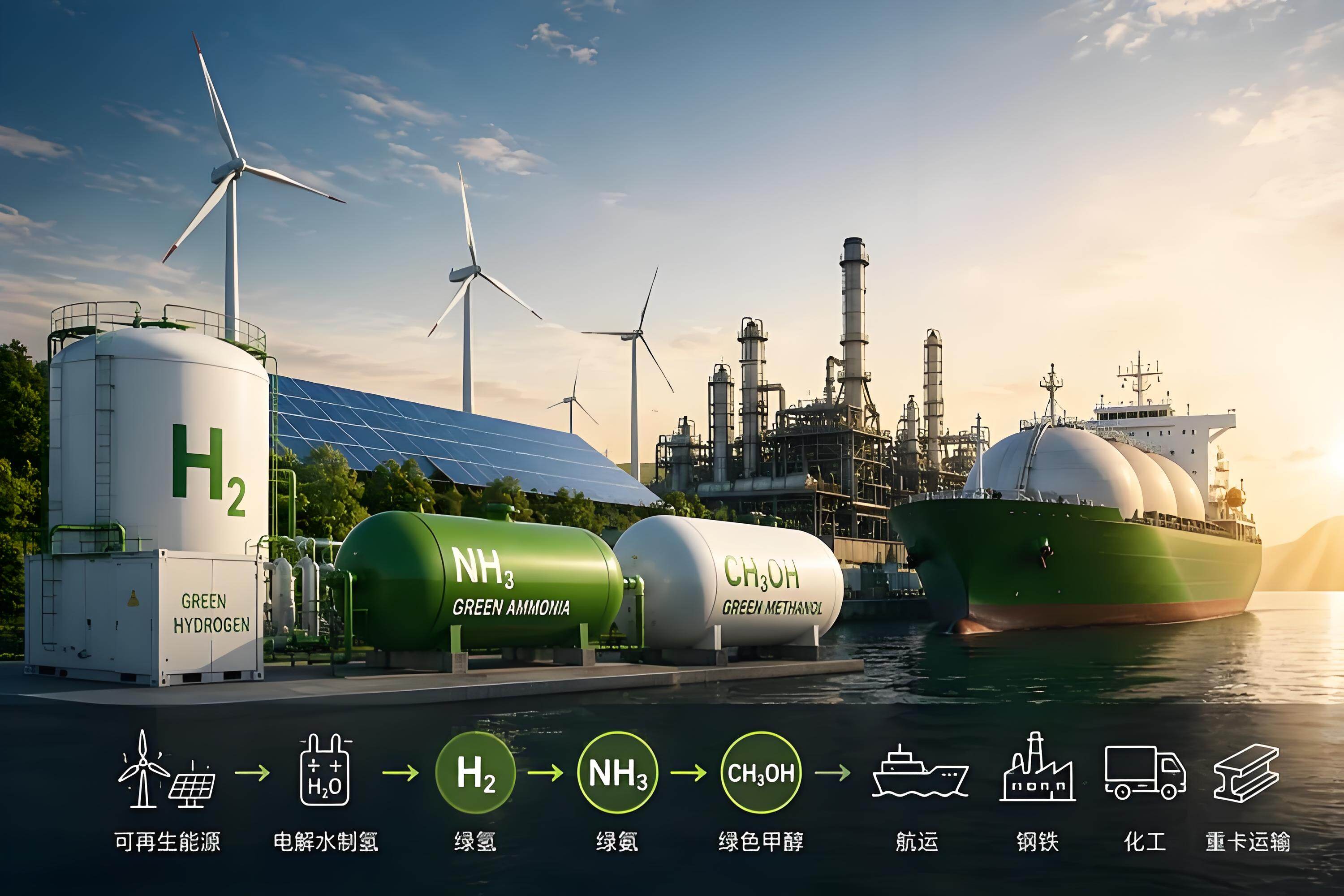
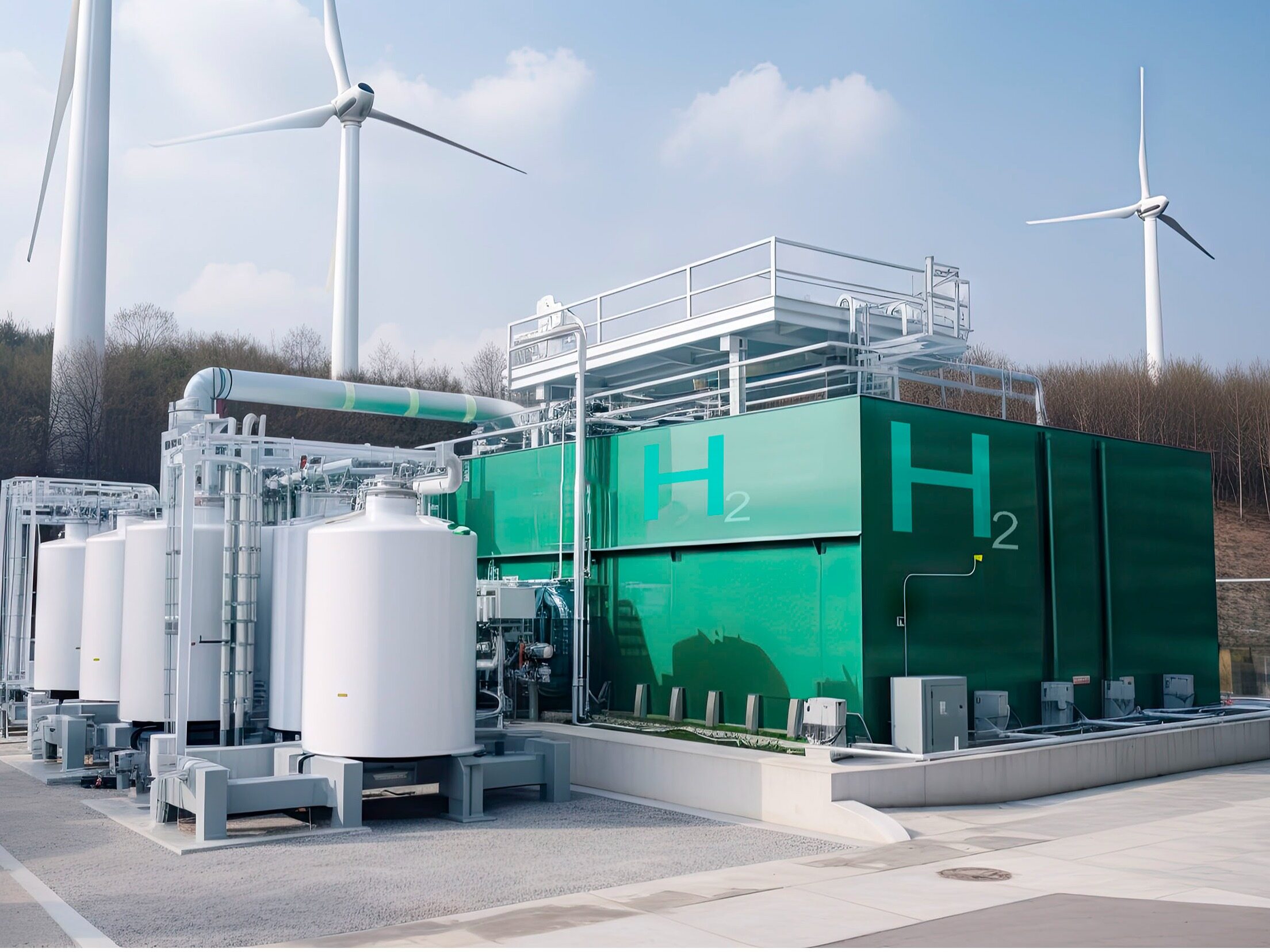
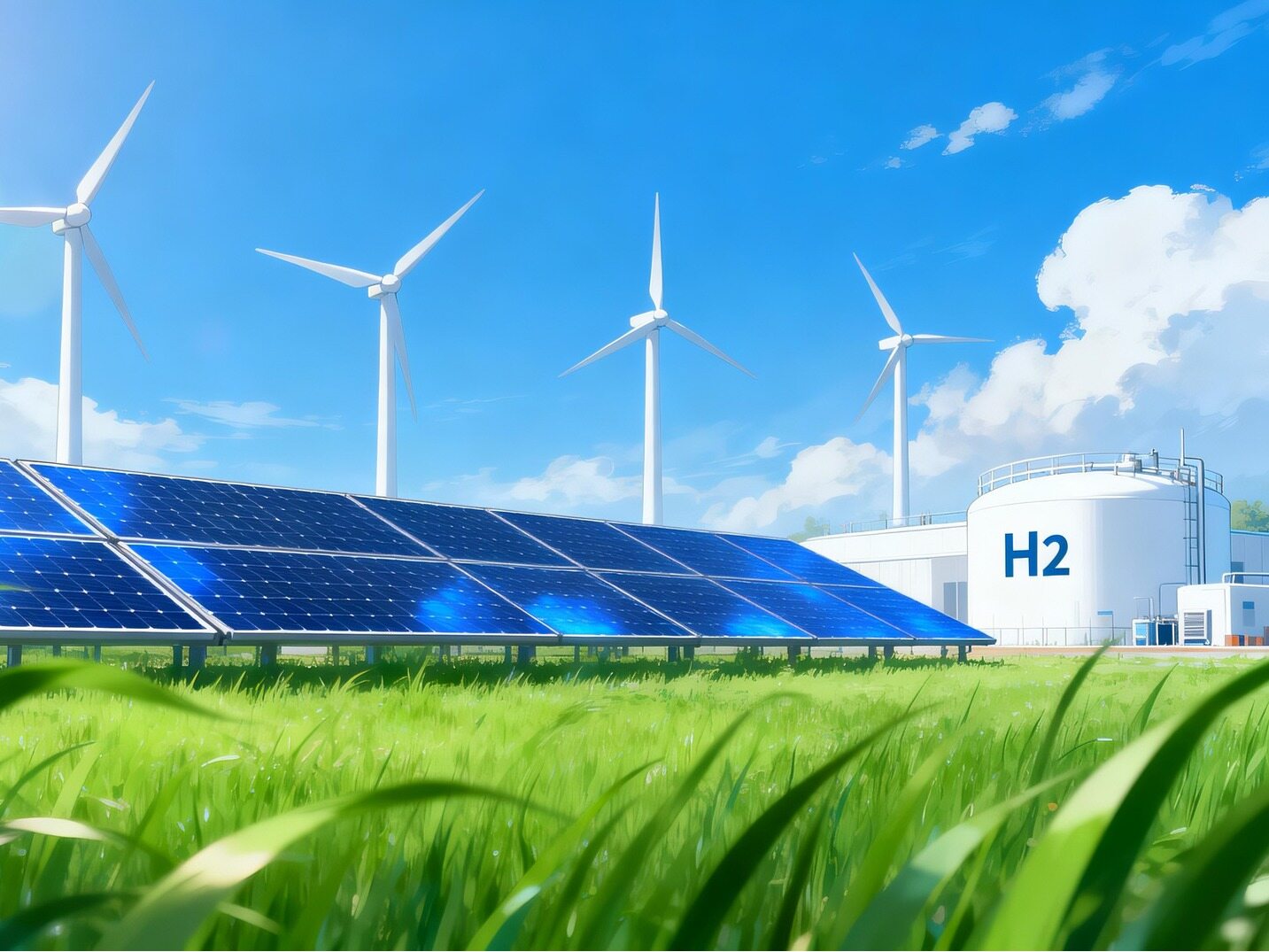
In the desert area of southern Namibia, which borders the Atlantic Ocean, large construction machinery roars back and forth, and foundations for wind turbines are being poured. This barren land with an average annual sunshine of over 3000 hours and strong winds sweeping through all year round is about to be awakened. One of the largest green hydrogen industry bases in Africa has started construction here, with a total investment of about 10 billion US dollars. After completion, it can produce about 2 million tons of green ammonia products annually. From clean electricity to hydrogen energy to green ammonia, this industrial chain is turning deserts into new energy frontiers. Namibia takes green hydrogen as its strategic lever, accelerates the planning and layout of three hydrogen valleys, and strives to build itself into an African green hydrogen hub.
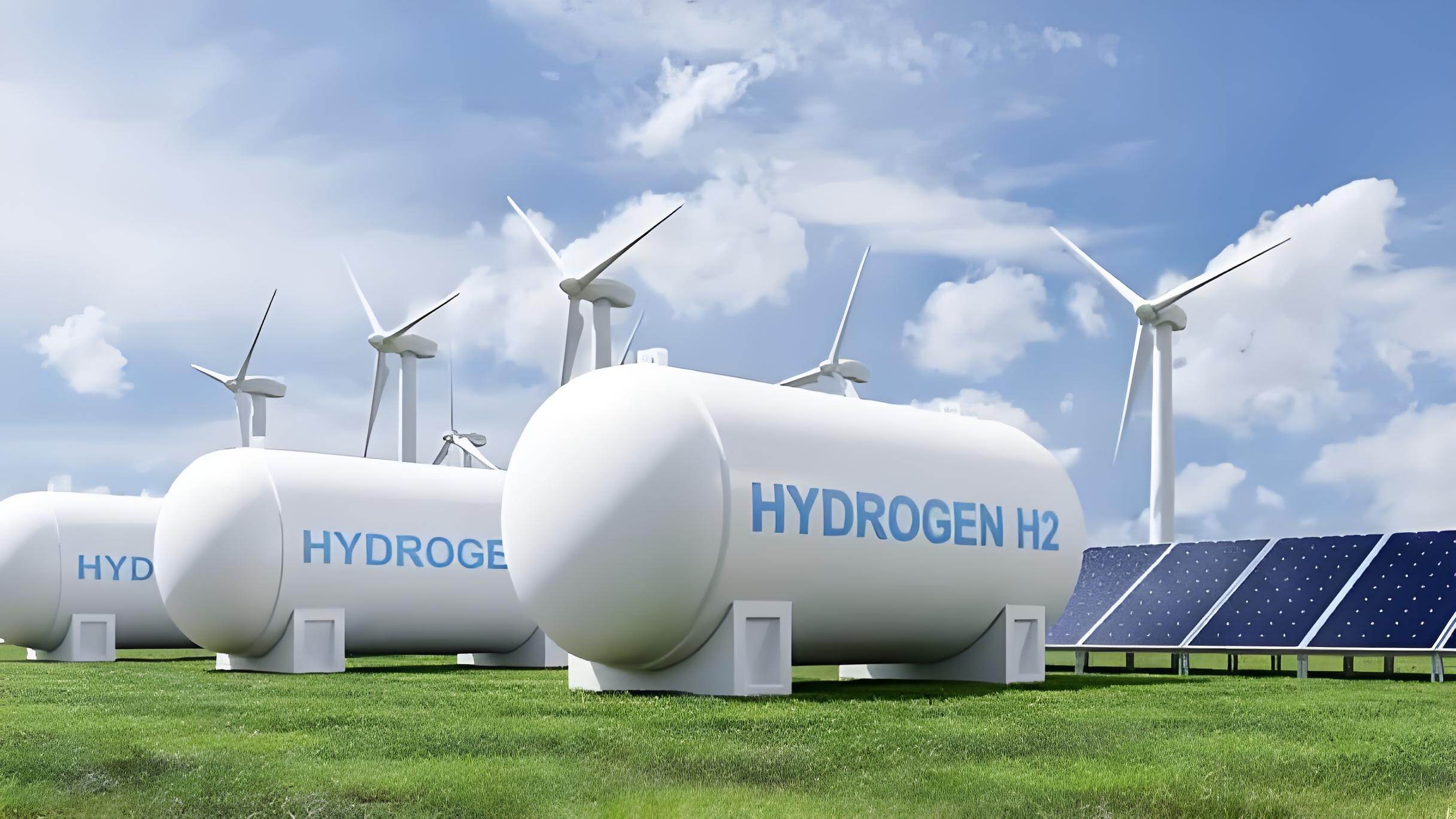
Billion dollar project drives transformation
The hydrogen valley in southern Namibia is centered around the Haifen project, relying on the construction of a green ammonia production and export base at the Port of L ü deritz, while simultaneously promoting port expansion and supporting seawater desalination facilities. The Central Hydrogen Valley relies on Whale Bay Port to focus on developing green shipping, hydrogen energy logistics, and green chemical industries. The Northern Hydrogen Valley is exploring the use of green hydrogen to produce green direct reduced iron, promoting on-site processing of iron ore and extending the green steel industry chain. During the second Global Africa Hydrogen Summit in 2025, the Namibian Green Hydrogen Commissioner stated plans to raise approximately $1.7 billion for the initiation and construction of various hydrogen energy projects, converting renewable resources into industrial productivity.
Intensive international cooperation has come to an end
The African Development Bank has approved a $10 million loan to Haifen Hydrogen Energy Company in 2025 to support the design of key facilities such as wind power, photovoltaics, electrolytic cells, and seawater desalination. The United Nations Industrial Development Organization has listed the Daures Green Hydrogen Village in Namibia as an accelerated demonstration facility project. The European Union has promised to provide 1.3 billion euros in loans and grants, and the German Federal Ministry of Research, Technology and Space has also provided assistance for the implementation of the project. In July 2025, China Chemical Engineering Seventh Construction Co., Ltd. signed a general contract with Haifen Hydrogen Energy Company for an annual output of 2.4 million tons of green ammonia plant, establishing a cross-border cooperation model of Chinese technology, African resources, and European markets. Scholars from the University of Namibia have stated that China's outstanding advantages in equipment manufacturing and large-scale deployment of renewable energy can effectively compensate for Namibia's technological and industrial shortcomings. Keywords: Hydrogen energy new energy news、New energy news
Green hydrogen reshapes the economic landscape
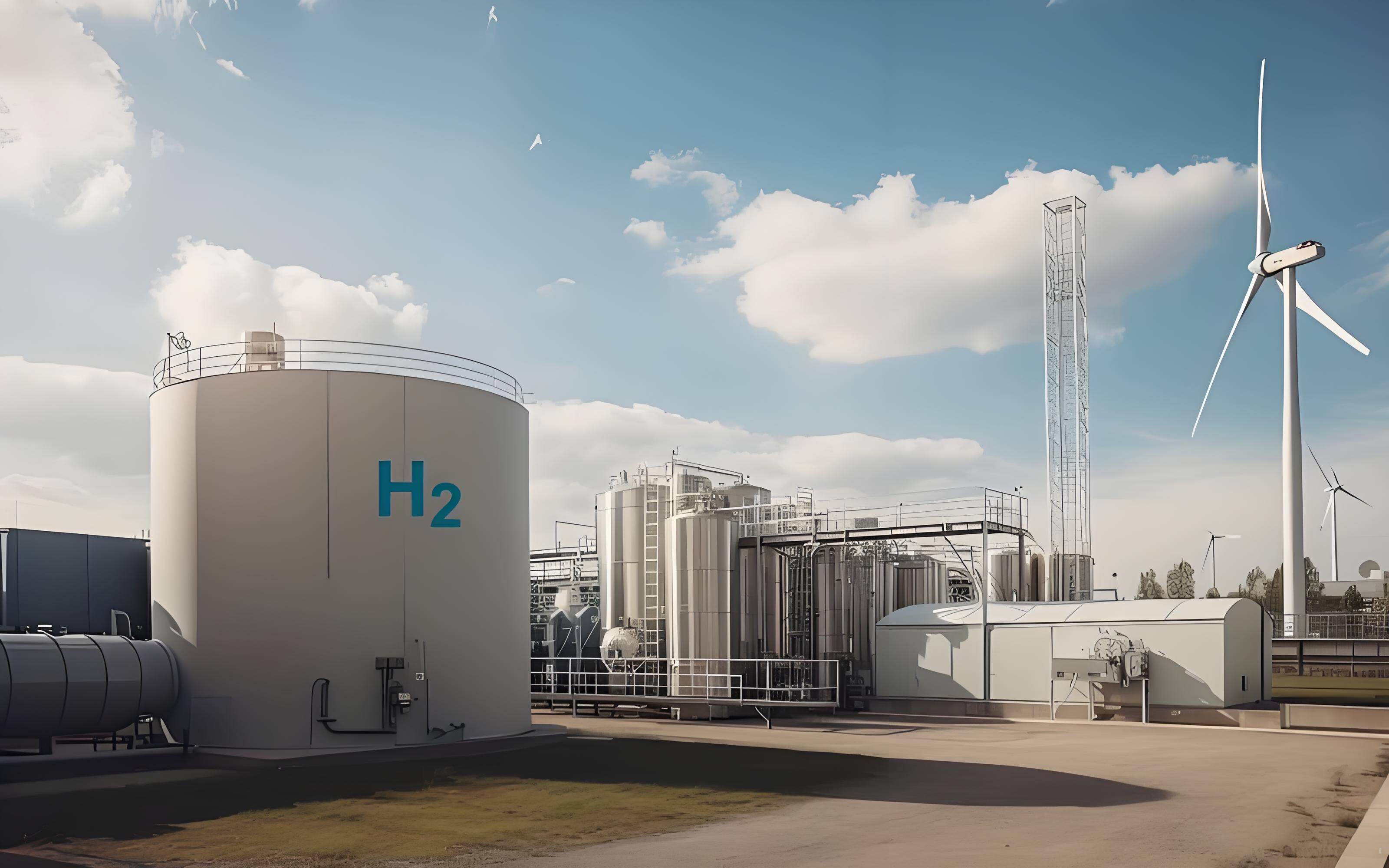
The current green hydrogen industry in Namibia still faces practical issues such as high funding demand, long infrastructure cycles, untapped international market size, and shortage of local professional talents. With the steady progress of key project construction, increasingly perfect industrial layout, and deepening multilateral cooperation, green hydrogen is gradually transforming from a single form of clean energy to a new driving force for upgrading manufacturing and promoting economic diversification. Chinese enterprises have deeply participated in fields such as wind power, photovoltaics, power equipment, and engineering construction, providing strong support for Namibia to improve its new energy industry chain. From desert to green hydrogen, from electricity exports to industrial upgrading, Namibia is writing a new script for Africa's energy transition on the green hydrogen track.Editor/Gao Xue
Comment

 Praise
 Collect
 Comment

 Share
Share


Write something~