 Search


- Continuous release of industrial economy, helping China's hydrogen energy overtake on the bend
- Pipeline hydrogen transportation fills the gaps in the industrial chain and supports the construction of a new energy system
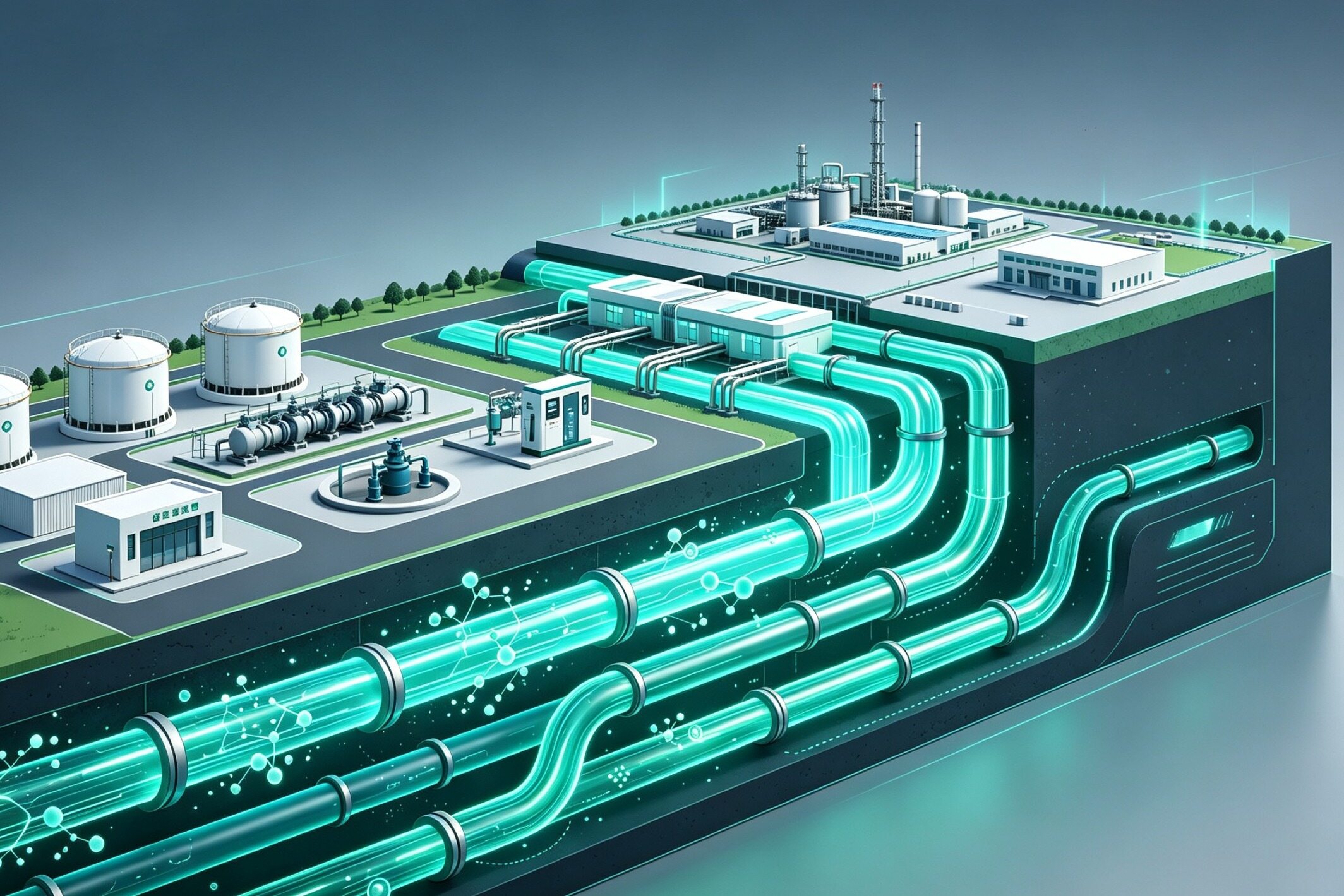
Hydrogen energy, hailed as the key to a zero carbon future, was once locked up in laboratories and demonstration areas due to its inability to be transported or sent far away. As hydrogen production technology becomes increasingly mature, the long transportation chain has become an invisible ceiling for industry growth. Now, with the opening of underground arteries and the reshaping of rules, this energy relay across mountains and seas has finally seen the dawn of the finish line.
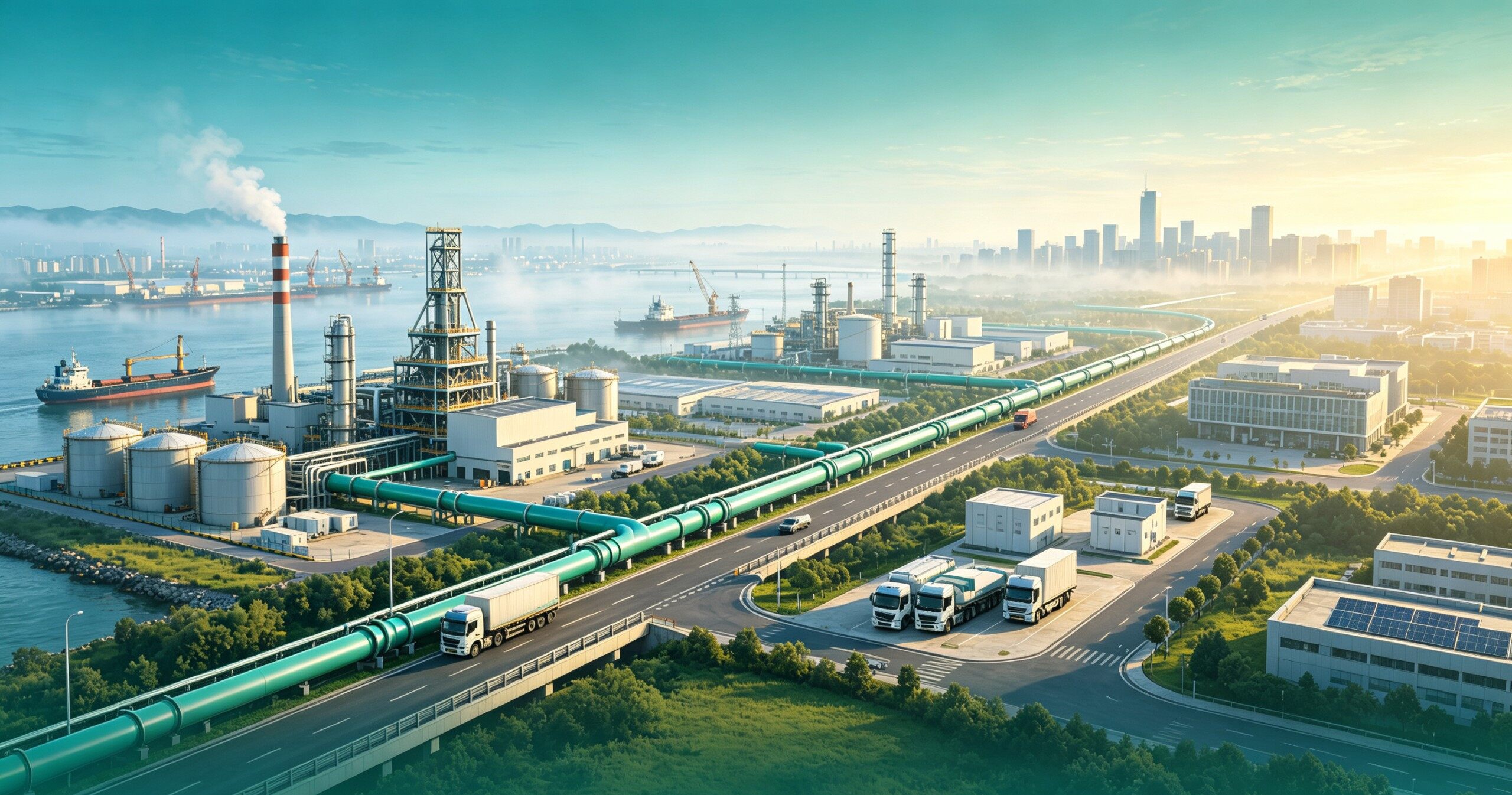
Transportation constraints on scale
Pipeline transportation is a key support for the large-scale development of hydrogen energy. China's annual hydrogen production reaches 30 million tons, but cross regional transportation construction lags behind, becoming a shortcoming in industrialization. Previously, the industry had made slow progress due to concerns about "hydrogen embrittlement". Although research has confirmed that risks are controllable under conventional pressures, the high cost of green hydrogen has led to the industry not yet forming an economic closed loop. A stable supply and demand pattern is still a prerequisite for pipeline investment.
Farewell to the blank period in the industry
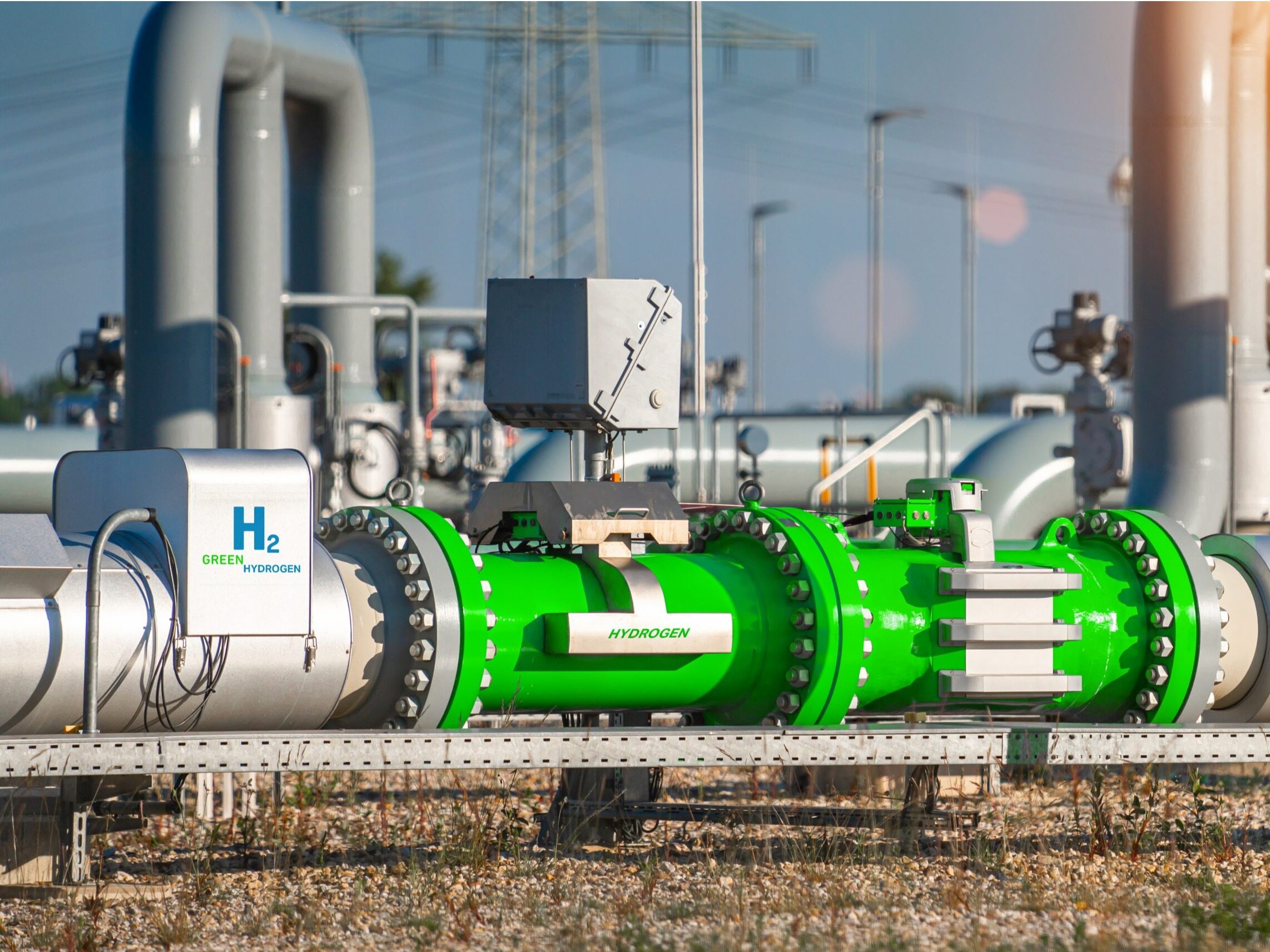
The National Pipeline Network Group has released the technology and complete set of standards for hydrogen pipeline transportation engineering, covering two major scenarios: the construction of pure hydrogen pipelines and the retrofitting of existing pipelines with hydrogen, running through the entire chain of design, construction, and operation. This marks the end of China's hydrogen pipeline transportation without standardized guidelines and the entry into a stage of standardized development, clearing institutional barriers for the nationwide pipeline network layout. After the pipeline from Inner Mongolia to Tianjin is put into operation, the terminal hydrogen price is expected to drop to 19-22 yuan/kg, and standardization will accelerate the cost reduction. Keywords: hydrogen pipeline transportation, hydrogen energy industry, green hydrogen
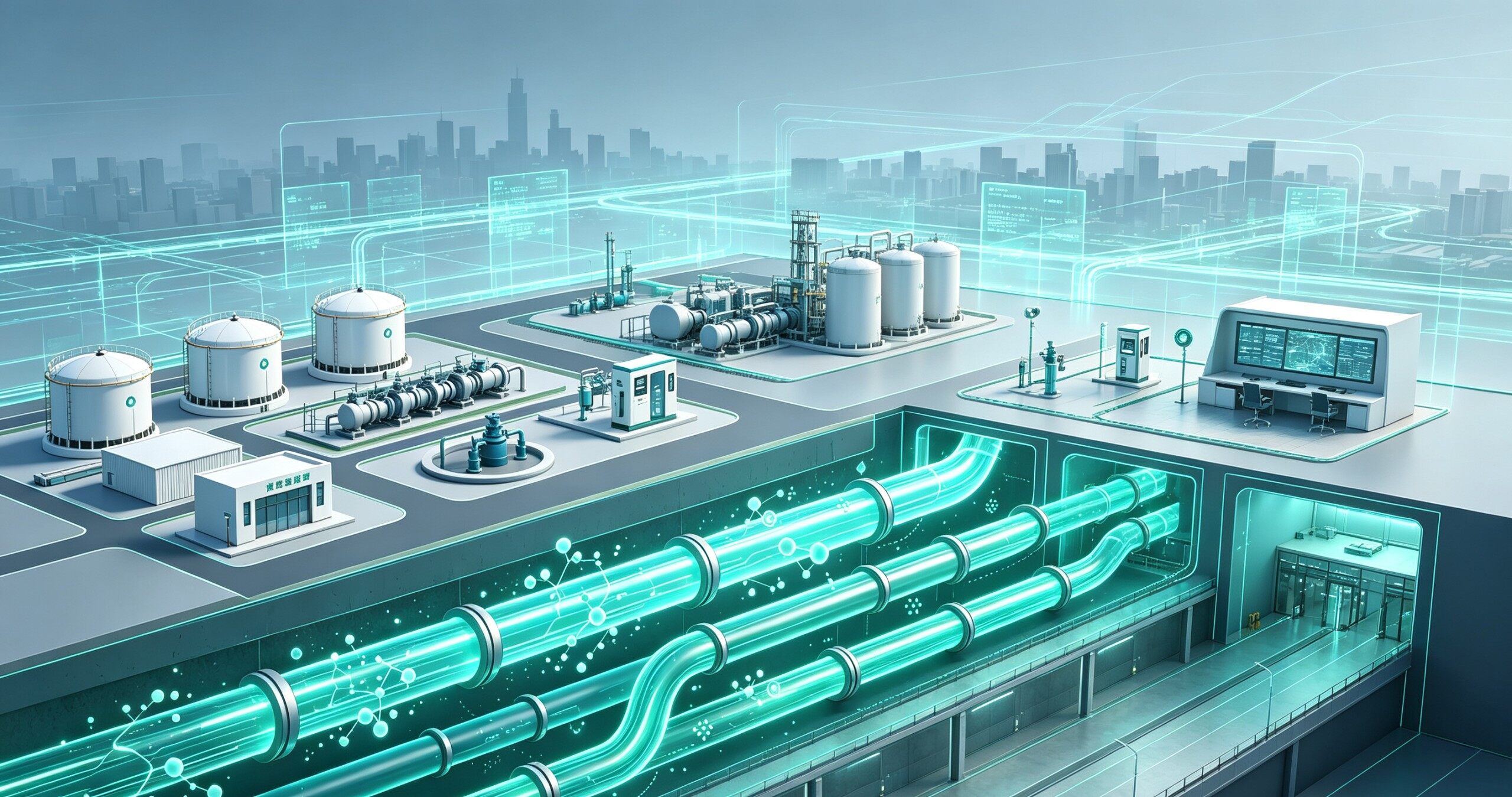
Economic advantages are gradually emerging
The construction of long-distance hydrogen pipelines in China is accelerating, and the demonstration of West East hydrogen transmission has started. The Beijing Tianjin Hebei Kangbao Caofeidian thousand kilometer pipeline is expected to be put into operation within the year, solving the mismatch between western production capacity and eastern demand. The industry suggests promoting the natural gas hydrogen blending model to dilute costs. Although global hydrogen pipeline transportation has not been widely commercialized, China is expected to lead the way with its policy and market advantages. With the advancement of industrial decarbonization, pipeline hydrogen transportation will become an important pivot for energy transformation.Editor/Gong Ziwei
Comment


 Praise
 Collect
 Comment

 Share
Share


Write something~