 Search


- Germany's PNE agricultural photovoltaic storage project in Romania has completed full approval and entered the pre construction stage
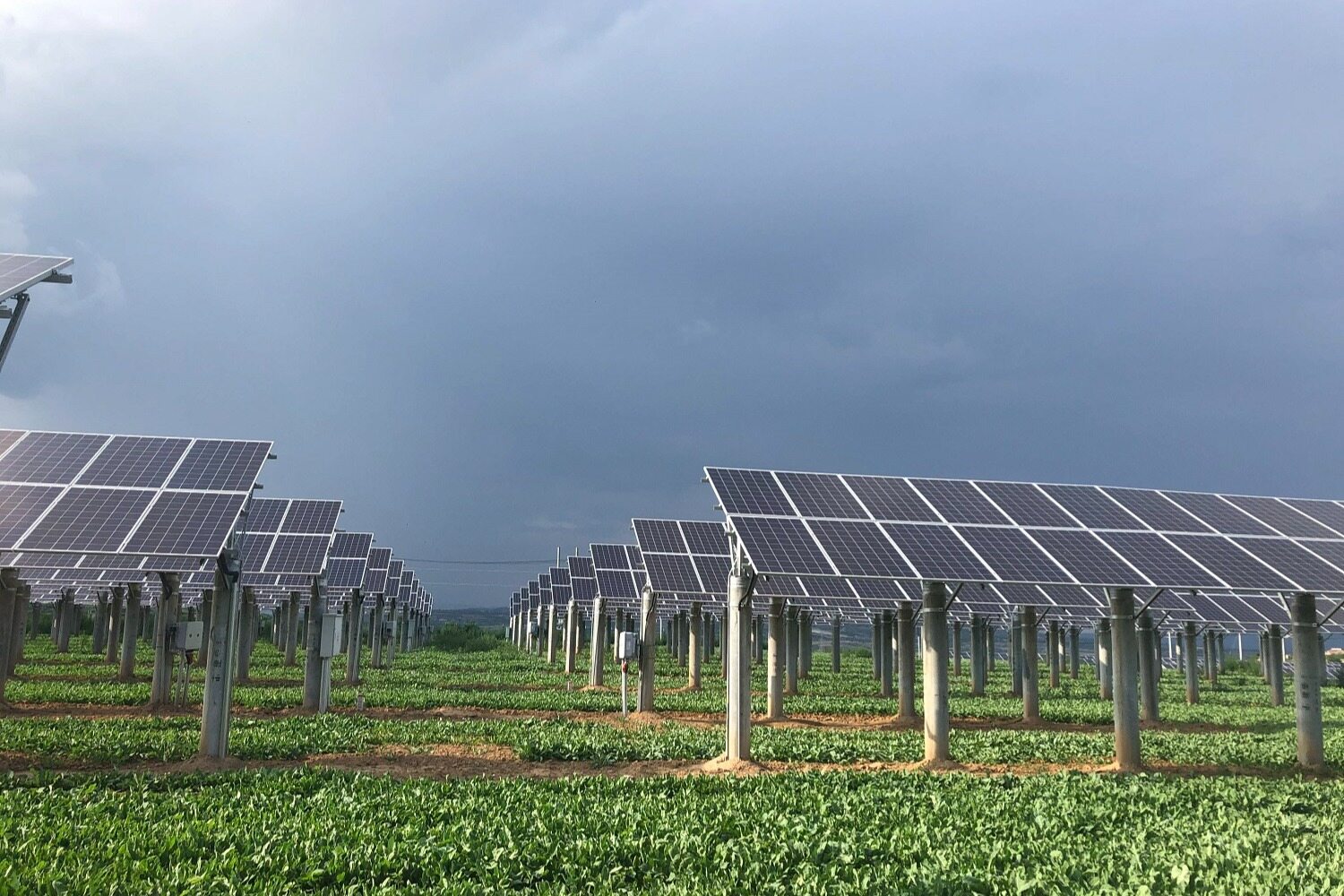
On July 9, 2026, the Romanian subsidiary of German clean energy service provider PNE announced that the 99.2MWp agricultural photovoltaic complementary project located in Bihor County had completed all pre-approval and officially entered the pre construction stage, providing a mature sample for Chinese institutions to layout in the new energy market in Eastern Europe.
Mature development corridor highlights its value
In the past two years, the project team has completed a total of 64 preliminary documents, including technical feasibility studies and environmental impact assessments, and successfully secured the qualification to connect to the 110kV high-voltage power grid. Within a 40 kilometer radius of the project, there are already 80MW level power stations put into operation by the same group. The power grid consumption capacity and local approval boundaries in the area have been verified by leading developers. These mature corridor assets, which have been tested by the market, have much higher financing feasibility than undeveloped edge plots and can significantly reduce the administrative delay risk of Chinese investment entering the market.
Dual requirements for light storage collaborative adaptation
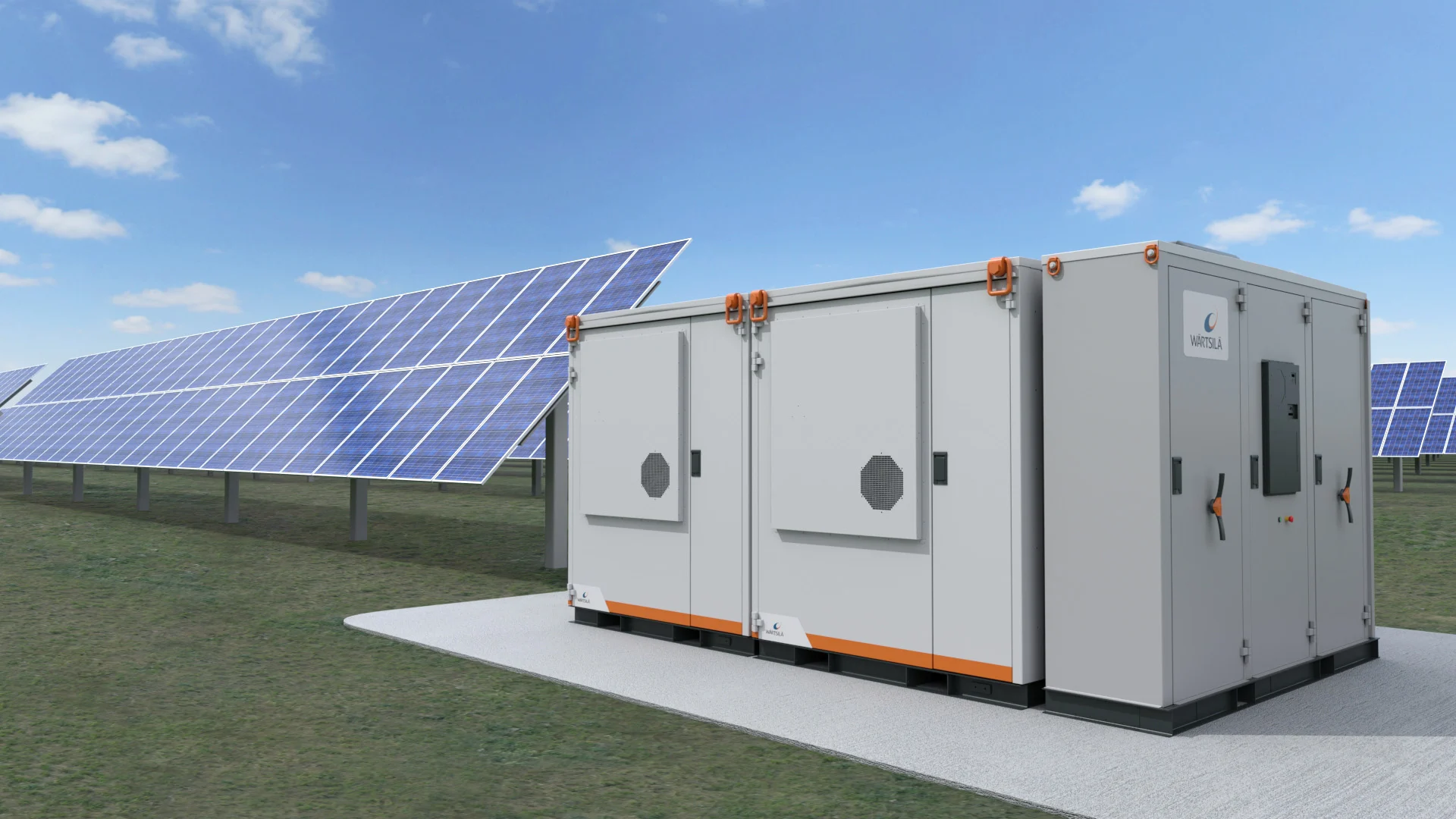
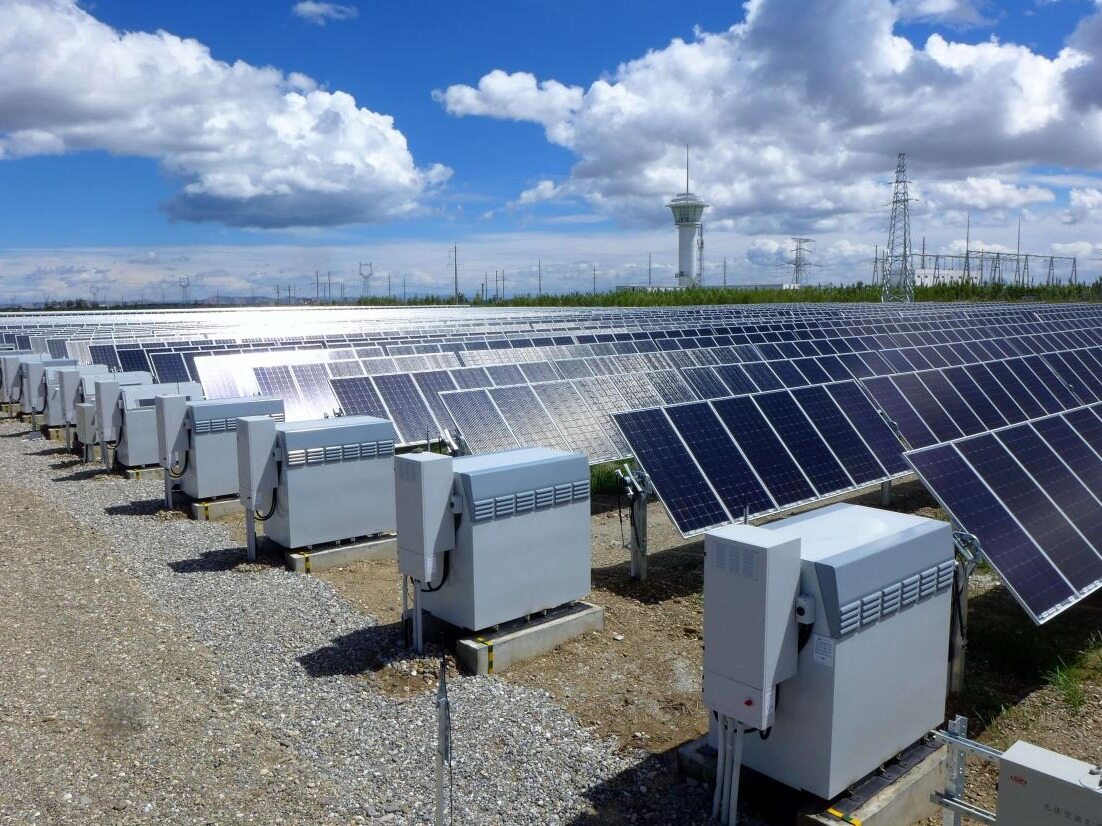
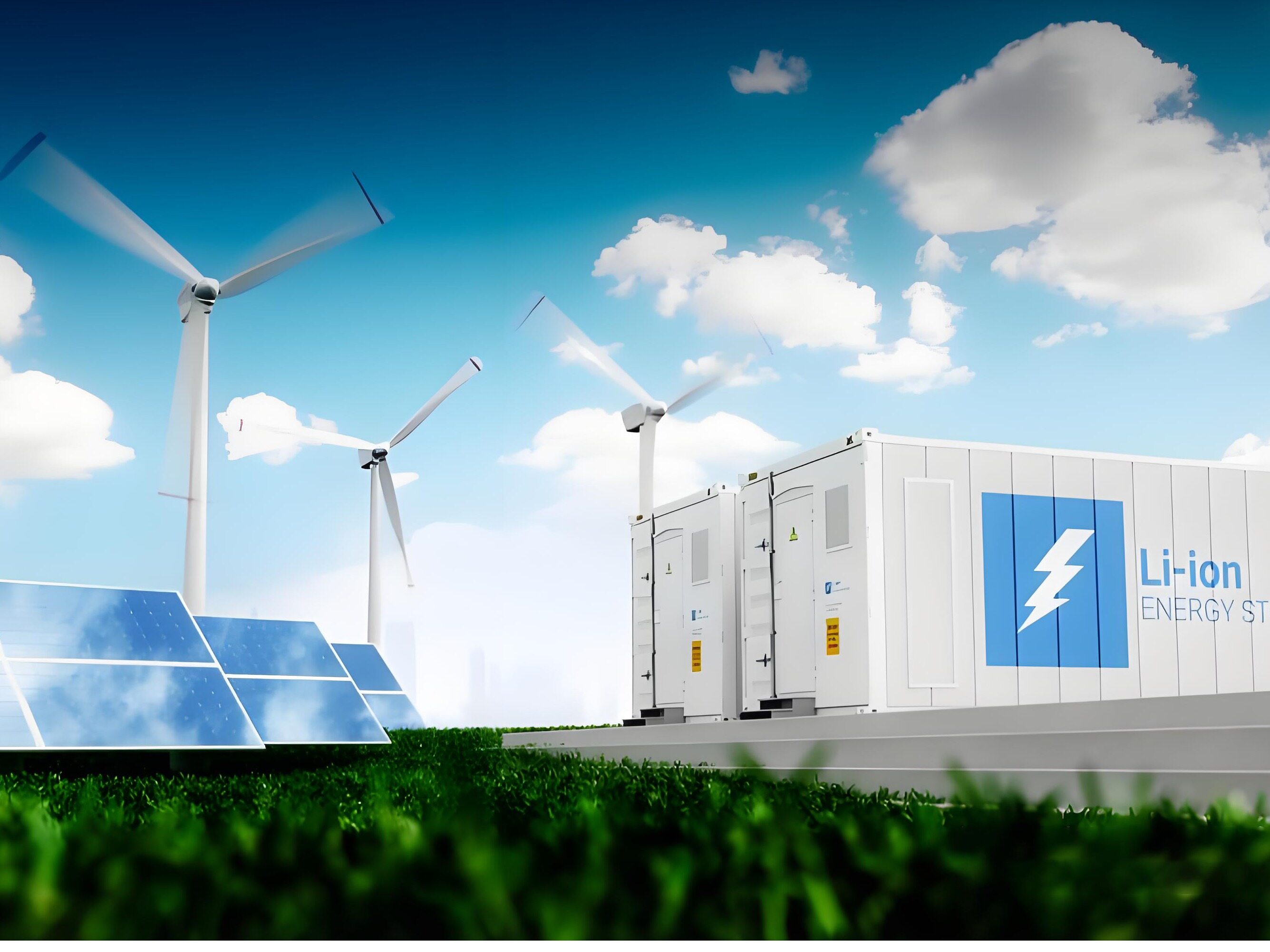
The project adopts an architecture of 99.2MWp photovoltaic with 57MWh energy storage, and the energy storage ratio fully meets the peak shaving requirements of the local power grid for newly connected projects. At the same time, it can avoid the negative electricity price risk of midday high frequency by shifting the electricity quantity, and additionally obtain auxiliary service market revenue.
This type of high proportion integrated light storage design is perfectly suited to the core needs of current European green power direct supply intelligent computing centers, and can provide stable and low fluctuation green power supply for high-density computing clusters. Keywords: agricultural photovoltaic storage, new energy projects
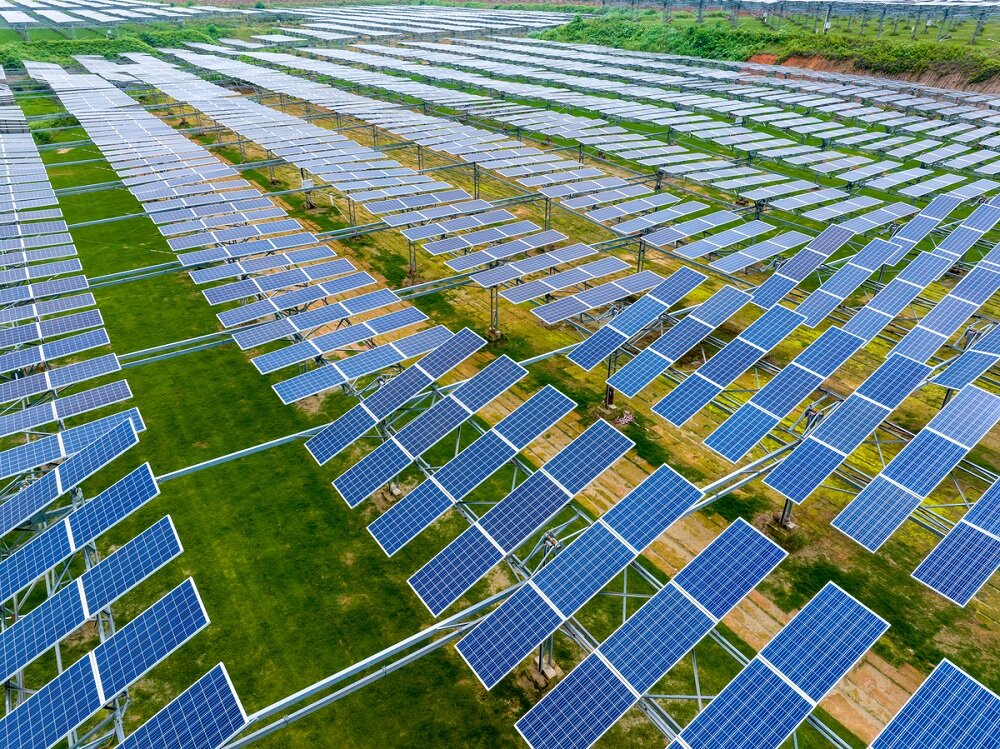
The current new energy market in Eastern Europe is rapidly transitioning towards a hard compliance stage. Chinese overseas institutions no longer need to be limited to single equipment output, but can rely on mature domestic experience in agricultural photovoltaic composite development and large-scale storage system integration, adapt to local land and power grid rules, and lock in long-term benefits in the new round of green power infrastructure construction in Central and Eastern Europe.Editor/Cheng Liting
Comment

 Praise
 Collect
 Comment

 Share
Share


Write something~