 Search


- 5 billion euros invested in Ireland, Intel bets its remaining European manufacturing focus on the recovery of demand for AI server chips

On July 13, 2026, Intel announced an additional 5 billion euros investment in the Lexlip campus in Ireland, with a focus on upgrading existing facilities and introducing advanced manufacturing equipment to expand Xeon server processor capacity. This funding accounts for approximately 30% of the company's $17 billion capital expenditure plan for 2026, with the majority expected to be implemented by the end of 2027, creating hundreds of new job opportunities.
AI driven CPU demand rebounds
The core carrier of this expansion is Fab 34 wafer fab - the only factory in Europe that produces Intel 4 and Intel 3 processes. In April of this year, Intel spent $14.2 billion to repurchase 49% of the factory's equity from Apollo Global Management, regaining full control.
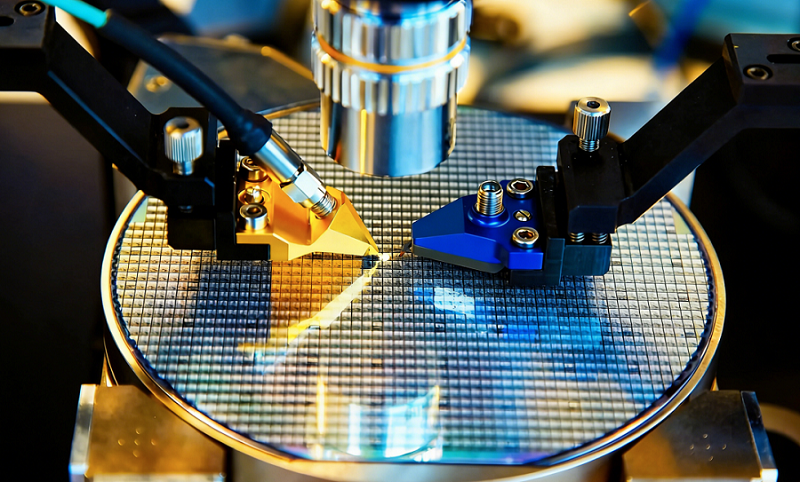
The background of this action is that the demand for server CPU driven by AI large model training and inference is recovering. According to the head of Intel's foundry business, both the Xeon 6 and next-generation Xeon processors are based on the Intel 3 process, and AI demand is significantly boosting wafer orders for this process. At the same time, the widespread use of AI intelligent agent applications has increased the role of CPUs in task scheduling and inference collaboration, with some models raising prices by about 12%.
Ireland takes the lead alone
It is worth noting that Intel cancelled its € 30 billion factory plan in Magdeburg, Germany last year, and put the construction project in Poland on hold, citing the optimization of global manufacturing layout and the improvement of capital return rate. Ireland has become its only remaining advanced manufacturing hub in Europe. Since its establishment in 1989, Intel has invested over 30 billion euros in AI and currently has approximately 4900 employees. Irish Prime Minister Michelle Martin stated that this move is a strong vote of confidence in the country's industrial foundation and talent ecosystem. Keywords: AI server chip, computing power

However, this investment is also accompanied by traces of strategic adjustments - shifting from building new factories to upgrading equipment in existing clean room spaces, with a faster landing speed, but essentially still a bet on the demand for AI computing power. The market speaks for itself with stock prices: Intel's stock price has doubled within six months, and HSBC has even raised its target price to $200. For Intel's OEM business, the extent to which the Irish card can be played depends on the progress of external customer expansion.Editor/Cheng Liting
Comment




 Praise
 Collect
 Comment

 Share
Share


Write something~