 Search


- Dual core technologies work together to effectively solve the problem of chip storage performance
- Chinese AI chips achieve architectural innovation, opening up a new independent path for computing power development
As Moore's Law approaches the physical limit, the competition for chips is shifting from a race for every inch of land at the nanoscale to a game of architecture dimension upgrading. The Chinese chip released in Shanghai no longer focuses on carving the texture of silicon wafers, but attempts to redefine the boundaries of computing power with the agility of software and the wisdom of stacking.
New domestically produced chips officially unveiled
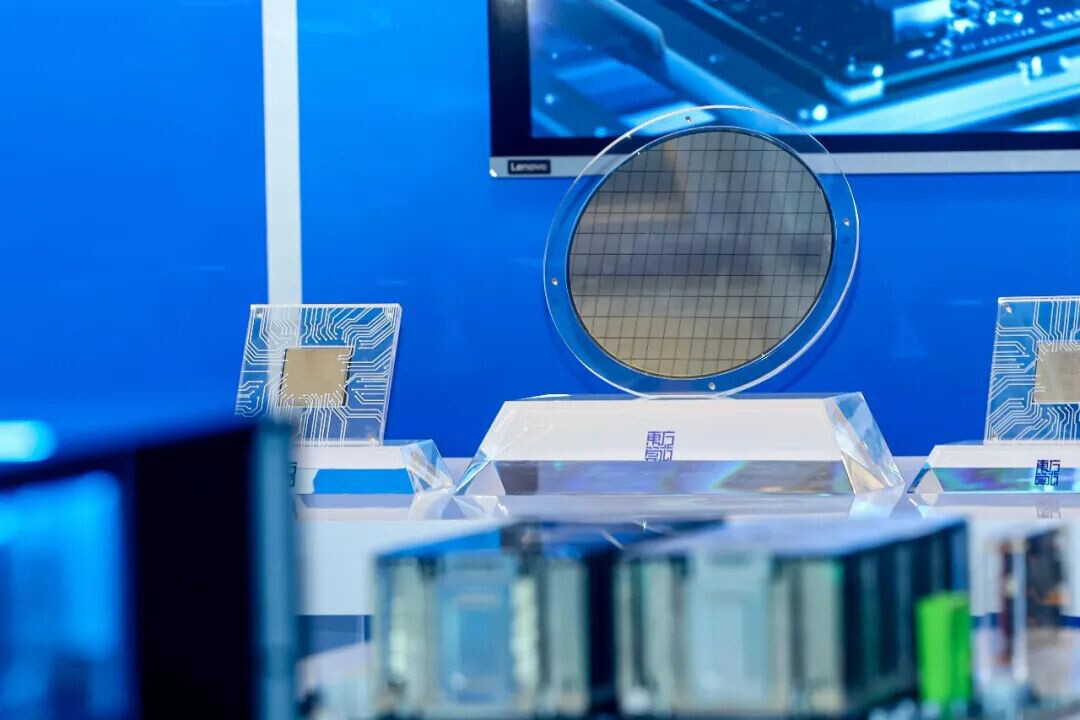
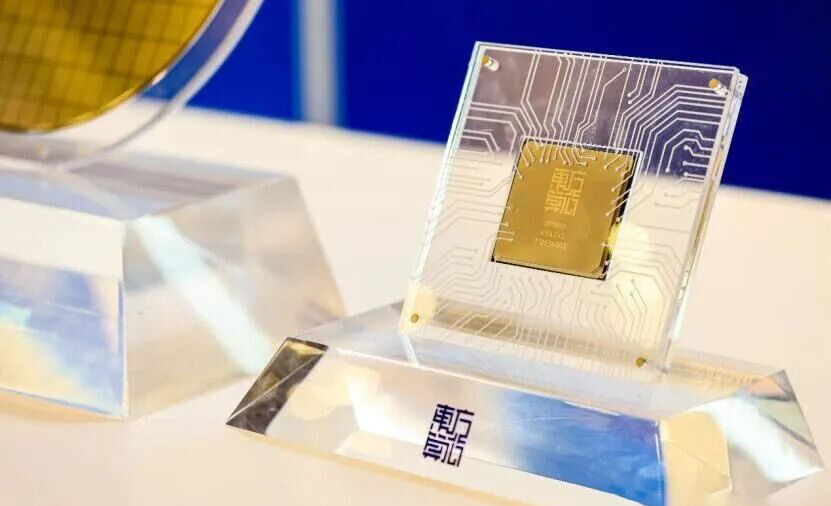
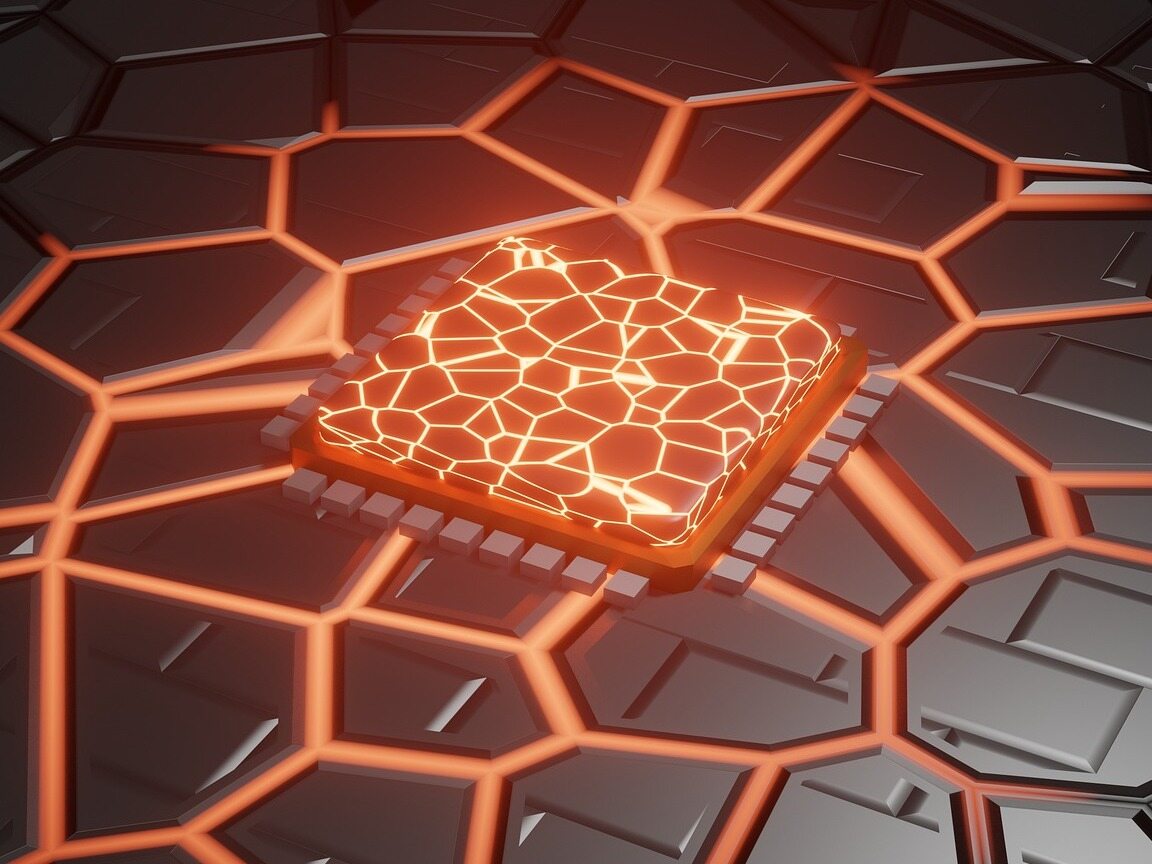
On July 13, 2026, China's first AI chip integrating software defined and 3D near memory computing technology was released to the public in Shanghai. This chip is manufactured using a 14 nanometer process and has a peak computing power of up to 520 trillion floating-point operations per second. The core advantage of chips lies in the innovation of underlying architecture, which enables the creation of high-performance computing products without relying on high-end precision processes.
Dual technology cracking of chip shortcomings
This chip integrates two core technologies to achieve performance upgrades. Software defined chip technology can flexibly allocate hardware resources based on various computing tasks, effectively improving the efficiency of computing power utilization; The three-dimensional vertical stacking process highly integrates computing and storage units, with an ultra-high memory access bandwidth of 6.4TB per second, alleviating the common storage wall problem in the chip industry from the root. This development path does not rely solely on reducing chip manufacturing processes to improve performance, and the stability of the industrial and supply chains is stronger. Keywords: AI chip, computing power, storage wall
Complete supporting facilities to support industrial development
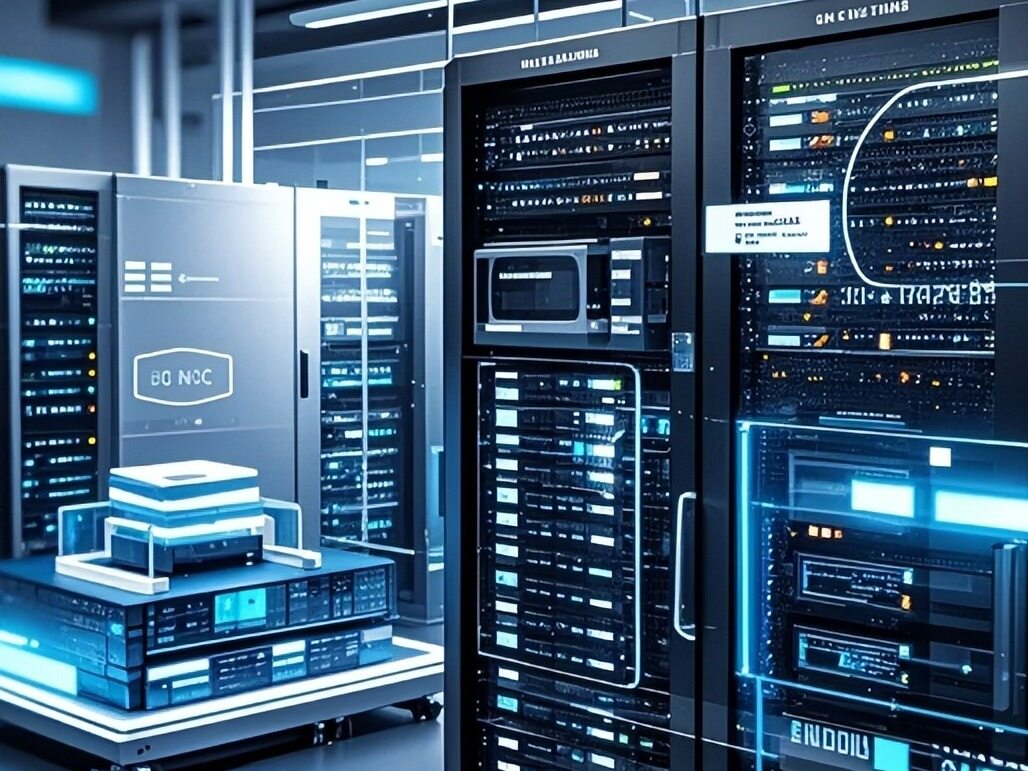
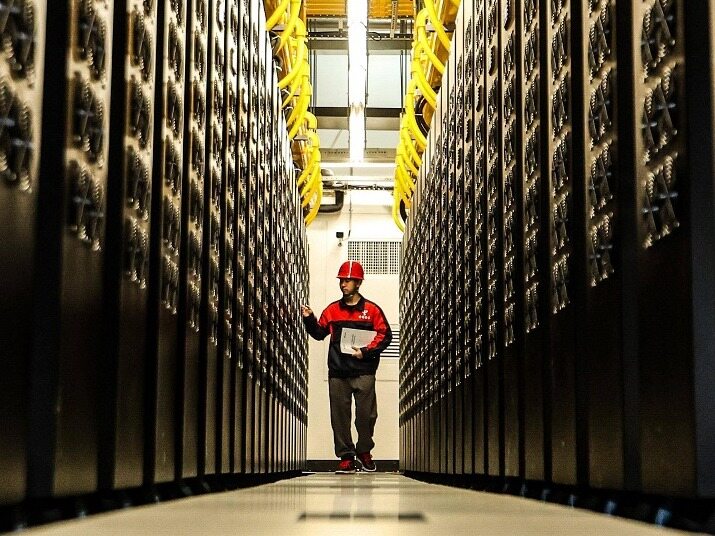
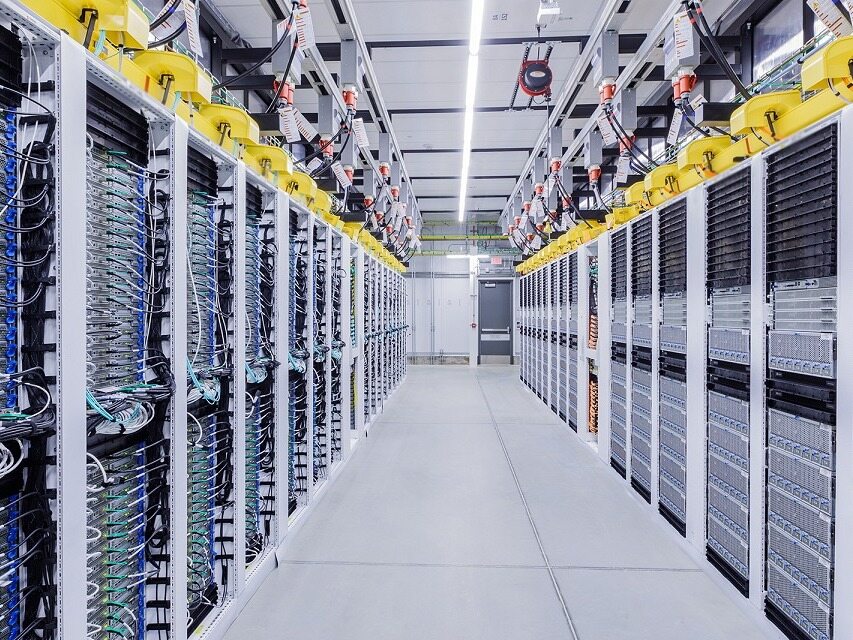
Launch a complete software toolchain that is compatible with this chip and can adapt to mainstream deep learning frameworks on the market. The related hardware products cover single acceleration cards, AI servers, liquid cooled supernodes, and large-scale intelligent computing clusters, forming a complete product system that can provide large-scale landing computing power guarantee for large model training and inference work. Industry experts say that this achievement represents China's high-end computing chips finding an independent path of architecture innovation to replace catching up with advanced processes, laying a solid foundation for the computing power of the artificial intelligence industry.Editor/Gong Ziwei
Comment


 Praise
 Collect
 Comment

 Share
Share


Write something~