 Search


- Egypt has just paid off its $6.1 billion debt to foreign oil companies and immediately launched a drilling plan for 101 wells
- Production has dropped by 40%, and imported LNG has paid a premium. Behind these figures is an urgent action by a major oil and gas country to regain the initiative in supply
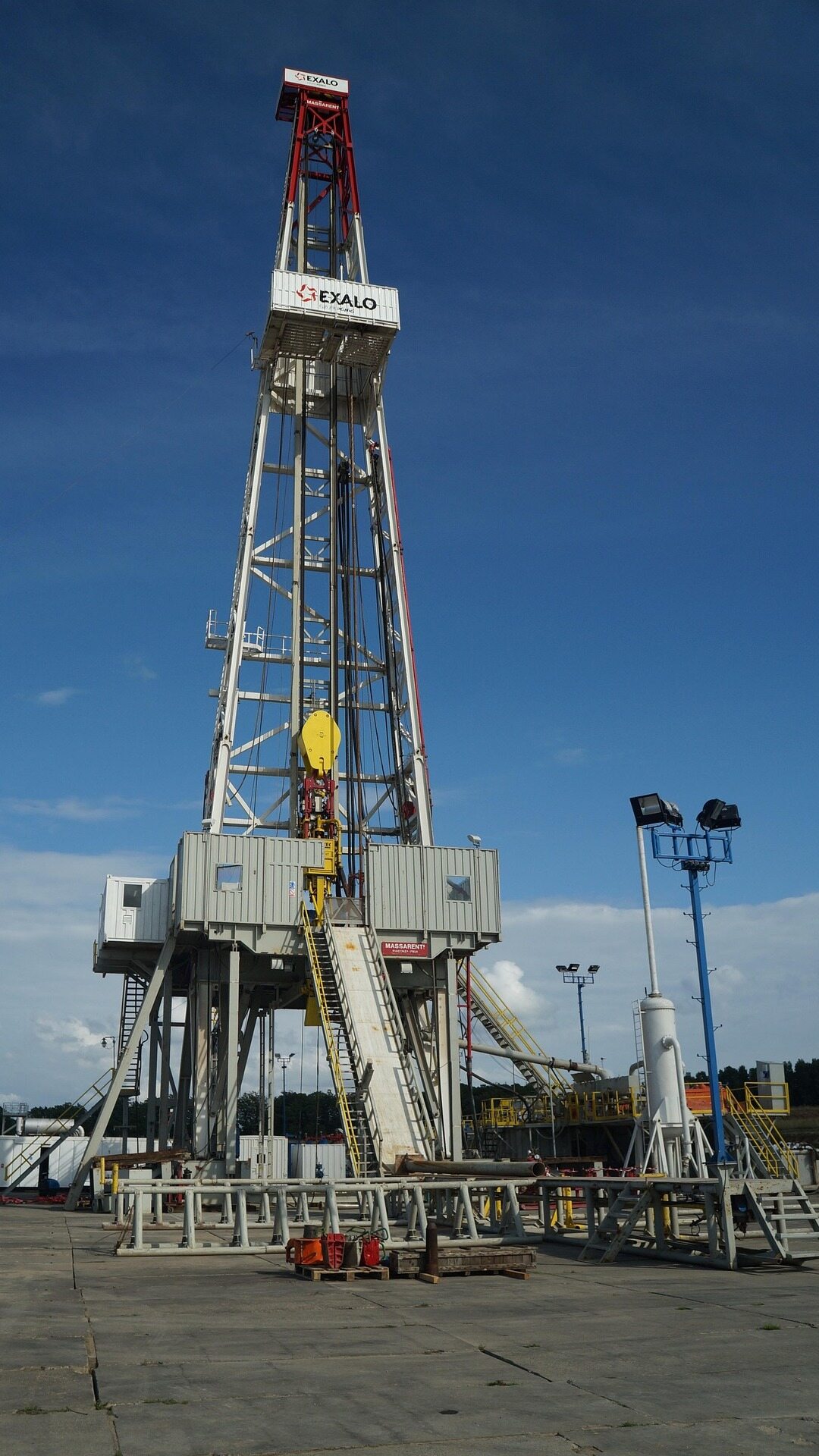
On July 13, 2026, Egypt announced plans to drill 101 oil and gas exploration wells for 2026. The signal significance of this set of numbers exceeds the number of wells themselves - the $6.1 billion debt owed to foreign oil companies was cleared in June, and upstream exploration is restarting.
Upstream investment reactivation
Egyptian Minister of Petroleum and Mineral Resources Karim Badawi confirmed in a report to the Prime Minister that 101 exploration wells are planned to be drilled in 2026, including 67 in the western desert, 14 in the Mediterranean, 9 in the Gulf of Suez, and 6 in the Nile Delta. This arrangement is the first year of Egypt's previously announced five-year drilling plan, which has a total investment of over 5.7 billion US dollars and aims to drill approximately 480 exploration wells by around 2030.
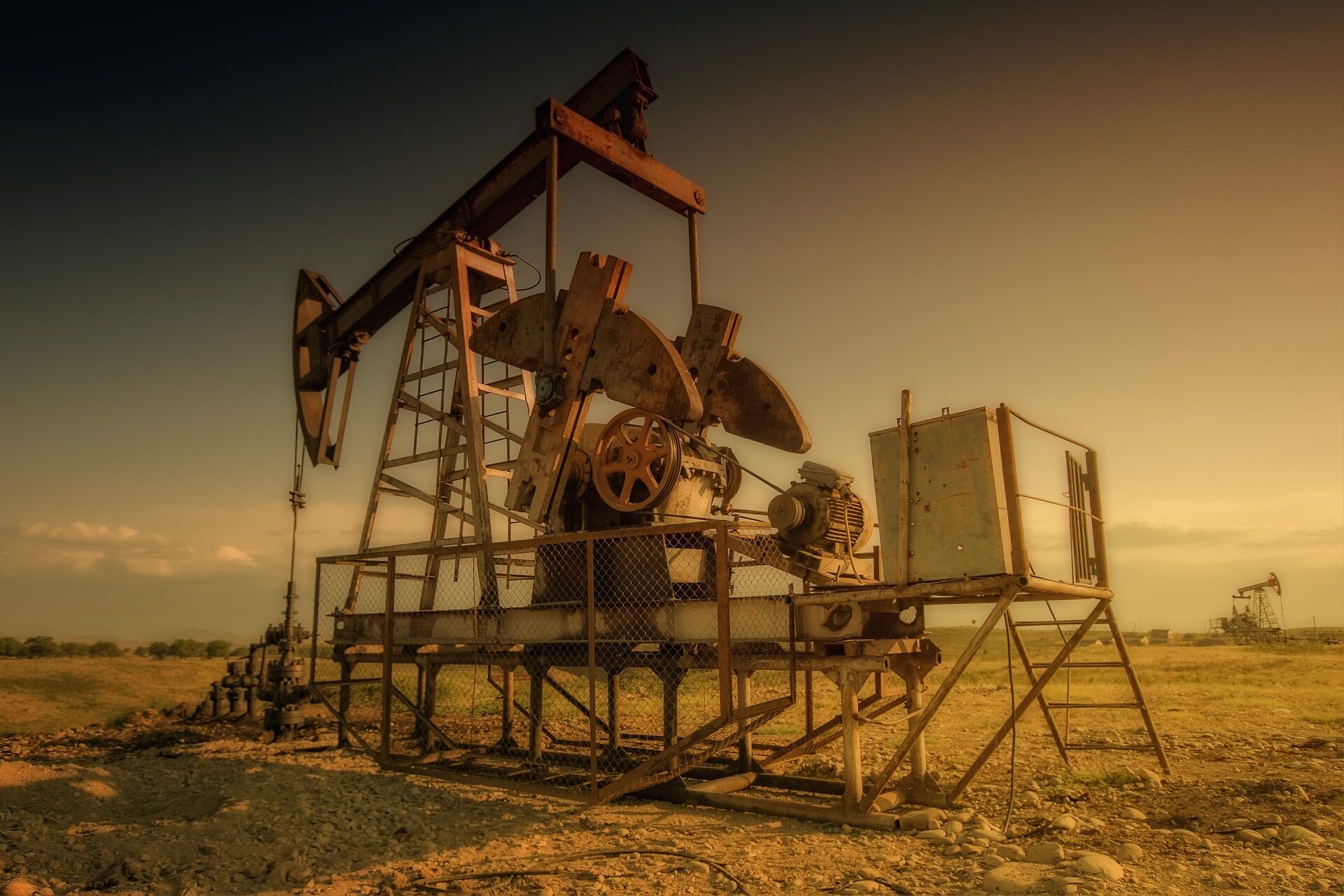
The key variable driving these wells to land is Egypt's recently completed fiscal cleanup. In June 2026, Egypt announced the full repayment of outstanding payments to foreign oil and gas companies, which had reached approximately $6.1 billion in June 2024 and had decreased to $1.3 billion by the end of 2025, returning to zero by June 2026. Oil Minister Badawi stated that this is one of the biggest obstacles the industry has faced in the past few years. After the debt is cleared, the logic for international oil companies to expand their investments begins to take shape - it is reported that international oil companies' investment commitments in Egypt over the next three years have exceeded $19 billion.
The decline in production has forced drilling to accelerate
The fundamental reason why Egypt is eager to dig wells is the decline in production. In April 2025, Egypt's natural gas production will decrease to approximately 3545 million cubic meters, with a decline of over 40% at its highest point. In the first quarter of 2026, natural gas imports increased by 36% year-on-year, with LNG imports experiencing a significant increase of 131%. Keywords: oil and gas exploration, natural gas
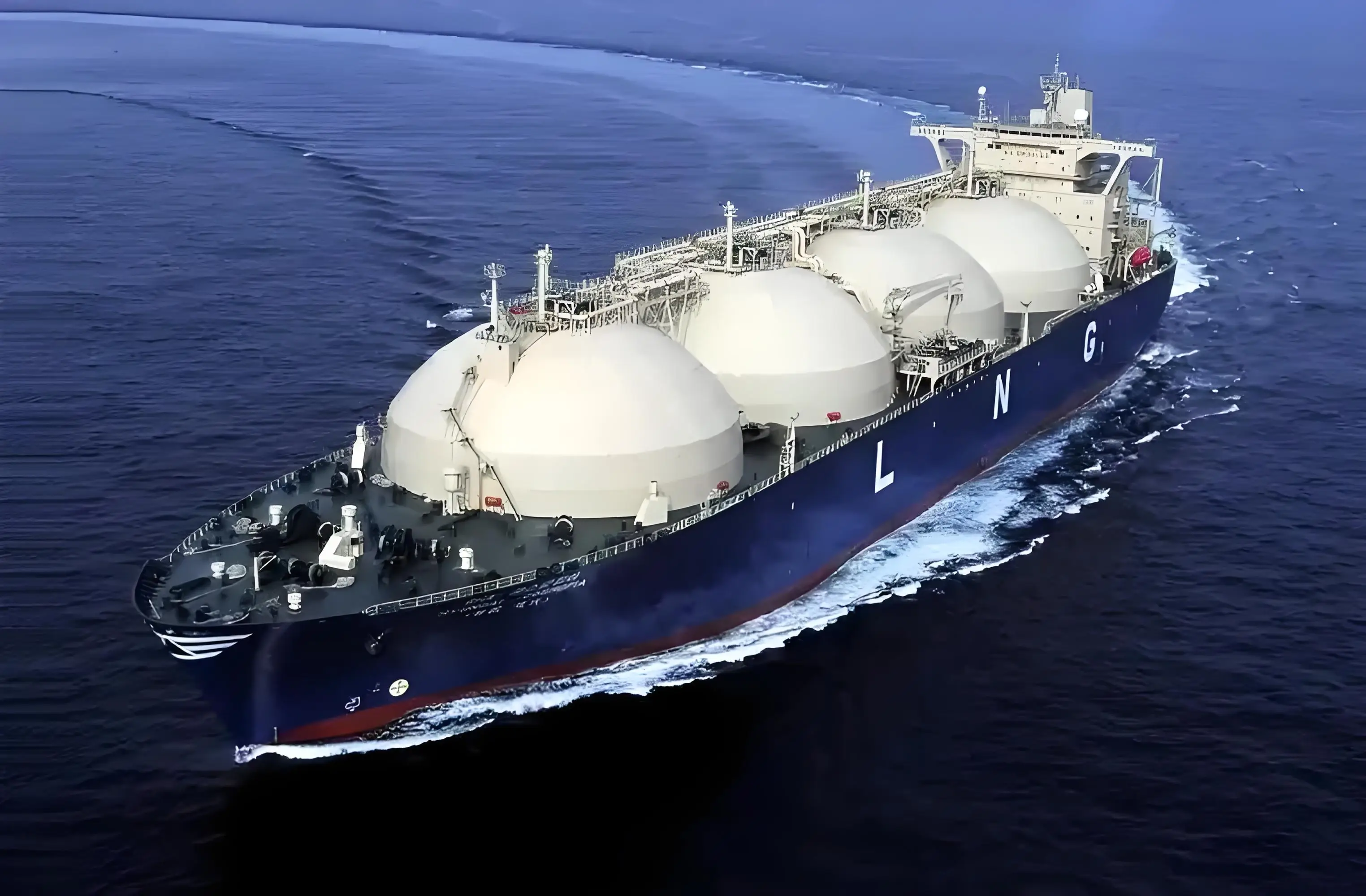
From the distribution of drilling, the proportion of 67 wells in the western desert is the highest. This area is inclined towards onshore oil and gas and mature block rolling development, which has a more direct demand for drilling rig services, wellhead equipment, pipe materials, and drilling and completion consumables. The 14 wells in the Mediterranean are inclined towards deepwater gas wells, with heavier capital expenditures, longer cycles, and stricter supplier access. BP has signed an agreement with Egypt to drill 5 deepwater gas wells in the Mediterranean. Two types of order rhythms will exist simultaneously.Editor/Cheng Liting
Comment

 Praise
 Collect
 Comment

 Share
Share


Write something~