 Search


- Strait blockade disrupts energy landscape and reshapes Western economic sanctions situation
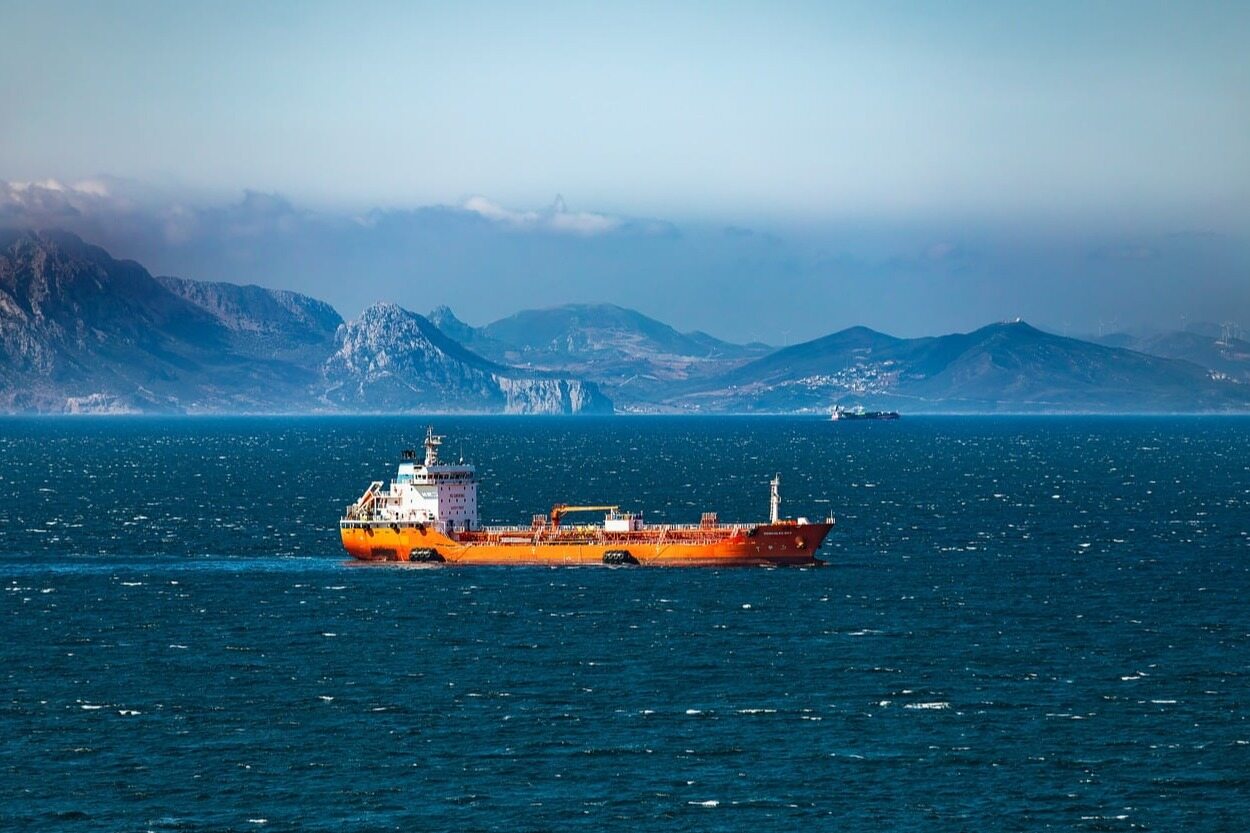
The new round of blockade in the Strait of Hormuz continues to affect global energy trade. Against the backdrop of global economic pressure in 2026, this blockade did not trigger extreme oil price surges, but deeply impacted the operation of Western economies and changed the EU's energy procurement and sanctions against Russia.
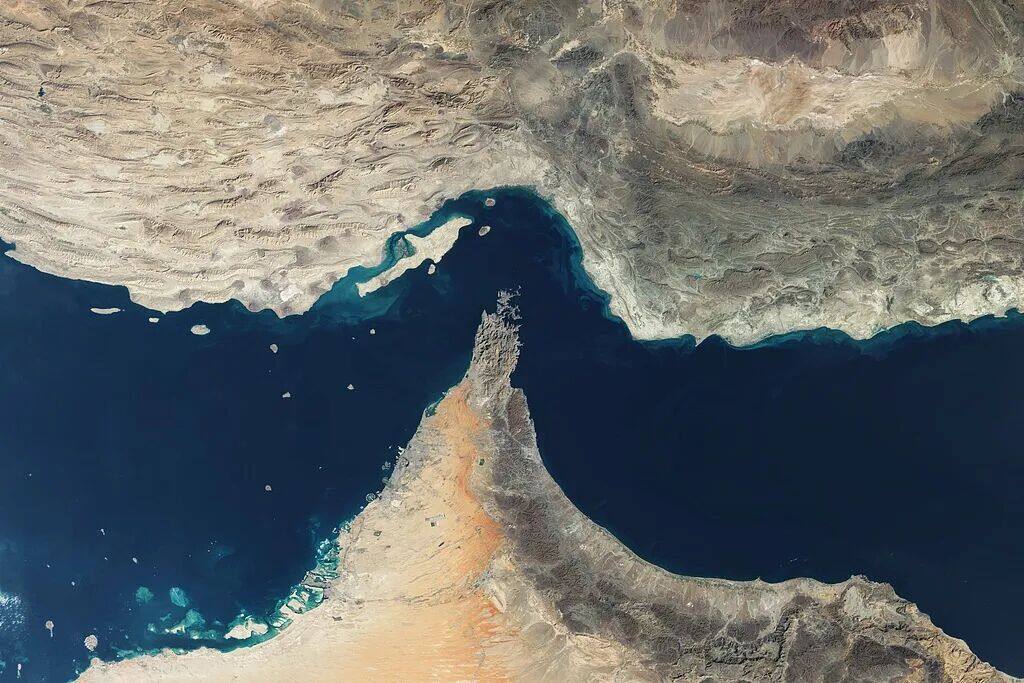
The economic impact is controllable but severe
Russian expert Koltashev analyzed that due to the impact of the global economic recession, this round of strait blockade will not cause oil prices to soar to $120 to $150 per barrel. But Western economies find it difficult to hedge against oil price fluctuations by increasing capital, and can only compress energy consumption. The blockade still has multiple negative impacts, hindering industrial production in Europe, increasing the cost of living for the public, forcing countries to actively seek alternative supply channels for crude oil, and putting significant pressure on economic development.
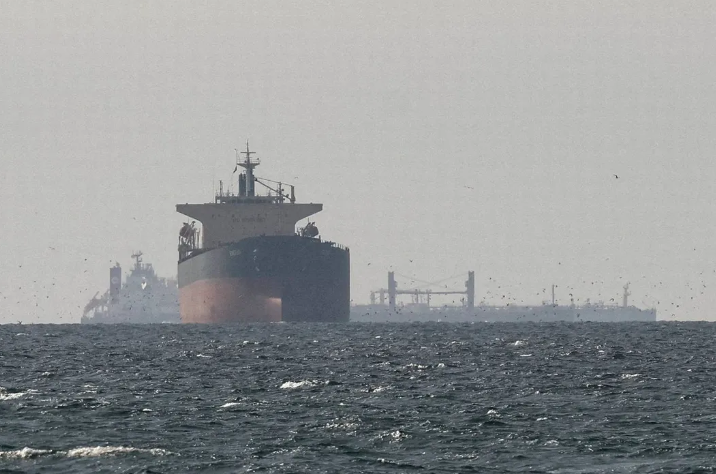
Loosening of EU policies
To stabilize energy supply, several EU countries such as Spain, Italy, and France will continue to import hydrocarbon energy such as liquefied natural gas from Russia. This situation directly weakens the effectiveness of EU sanctions against Russia. Previously, there were significant differences within the European Union regarding restrictions on Russian LNG transportation and related bank disciplinary measures, resulting in the delay of the implementation of a new round of sanctions against Russia. Energy needs have become a key factor affecting the EU's foreign policy.Editor/Min Jing
Comment



 Praise
 Collect
 Comment

 Share
Share


Write something~