 Search


- Building a new Eurasian logistics channel to help Central Asia integrate into the global trade network
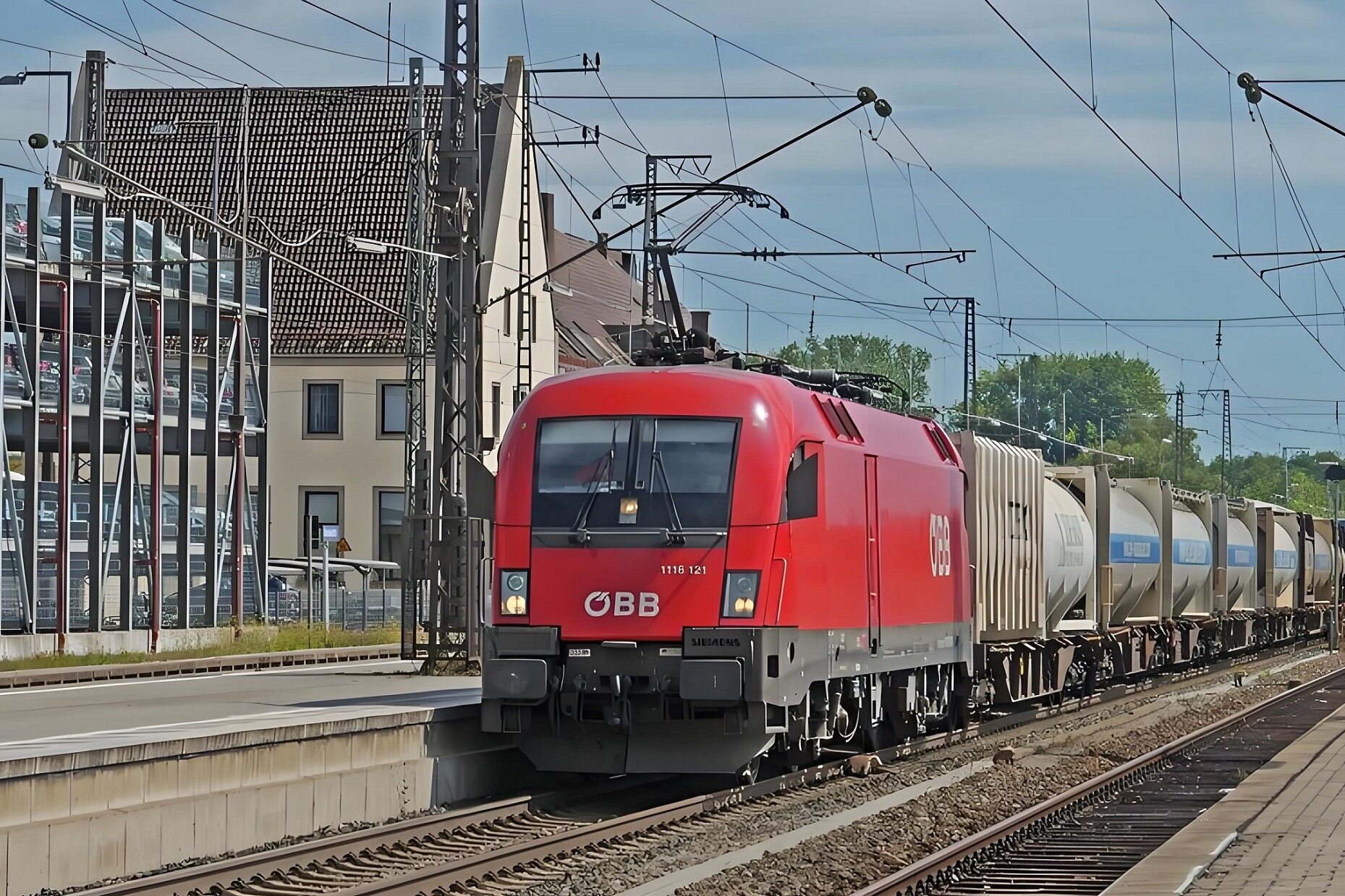
Looking west from the Pamir Plateau, the ancient trade routes criss crossing are echoing with the roar of modern steel. The Eurasian Development Bank has released a heavyweight report, revealing that China will inject $9 billion into the Central Asian Transport Corridor, with a focus on promoting 12 flagship projects. This huge investment is like connecting the Ren and Du meridians, which will revive the vitality of the Silk Road hub in the inland Central Asian countries and weave a brand new logistics network in the hinterland of the Eurasian continent.
Layout of billions of funds
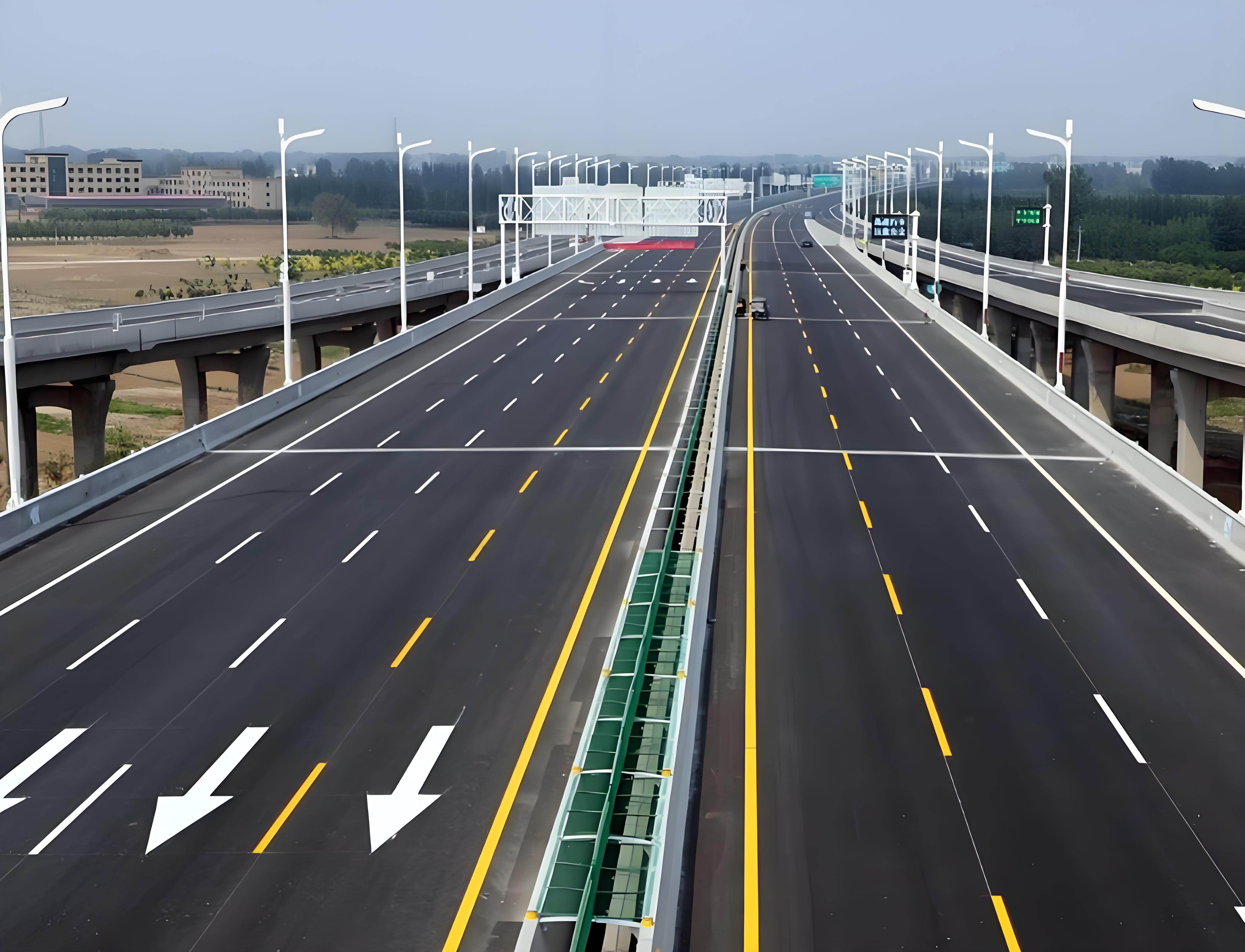
Recently, the announced investment and financing list shows that the 9 billion US dollars invested by China will precisely address the transportation shortcomings in Central Asia. Among them, the highly anticipated China Kyrgyzstan Uzbekistan Railway holds a monopoly of 4.7 billion US dollars. China not only provides half of the non-commercial loans, but also holds a 51% stake in the joint venture company and controls the majority. Following closely behind are the Tashkent to Andijan toll highway and the Palikhi to Jalalabad railway in Kyrgyzstan, with single investments exceeding 4 billion US dollars, forming the backbone of regional connectivity.
Road network upgrade is urgently needed
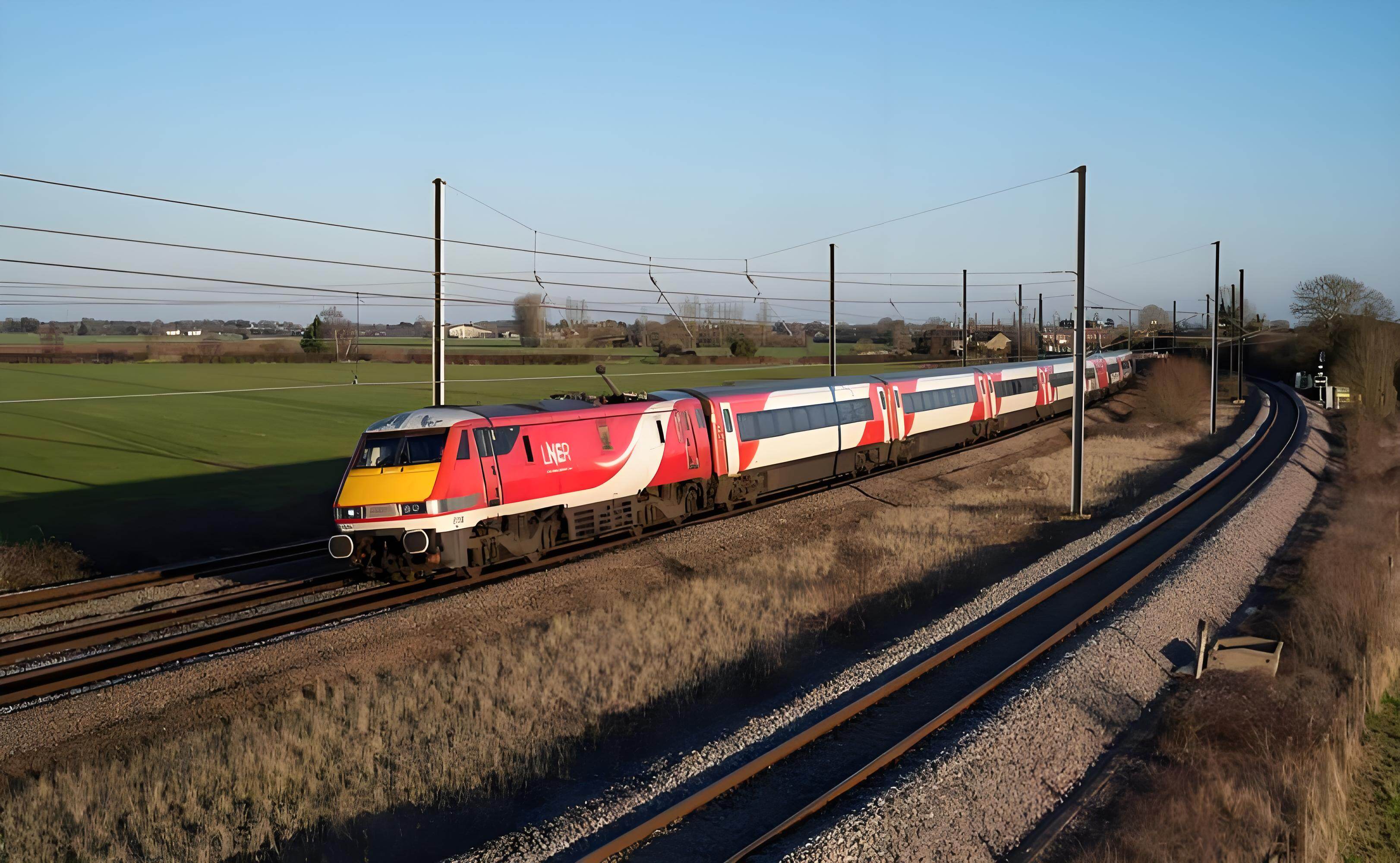
Despite the grand blueprint, the existing transportation infrastructure in Central Asia is worrying. The depreciation rate of Kazakhstan's locomotive fleet is as high as 61%, over 90% of Uzbekistan's diesel locomotives are outdated, and the average age of Tajikistan's freight carriages is as old as 37 years old. Faced with severely aging hardware facilities, Central Asian countries urgently need to leverage Chinese funds and technology to modernize key routes such as the Dostick to Mointi railway, increase transportation capacity by several times, and rebuild damaged roads to replace the robust backbone of the massive logistics system. Keywords: Construction News、Engineering equipment

Cracking the development dilemma in inland areas
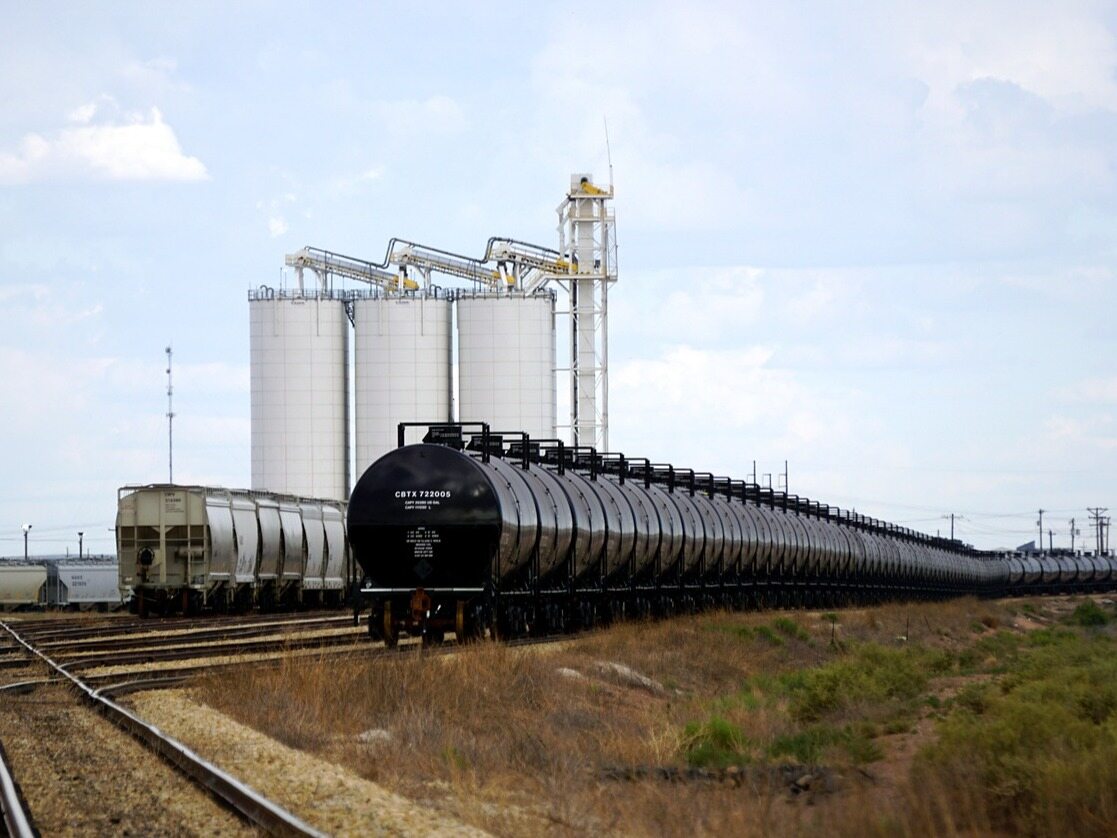
For Central Asia, far from the ocean, transportation is not only infrastructure, but also the lifeline of survival. With the planned construction of the Ayagoz Bakhti railway, China's third land port will be opened, allowing Central Asian countries to break free from geographical blockades and obtain stable sea access. This can not only reduce dependence on the Pacific routes under US control, but also avoid becoming a mere transit vassal by building a warehousing, communication, and security supporting system, truly transforming geographical advantages into economic growth momentum.Editor/Gao Xue
Comment



 Praise
 Collect
 Comment

 Share
Share


Write something~