 Search


- This project provides a replicable model for the green transformation of freight trunk lines
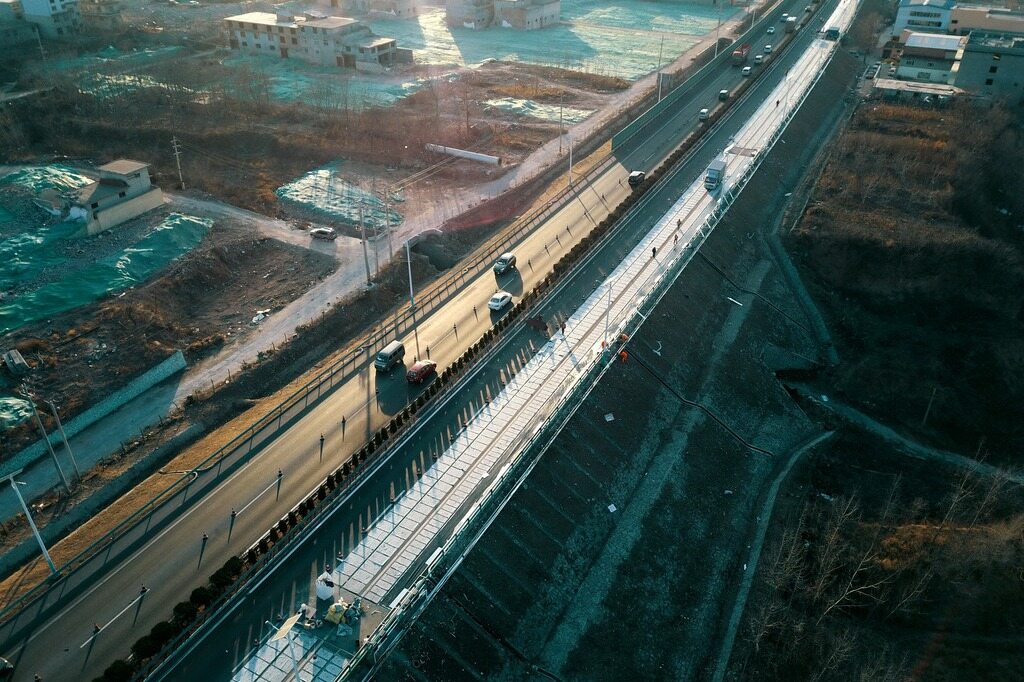
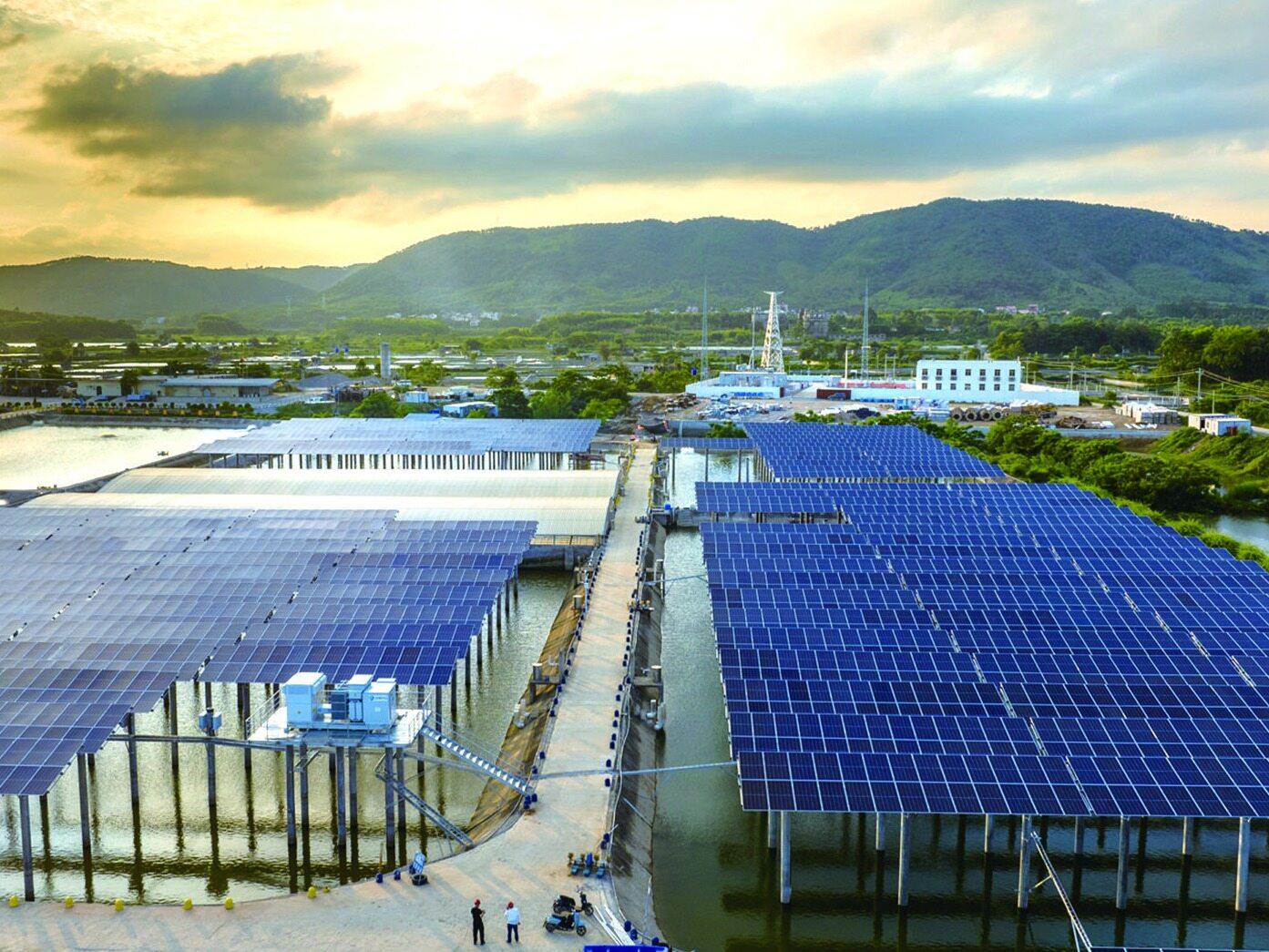
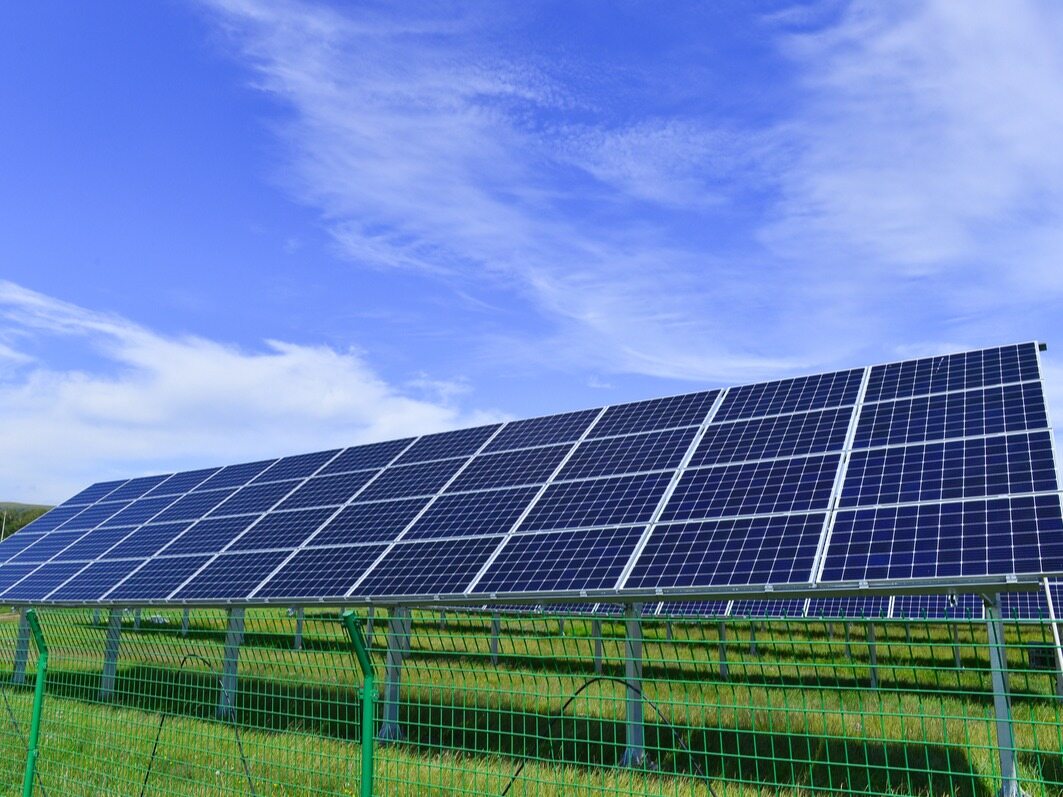
At the construction site of Hengqin Expressway in Guangxi, rows of photovoltaic panels are spread along the slope, and the heavy-duty truck swapping station is being debugged. The zero carbon freight corridor on this new western land sea corridor has officially started construction, becoming a landmark event in China's integration of transportation and energy. It is not only the first fully chain zero carbon freight channel in China, but also upgrades highways from simple transportation carriers to green energy arteries that integrate power generation, energy storage, and charging and swapping, opening up new application scenarios for the photovoltaic industry.
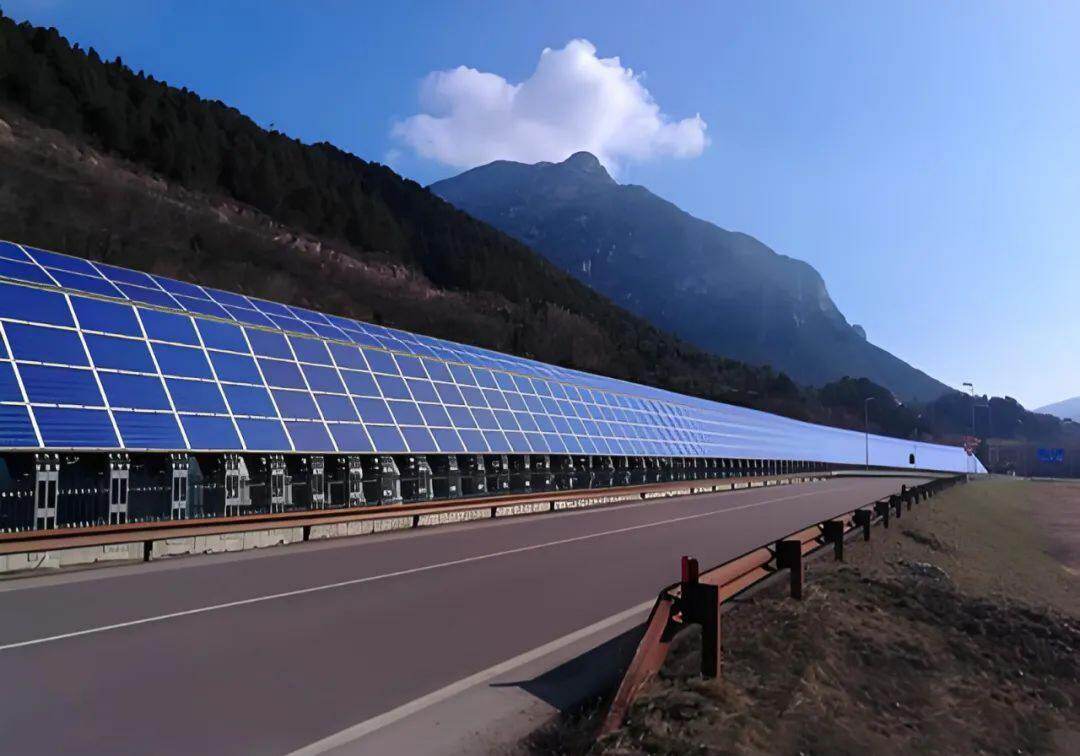
Triple reconstruction of energy system
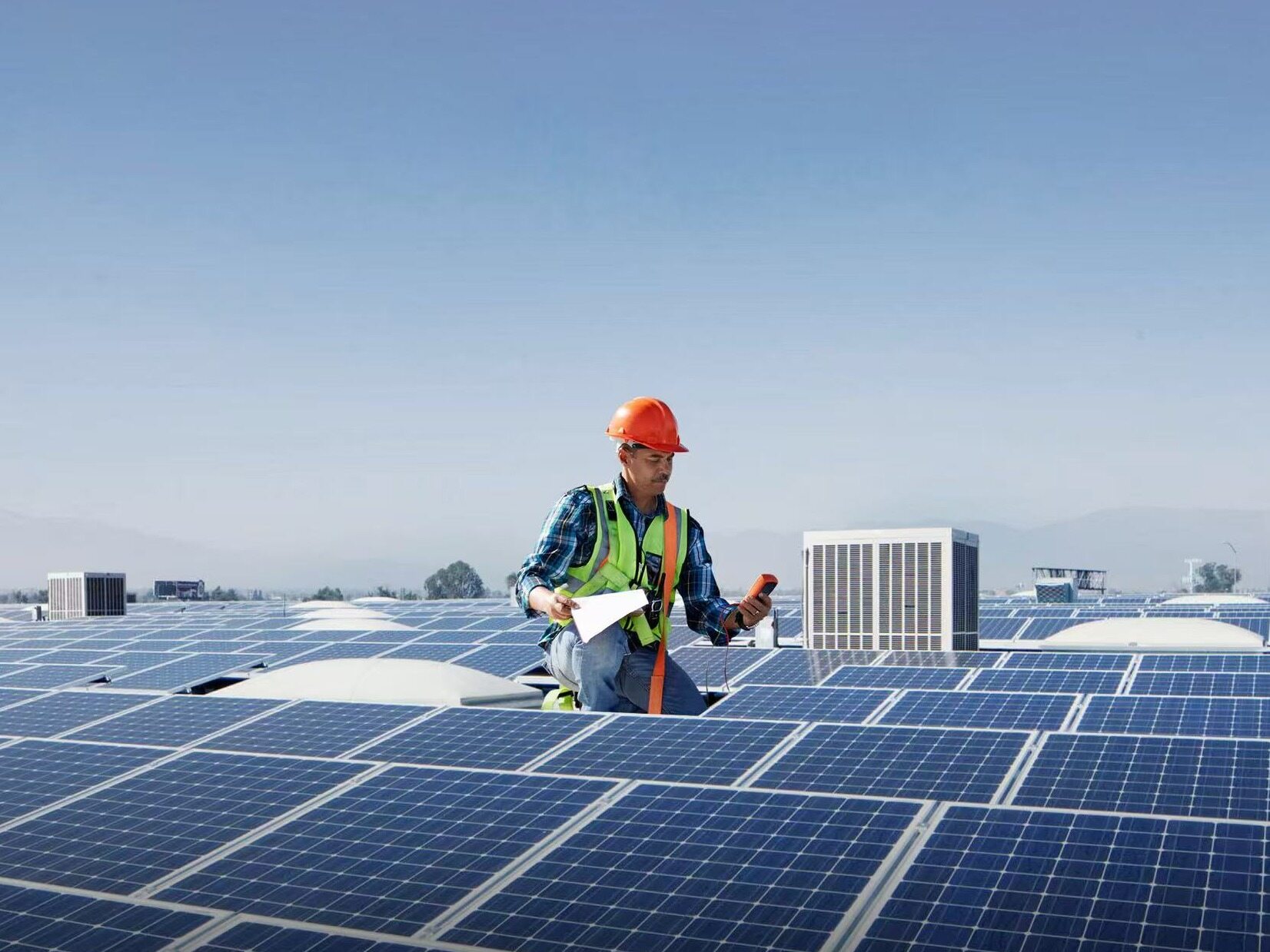
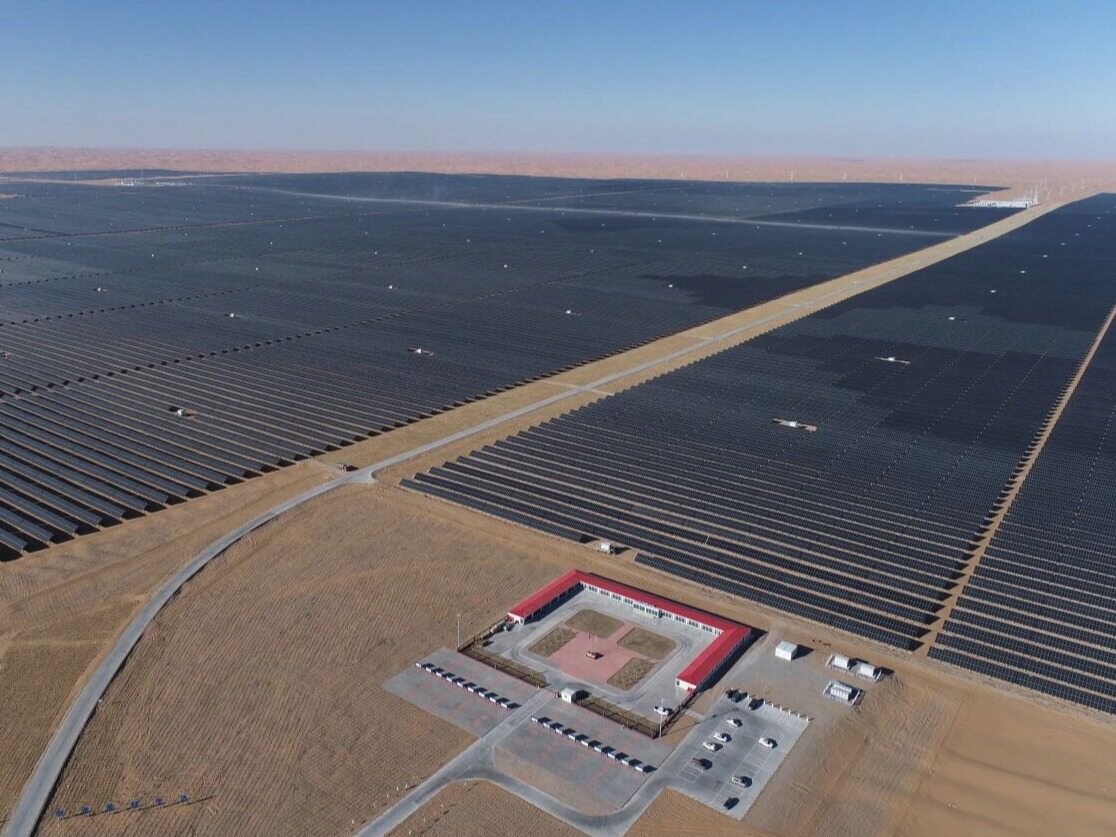
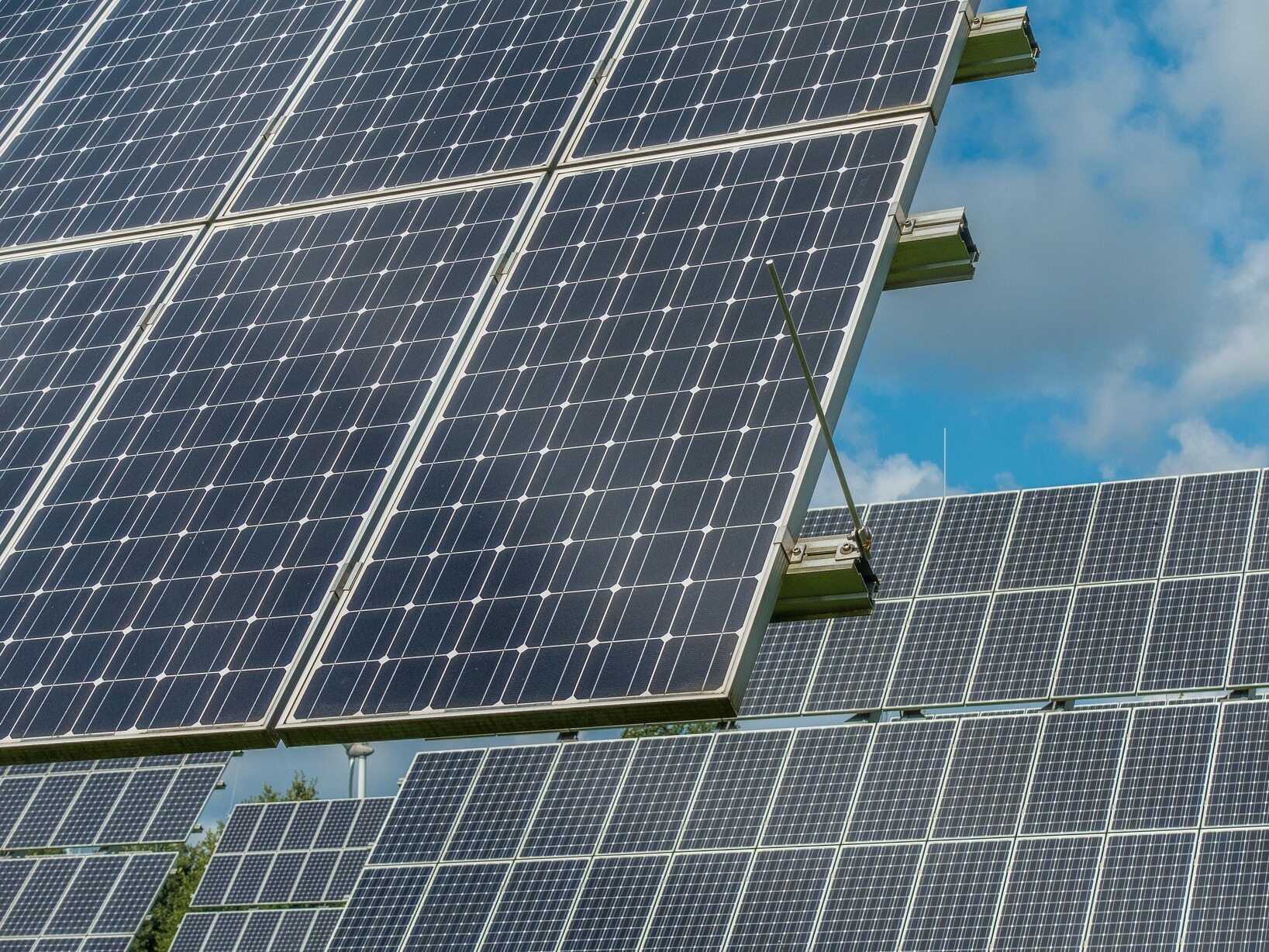
The project adopts a fusion mode of distributed photovoltaics, energy storage, charging and swapping, and ecological carbon sinks. A 7.17-megawatt photovoltaic power station is laid out along the entire highway, supporting large capacity energy storage and smart microgrids. Photovoltaic coverage of service area roofs, parking lot sunshades, interchange ramps, and slopes does not occupy arable land, achieving self use, surplus energy storage, and intelligent allocation, completely eliminating dependence on external power grids.
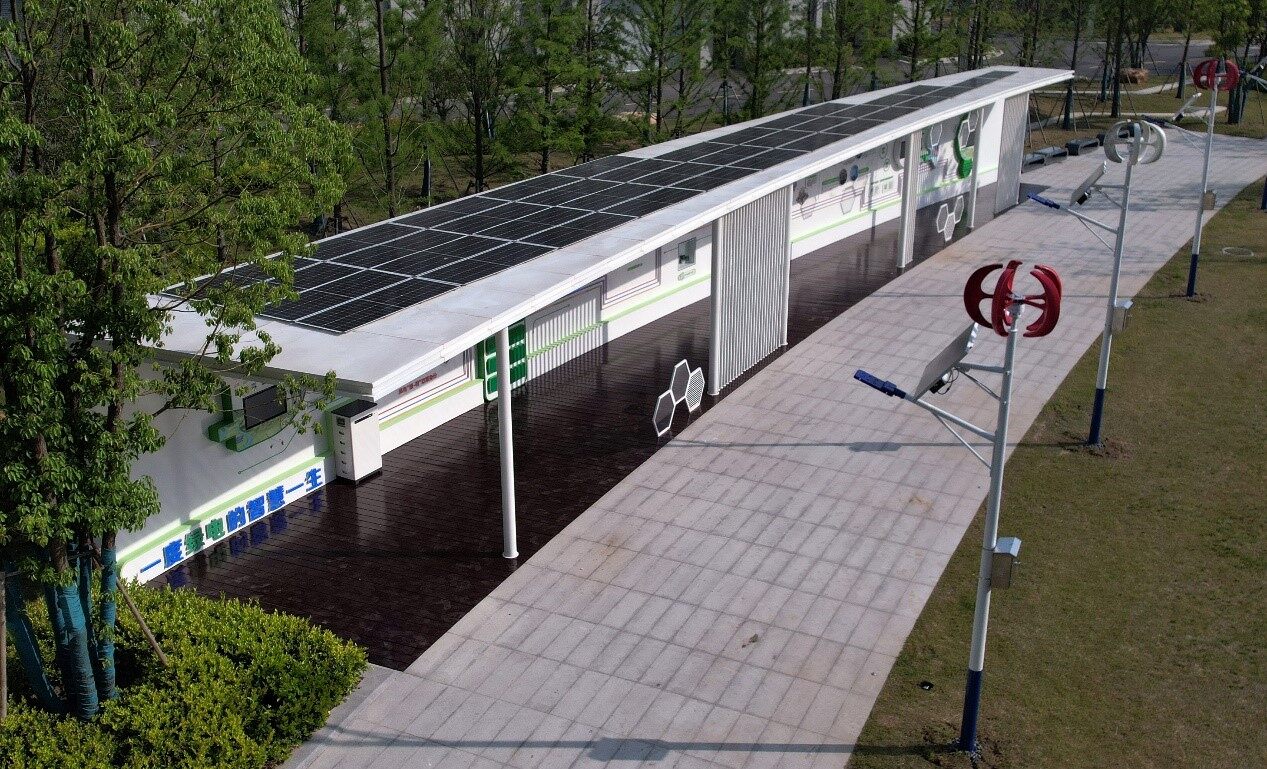
Green supply of photovoltaic direct drive heavy-duty trucks
The pain points of slow charging and high cost of grid expansion for mainline electric heavy-duty trucks have been solved here. Photovoltaic green electricity directly supplies the entire line of megawatt level supercharging piles and swapping stations, without the need to increase the capacity of the municipal power grid, forming an independent green energy supplement network. The heavy-duty truck can be fully charged in 3 minutes after entering the station, and the fast charging can last for 200 kilometers in 15 minutes. The price advantage of green electricity significantly reduces logistics costs. Keywords: Photovoltaic new energy information、Energy storage cluster

Carbon offset achieves net zero target
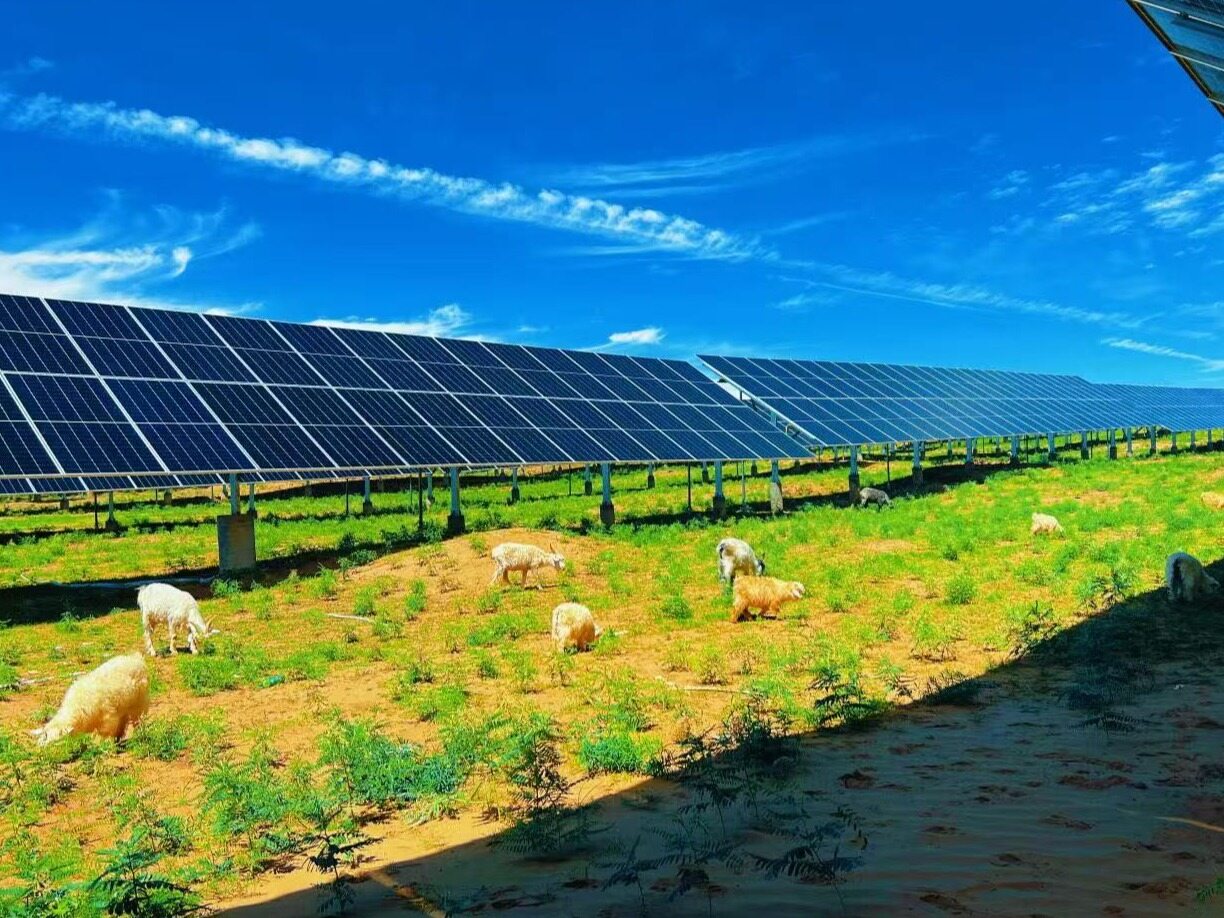
The project establishes a dual offset system for photovoltaic energy conservation and ecological carbon sequestration. Photovoltaic power generation continues to reduce operational energy consumption, while mangrove forests and forestry carbon sinks absorb remaining emissions, and work in both directions to fully offset the entire lifecycle carbon emissions. Transportation infrastructure has entered a new stage of net zero carbon from low-carbon emission reduction, and photovoltaics have become both a carrier of green certificates and carbon trading profits.Editor/Gao Xue
Comment

 Praise
 Collect
 Comment

 Share
Share


Write something~