 Search


- Chinese domestic humanoid robots land in Central Asia, building an integrated system of industrial research and education
- Relying on the whole stack self research technology, create a new model for the Belt and Road scientific innovation to go to sea
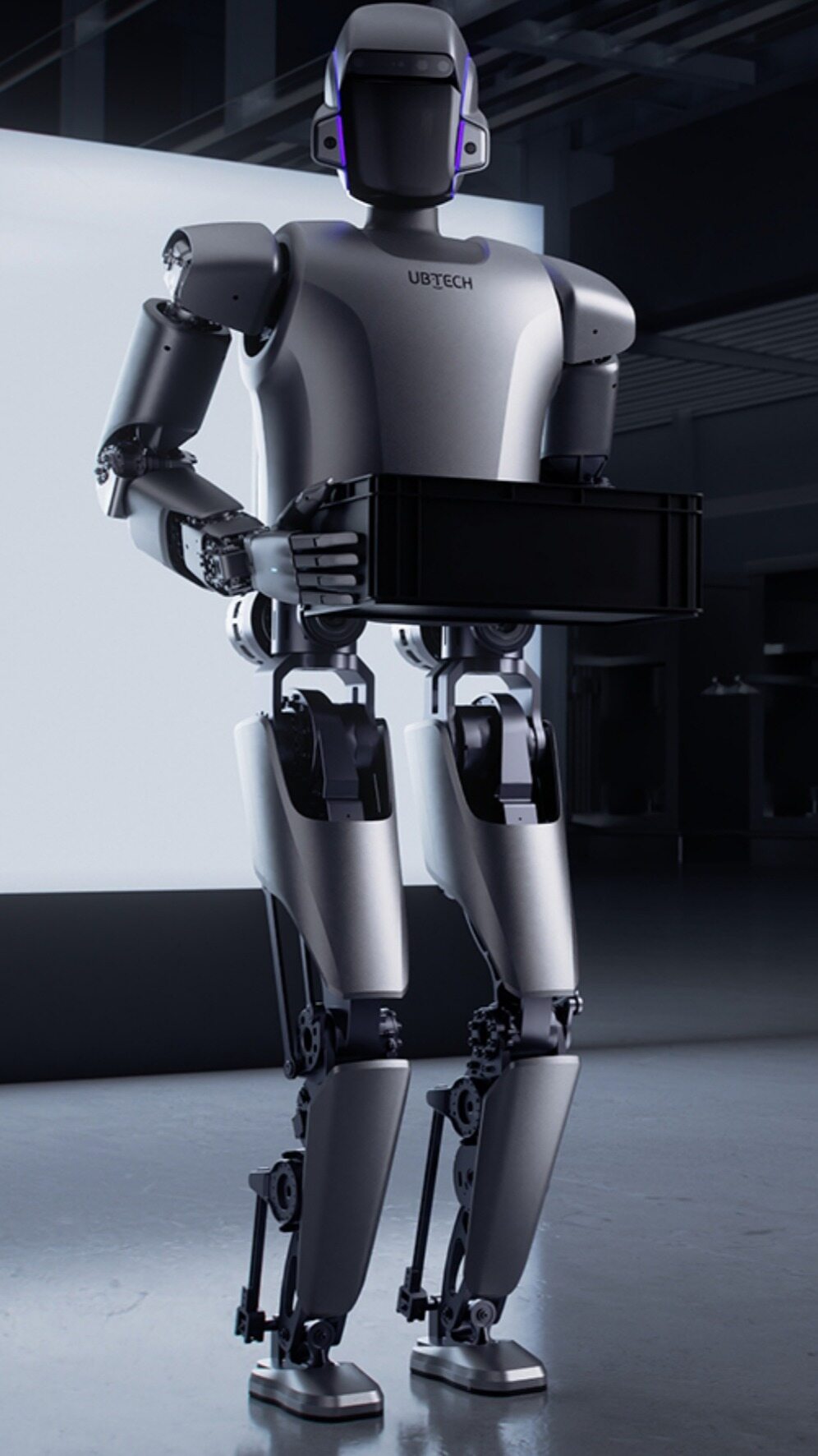
The handshake by the Huangpu River spans thousands of miles of grassland, and UBTECH has rooted its full stack humanoid robot technology in the hinterland of Central Asia. Relying on the the Belt and Road scientific and technological innovation ties, the two sides have jointly built a smart benchmark in Central Asia with a three-dimensional layout of industrial research and education, so that China's self intelligent steel body can light up a new dawn of high-end manufacturing transformation in the Eurasian hub.
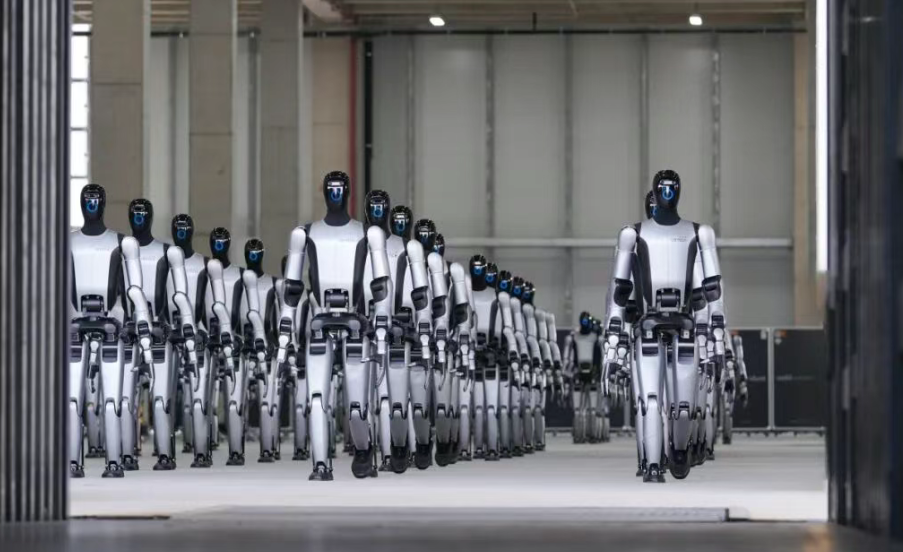
Recently, UBTECH Technology completed a high-level meeting with the Kazakhstan delegation in Shanghai and officially signed a comprehensive strategic cooperation memorandum in the presence of Kazakh President Tokayev. This cooperation focuses on three major fields: industrial landing, scientific research and innovation, and talent education. Relying on Ubisoft's full stack of self-developed humanoid robot technology, and combining Kazakhstan's digital transformation policy with the advantages of the Central Asian market, we will jointly build the first smart benchmark enterprise in Central Asia, promote the upgrading of local high-end manufacturing and scientific innovation systems, and also make an important breakthrough in the technology of domestic robots going to sea along the the Belt and Road.
Self developed technology meets digital blue ocean
UBTECH has a complete self-developed system for humanoid robots, with fully controllable core components, operating systems, large models, and overall structures. It can provide integrated industrial solutions for software and hardware, meeting the needs of Kazakhstan's intelligent manufacturing to fill gaps. Kazakhstan is deeply cultivating its digital strategy, with strong policy support, vast gaps in the intelligent market, and a prominent talent gap. It urgently needs mature science and technology innovation enterprises to land and empower it. Both sides' supply and demand are highly matched, helping Ubiquitous to seize the Central Asian blue ocean market.
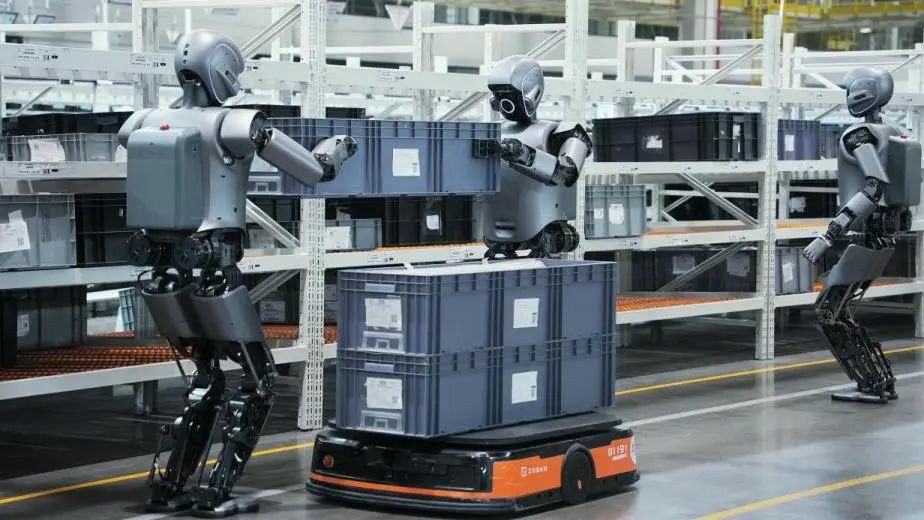
Building competitive barriers for the entire chain ecosystem
This cooperation aims to establish a three in one development model of industry, scientific research, and education, forming a regional intelligent ecosystem that can operate for a long time. The industrial side will jointly establish local production bases and implement multi scenario robot applications in industry, government affairs, agriculture, and medical fields, reducing the cost of localized use. Co building research and data centers on the scientific research side, adapting iterative technologies to the characteristics of Central Asia, participating in the formulation of regional industry standards, and building technological barriers. Establish a comprehensive robot teaching system for all stages of education, cultivate technical talents at different levels, and form a virtuous cycle of talent cultivation, industry development, and stable development. Keywords: UBTECH, Kazakhstan, the Belt and Road News
From product output to ecological rooting
Currently, Chinese robots have bid farewell to exporting single hardware and turned to exporting complete sets of technology and ecology. As an emerging incremental market with low competition pressure and friendly policies, Central Asia is an important pivot for the globalization of China's domestically produced intelligent technology. This cooperation helps UBTECH expand its overseas territory, hedge domestic industry cycles, and enhance national brand endorsement. At the same time, the project still faces challenges such as cross-border operational differences, long commercialization cycles, and regional policy fluctuations, and its long-term value still needs to be verified by the implementation progress.
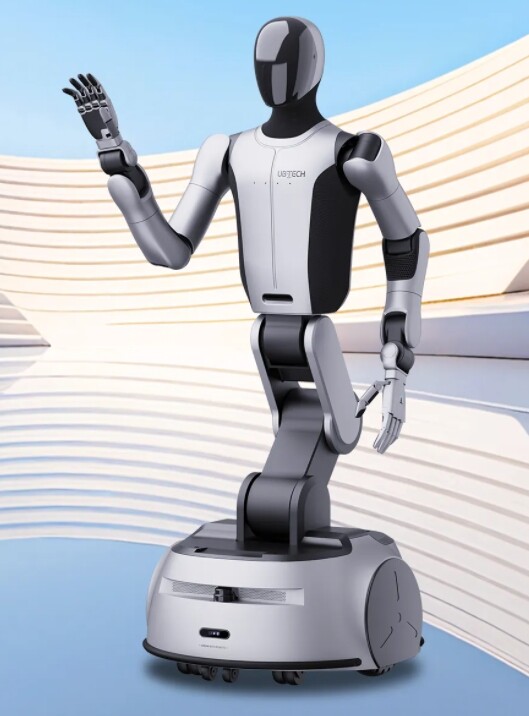
Overall, this cooperation between China and Kazakhstan in science and technology innovation is a typical example of China's independent intelligent manufacturing technology empowering overseas digital transformation, providing a new path for domestic humanoid robots to go global on a large scale and replicate overseas models in a standardized manner.Editor/Gong Ziwei
Comment






 Praise
 Collect
 Comment

 Share
Share


Write something~