 Search


- China's supply chain welcomes a window for large-scale overseas expansion with unique advantages
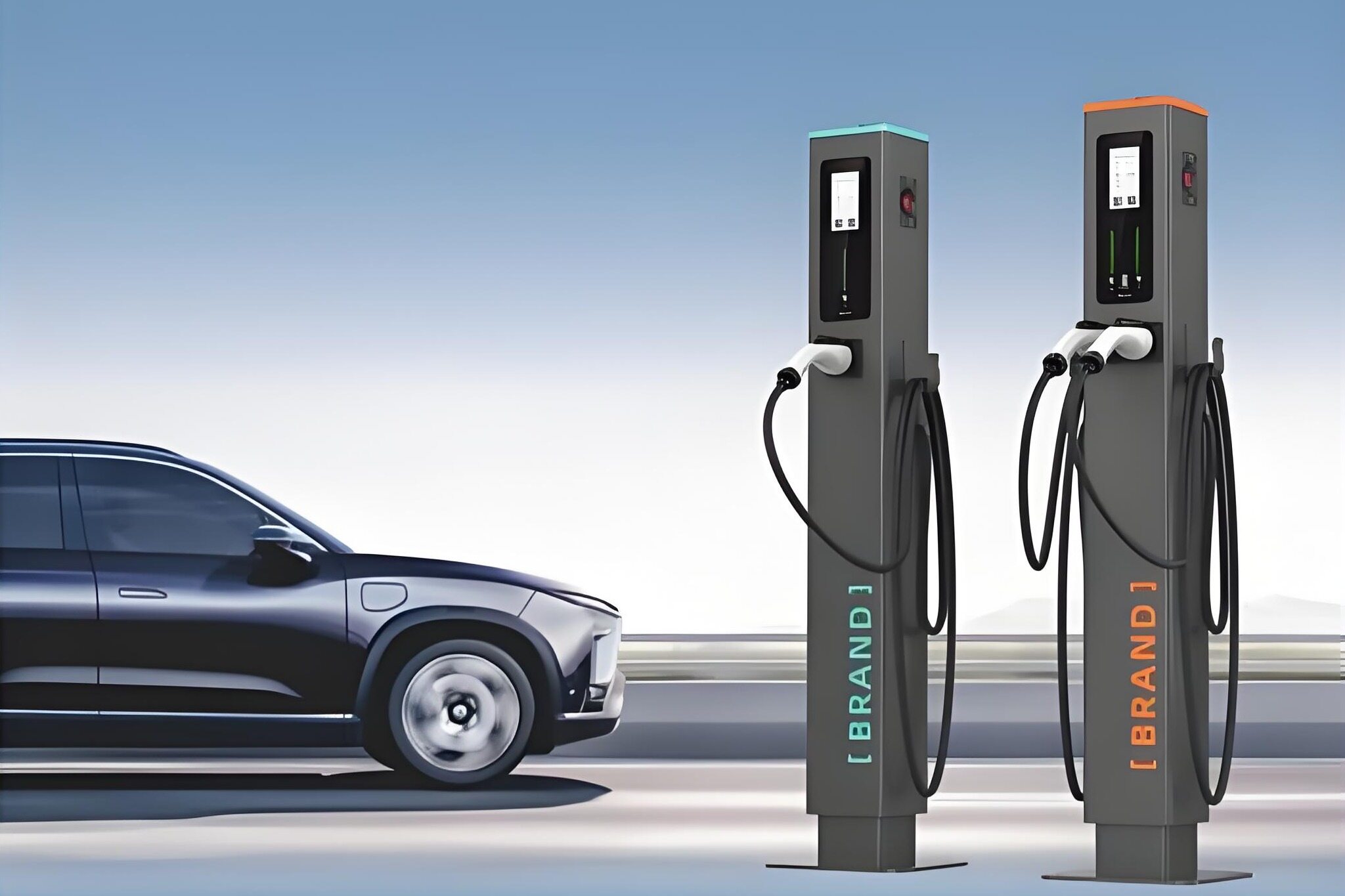
Recently, the Dubai Community Development Authority officially signed a contract with the UAE's state-owned charging platform UAEV to gradually lay charging piles in batches in communities and public venues throughout the city. At the signing ceremony, representatives from both parties shook hands and signed their contracts. The background board marked the schedule for the first batch of operations in 2026 and the extension of remote communities in 2027. Unlike the sporadic demonstration projects scattered in commercial landmarks in the past, this time the national team is stepping down directly - charging piles are transforming from policy displays to standard items for community livelihoods. The UAE's new energy infrastructure has shifted from building a few points to laying out a network, and green infrastructure has entered a new stage of large-scale sinking.
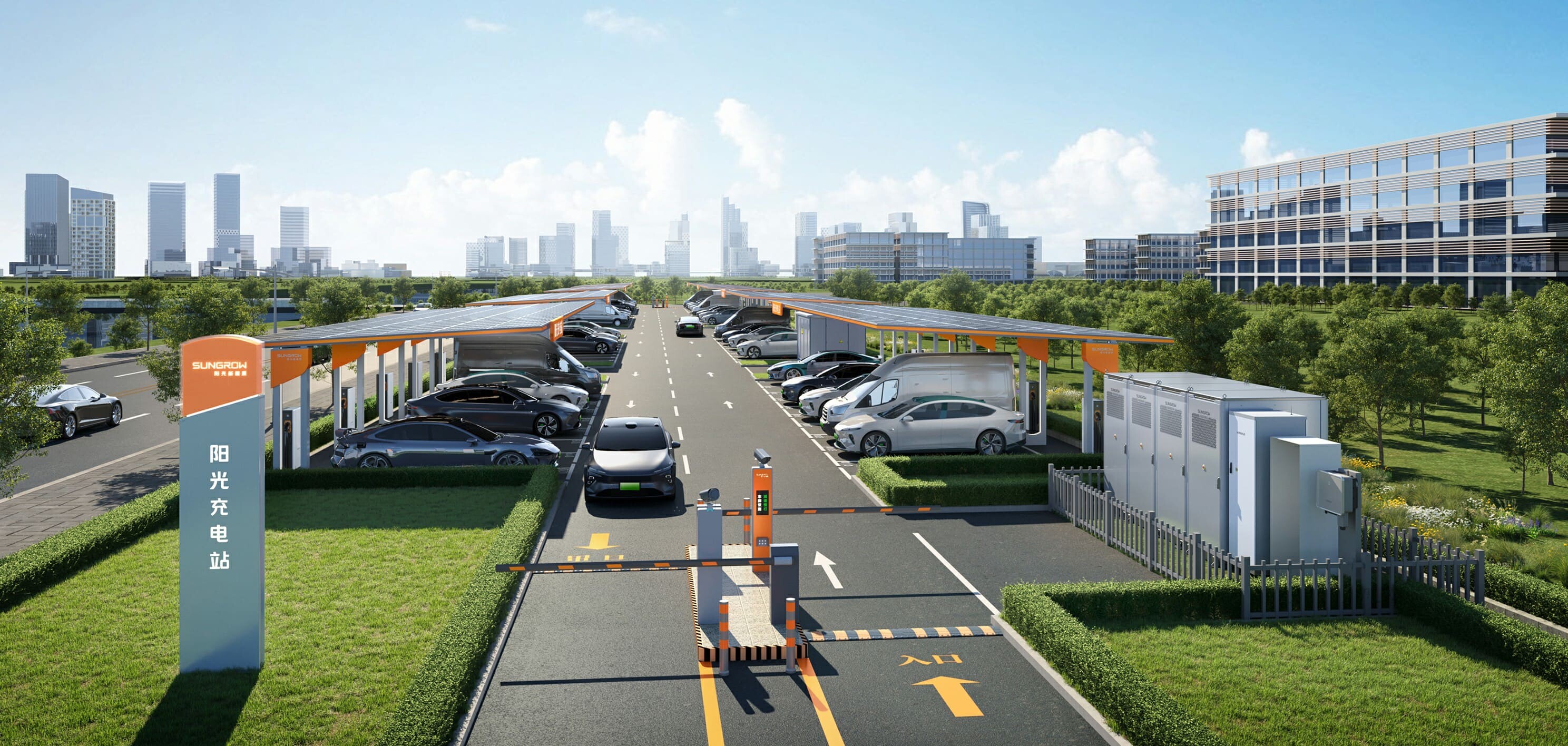
Charging network from landmarks to communities
The project is led by UAEV and will be put into operation in high-frequency scenarios such as community council halls and wedding halls in 2026. It will extend to remote communities in 2027. As of the first quarter of 2026, the total number of charging stations in Dubai has reached 2223. According to the plan, the number of public charging stations in China will increase to over 2267 by 2027, and the iteration of old equipment will be promoted synchronously. In the next two years, we will enter a period of centralized and large-scale construction.
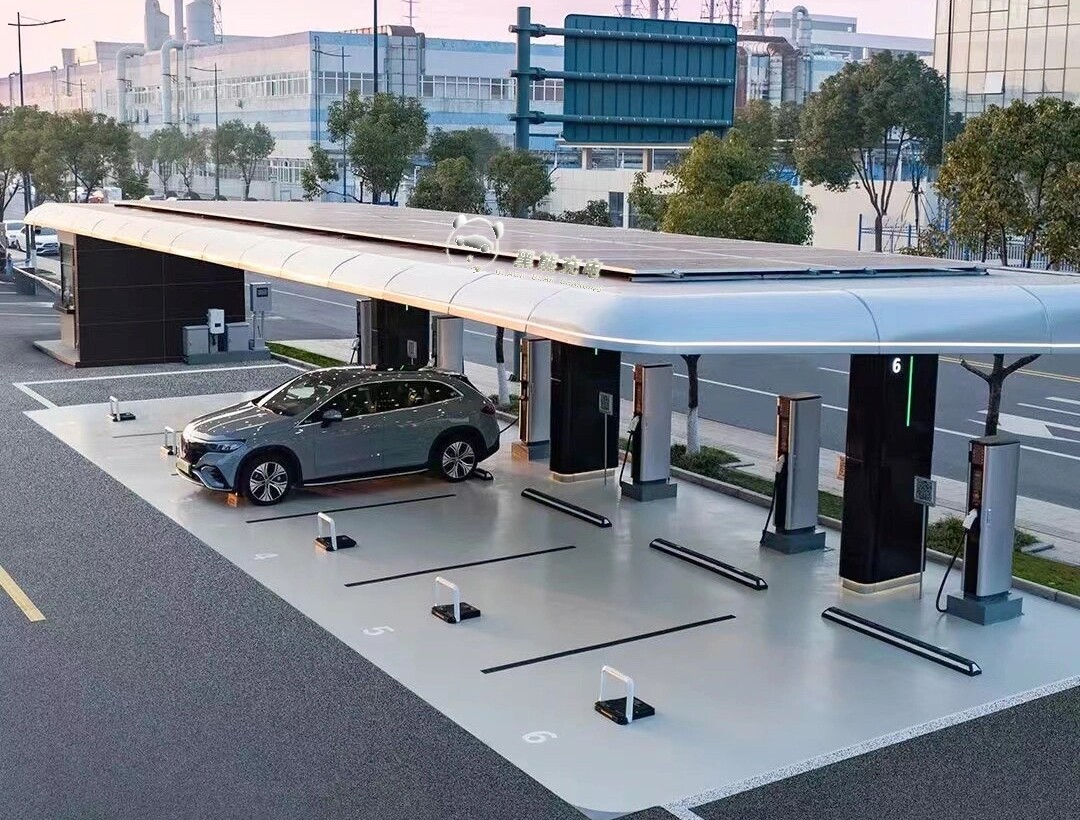
The advantages of China's supply chain adaptation are highlighted
The UAE lacks a complete production system for charging equipment locally, and high-end fast charging stations and high-temperature resistant equipment have long relied on imports. The high prices and long delivery cycles of equipment in Europe and America make it difficult to meet the demand for large-scale and rapid paving. Chinese equipment companies, with their advantages of high cost-effectiveness and strong adaptability to working conditions, have completed verification in high-temperature, high humidity, and windy environments. Daotong Technology and other companies have deeply cooperated with UAEV, and domestically produced fast charging piles have landed in official stations in batches, laying a solid foundation for domestic supply chain entry into national level projects. Keywords: Middle East news and information, green infrastructure
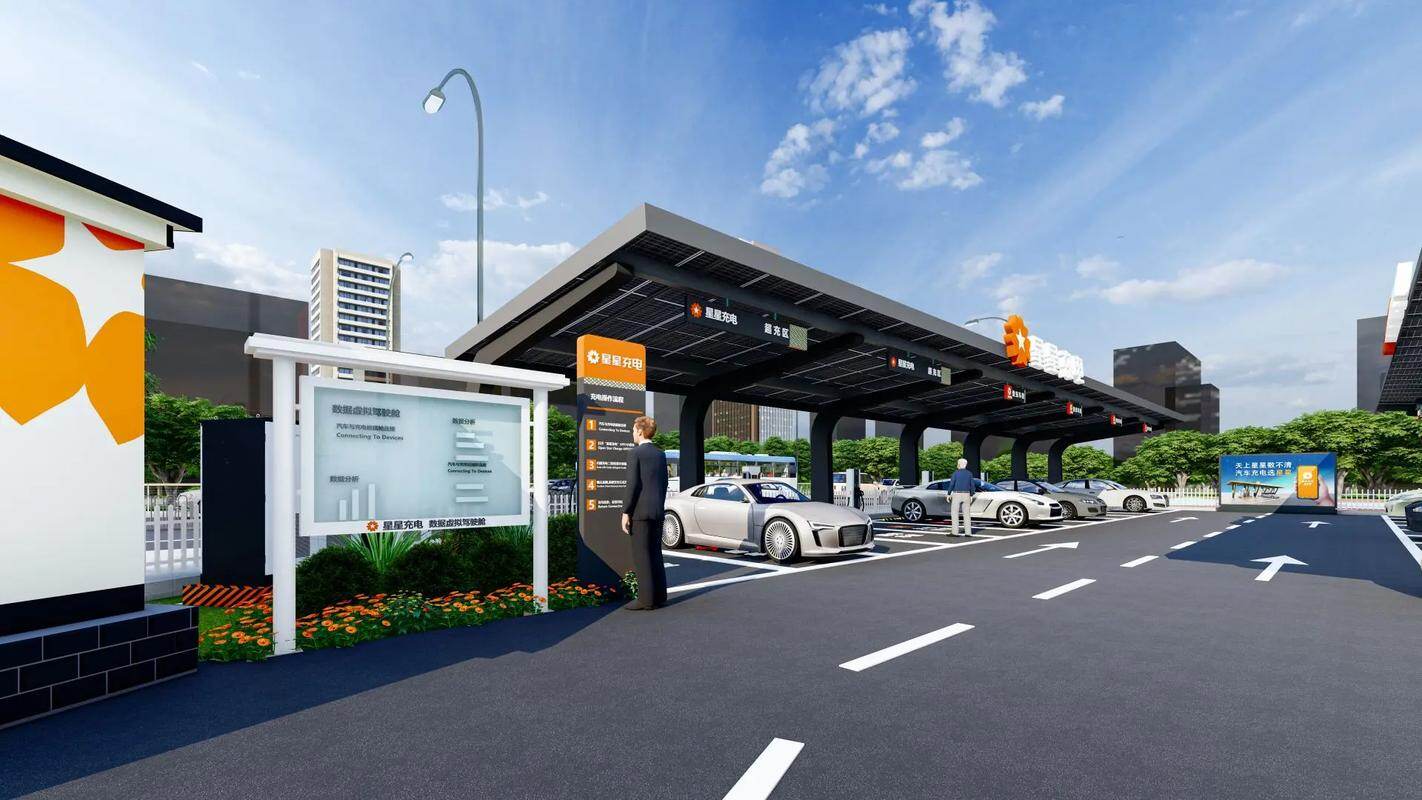
Locking in deterministic increments on three major tracks
Community pile filling drives the demand for complete and complementary facilities. Standardized outdoor charging equipment has the attribute of centralized procurement and is suitable for manufacturers to handle bulk orders; Enterprises with the ability to deliver complete sets of supporting equipment such as distribution cabinets, cables, and voltage regulators have an advantage in the bidding process to meet the synchronous demand; Intelligent operation and maintenance, as well as stock transformation, release long-term iterative replacement markets, and continuously release demand for monitoring operation and platform networking. With policy support, clear supply-demand gaps, and clear space for supply chain substitution, coupled with multiple factors, China's new energy equipment going global is entering a window period for green infrastructure in the Middle East.Editor/Gao Xue
Comment


 Praise
 Collect
 Comment

 Share
Share


Write something~