 Search


- Fully implement the 2030 vision and national logistics strategy, strengthen the resilience of the Red Sea trade supply chain
- Boosting Saudi Arabia's foreign trade growth and upgrading its logistics industry
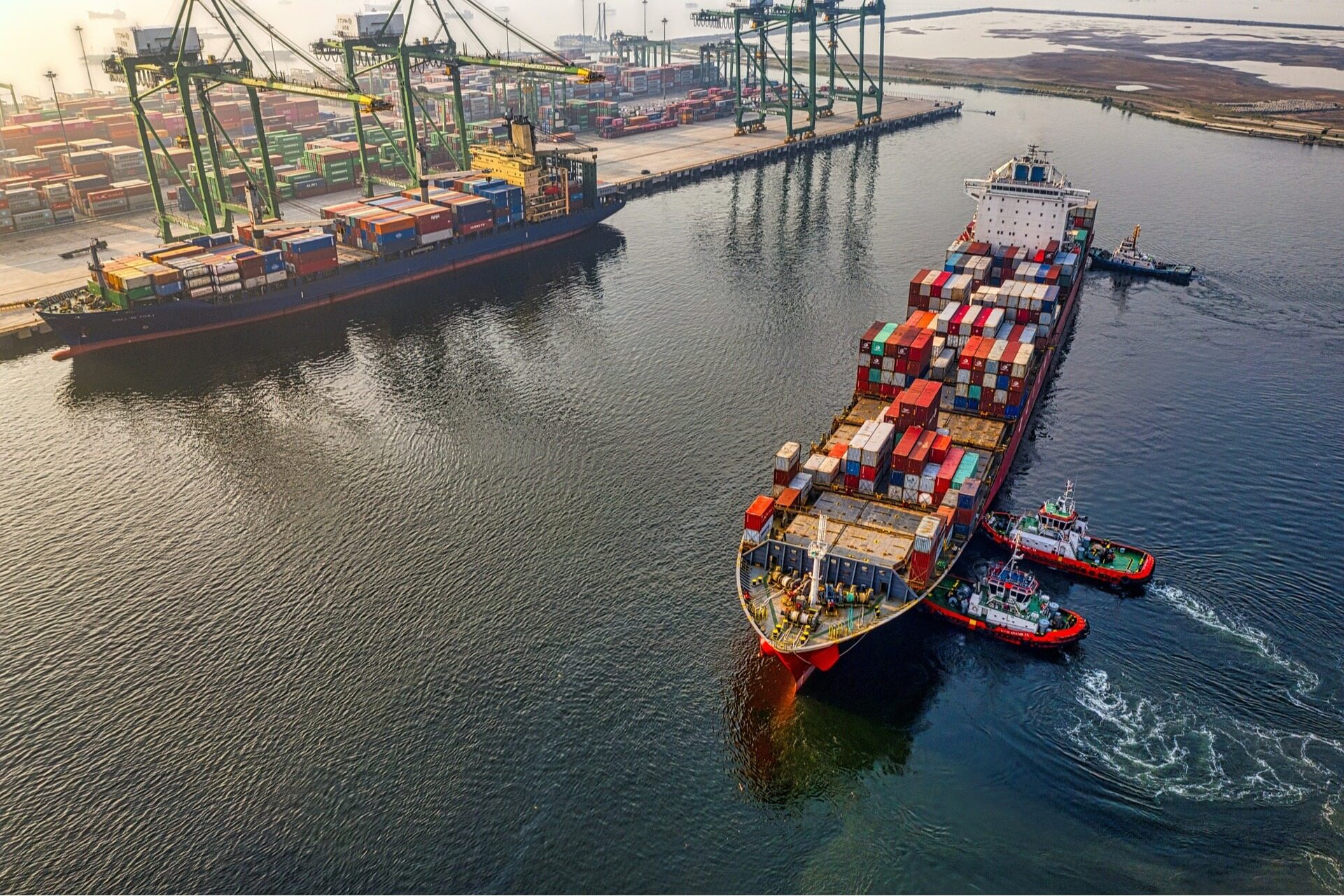
The morning mist of the Red Sea has not yet dissipated, and the quay crane of Jeddah Islamic Port has begun to grab the containers on the giant ship with a roar. This ancient port with a history of over 1300 years is now standing at the forefront of Saudi Arabia's 2030 vision, ushering in a hardware revolution that will affect the future. Just recently, an official announcement from the Saudi Ports Authority made the waters on the east coast of the Red Sea once again the focus of the global logistics industry -641 million Saudi riyals of funding is about to be injected in exchange for larger throughput and a more resilient supply chain.
Comprehensive hardware upgrade
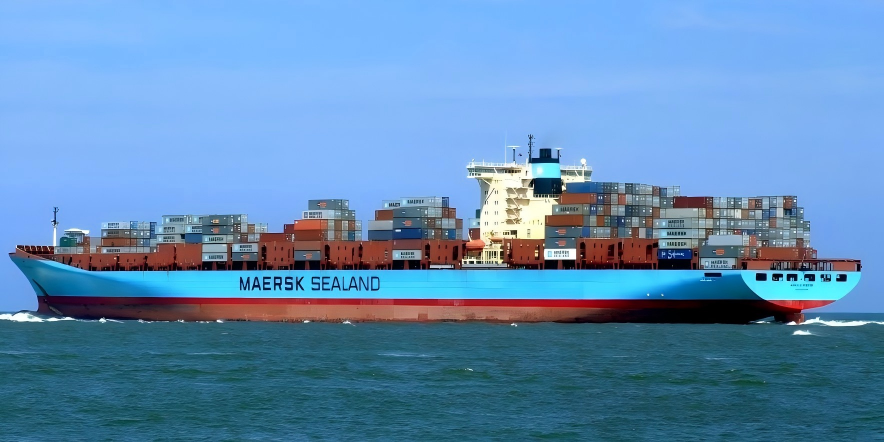
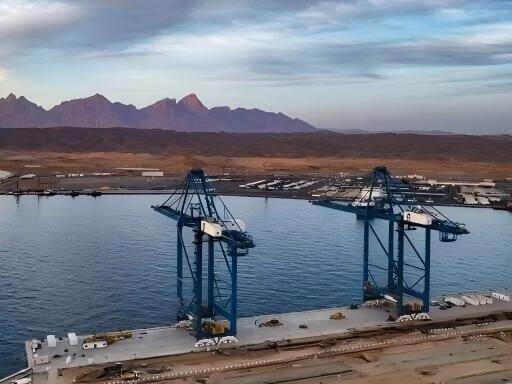
This expansion is not just a simple repair, but covers the updating of the entire set of operating equipment and the physical expansion of the site. The project has been jointly implemented by the Red Sea Gateway Terminal and Dubai International Ports Group, which has been deeply involved in the local franchise for 30 years. It will add 3 shore cranes, 27 wheeled gantry cranes, 91 terminal tractors, and 7 ground loading and unloading equipment. At the same time, the container yard will be expanded outward by 200000 square meters. The addition of these steel giants is to enable ports to maintain efficient flow of goods even in the face of global trade fluctuations.
Fill in the gaps in the cold chain
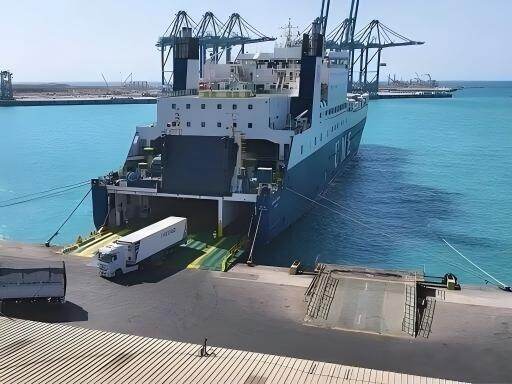
In the current outbreak of cross-border fresh food and pharmaceutical trade, the ability to handle temperature controlled goods has become an invisible threshold for port competitiveness. The focus of this upgrade is on cold chain logistics, with the number of refrigeration plugs increasing from 4800 to 9000, and the number of cold storage rooms significantly expanding from 8 to 75. This leap forward in numbers has directly broken through the previous bottleneck of temperature controlled warehousing, allowing fresh produce from the southern hemisphere and precision goods from the northern hemisphere to safely transit through the scorching temperatures of the Red Sea.keywords:Engineering infrastructure
Strengthening the hub position
As the core gateway of Saudi Arabia's Red Sea, Jeddah Islamic Port handles 75% of the country's import and export transshipment, connecting the three major markets of Asia, Europe, America, and Africa. Currently, it handles 20000 containers per day and has sufficient operating capacity. Recently, it has also added 14 shipping services. In 2025, the South Container Terminal has just increased its annual processing capacity to 4 million TEUs. This time, it is expanding its capacity ahead of schedule, which can not only further leverage private capital to drive the supporting industries of warehousing and freight forwarding, but also consolidate Saudi Arabia's core competitiveness as a global logistics hub in the current environment of fluctuating shipping channels with a leading demand for infrastructure.Editor/Yang Meiling
Comment




 Praise
 Collect
 Comment

 Share
Share


Write something~