 Search



- Sudan's Ambassador to China visits JA Solar's Beijing headquarters in July 2026
- Release market signal for Chinese enterprises to participate in the repair of African war damaged power grids
In the conference room of JA Solar headquarters in Beijing in July 2026, Omar Isa Ahmed, the Sudanese Ambassador to China, gazed at the rendering of the Abidos photovoltaic project in Egypt on the wall. Outside the window was the scorching summer in Beijing, and what came to his mind was the darkness of power outages in Khartoum during the conflict. Since the outbreak of the conflict in 2023, Sudan's power infrastructure has suffered losses exceeding 1.7 billion US dollars, with the highest potential reaching 3 billion US dollars, and the economic scale has decreased by more than 40% compared to before the conflict. During the days when the power grid was paralyzed, clinics relied on diesel generators to survive, farms withered due to water shortages, and telecommunication base stations remained silent at all times. On this visit, he brought with him an urgent list: photovoltaic panels, energy storage batteries, technology transfer plans, and hopes for bringing light back into the ruins of Sudan. This is not an ordinary business visit, but presenting a country's survival needs to Chinese photovoltaic companies.
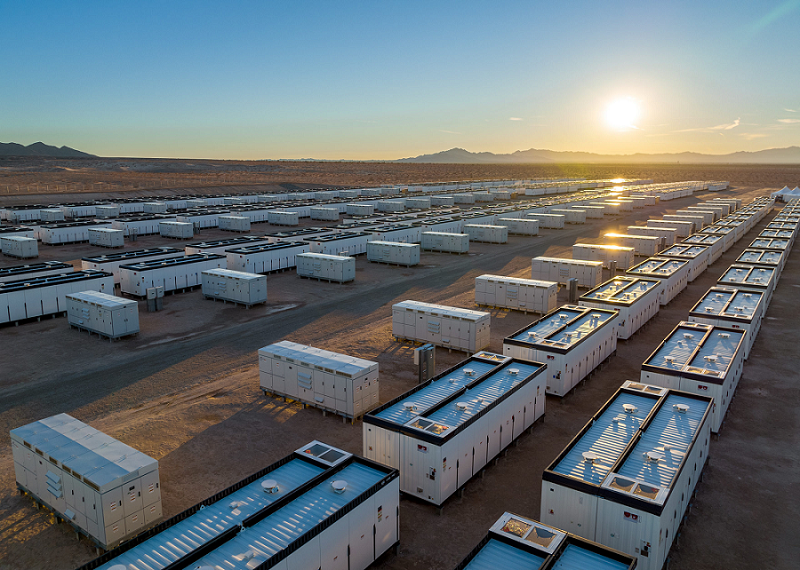
Diplomatic Release Signal
The Sudan Forum and Sudan Horizon recorded the meeting, where both sides exchanged views on photovoltaics, energy storage, technology transfer, and power infrastructure restoration. The report did not disclose the project name, installed capacity, construction location, contract amount, power purchaser, financing bank or start date, and JA Solar's official website did not simultaneously release project announcements. But this is not the first time the two sides have had contact. In January 2025, representatives from Egypt's ReelTech company and Sudan's AFKAR company visited JA Solar's Beijing headquarters to discuss deepening cooperation on photovoltaics in Africa by 2026. The ambassador's personal visit this time raised commercial communication to a diplomatic level as a market signal.
JA Solar has footprints in Africa. The first phase of the 500 MW Abidos project in Egypt uses its components, and in January 2025, it signed a second phase 1.25 GW component procurement agreement with China Energy Engineering. According to JA Solar's 2025 annual report, the annual operating revenue was 49.129 billion yuan, with a net loss attributable to the parent company of 4.608 billion yuan. Component shipments amounted to 69.563 gigawatts, with overseas component shipments accounting for 51.29%. These numbers support its supply and channel capabilities, but entering high-risk markets like Sudan, prepayments, credit enhancement, and light asset cooperation are the talismans.
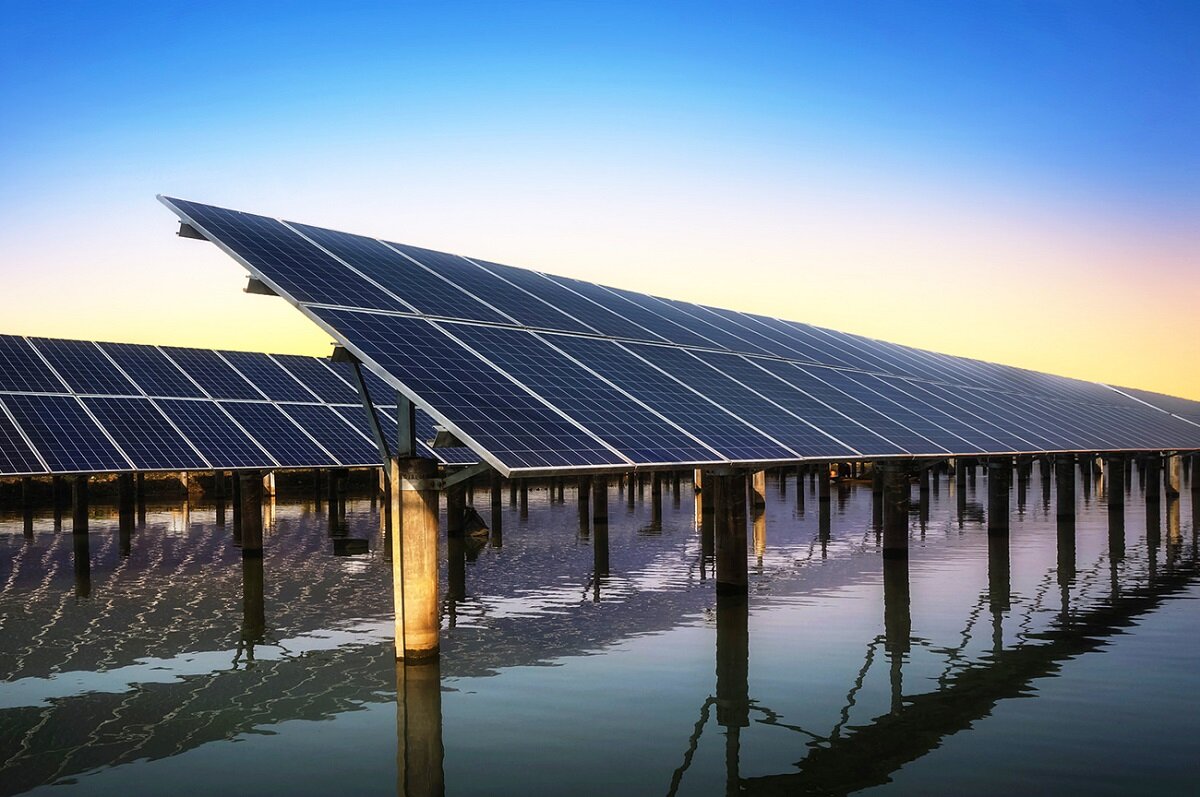
Power outages stimulate urgent needs
According to a study by the United Nations Development Programme in 2026, the power losses caused by conflicts exceed $1.7 billion, with the highest potential reaching $3 billion. After the power grid failure, farms, clinics, water supply systems, telecommunications stations, small businesses, and households turned to solar energy to reduce their dependence on diesel. The International Renewable Energy Agency's "2026 Renewable Energy Installation Statistics" shows that Sudan's installed solar power capacity in 2025 is 190 megawatts, and the total installed renewable energy capacity is 1871 megawatts. This scale is still limited in the face of wartime electricity shortages, and the official installation and recovery speed cannot keep up with the spread of terminal self rescue devices.
The United Nations Development Programme also mentioned that Sudanese importers are facing issues such as full container purchases, 100% advance payments, foreign exchange shortages, port and customs delays, influx of low-quality products, and outflow of technical personnel. Low priced components cannot solve payment, installation, maintenance, and security issues alone. In the land where the war is still raging, solar energy is not just a business, but also a basic service guarantee after power outages.
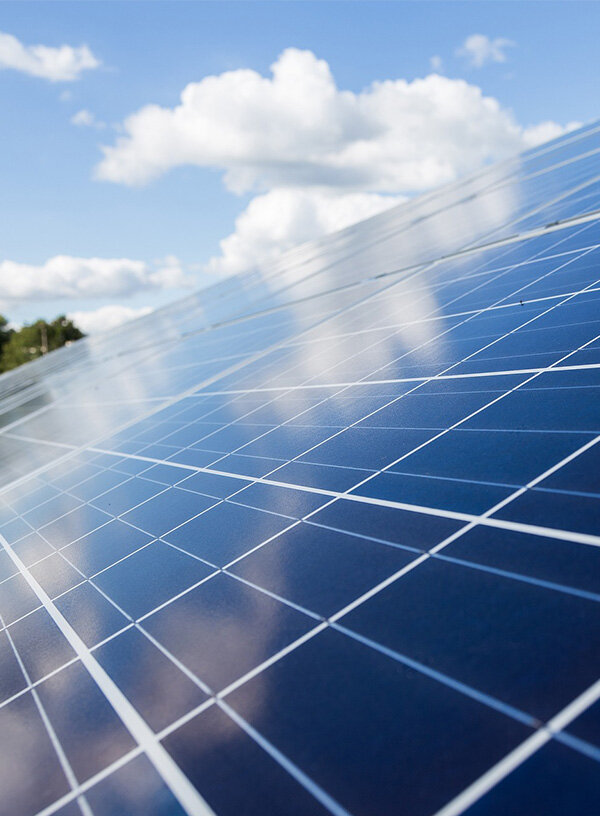
Order directed to small and micro enterprises
Currently, smaller projects with clear funding, location, and acceptance criteria are closer to implementation. The World Bank has approved a $76.3 million sustainable clean energy access transformation plan for Sudan in 2025, supporting the deployment of 500 renewable energy systems and digital connectivity services in Gadarif, Kassala, Northern, and Nile states. The goal is to benefit 150000 people, including public spaces, farms, telecommunications networks, and small businesses. The project will be executed by the Eastern and Southern African Trade and Development Bank and will adopt a results based payment mechanism.
The United Nations Development Programme's microgrid project plans to transform two sets of diesel microgrids with 2 megawatts of photovoltaic and 6.9 megawatt hours of energy storage, directly benefiting about 144000 people. Over the past five years, the organization has installed nearly 300 solar powered water supply systems in Sudan, resulting in a maximum reduction of 70% in diesel usage and related costs in some scenarios. This type of project sends a clear signal to Chinese equipment manufacturers, energy storage companies, and engineering general contractors. Procurement is shifting from single component to system package, and the seller needs to include inverters, energy storage safety, remote monitoring, spare parts, training, and warranty in the delivery plan.
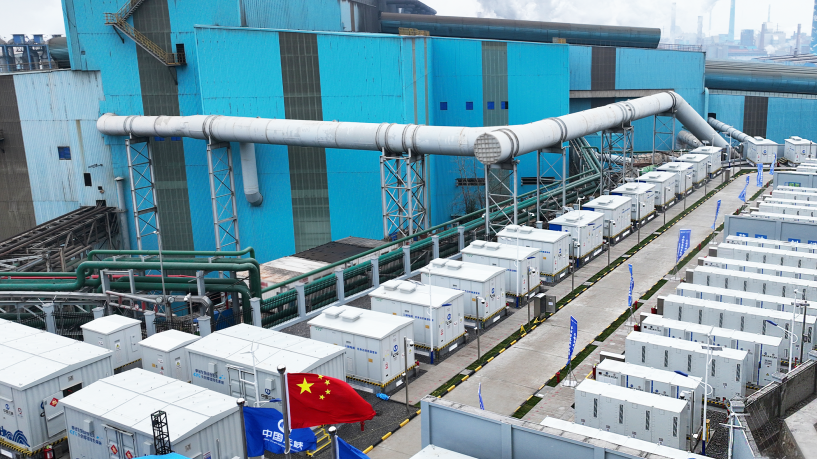
The Chinese Embassy in Sudan stated in June 2026 that since 2025, economic and trade cooperation between China and Sudan has gradually resumed, and China has once again become Sudan's largest source of imports. China's exports to Sudan include power equipment and new energy products. Chinese companies have entered the main supply chain for Sudan's restorative imports. For equipment manufacturers, opportunities are concentrated in components, inverters, energy storage, electrical control, brackets, spare parts, installation training, and after-sales networks. Quotations need to cover high temperature, dust prevention, energy storage fire protection, remote monitoring, spare parts, and warranty boundaries. Merely listing component prices is difficult to control delivery risks. Engineering general contracting enterprises should prioritize tracking projects funded by multilateral institutions, as well as hospital, water supply, telecommunications, and agricultural irrigation projects. Large scale independent power generation projects can invest high upfront costs only after the power purchase agreement, electricity price, grid connection point, power purchaser, foreign exchange payment, and guarantee arrangements are clarified. Trade and logistics companies should include the customs clearance cycle, demurrage fees, insurance, and transfer of cargo rights at Port Sudan in their orders.
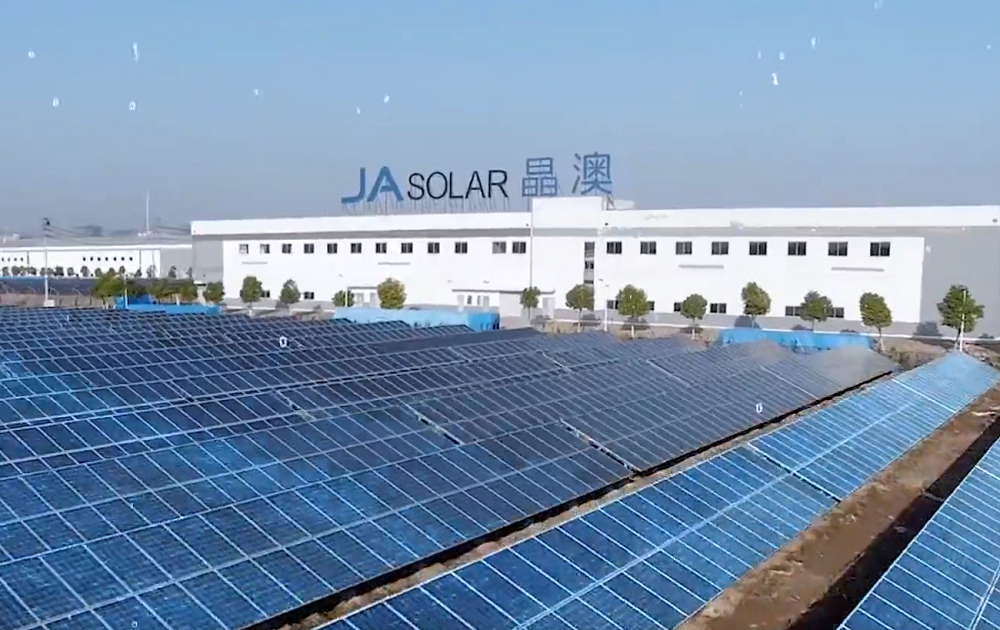
The war in Sudan is still ongoing. According to the Consular Service Network of the Chinese Ministry of Foreign Affairs, there are currently 13 high-risk red areas in Sudan, while the rest are high-risk orange areas. Chinese citizens are reminded not to travel to red areas in the near future. The page of the Office of Foreign Assets Control of the US Treasury Department shows that the US has lifted comprehensive economic sanctions against Sudan, but still retains targeted sanctions against some individuals and entities. Before conducting solar storage business in Sudan, enterprises must verify the owners, shareholders, ultimate beneficiaries, payment banks, logistics agents, final use of goods, and project locations on a case by case basis. The most valuable observation signals in the future include the disclosure of specific project names, scales, amounts, and executing entities by the Sudanese energy regulatory authorities or JA Solar, the announcement of winning bids and supply results by the World Bank, United Nations Development Programme, or Trade and Development Bank projects, as well as the completion of the first batch of equipment shipment, installation, acceptance, and payment. After these signals appear, diplomatic negotiations will be transformed into orders that companies can calculate.Editor/Yang Meiling
Comment


 Praise
 Collect
 Comment

 Share
Share


Write something~