 Search


- Upgrading mining cooperation between the United States and Chile, restructuring the global key mineral supply chain map
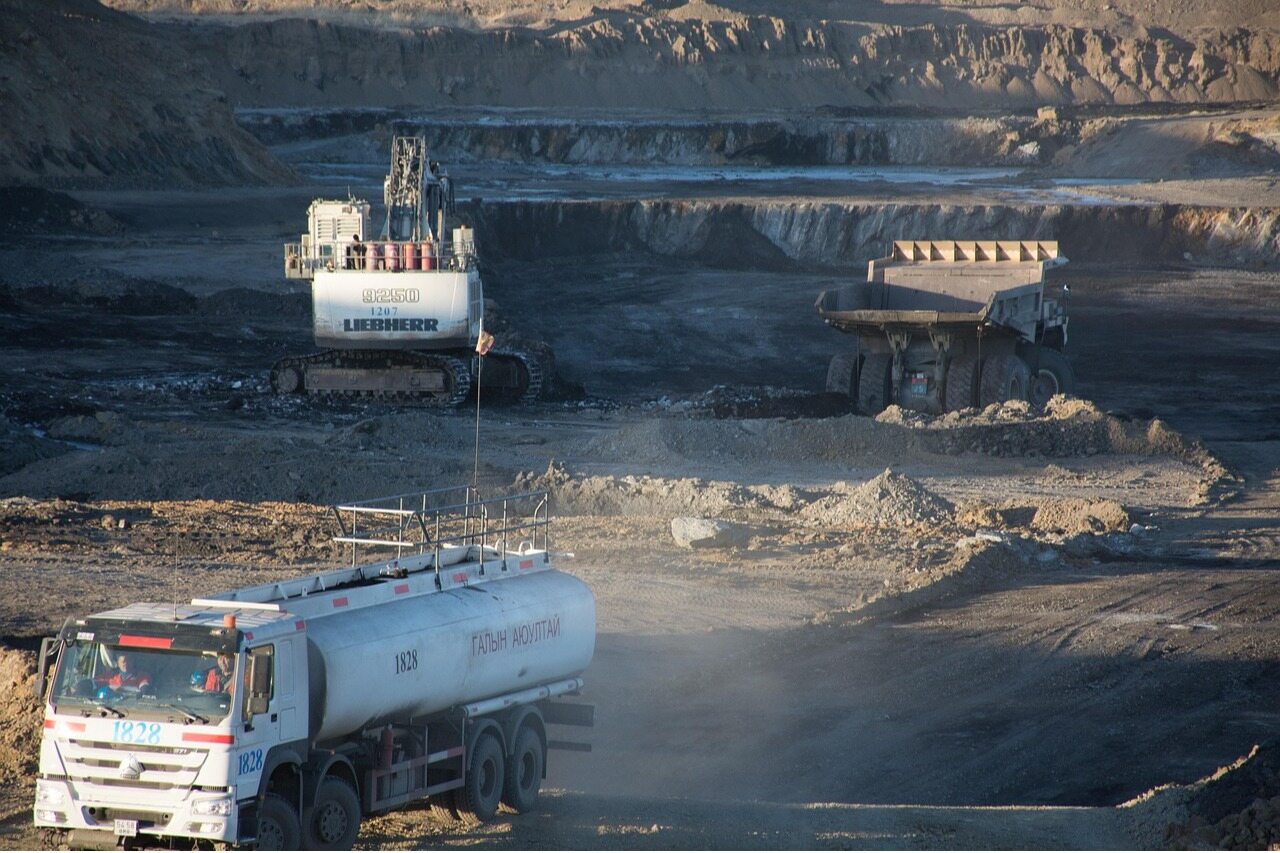
In the context of global energy transition, key minerals have become the focus of strategic competition among countries. Chile is blessed with high-quality mineral resources and has attracted a large amount of American capital through its open investment environment. Large mining companies and start-ups have landed and laid out their operations, promoting the continuous warming of bilateral mining cooperation.
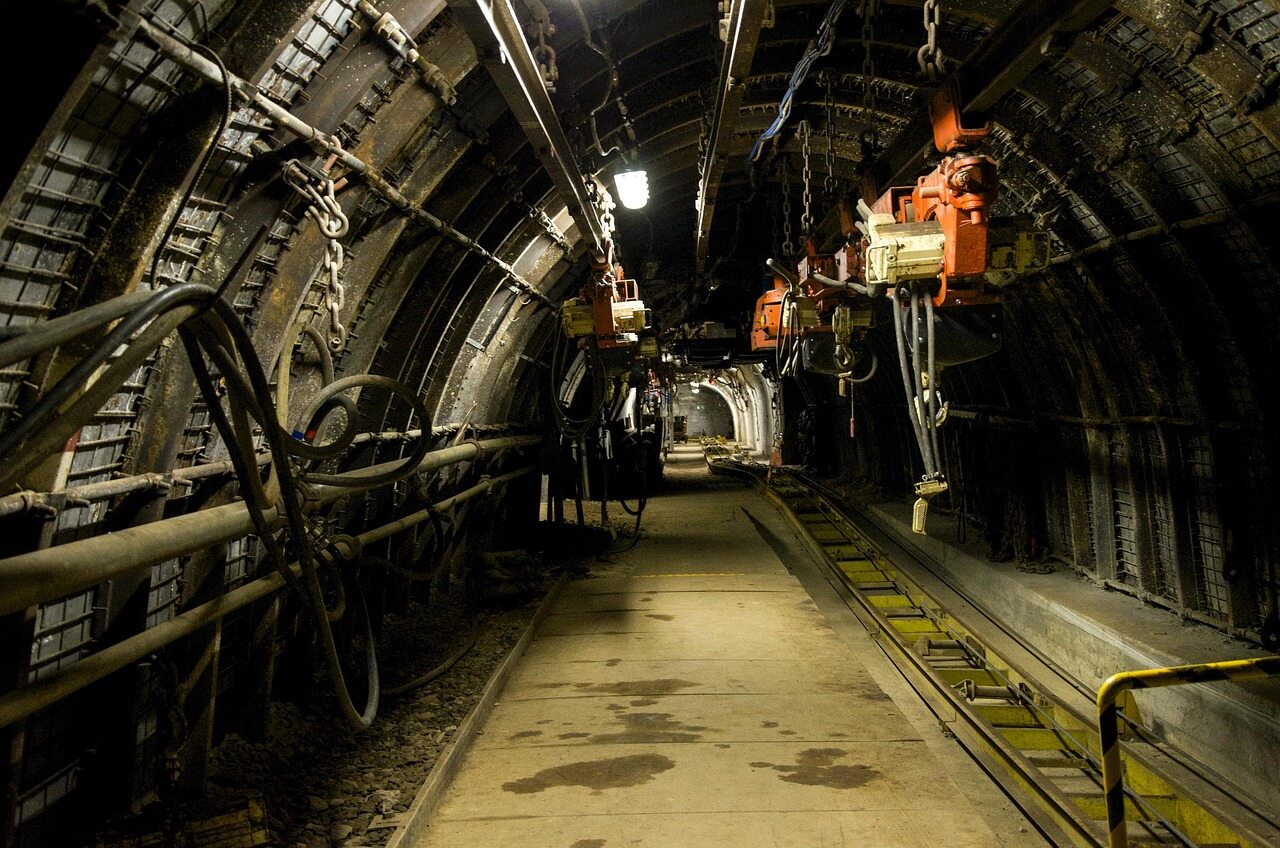
Concentrated US investment landing in Chile
According to overseas industry media reports, the United States is fully committed to cultivating the Chilean mining market and striving to become a core mining partner in the region. At present, several leading mining companies in the United States have invested a total of $24.2 billion in Chile for capacity expansion. At the same time, a large number of small enterprises are investing in green spaces, and science and technology innovation companies are also relying on local resources to carry out technology implementation verification. Chile has 25% of the world's lithium reserves and abundant reserves of key minerals such as copper, rhenium, and iodine. With outstanding resource endowments and friendly foreign investment policies, it has become a core destination for the mineral layout of major countries.
Previously, foreign investment in Chile's mining industry mainly came from Canada, Japan, and Australia, with China being its primary trading partner for a long time. With the establishment of a key mineral and rare earth consultation and cooperation mechanism by the United States, the traditional mining cooperation pattern is undergoing significant adjustments, and the bilateral strategic resource alliance attributes continue to strengthen. From 2020 to 2025, Chile's average annual export value of mineral products to the United States is 9.412 billion US dollars, with an average annual growth rate of 24.4%. Among them, the average annual export value of copper products is 8.684 billion US dollars, with a growth rate of 26.5%. By 2025, Chile's electrolytic copper will account for 54% of the total imports to the United States, while rhenium, iodine, and lithium hydroxide will account for 95%, 88%, and 82% of imports, respectively, indicating a stable position in resource supply.
Multi point flowering of project layout
Major mining companies in the United States have landed multiple heavyweight industrialization projects in Chile, covering multiple core categories such as copper, lithium, and cobalt mines. Freeport McMurden invests $7.5 billion to extend the local copper mining life by 40 years and increase production capacity. Yabao invested $3.1 billion to build a lithium extraction project, nearly doubling its existing production capacity. The two major green projects in Newmont have a total investment of 13.2 billion US dollars, and after being put into operation, they can stably produce mineral resources such as copper and gold.
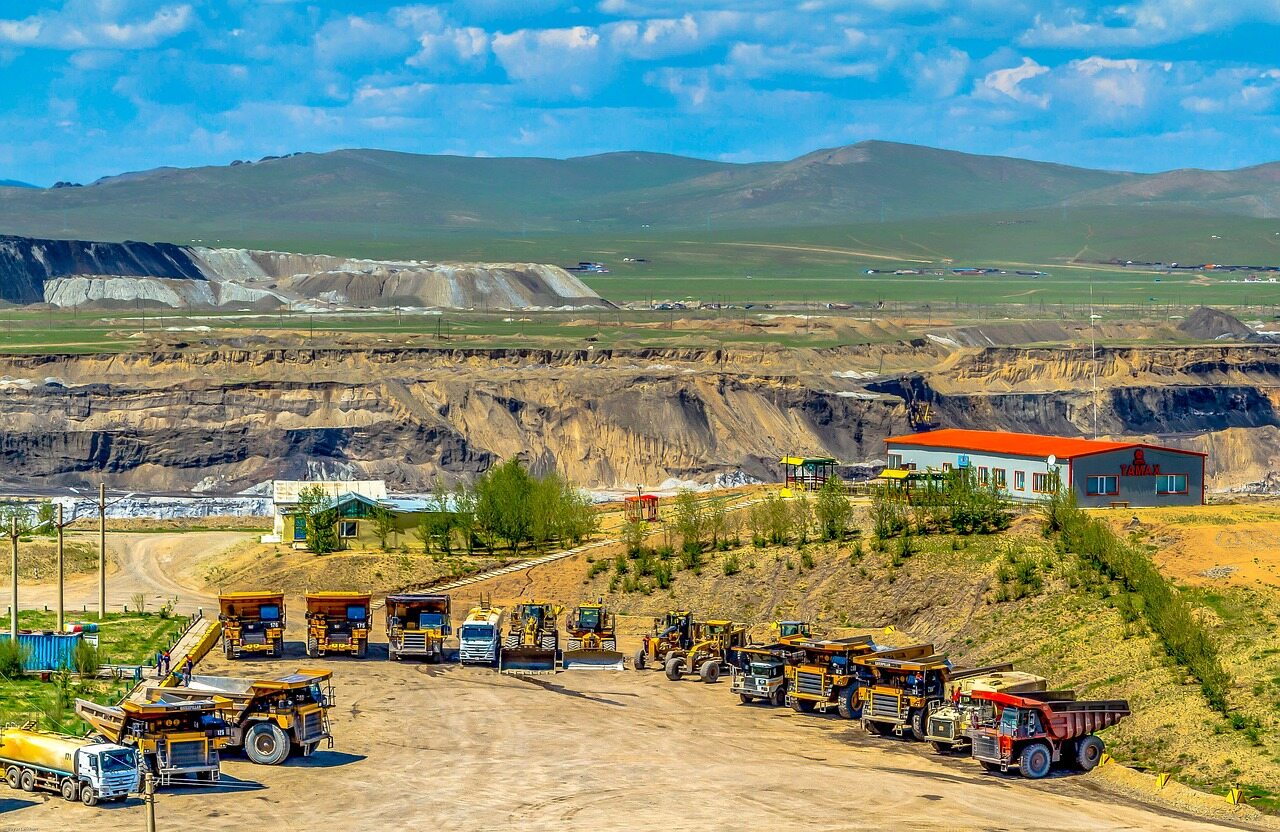
In addition, small and medium-sized mining enterprises and startups in the United States continue to follow up on their layout. Atana Elements has completed a $27.5 million financing to expand its business in Chile. Chile's cobalt industry's $400 million mining project has received $317 million in loan support from the Export Import Bank of the United States, and all mineral products will be transported to the United States for processing. Pure lithium and other scientific and technological innovation enterprises have also landed local projects, relying on Chile's abundant lithium resources to iteratively upgrade core technologies and continuously improve the layout of the US key mineral supply chain in South America.Editor/Min Jing
Comment



 Praise
 Collect
 Comment

 Share
Share


Write something~