 Search


- Kazakhstan launches five-year hydropower expansion plan, with 43 small and medium-sized hydropower stations supporting operation
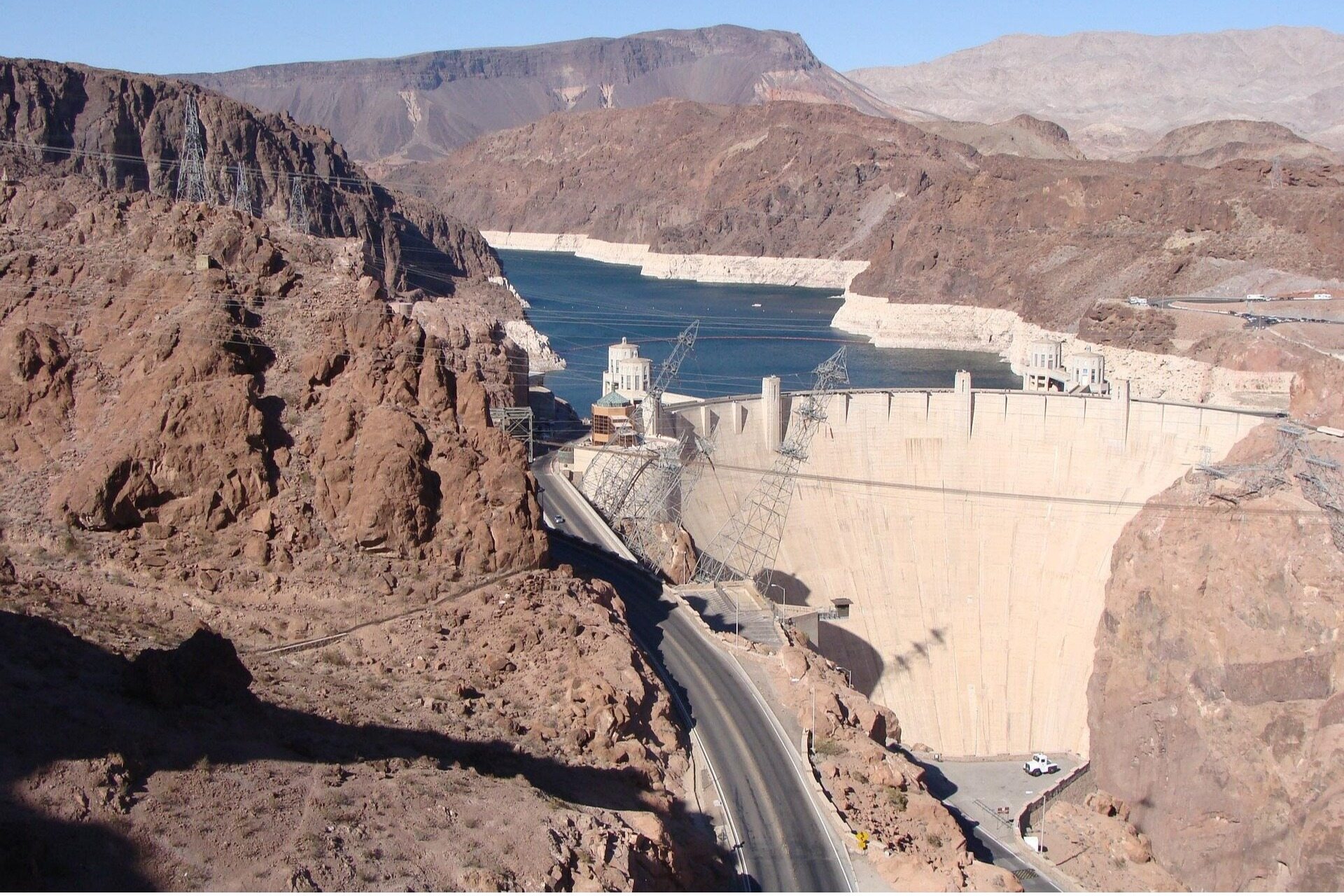
313 MW to nearly 1000 MW - Kazakhstan is planning to expand its hydroelectric installed capacity by nearly three times within five years. The largest oil and gas exporting country in Central Asia is trying to find a new pivot in its energy structure amidst the sound of turbines in hydroelectric power plants. From an oil and gas giant to a new player in hydropower, Kazakhstan's transformation carries a pragmatic tone - not pursuing giant dams, but using small and medium-sized power plants and market-oriented mechanisms to gradually rewrite its energy map.
Nearly tripled expansion in five years
The latest plan released by the Ministry of Energy of Kazakhstan shows that by the end of 2030, the country will add about 660 megawatts of hydropower installed capacity, and the total installed capacity will jump from the current 313 megawatts to nearly 1000 megawatts. At present, there are a total of 43 hydropower stations in operation nationwide, mainly consisting of small and medium-sized projects. In 2025, the Corinthkaya No.2 hydropower station in Jieti Suzhou will be put into operation first, contributing 26 megawatts of new installed capacity and achieving a good start to the five-year expansion plan.
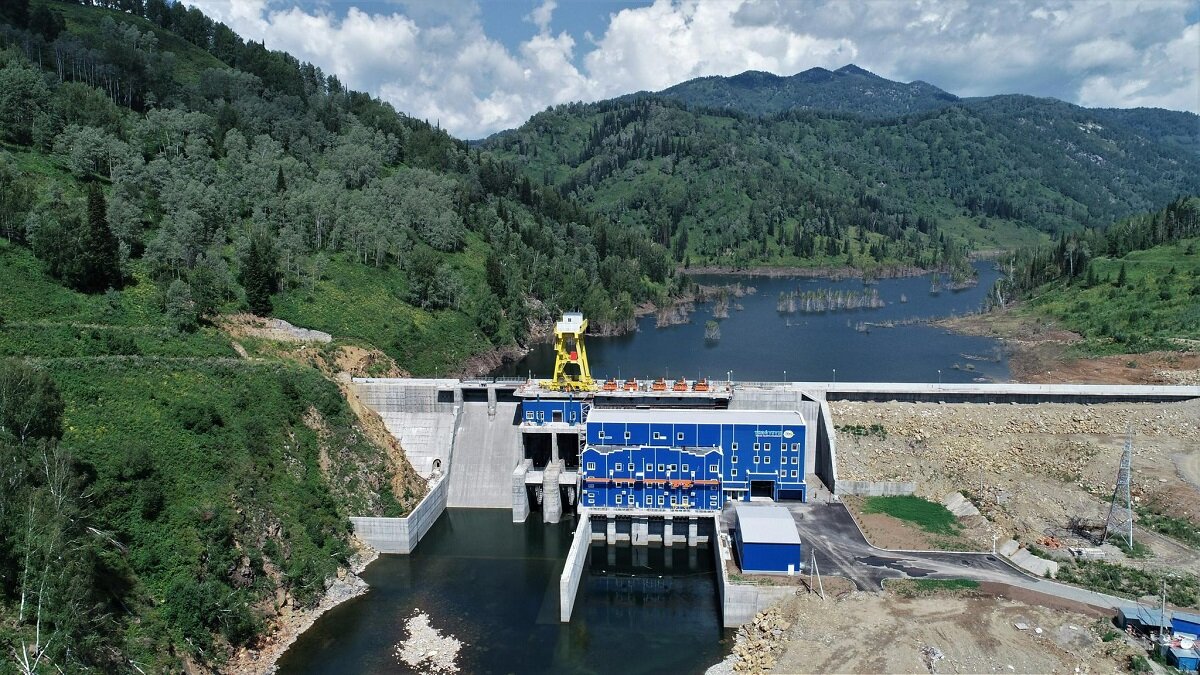
From the perspective of power generation performance, hydropower has become an important pillar of Kazakhstan's renewable energy sector. By 2025, the total renewable energy generation in China will reach 8.621 billion kilowatt hours, of which small and medium-sized hydropower stations will contribute 1.196 billion kilowatt hours. By the end of 2025, the proportion of renewable energy in the national energy structure has reached 7%, with hydropower being one of the core supports for this proportion.
Assembly in the southern and southeastern regions
Hydropower development presents obvious regional agglomeration characteristics. Jiangbu'er Oblast, Almaty Oblast, and Jieti Suzhou are the leading regions in terms of hydropower installed capacity and the main construction areas for expansion in the next five years. These regions have outstanding water energy resource endowments and relatively complete supporting power infrastructure, which can support project implementation and power consumption.
In order to attract social capital steadily, Kazakhstan continues to promote renewable energy projects through competitive auction mechanisms. In 2025, a special auction for 500 MW of installed capacity was opened for hydropower projects, with 50 MW allocated for small hydropower projects and 200 MW allocated for large hydropower projects, with a starting price of 41.23 tenge/kWh. This market-oriented competition model effectively lowers costs while creating a stable and predictable policy environment for investors, ensuring the smooth implementation of hydropower expansion targets at the institutional level.
Not just clean electricity
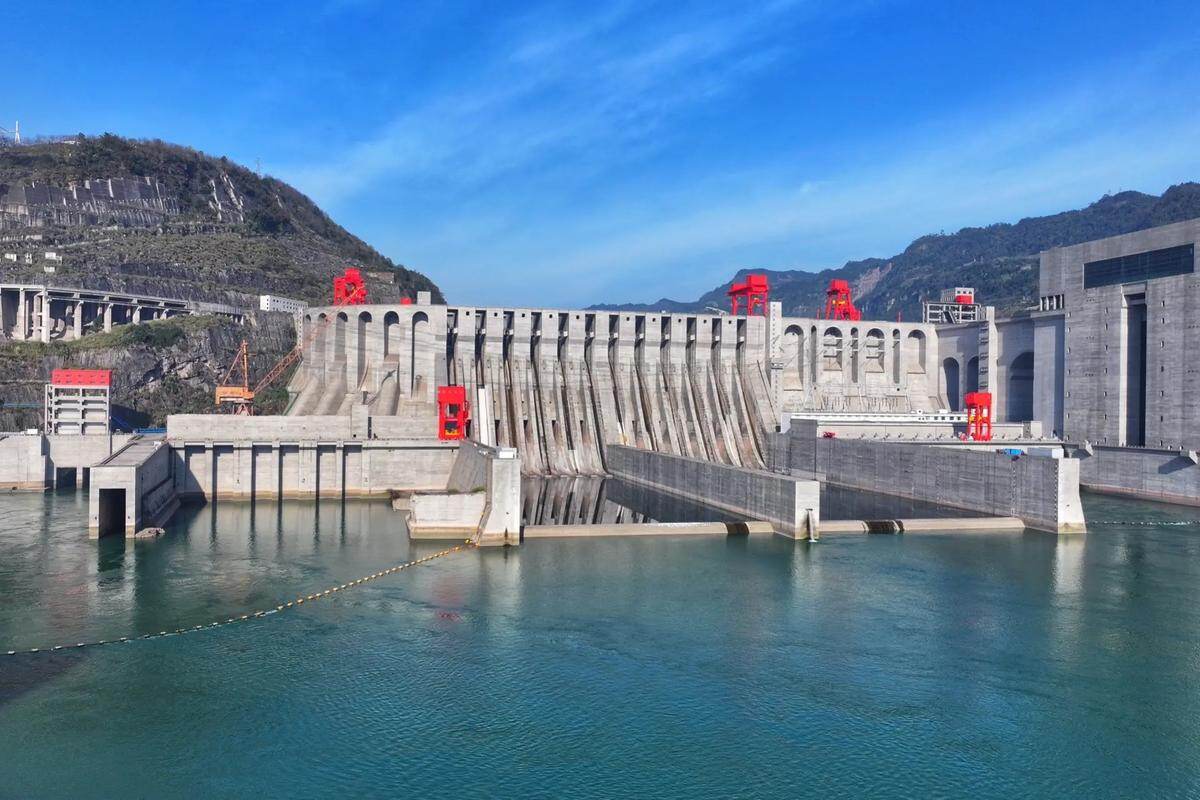
In the official plan, this round of hydropower expansion carries multiple goals of energy transformation and system upgrading: optimizing the energy supply structure and reducing dependence on fossil fuels; Provide stable green electricity to remote areas and fill the power supply gaps in some areas; Meet regional electricity demand nearby, reduce transmission pressure on the main transmission network, and improve the operational reliability of the entire power system. Keywords: hydropower, new energy
Considering the fact that the average operating life of coal-fired power units in Kazakhstan has exceeded 50 years and their flexible regulation capabilities are limited, the strategic value of hydropower as a base load supplement is further highlighted. Through a combination of small and medium-sized hydropower and market-oriented mechanisms, Kazakhstan is laying the foundation for the transformation of its energy structure in the next decade.Editor/Cheng Liting
Comment


 Praise
 Collect
 Comment

 Share
Share


Write something~