 Search


- The iterative upgrade of the Ken power system highlights the potential of Chinese enterprises in the overseas microgrid market

Remote areas in Kenya have long relied on diesel power stations for power supply, resulting in high fuel transportation costs and poor power supply stability, leading to increasing pressure on power operation and maintenance. With the acceleration of the transition to clean energy, a large-scale power plant renovation plan has been launched locally, providing a new stage for Chinese enterprise microgrid technology to go global.

Start of transformation landing window
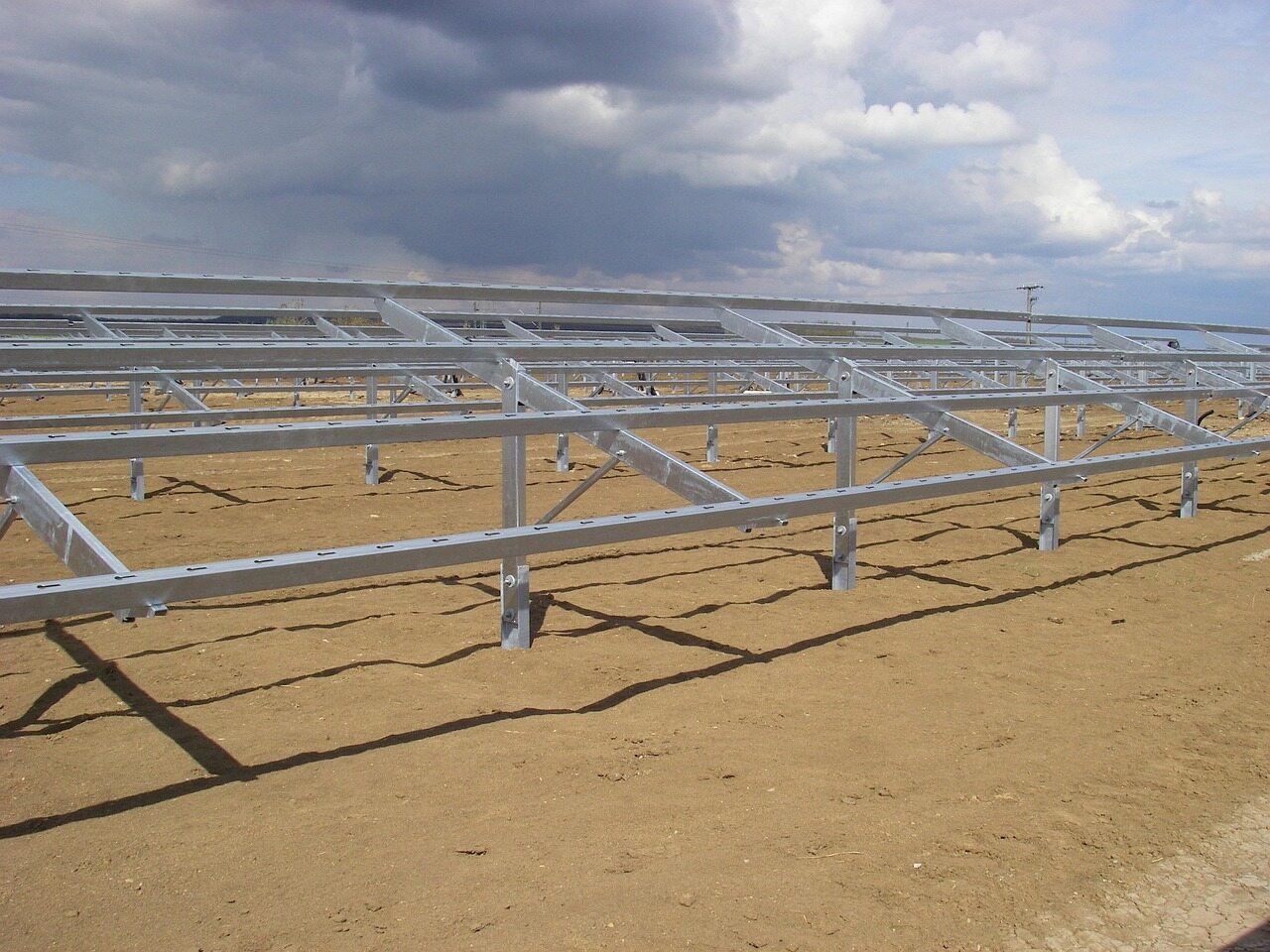
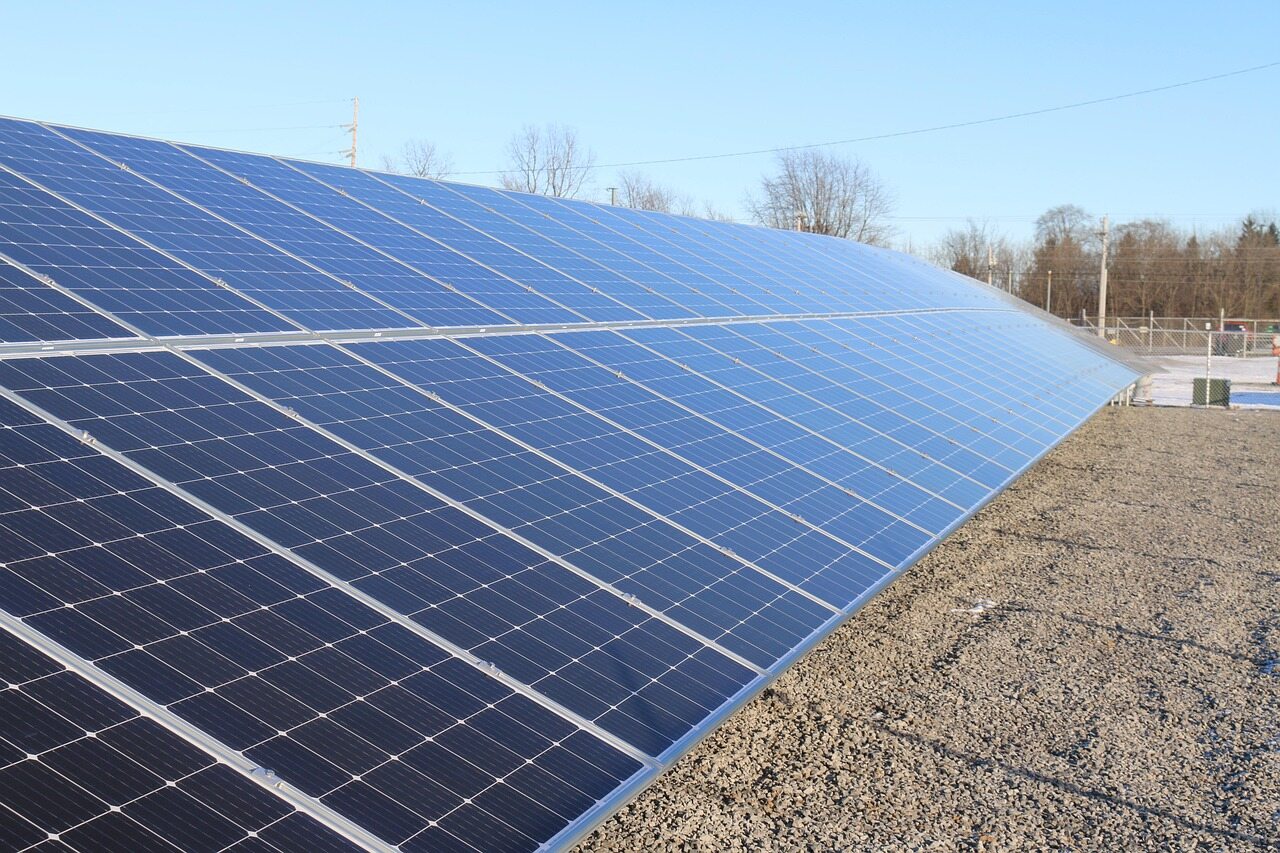
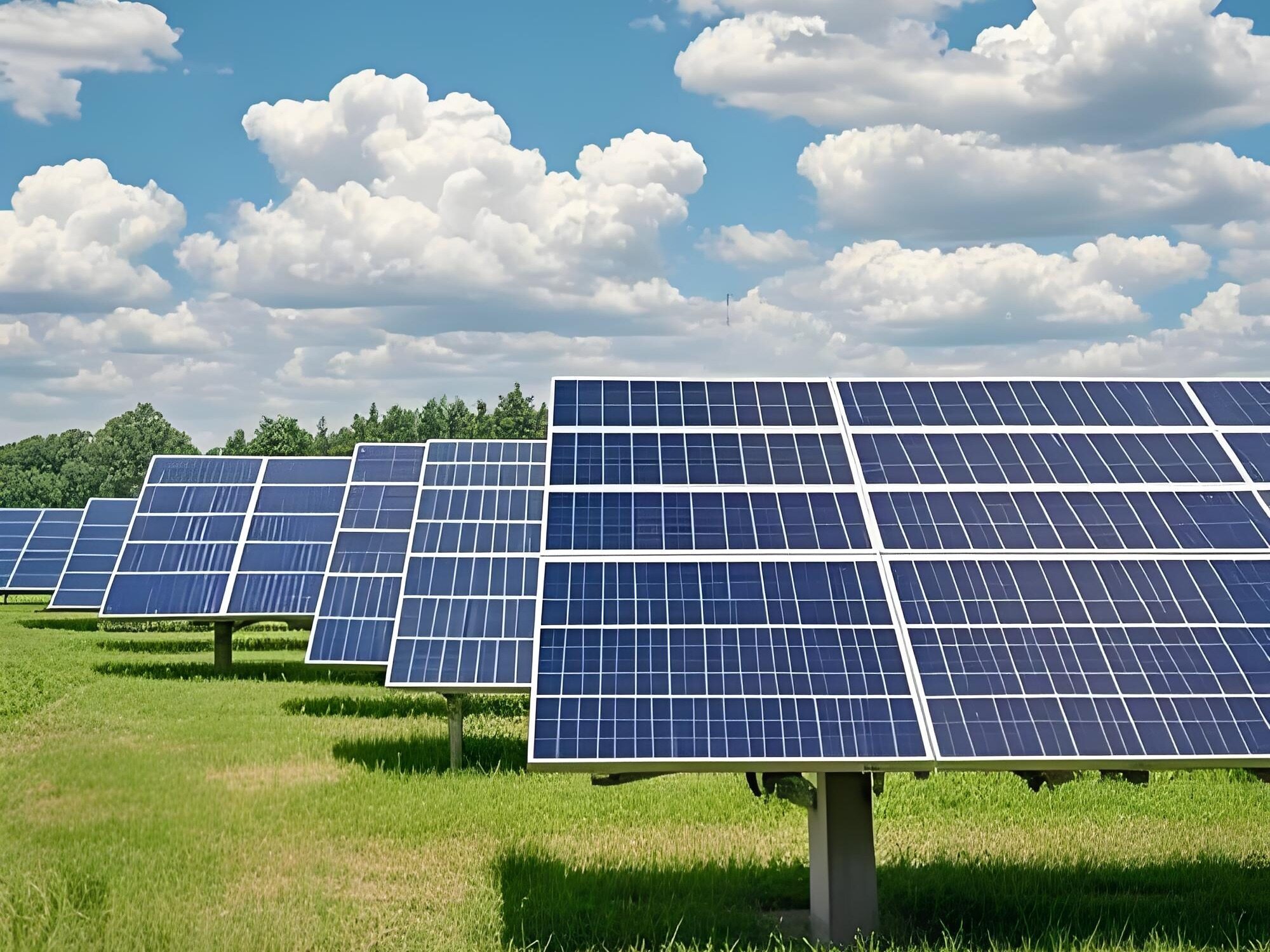
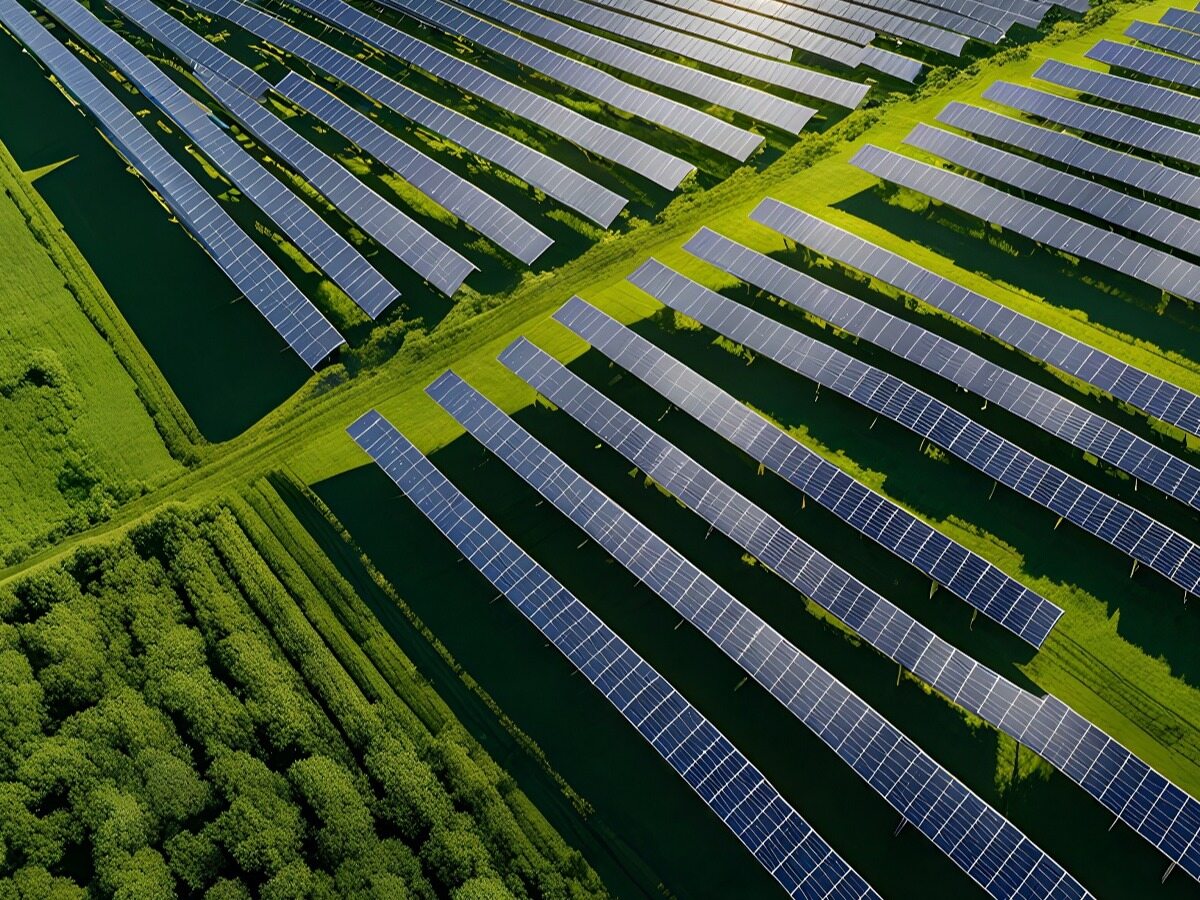
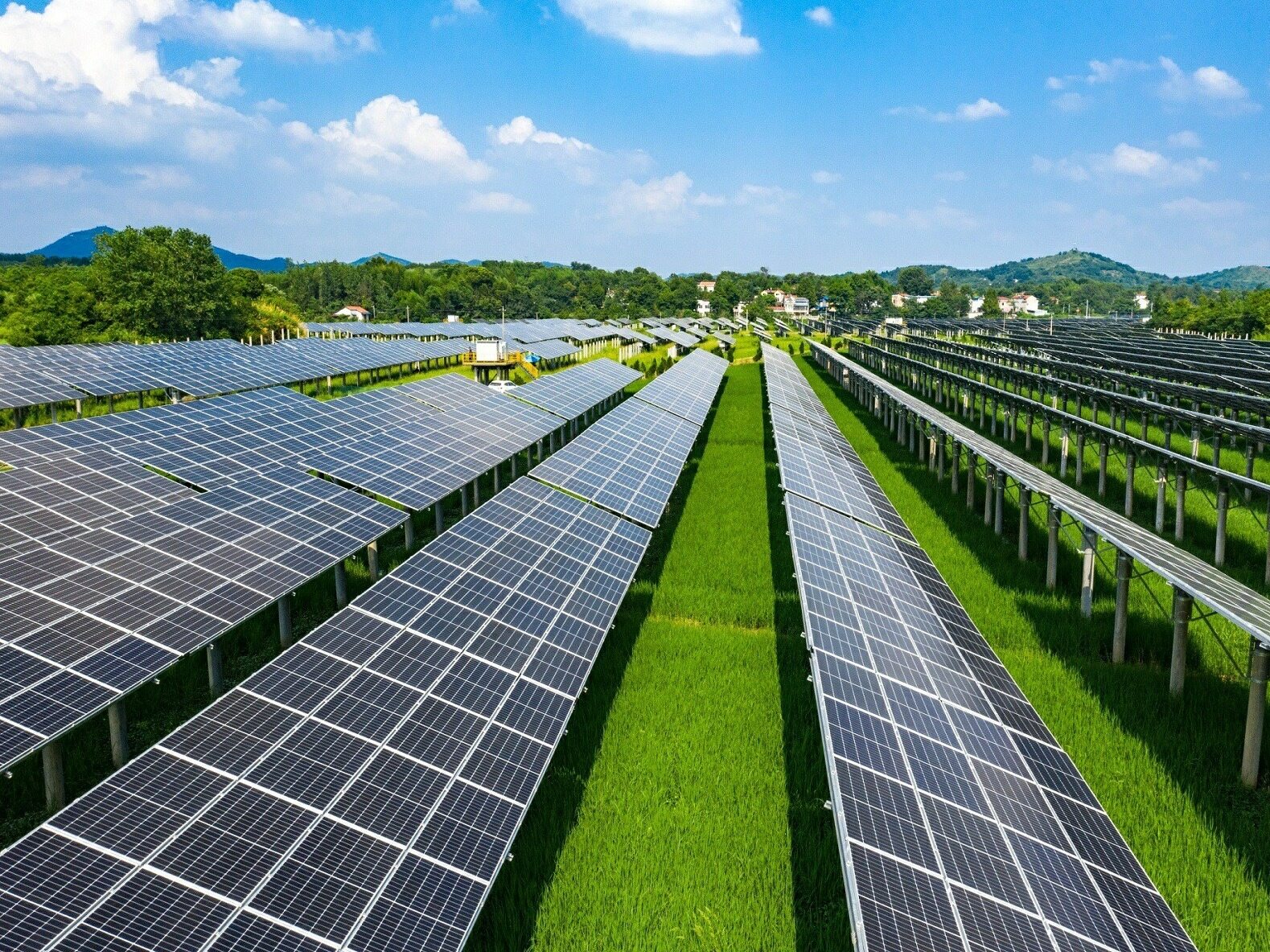
On July 16, 2026, the new renovation plan of Kenya Rural Electrification and Renewable Energy Company was approved by the Ministry of Finance, proposing to install photovoltaic equipment on 20 diesel power stations in the country and add 18.372 MWp of clean energy installed capacity. The project focuses on remote sites in the north, northeast, border areas, and outlying islands, and plans to increase the total installed capacity of clean energy in the region from 60.498MWp to 78.870MWp by 2027. After the renovation, photovoltaic will be used as the main power source, and the original diesel engine will be converted into a backup unit, greatly optimizing the power supply structure in remote areas. At present, the project has entered the preparatory stage of execution, and no overall bidding announcement has been released yet. It is highly likely that multiple batches of procurement will be implemented in the future.
Cost reduction driven transformation driven by essential needs
The operating costs of traditional diesel power generation models remain high, with monthly fuel expenditures for related diesel power stations in Kenya reaching 96.9 million Kenyan shillings, and annual fuel consumption costs of approximately 1.162 billion Kenyan shillings. The complex road conditions for fuel transportation at remote sites, combined with factors such as climate, security, and material losses, further increase the cost of power supply. Compared to the local power cost in June 2025, the cost of solar power generation is only 11.13 Kenyan shillings per kilowatt hour, far lower than the 26.9 Kenyan shillings per kilowatt hour of thermal power, indicating a significant cost advantage. This renovation can significantly reduce fuel procurement and transportation expenses, and with the addition of energy storage equipment, it can also reduce frequent start stop of diesel engines and improve power supply stability. However, the reduction in terminal electricity prices still depends on multi-party settlement mechanisms and policy coordination.
The advantages of Chinese enterprises' deep cultivation are highlighted
The basic conditions of the 20 power stations in this project are uneven. Some sites have already installed photovoltaic hybrid facilities, while others have problems such as equipment aging, battery expiration, and system lag. Targeted differentiated renovations such as new installation, equipment expansion, and system repair are needed. The core difficulty lies in the compatibility of new and old equipment and the adaptation of intelligent control systems. Chinese companies have been deeply involved in the Kenyan market for many years. Previously, Jiangxi International undertook the construction of the local Galsa photovoltaic power station, which has formed a mature project financing, engineering construction, and operation and maintenance cooperation system, adapting to local market rules. Keywords: photovoltaic microgrid renovation, overseas new energy
Compared to pure equipment supply enterprises, Chinese enterprises with integrated capabilities in photovoltaic, energy storage, electronic control, and operation and maintenance are more suitable for the needs of this renovation project. Industry insiders suggest that Chinese enterprises need to conduct site research in advance, customize layered solutions, establish local cooperation systems, and strictly control financing and repayment risks to accurately grasp the opportunities of overseas microgrid upgrades.Editor/Min Jing
Comment




 Praise
 Collect
 Comment

 Share
Share


Write something~