 Search


- The Philippines leaps to become the largest single market for China's photovoltaic module exports
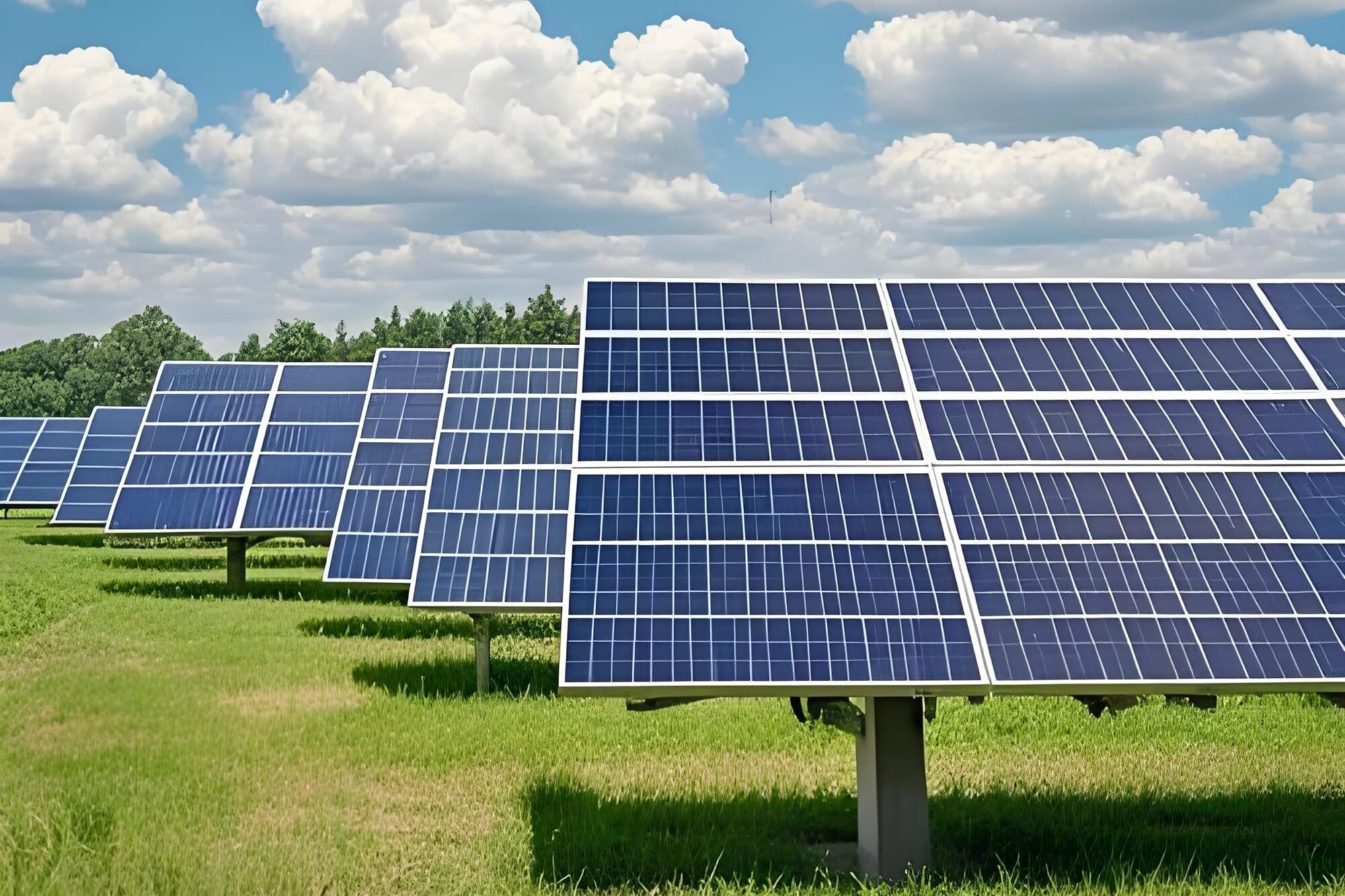
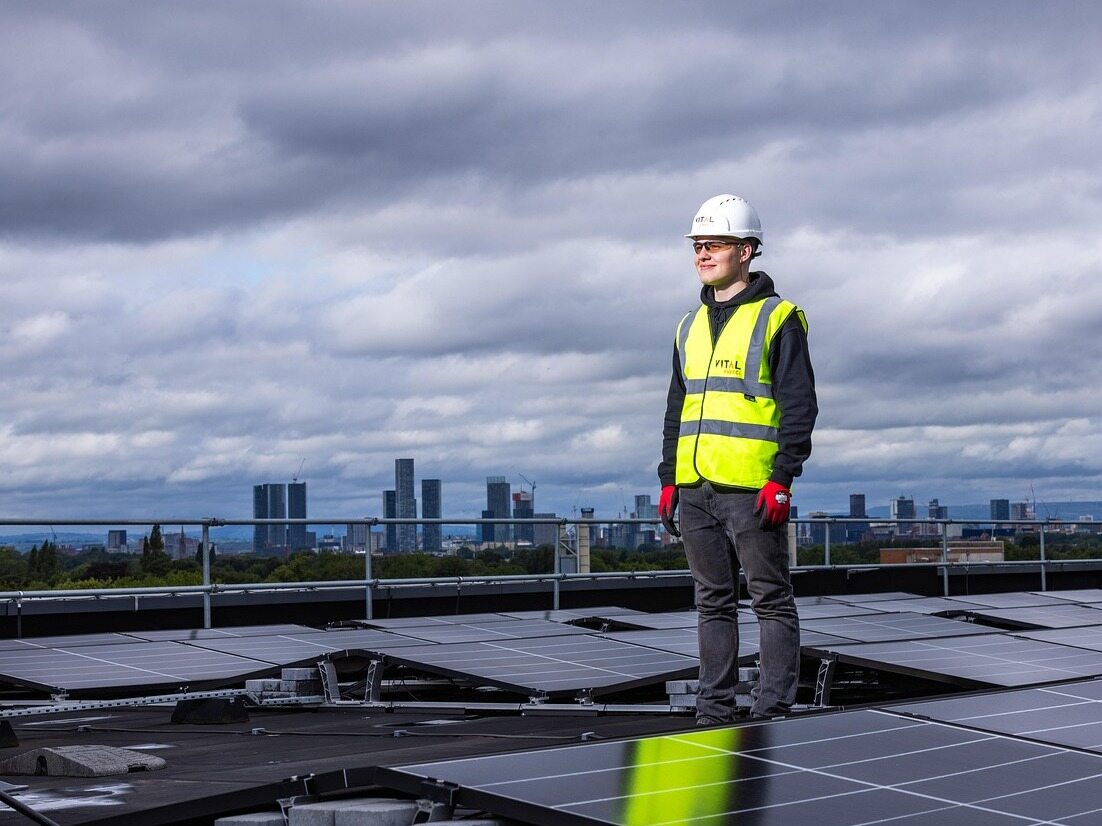
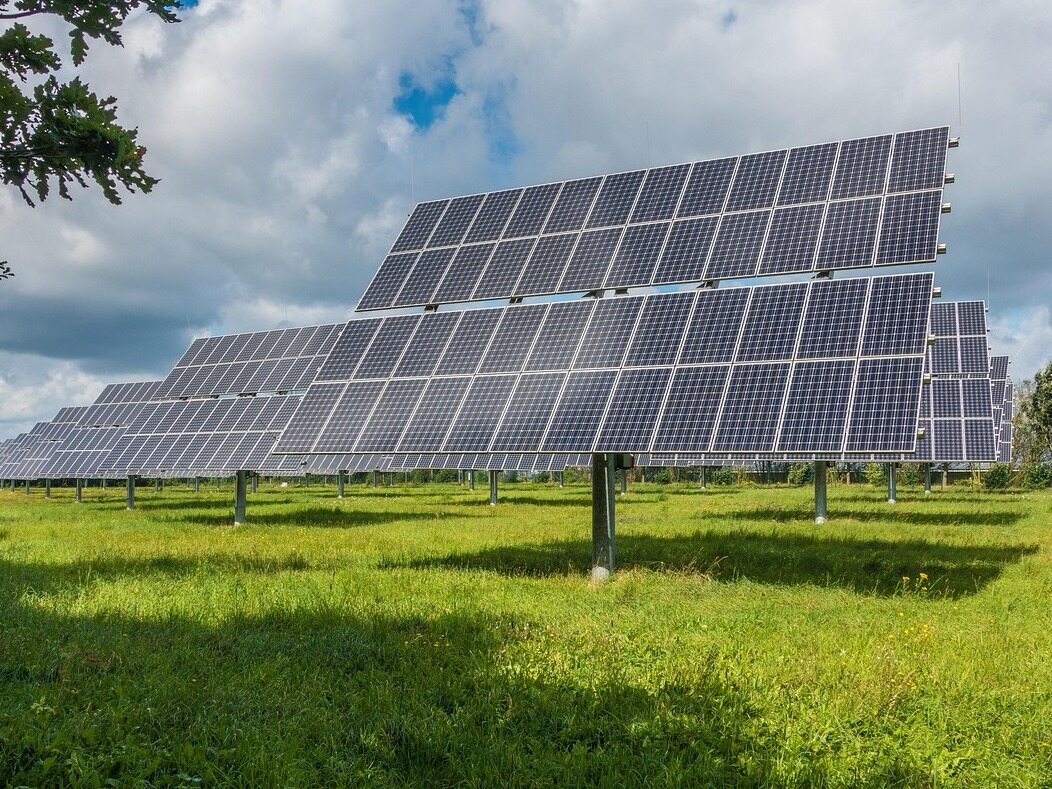
Recently, under scorching sun in the outskirts of Davao, Philippines, resident Cesar Arriaga furrowed his brow as he looked at the constantly jumping electricity meter numbers in his home. Affected by the fluctuations in oil and gas prices caused by the geopolitical conflict in the Middle East thousands of miles away, local electricity bills continue to rise, forcing him to visit photovoltaic stores for consultation. This scene is becoming a microcosm of Philippine society today - as energy anxiety spreads, Chinese photovoltaic modules are being installed on the roofs of households and factories in this archipelago at an unprecedented speed.
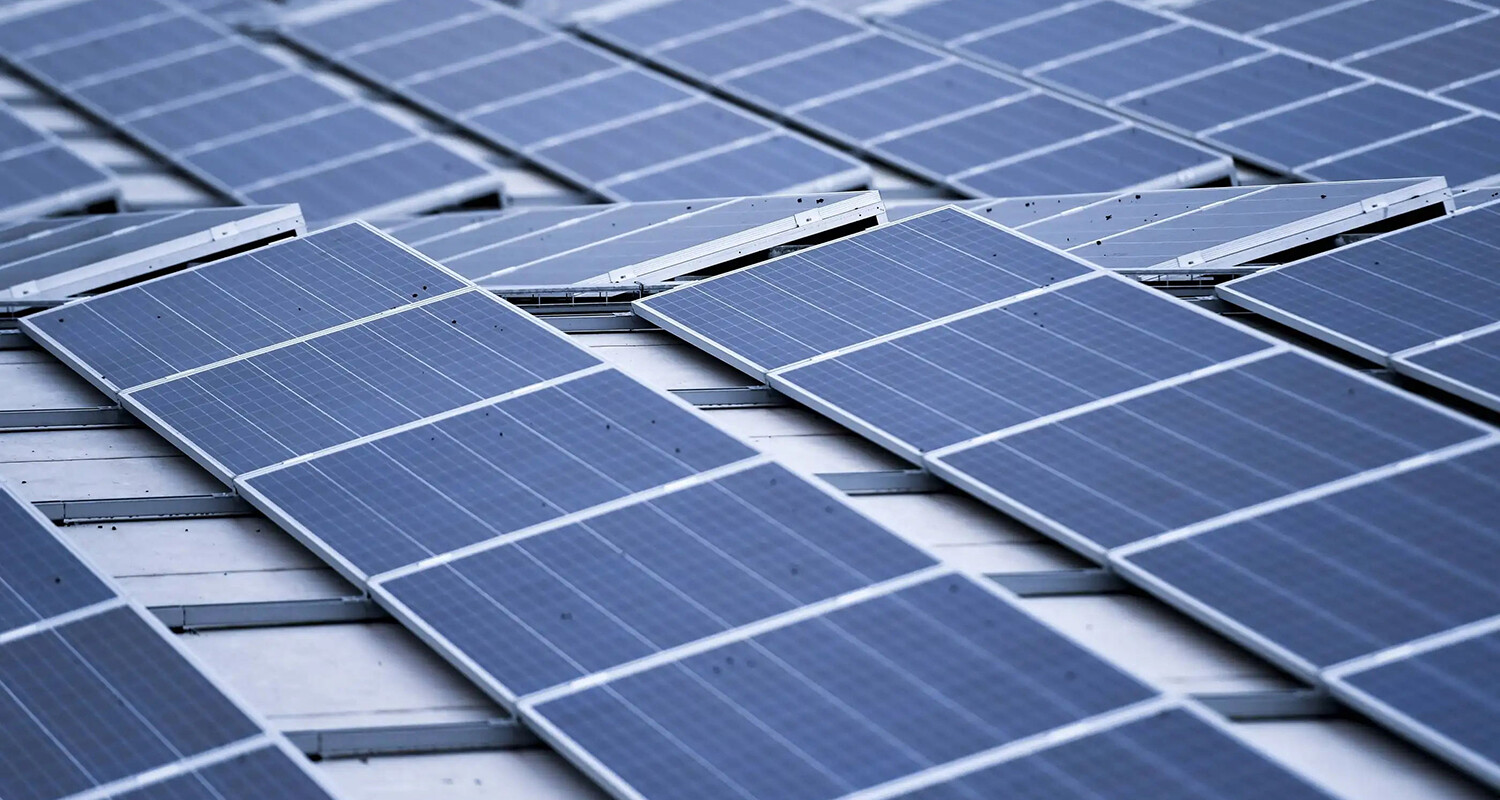
The Philippine market's imports have doubled and surged
The uncertainty of energy prices is reshaping the energy consumption structure in the Philippines. In the first five months of 2026, China's exports of solar modules to the Philippines surged by over 100% year-on-year, with a monthly increase of 262% in March alone. As of now, the cumulative expenditure of the Philippines on purchasing Chinese photovoltaic products has exceeded the $500 million mark. This rapid growth has enabled the Philippines to surpass traditional markets such as Pakistan for the first time this year and become the largest overseas market for China's solar module exports, second only to the European hub of the Netherlands.
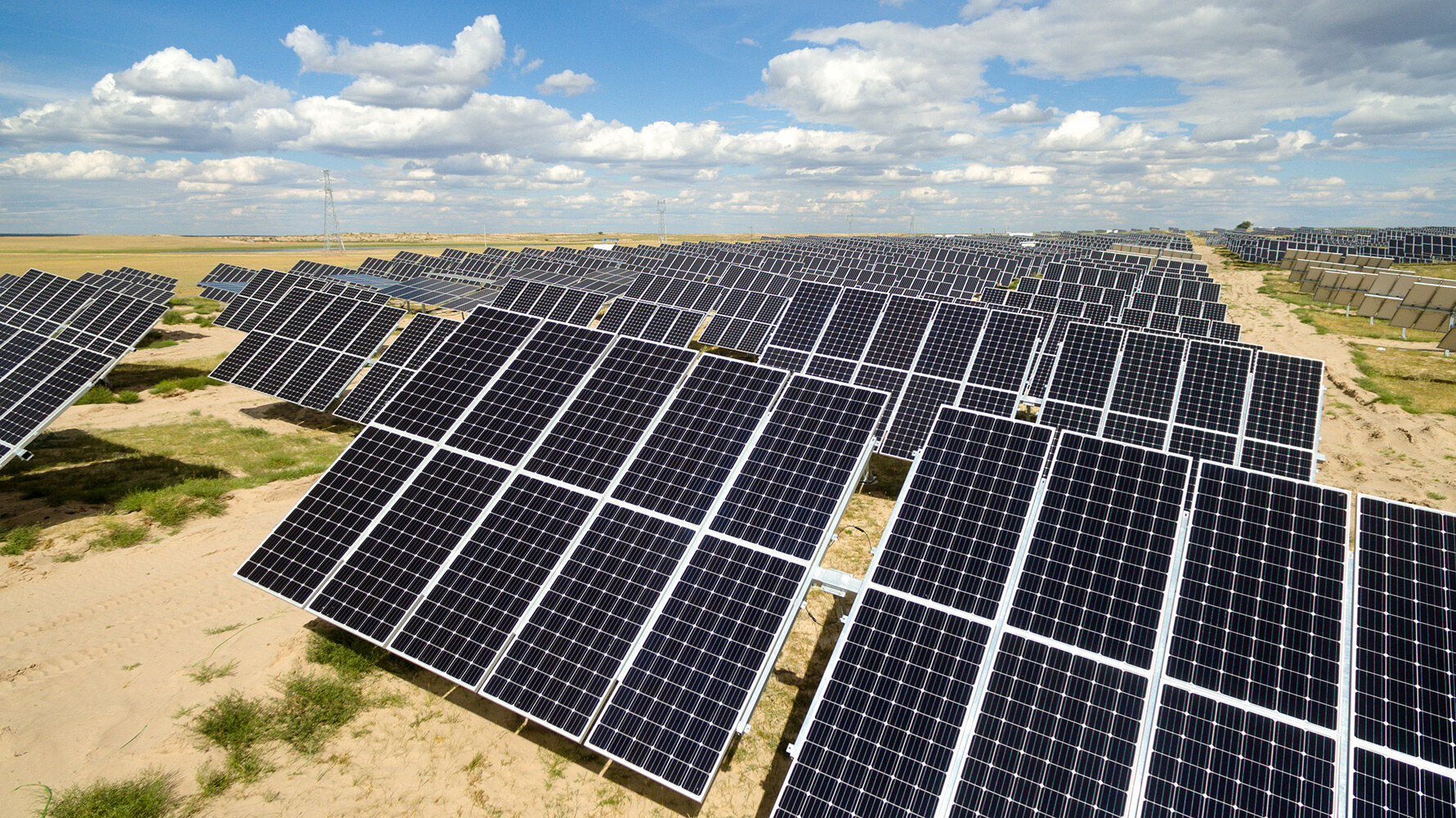
Chinese products have an advantage in cost-effectiveness
In the domestic market of the Philippines, the competitive advantage of Chinese photovoltaic products is increasingly prominent. Local user feedback shows that Chinese components not only have significant cost performance advantages in terms of price, but also have excellent technical performance. This combination of "high quality and low price" perfectly meets the urgent demand of Filipino households and business entities to reduce electricity costs. From residential rooftops to large-scale industrial and commercial power stations, China's photovoltaic industry has won widespread market recognition with its stable supply capacity and product design that is suitable for tropical climates. Keywords: solar energy storage projects、Photovoltaic new energy news
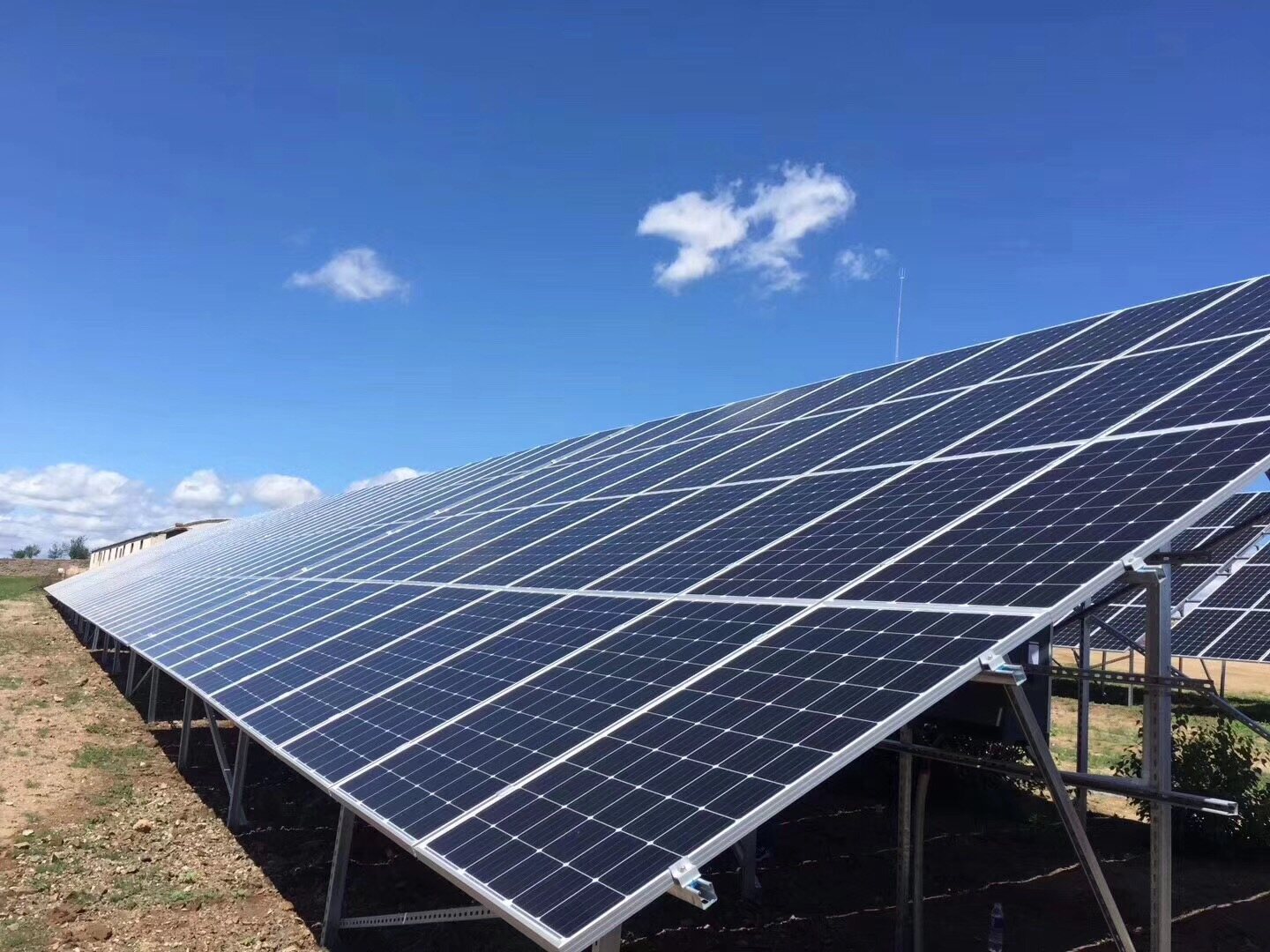
Energy transition to hedge external risks
The change in market landscape reflects a shift in the logic of energy security in Southeast Asia. The ongoing turmoil in the Middle East has accelerated the Philippines' reflection on its dependence on fossil fuels. Vigorously developing local renewable energy such as photovoltaics is seen as a key path to hedge against international oil and gas price fluctuations and ensure energy independence. The deep participation of China's photovoltaic industry not only provides practical and feasible carbon reduction and cost reduction solutions for the Philippines, but also opens up a new channel for China's high-end manufacturing to go global and avoid red ocean competition, and deeply cultivate segmented demand.Editor/Gao Xue
Comment

 Praise
 Collect
 Comment

 Share
Share


Write something~