 Search


- Both parties confirm the promotion of strategic projects such as railways, Lihai Navigation, and a 600 MW pumped storage power station
- This marks the deepening of China Kazakhstan infrastructure cooperation from transportation connectivity to comprehensive development of green energy
At a high-level meeting in Shanghai, the hands of Kazakhstani President Kassem Jomart Tokayev and China Communications Construction Corporation Chairman Zhang Bingnan were tightly clasped together. On the table is a blueprint for infrastructure spanning across Europe and Asia, from the rugged mountains in the east to the shores of the Caspian Sea on the west coast. CCCC's footprint is deeply embedded in Kazakhstan's national development strategy. This meeting is not a routine matter, but a re mobilization and re deployment of a group of key projects related to the logistics and energy lifeline of the two countries.
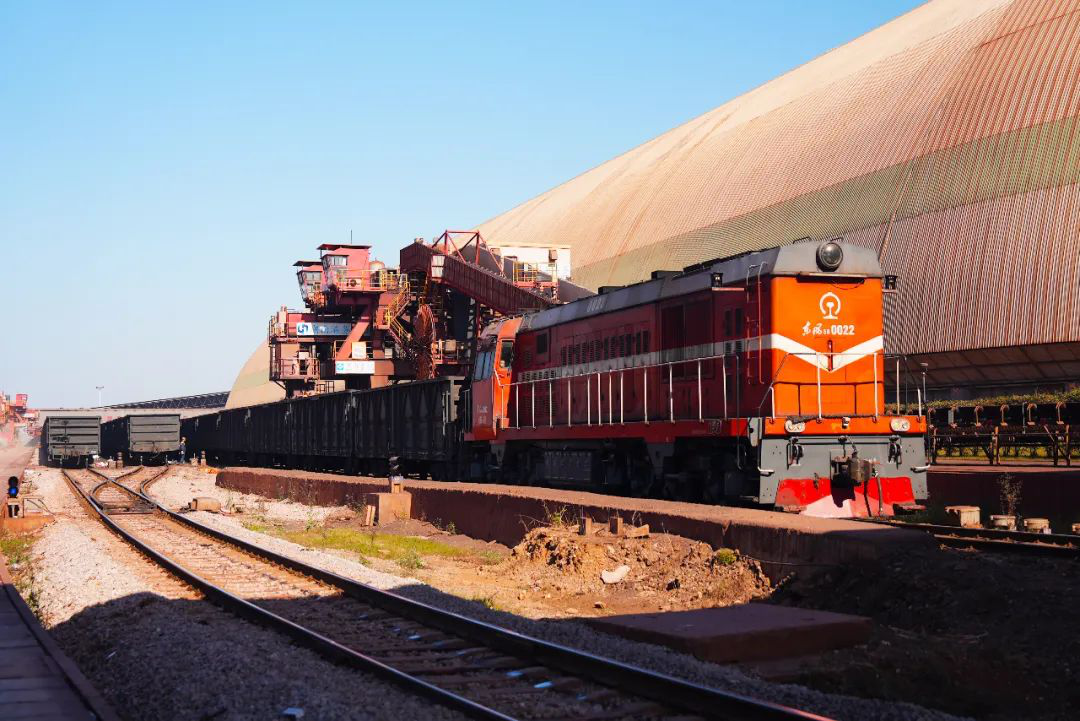
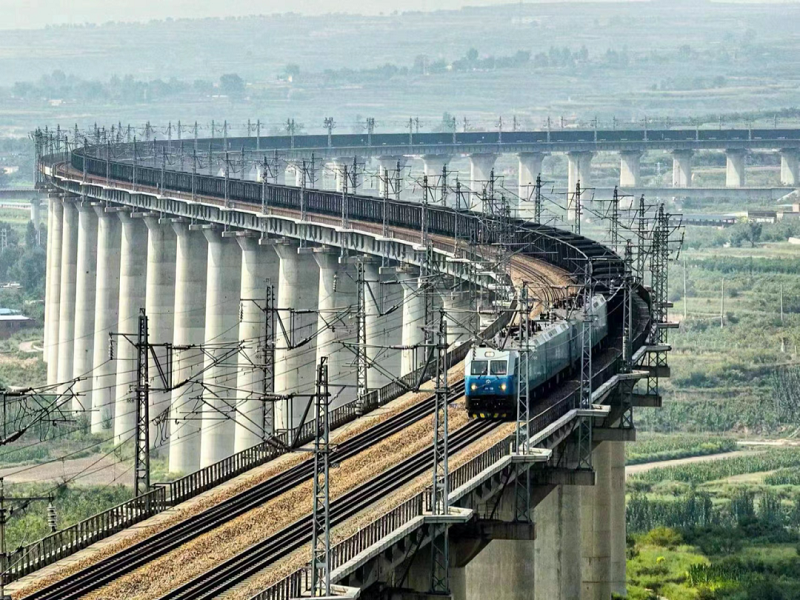
Railway opens up new channels
Tokayev made it clear that CCCC has become an important partner in Kazakhstan's complex infrastructure sector, particularly valuing the value of the Baktu Ayagoz railway. This railway directly connects the eastern part of Kazakhstan with the direction of China. After completion, it will greatly lift the ceiling of freight transportation between the two countries and complete the networked cross-border transportation system. With the deepening and implementation of the the Belt and Road Initiative, Kazakhstan is throwing its weight into railway, port and logistics infrastructure, and vowing to be a Eurasian transportation hub. CCCC has previously built high-quality projects such as the Aktau Port container hub, and is leveraging its advantages in the entire industry chain to bring this third cross-border railway between China and Kazakhstan from the blueprint to the reality.
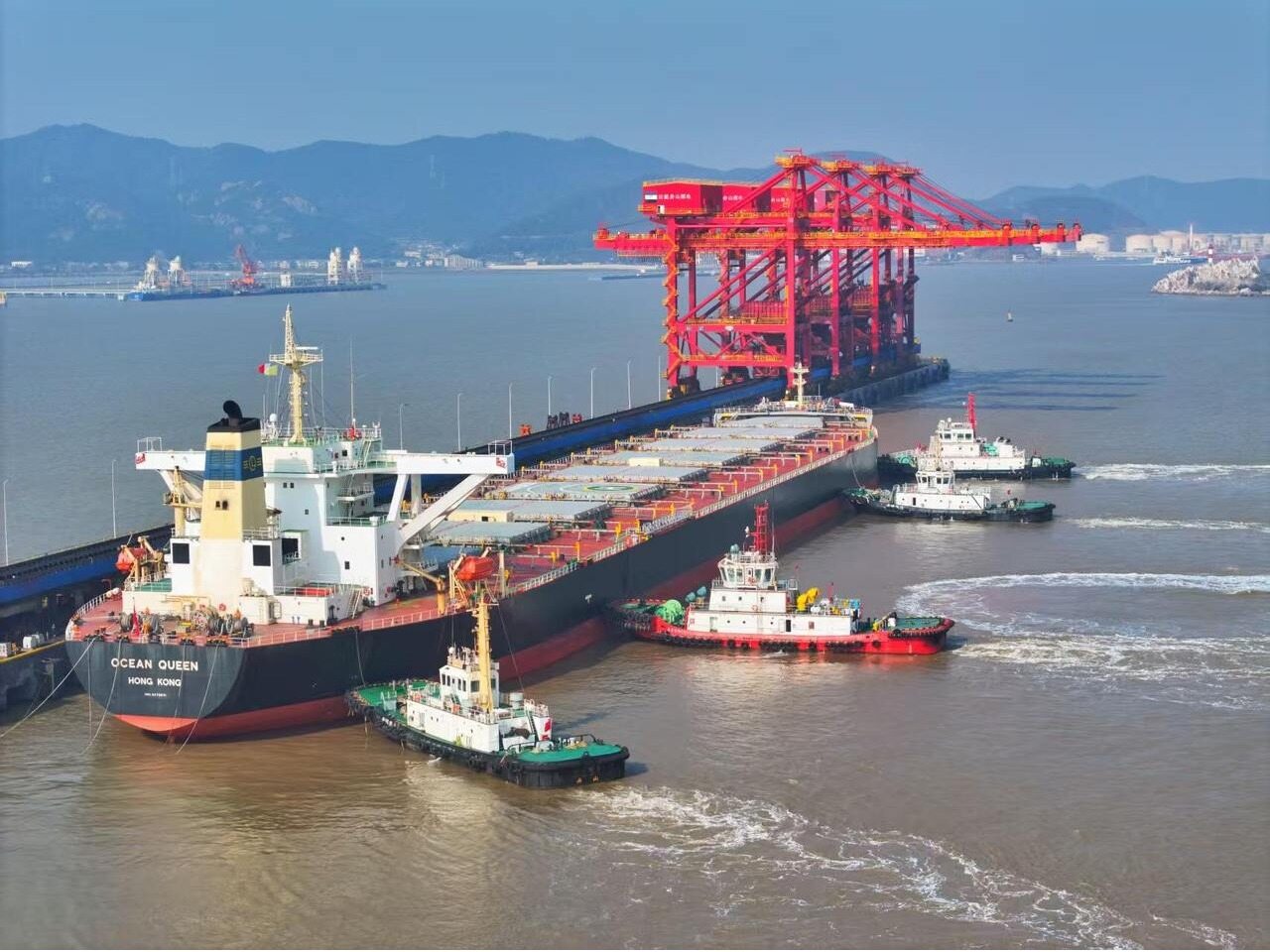
Layout of the shipping industry in the Caspian Sea
In addition to the steel dragon on land, both sides' gaze also turned to the waves of the Caspian Sea. During the meeting, a detailed plan was outlined for carrying out dredging operations in the Caspian Sea, and efforts were made to establish a joint venture for implementation and operation. Tokayev believes that this joint venture project can incubate a regional service center, providing a foundation for the safety of shipping in and around the Caspian Sea. Combined with the background of the dredging project of Aktau Port Phase I, China Harbour's deep cultivation in the Caspian Sea region is being transformed into substantial production capacity. The bottlenecks in the international transportation corridor across the Caspian Sea are expected to be gradually cleared, and the arteries of sea land intermodal transportation will be more unobstructed.
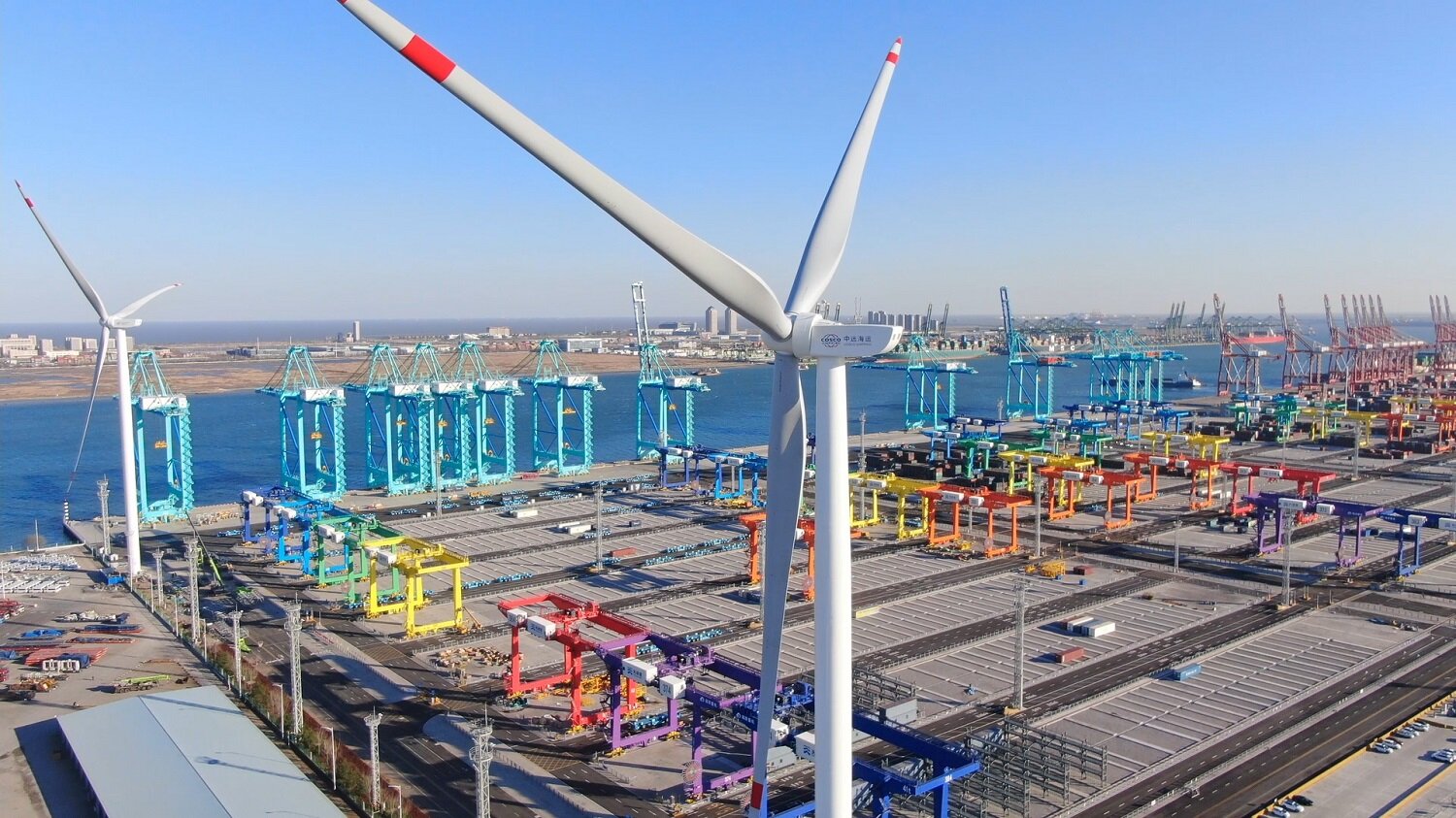
Green energy landing pumped storage
The energy sector is the highlight of this meeting. Tokayev welcomed the signing of Kazakhstan's first pumped storage power station co construction agreement between the two sides. The project is located in the Kalgari River Valley of Almaty Oblast, with a locked installed capacity of 600 megawatts, and is constructed by China Water Resources and Electric Power Corporation, a subsidiary of CCCC. This is not only a crucial step in the energy transformation of Kazakhstan, but also reflects the change in the logic of China Kazakhstan cooperation - from simple transportation infrastructure in the early years to the three-dimensional cooperation covering comprehensive infrastructure and green energy today. CCCC is leveraging its water and energy genes to open up new growth opportunities in the Central Asian market.keywords:Foreign engineering construction news
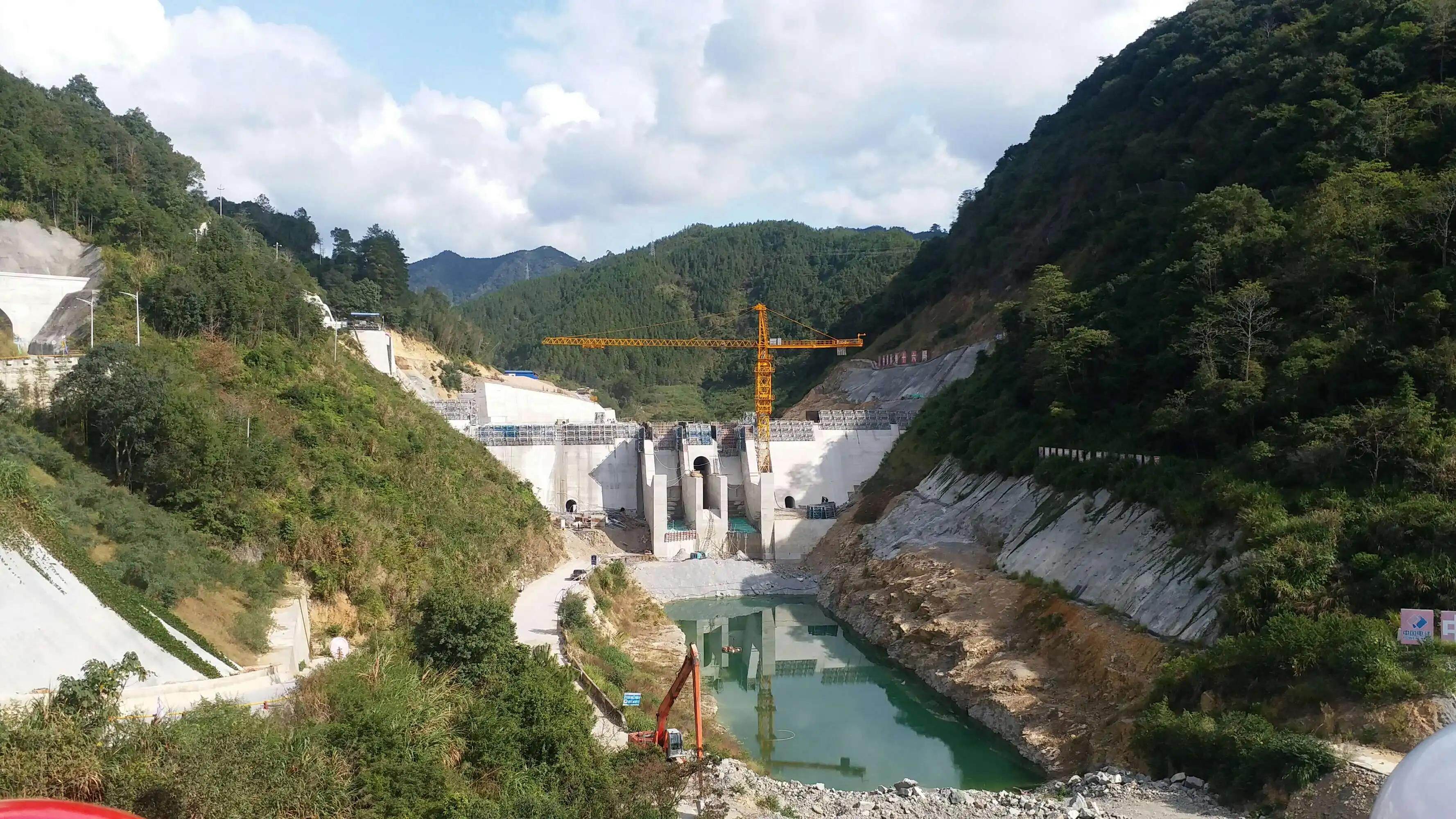
With the acceleration of Kazakhstan's transportation network, power grid, and energy transformation, the arena for international engineering giants has taken shape. CCCC's stake in Central Asia is not only in building roads and bridges, but also in bridging the dual circulation of logistics and energy. The bundled promotion of railway, shipping, and pumped storage projects this time not only concretizes the strategic docking between the two countries, but also lays the foundation for more benchmark projects in the future.Editor/Yang Meiling
Comment


 Praise
 Collect
 Comment

 Share
Share


Write something~