 Search


- Annual gas transmission of 30 billion cubic meters, aiming to supply gas to Europe by 2031
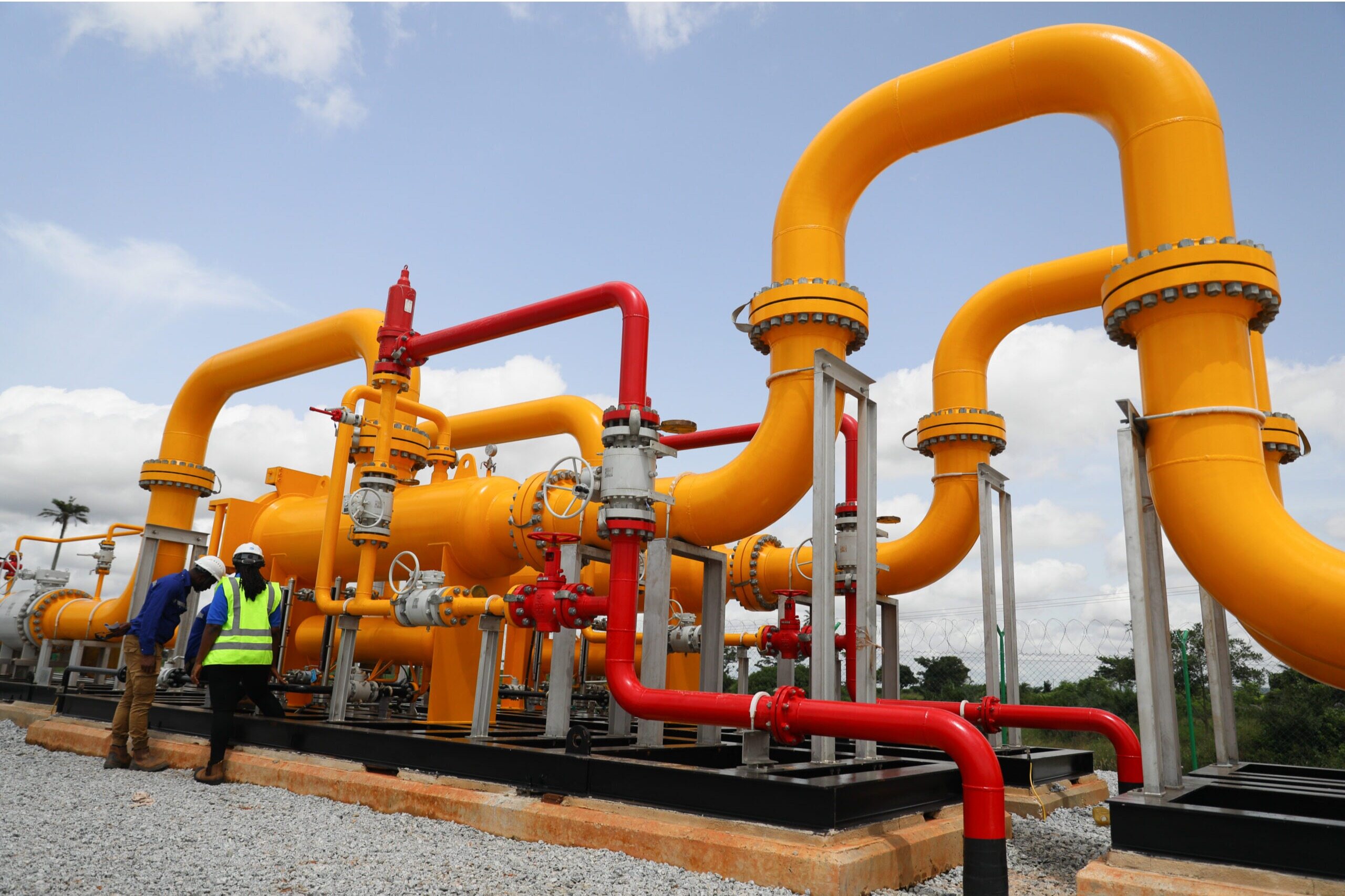
On July 19, 2026, in Freetown, Sierra Leone, the heads of state of the Economic Community of West African States signed an intergovernmental agreement paving the political way for a nearly 6900 kilometer natural gas pipeline. This energy artery, which extends from Nigeria to Morocco and crosses 13 West African countries, has finally received collective endorsement at the highest level in the region after ten years of preparation.
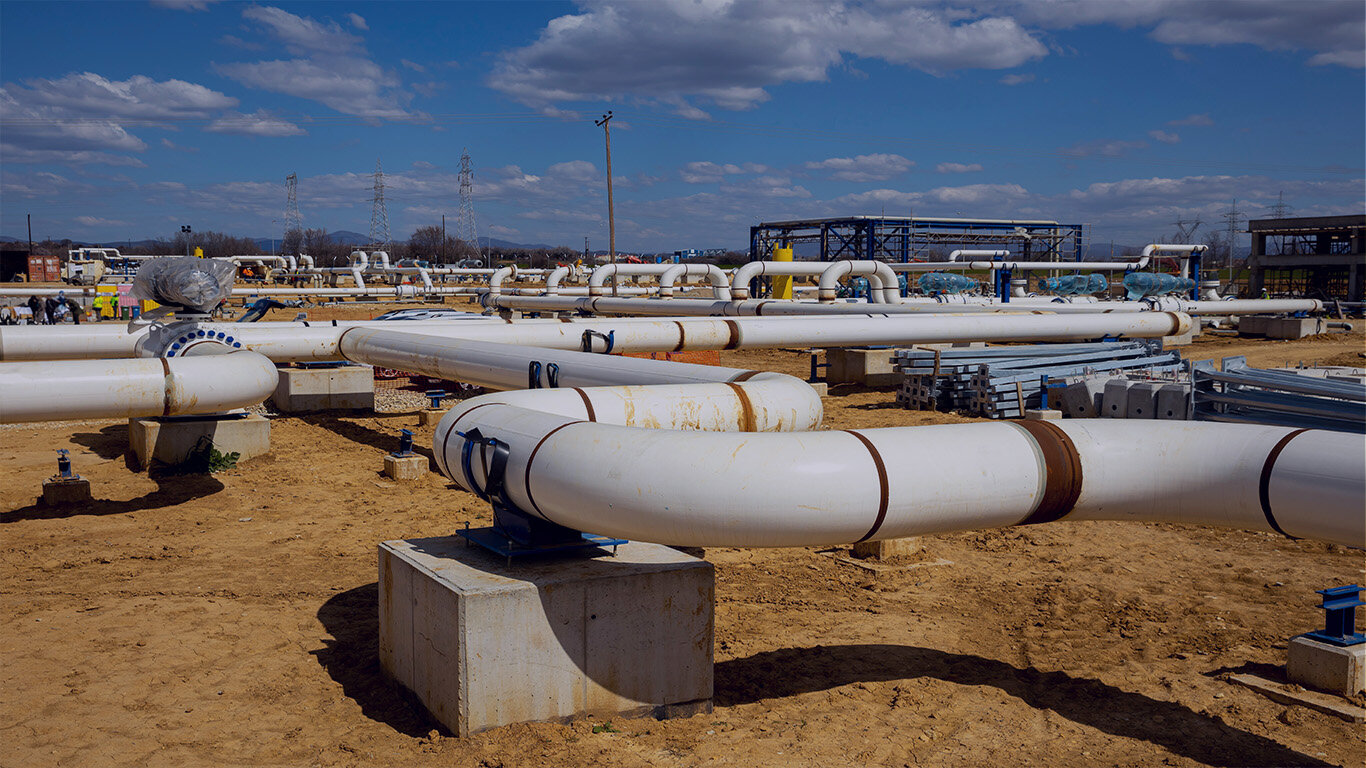
Four pieces of data outline the overall picture of the project
The scale of the project can be seen from four sets of data: the total length of the pipeline is about 6800 to 6900 kilometers, of which the Moroccan section is 2220 kilometers long, including 1830 kilometers of onshore lines and 390 kilometers of offshore lines. The designed annual gas transmission capacity is 30 billion cubic meters, of which approximately 15 billion cubic meters can be transported to the European market through existing pipelines in Spain via Morocco. The expected investment amount is between 25 billion and 27 billion US dollars. The planning schedule has also been clarified: the final investment decision for the Moroccan section will be made in the fourth quarter of 2026, with a construction period of about two and a half years, and the goal is to achieve the first batch of natural gas transmission in the second quarter of 2031.
From Bilateral Concepts to Regional Strategic Assets
The concept of this pipeline began during the visit of the Moroccan king to Nigeria in 2016. Over the past decade, the project has completed feasibility studies, front-end engineering design, and environmental impact assessments. The official endorsement of the Western Community elevates this initiative, originally promoted by Morocco and Nigeria, to a regional strategic asset for the entire West Africa. Keywords: natural gas pipelines, energy infrastructure
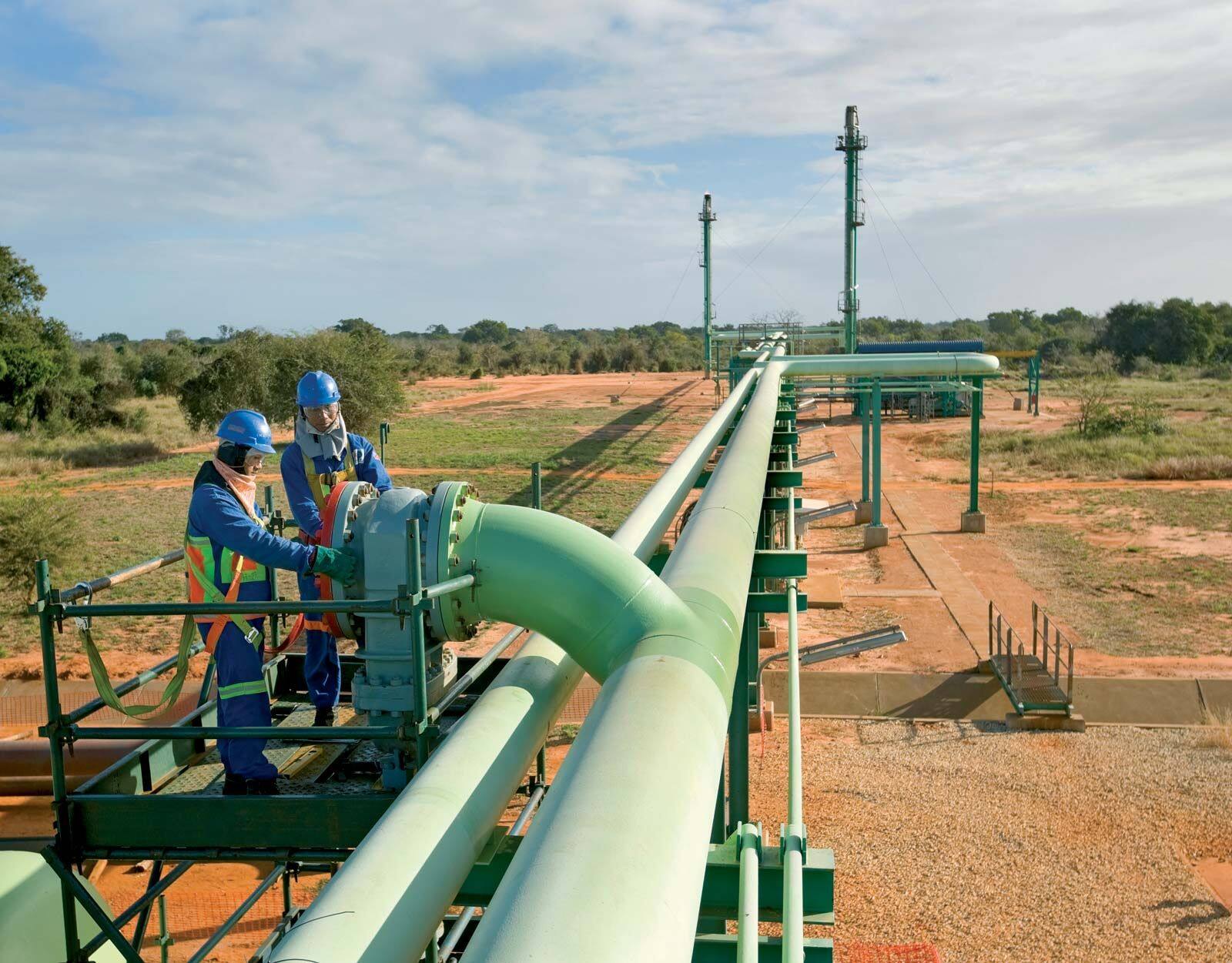
The technical plan for the Moroccan section is gradually becoming clear: four compression stations, two receiving stations, and 61 blocking valve stations will be built along the line. But funding remains the biggest variable - so far only limited credit has been obtained from the Islamic Development Bank and OPEC Fund for technical research, and the total project cost of $25 billion has not yet secured final financing. When a pipeline carries the triple mission of energy security, industrialization, and regional integration in West Africa, its fate has far exceeded that of a gas pipeline.Editor/Cheng Liting
Comment


 Praise
 Collect
 Comment

 Share
Share


Write something~