 Search


- Breakthrough in Black Sea Natural Gas Project, Consolidating Energy Foundation in Southeast Europe
Romania's Black Sea region welcomes a major energy construction milestone, as the country's largest natural gas project completes the lifting of its core offshore platform. This national level project, which has been in preparation for more than ten years, is steadily advancing and is expected to reduce regional dependence on natural gas imports, profoundly changing the energy supply and demand situation in Southeast Europe.
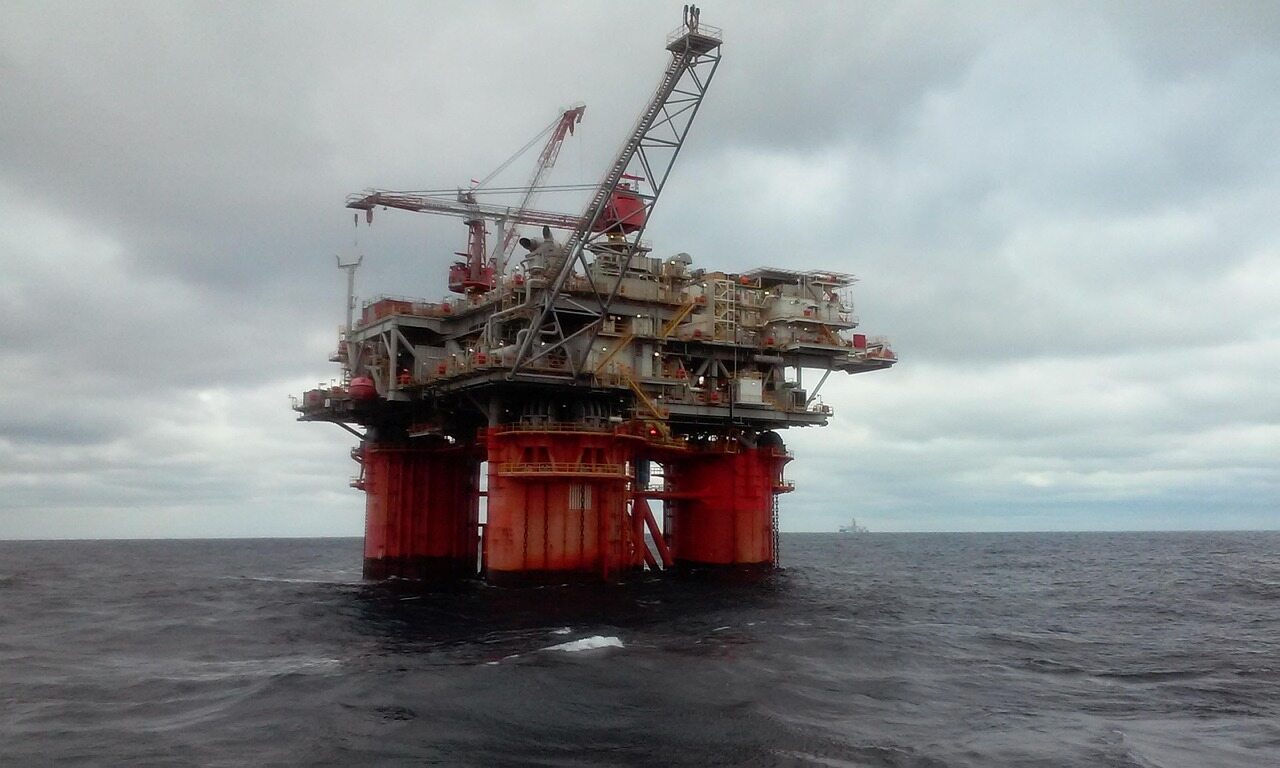
Platform smoothly positioned
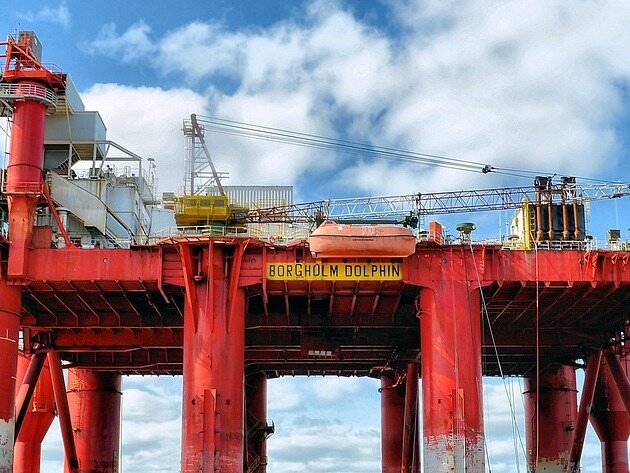
The completed installation of the Neptune Alpha platform is located in a 120 meter deep sea area, with a total weight of over 16500 tons and a height exceeding 225 meters. The platform components are built in shipyards in Italy and Indonesia, and lifted by large semi submersible cranes worldwide. As the central facility of the project, the platform undertakes the tasks of collecting, processing, and exporting underwater natural gas. The current project has completed the drilling of 6 development wells and the laying of a 160 kilometer cross sea gas pipeline. We will lay underwater pipelines and umbilical cables in the future, complete system debugging, and plan to put them into operation for gas supply in 2027. Keywords: deep-sea projects, natural gas development
Highlighting strategic value
The Neptune Deep Sea Block is located 160 kilometers from the coast and has a total area of 7500 square kilometers. Exploration work has been underway since 2008. The project covers two gas fields, ten production wells, and complete sea and land supporting facilities. Against the backdrop of energy fluctuations in Europe, the project's commissioning can enhance Romania's domestic gas supply capacity and reduce its dependence on foreign imports. The operator stated that the project is a national strategic project, and as the project continues to advance, it will continue to improve the regional natural gas supply system and reshape the energy landscape of Southeast Europe.Editor/Min Jing
Comment

 Praise
 Collect
 Comment

 Share
Share


Write something~