 Search


- Low carbon temperature control for cold chain containers, balancing logistics costs and fresh food preservation needs
- China's first railway cold fresh train has landed, solving multiple problems in the transportation of fresh fruits from Xinjiang
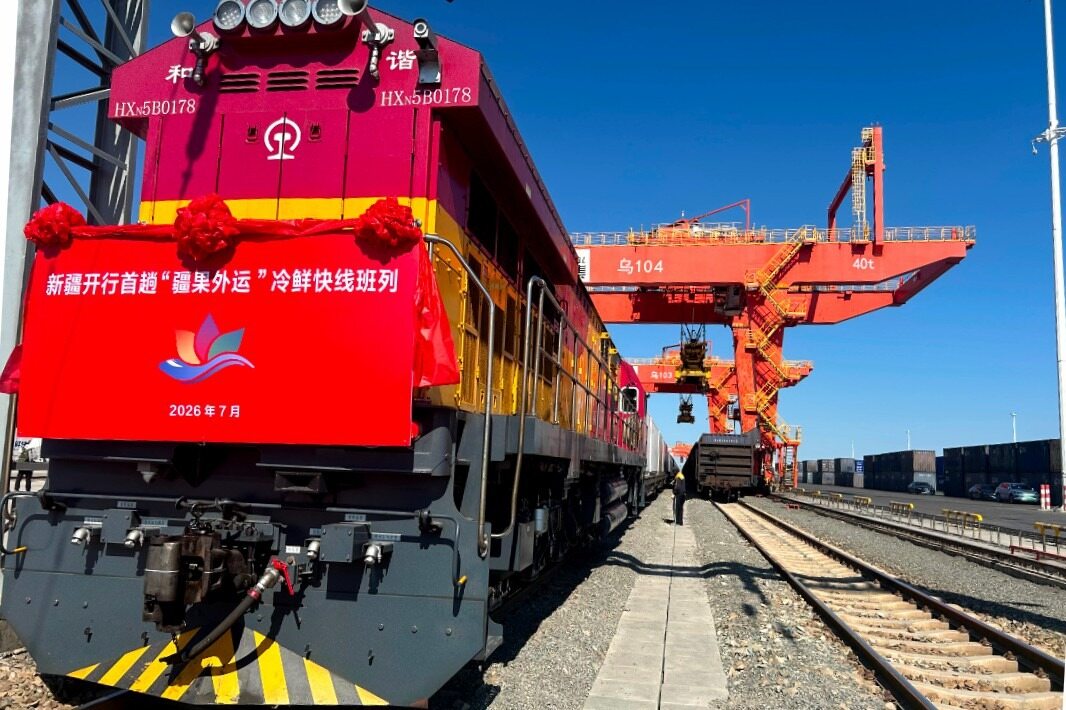
At the extension of the steel rail, the constant temperature matrix quietly starts, solidifying the freshness of Tianshan in milliseconds. This cold and fresh artery that spans east and west uses precise temperature control to dissolve geographical barriers, and reconstructs the logistics paradigm of Xinjiang fruit clearance with low-carbon transportation capacity, silently reshaping the industrial landscape of the Silk Road.
First Cold Fresh Express Train
Refrigerated containers are like mobile fresh-keeping cold storage facilities. The carbon emissions of railway cold chain fresh fruit transportation are 30% lower than those of highways, and the overall logistics cost can be saved by more than 20%. On July 18, 2026, a cold chain train carrying Xinjiang specialties such as grapes and cantaloupe departed from Sanping Station in Urumqi and headed towards Xi'an, marking the official launch of China's first national railway cold and fresh express line.
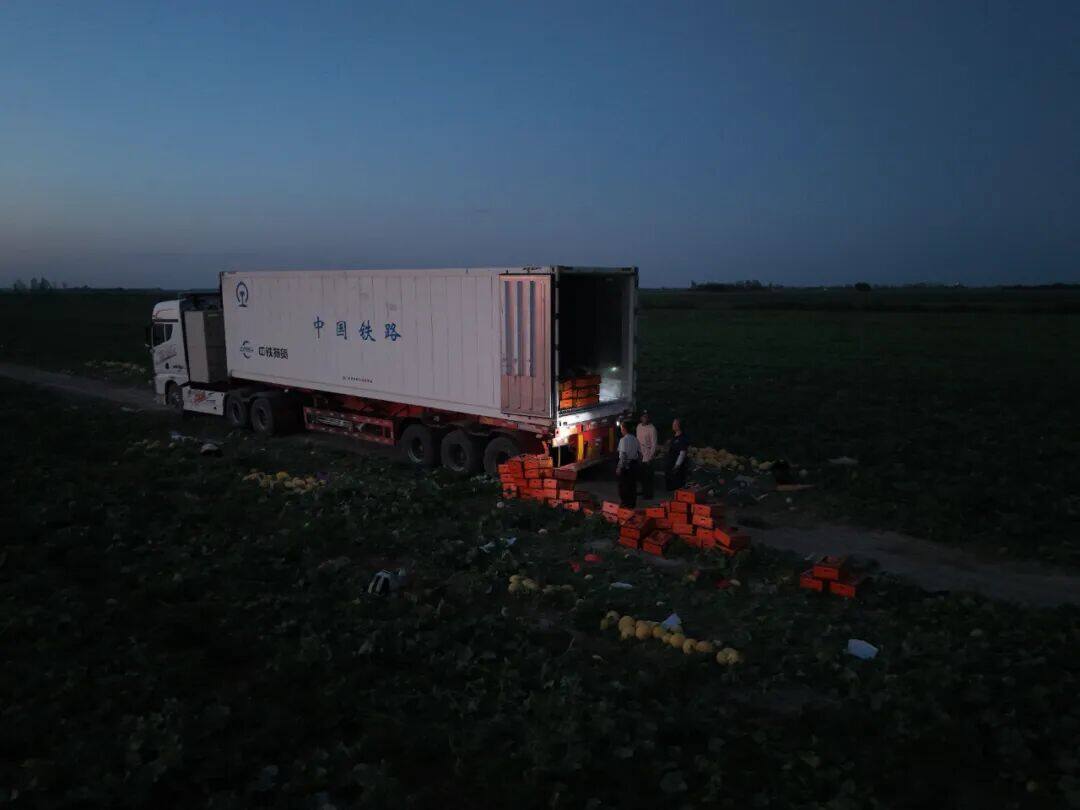
Xinjiang's fruits and melons have outstanding quality, but they have long faced challenges such as difficulty in preserving them during transportation and high storage and transportation costs. The local railway unit has partnered with China Railway Special Freight to optimize the cold chain transportation plan, allowing fresh fruits to be smoothly exported from Xinjiang and kept fresh throughout the entire process. Liu Xianfeng, the head of logistics business at Urumqi Bureau, stated that refrigerated containers can significantly reduce carbon emissions from freight transportation and effectively compress logistics expenses. Keywords: railway cold chain, refrigerated containers, green logistics
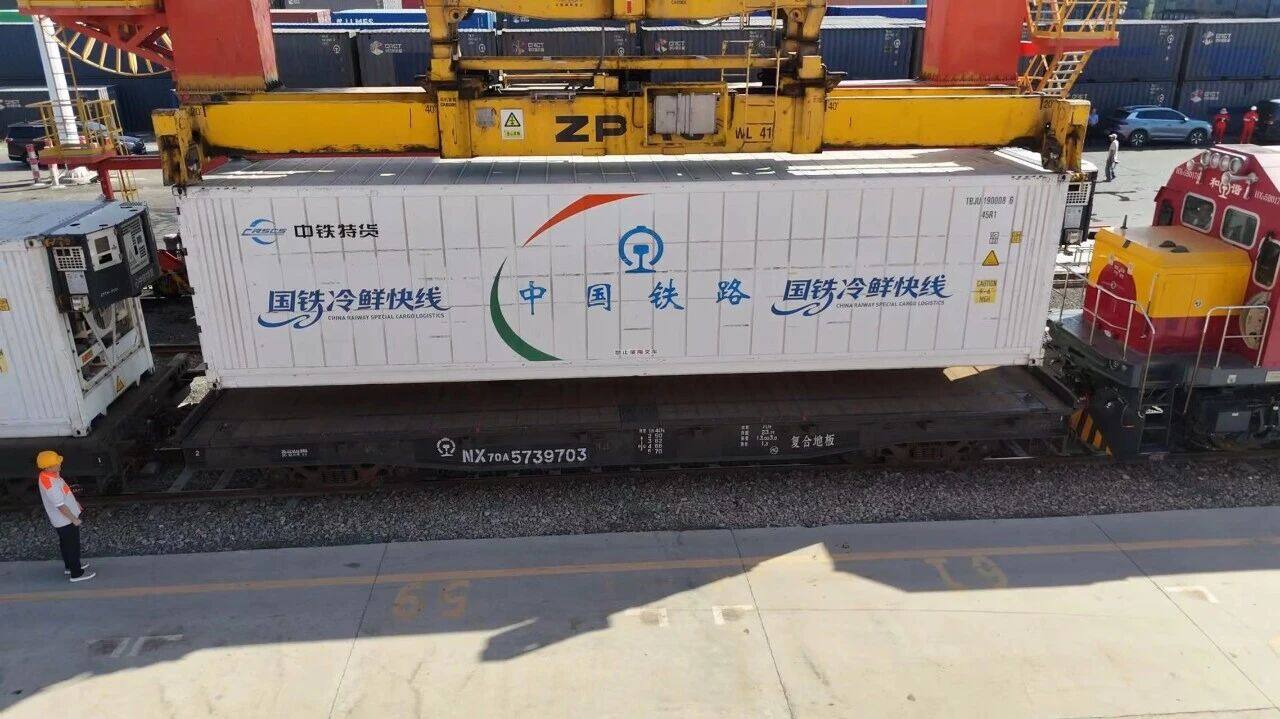
Intelligent cold chain preservation reduces costs
The Cold Fresh Express is equipped with a 40 foot independent refrigeration box for uninterrupted constant temperature preservation, with a temperature control range covering from minus 30 degrees Celsius to over 30 degrees Celsius. The supporting intelligent monitoring system locates and tracks goods all day long, and customers can view transportation dynamics in real time through the mini program. By 2025, the output value of Xinjiang's forestry and fruit industry will reach 70 billion yuan, with an annual output of 9.5 million tons of fruit, ensuring stable income growth for over 5.5 million fruit farmers. In the first half of 2026, the railway freight volume in Xinjiang was 123 million tons, a year-on-year increase of 4.2%, and the cold chain trains continued to release the vitality of freight growth.Editor/Gong Ziwei
Comment



 Praise
 Collect
 Comment

 Share
Share


Write something~