 Search


- The joint green energy laboratory jointly built by China and Uzbekistan has been officially unveiled
- We will focus on cutting-edge fields such as solar energy, wind energy, and hydrogen energy
- Injecting strong impetus into the energy transformation of Central Asia
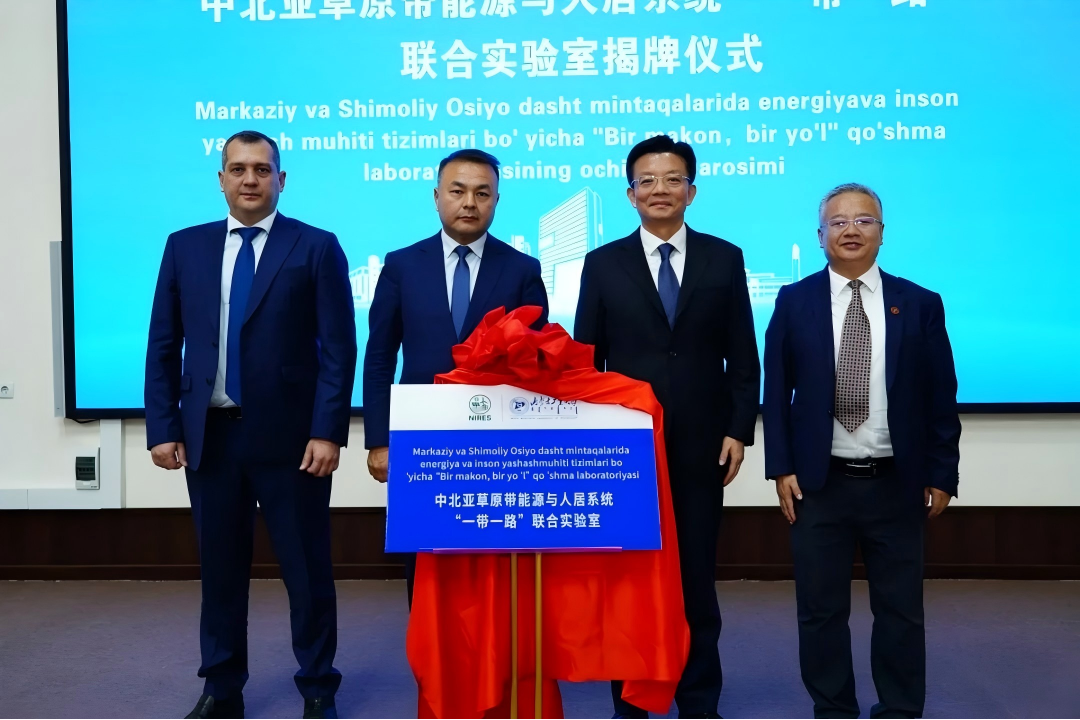
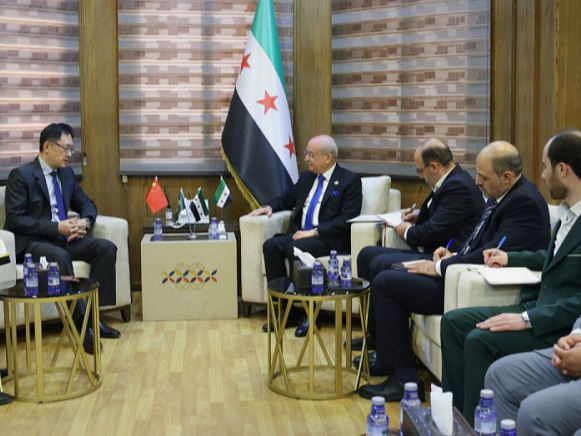
On the banks of the Aral Sea, a cross-border "marriage alliance" between light and wind is quietly changing the energy landscape of Central Asia. On July 22, 2026, at the National Renewable Energy Research Institute under the Ministry of Energy of Uzbekistan, the previously quiet research building became bustling with a group of Chinese guests who had come from afar. The delegation from the Inner Mongolia Autonomous Region government shook hands with Ukrainian officials and witnessed the birth of a new scientific research platform - not only a testament to the friendship between the two countries, but also a new starting point for the intersection of technology and talent. With the opening of the red curtain, the China Uzbekistan Joint Laboratory for Green Energy was officially established, marking that the scientific and technological cooperation between the two countries under the framework of the the Belt and Road has entered a substantive stage.
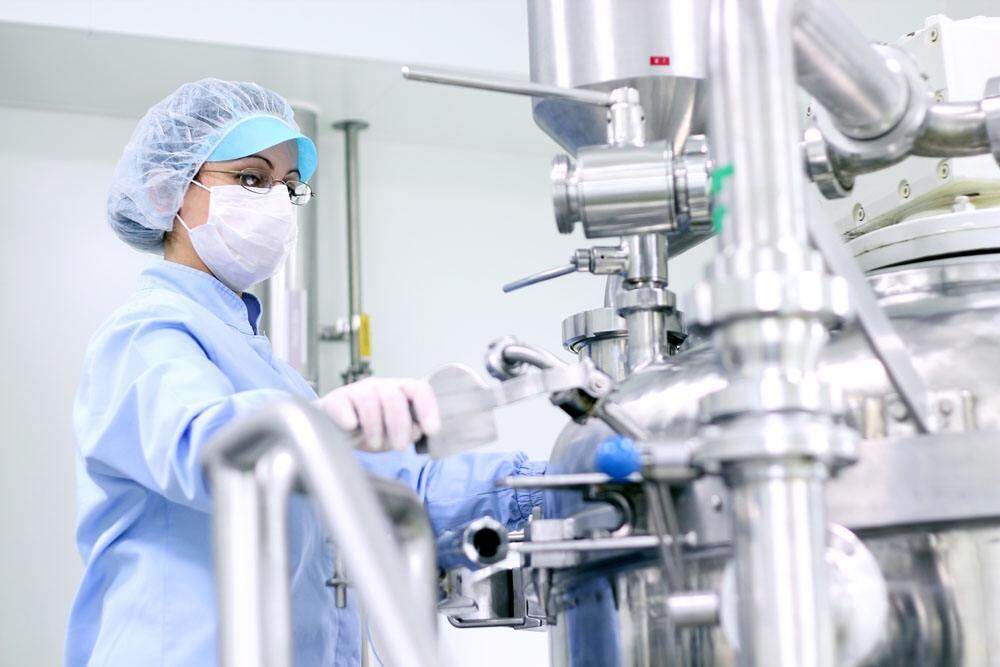
Cross border cooperation to build platforms
This collaboration is not accidental. Faced with the challenge of global climate change, Uzbekistan is urgently seeking a green transformation of its energy structure. Driven by the the Belt and Road Initiative, the Inner Mongolia Autonomous Region of China has become an ideal partner with its profound accumulation in the field of renewable energy. Umed Mamdaminov, the First Deputy Minister of Energy of Uzbekistan, and Shi Guanghui, the Deputy Secretary of the Inner Mongolia Autonomous Region Party Committee, jointly attended the ceremony and emphasized the necessity of deepening scientific cooperation. The establishment of this laboratory is a crucial step for both parties to translate strategic consensus into concrete actions, aimed at breaking geographical limitations and sharing scientific research resources.
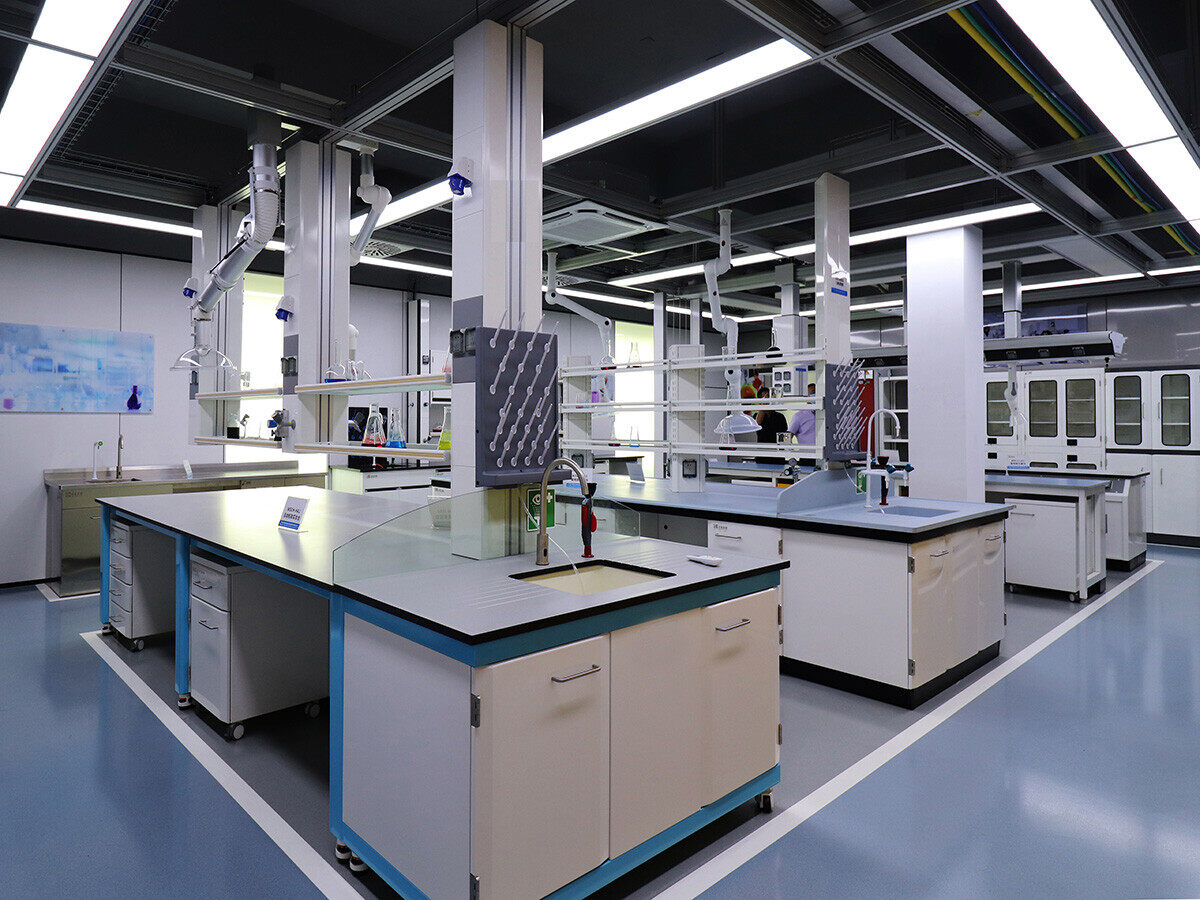
Focus on cutting-edge attack technology
The blueprint for the future of the laboratory has been drawn. Unlike traditional single disciplinary research, this will become a multidisciplinary innovation highland. The research team will focus on the efficient utilization of solar energy and stable capture of wind energy, while exploring the construction of the hydrogen energy industry chain and breakthroughs in energy storage technology. It is worth mentioning that the integration of artificial intelligence and intelligent energy systems will also become a key research direction. Through the implementation of these cutting-edge technologies, the laboratory not only aims to address the energy pain points in Uzbekistan, but also hopes to develop a replicable and scalable technological solution that can radiate throughout Central Asia.
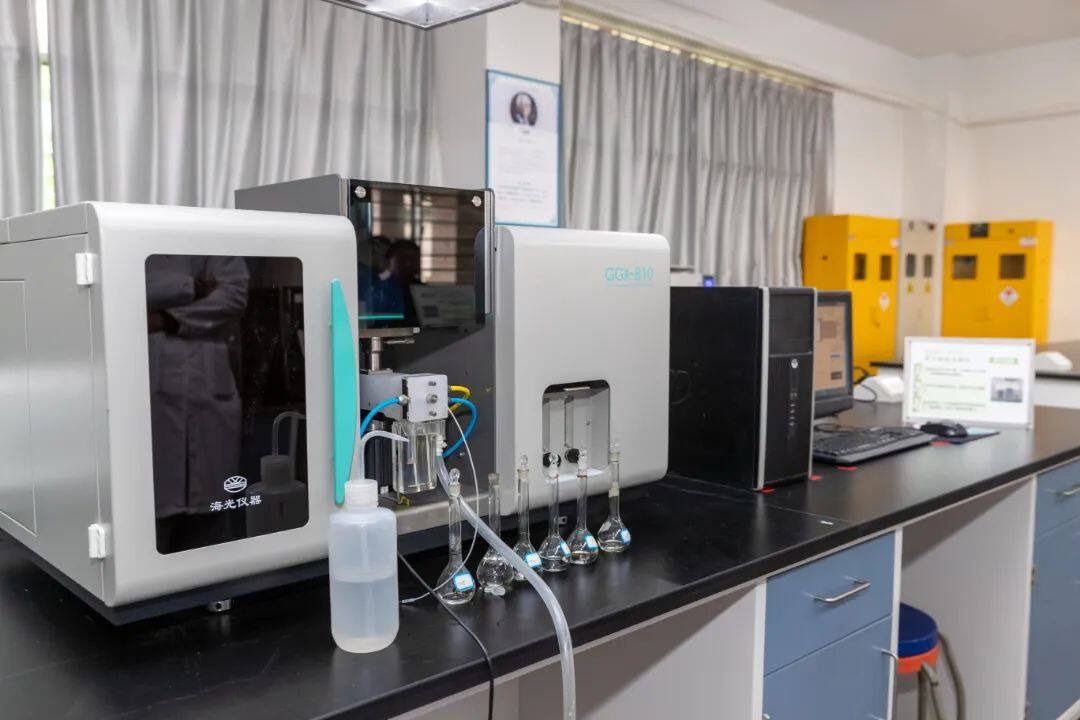
Talent cultivation and nurturing fertile soil
In addition to the construction of hardware facilities, the improvement of soft power has also been put on the agenda. The laboratory will rely on the academic advantages of Inner Mongolia University of Technology to undertake the responsibility of cultivating high-quality professional talents. This not only includes the construction of modern laboratory facilities, but also encompasses technical exchange and training programs for researchers. The organizer revealed that the laboratory will also strive to create a Central Asian energy technology exhibition platform, promoting the localization development of advanced technologies through international seminars and technology exhibitions. This integrated model of industry university research will reserve valuable intellectual resources for sustainable development in Uzbekistan and even Central Asia.Editor/Yang Meiling
Comment


 Praise
 Collect
 Comment

 Share
Share


Write something~