 Search


- New Zealand power giant Mercury invests SGD 53 million in AI data center developer Datagrid, holding a 12.7% stake

When global AI data centers are crazily consuming electricity, Mercury, New Zealand's largest renewable energy generator, has chosen an atypical strategy - not just signing power sales agreements, but directly investing in data center developers. On July 22nd, Mercury announced the acquisition of a 12.7% stake in Datagrid NZ for NZD 53 million (approximately USD 30 million), extending its business scope from the power generation side to the computing infrastructure side.

The 360 MW project has been approved
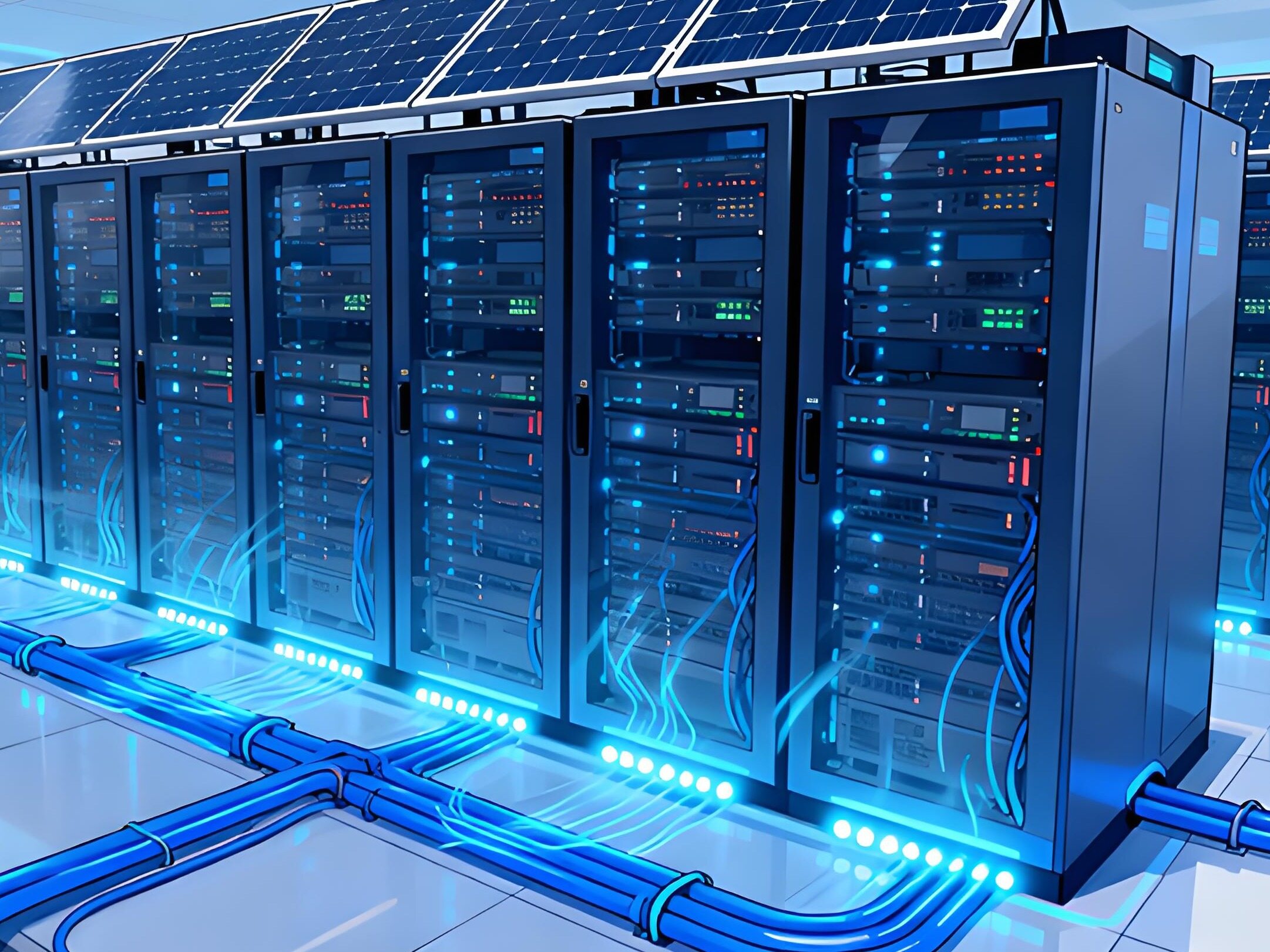
Datagrid NZ is developing a 360 megawatt mega scale data center park in North Makareva, Southland, South Island, positioning it as New Zealand's first AI factory for advanced AI, sovereign cloud, and high-density computing workloads. The project has obtained resource permits and covers an area of 7.8 hectares. The final investment decision is expected to be made later this year.
This is not the first collaboration between the two companies. In March 2026, Mercury signed a 15 year, 140 MW power purchase option agreement with Datagrid, covering an annual electricity supply of approximately 1.2 TWh, positioning it as one of New Zealand's largest commercial power arrangements dedicated to AI infrastructure.
Closed loop linkage between power generation reserve and computing power demand
Mercury has abundant reserves for new energy development. The fifth unit of its Ng ā Tamariki geothermal power station was officially put into operation in March 2026, with an additional 55 MW of installed capacity and a total investment of 220 million US dollars. The Kaiwera Downs Phase II wind power project is expected to be fully delivered by the end of August 2026, and the Kaiwaikawe wind power project is scheduled to be put into operation in the first half of 2027. Keywords: AI data center, high-tech

Mercury CEO Stew Hamilton stated that long-term stable electricity demand provides income certainty for investing in new renewable energy projects. For Datagrid, this round of financing will support the project's entry into the site leveling and foundation construction phase. The minority equity investment of NZD 53 million essentially locks the power generation and consumption ends onto the same balance sheet, providing a more certain outlet for large-scale renewable energy investment.Editor/Cheng Liting
Comment






 Praise
 Collect
 Comment

 Share
Share


Write something~