 Search


- Relying on technological advantages to solve supply chain problems and continuously increasing high-quality computing power projects
- The demand for AI computing power continues to rise, and Google's parent company has significantly raised its annual capital investment range
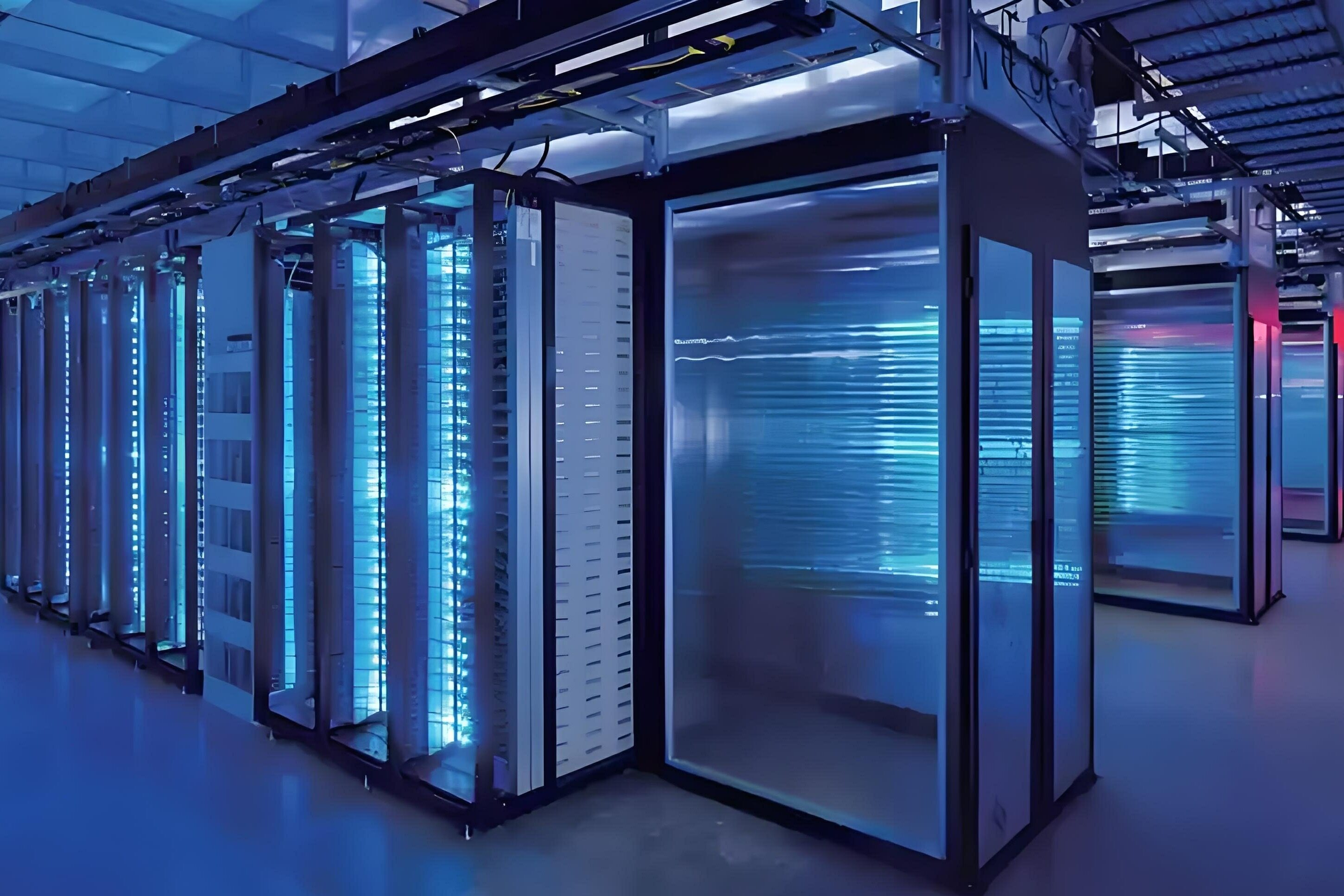
The global AI race is shifting from model scoring to computing power arms race. Alphabet no longer sees cloud and search as the end points, but weaves servers, data centers, and networks into a supply network. Faced with the surge in demand for intelligent infrastructure, this giant has proactively raised its annual investment range, leveraging its full stack advantage to build the underlying foundation for the next era amidst tight supply.
To match the surging demand for artificial intelligence infrastructure construction in the market, Google's parent company Alphabet has accelerated its capacity expansion pace and adjusted its 2026 full year capital expenditure forecast range from $180 billion to $190 billion to $195 billion to $205 billion.
Raise annual capital expenditure expectations
At the online communication meeting for the 2026 Q2 financial report, Group Chief Financial Officer Anat Ashkenazi stated that the core of this increase in the annual capital expenditure target is to respond to strong market demand. The executives did not directly specify the field of the demand, but based on the accompanying speech, it is judged that the demand is mainly concentrated in the data center expansion and hardware procurement sectors.
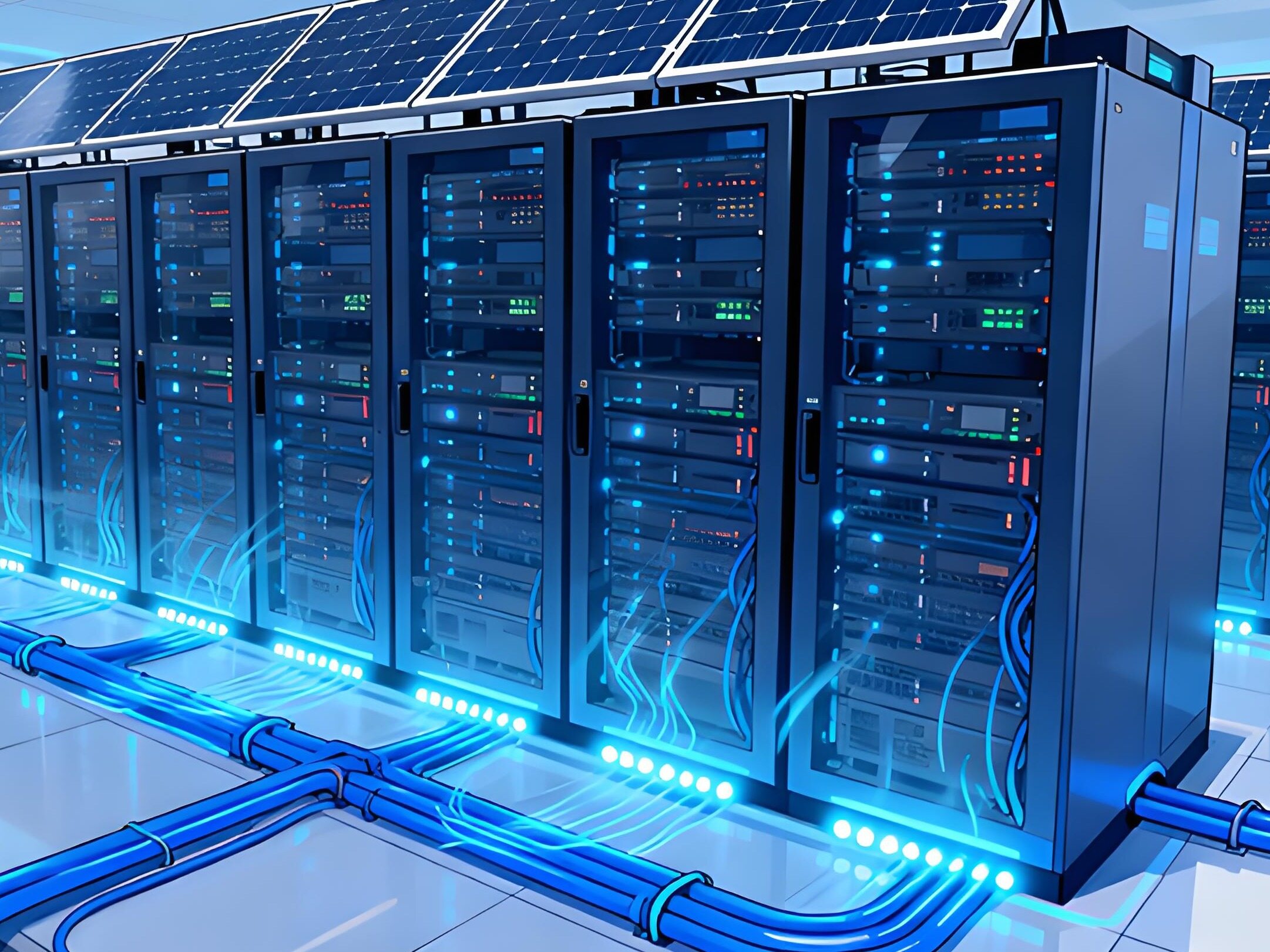
The financial director disclosed that Alphabet's total capital investment in the second quarter reached $44.9 billion, with the vast majority of the funds flowing into technology infrastructure construction. Of the infrastructure related investment, 60% is used for purchasing servers, and the remaining 40% is invested in data center rooms and network supporting equipment. In June 2026, Alphabet will issue Class A common stock, Class C common stock, and mandatory convertible preferred stock, raising a total of $49.6 billion. The funds can be used for various business operations of the company, with a focus on supporting capital investment related to artificial intelligence infrastructure expansion and global computing power upgrading.
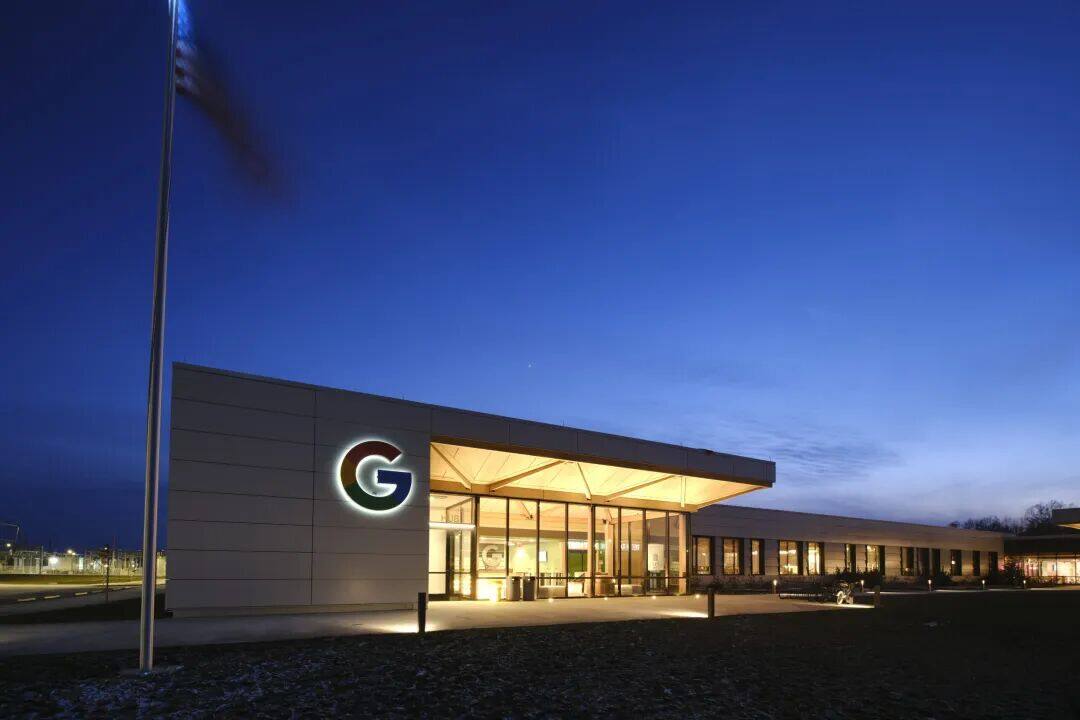
Even if the capital expenditure plan is raised, Anat Ashkenazi reminds industry analysts that Alphabet, like its peers, is currently constrained by supply chain supply shortages. But compared to most industry competitors, companies have more sufficient conditions to buffer the constraints brought by the supply chain. In response to a question from Morgan Stanley analysts, the CFO stated that the group fully covers the entire upstream and downstream industry chain, and can simultaneously optimize operational and technological efficiency in the infrastructure business sector, expanding the supply of computing power; As long as there are investment opportunities with significant returns, companies will continue to increase their investment.
Investment direction and financing channels of infrastructure funds
Enterprise AI supporting solutions, AI infrastructure and basic Internet services drove business growth. In this quarter, Gugeyun's revenue increased by 82% year on year, with a revenue scale of $24.8 billion. Driven by the booming demand for enterprise AI products, Google Cloud's pending orders have increased by over $50 billion compared to the first quarter. As of the end of June 2026, the total order size has exceeded $514 billion. Keywords: Alphabet, data center AI
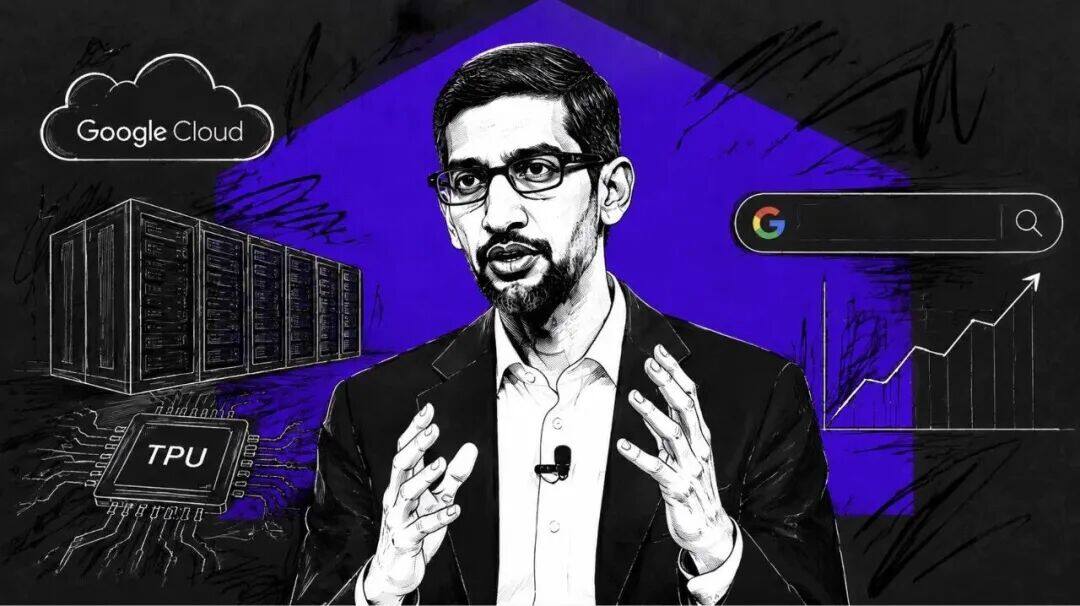
Anat Ashkenazi revealed that in the next two years, companies can convert over half of their current outstanding orders into actual operating revenue. In terms of short-term development plan, Alphabet plans to independently build computing power capacity and increase the scale of third-party data center leasing in the third quarter. This measure will slightly compress Google Cloud's current operating profit, but it can continue to expand its customer base and open up greater space for long-term business growth.Editor/Gong Ziwei
Comment





 Praise
 Collect
 Comment

 Share
Share


Write something~