 Search


- Renewable energy investment exceeds 5 trillion yuan in the 15th Five Year Plan, and green electricity enters thousands of households
On July 23, 2026, the National Development and Reform Commission and the National Energy Administration jointly released the "15th Five Year Plan for the Development of Renewable Energy". This document, which determines the direction of energy in the next five years, pushes renewable energy from a relatively peripheral supplementary energy source directly to the center of the energy stage. The goals set in the plan are clear and firm: by 2030, the total consumption of renewable energy in China will reach around 1.8 billion tons of standard coal, the total installed capacity of power generation will jump to around 3.5 billion kilowatts, and the proportion of wind and photovoltaic installed capacity will historically exceed 50%. A green giant ship with an investment scale exceeding 5 trillion yuan has officially sounded its horn and set sail.
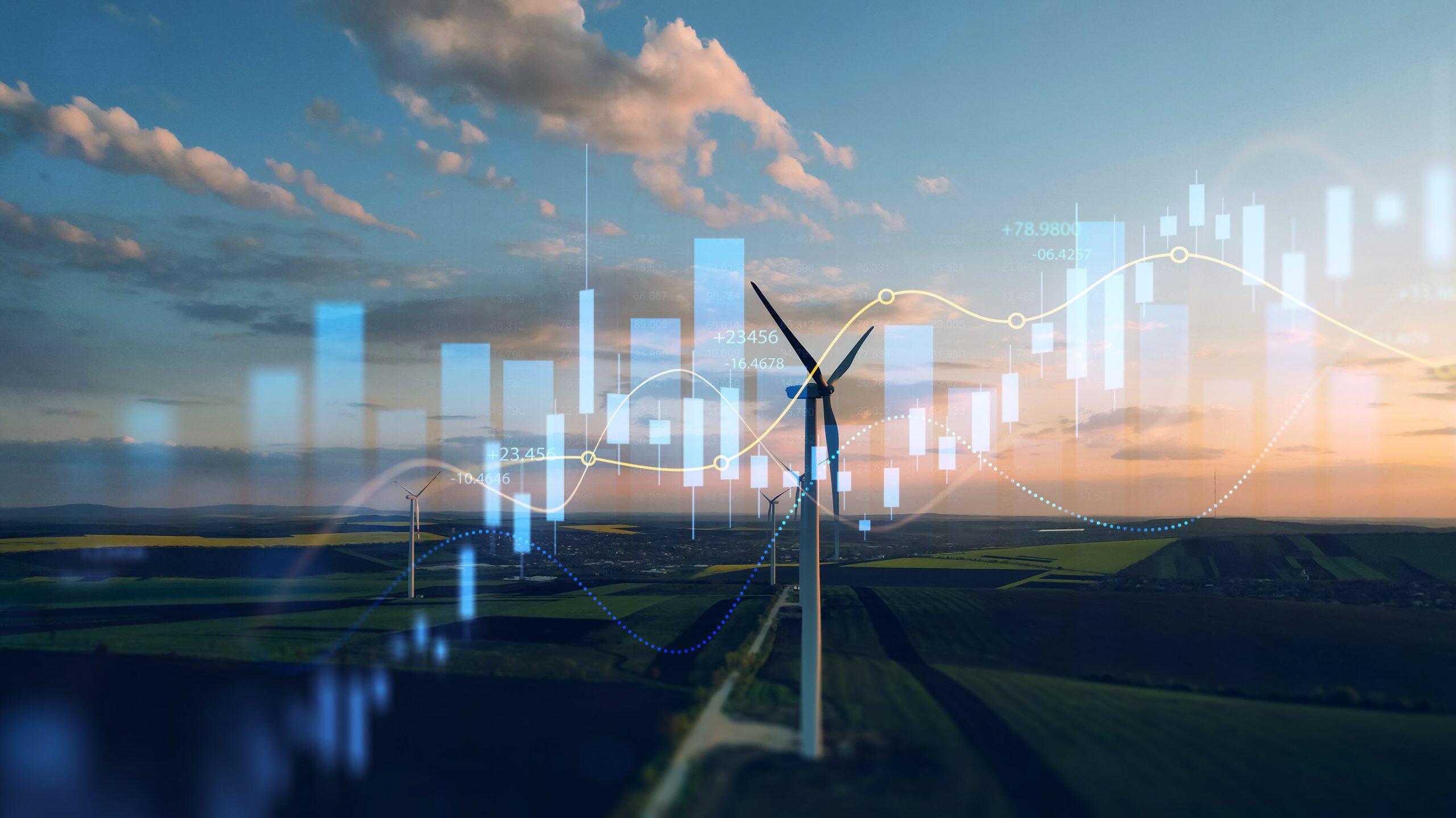
Green power supply enters the stage of universal access for all
The plan not only focuses on the expansion of large-scale power bases, but also extends the tentacles of green electricity consumption to ordinary households. The document clearly states that by 2030, the total scale of non electricity utilization of renewable energy will increase by 1.5 times compared to 2025, and green electricity will no longer be exclusive to industrial plants. In Shenzhen, two convenient measures have been implemented first: over 300 charging stations cover the entire city, more than 100000 car owners have joined the green car charging plan, and a total of 23 million kilowatt hours of green electricity have been consumed; Ordinary residents can purchase green electricity certificates for their families by spending less than 1 yuan per month on their mobile phones. From replacing industrial electric furnaces to directly supplying green electricity to computing power centers, the action of renewable energy substitution is permeating the capillaries of the economy and society at a visible speed.
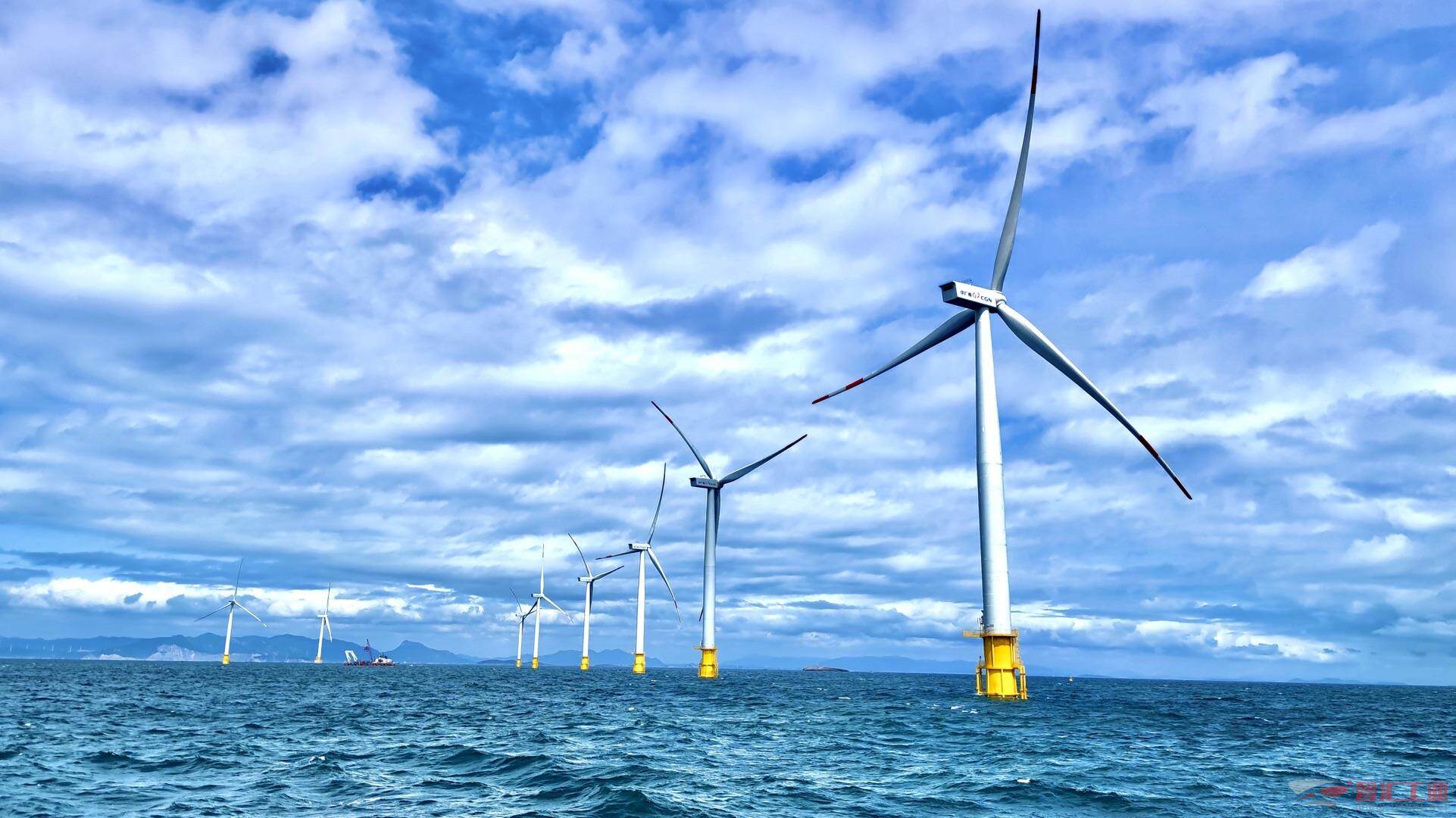
Wind and solar power bases advance simultaneously with offshore wind power
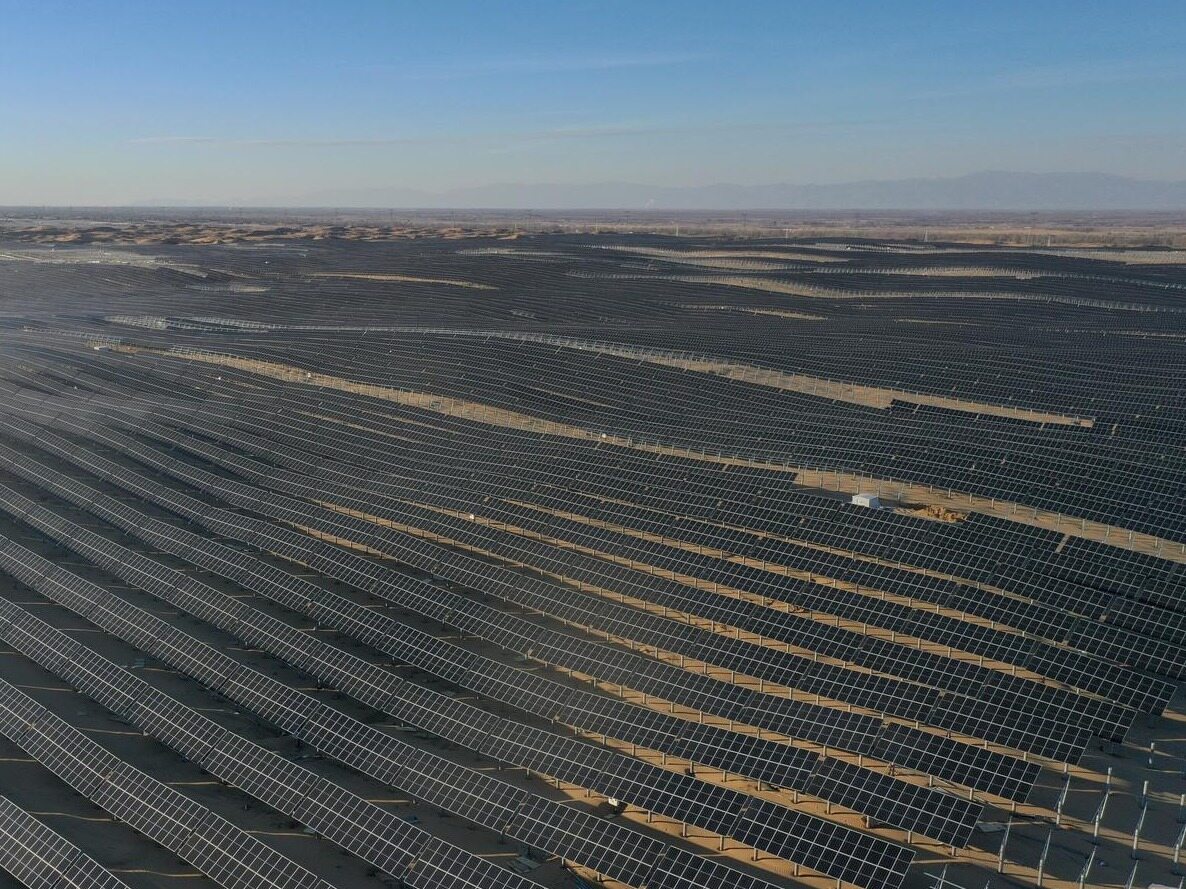
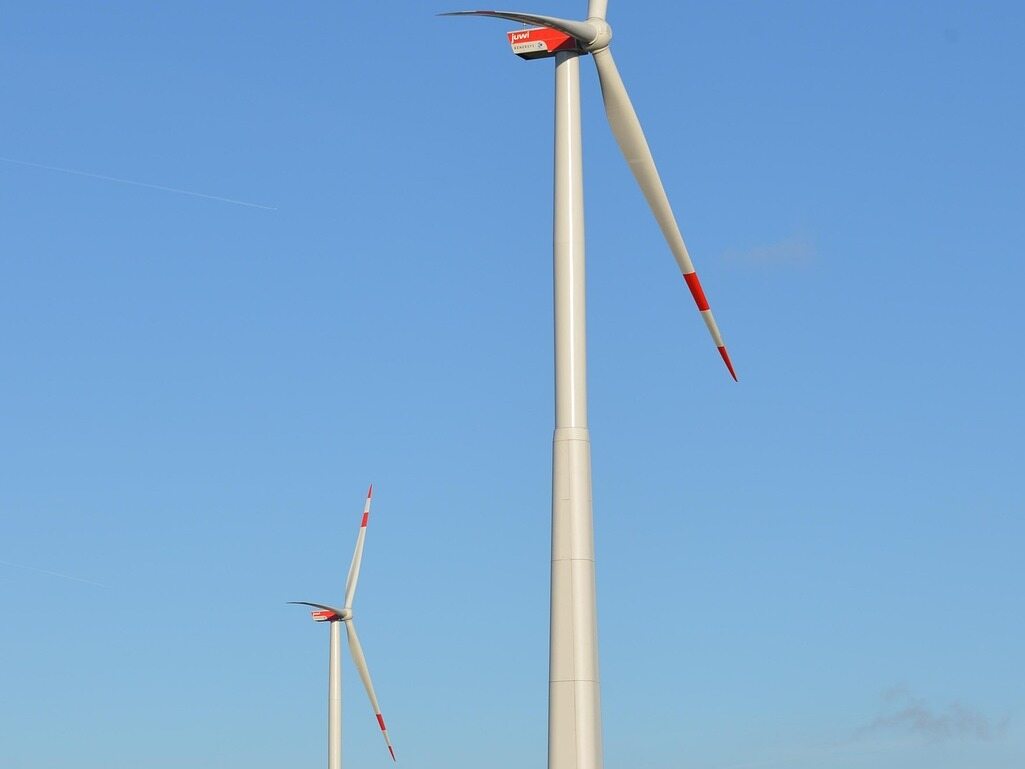
In the vast northwest desert and eastern coast, a green energy enclosure movement is unfolding simultaneously. The wind and solar power bases in the Three North regions, relying on deserts, Gobi, and other areas, will have an additional installed capacity of over 370 million kilowatts during the 15th Five Year Plan period. The pilot projects for photovoltaic desertification control and 100% green power transmission will be promoted simultaneously. The eastern coastal areas are experiencing a peak in the construction of offshore wind power. During the 15th Five Year Plan period, the country has locked in 100 million kilowatts of new construction capacity, encouraging the integration and development of offshore wind power with new formats such as ocean farms and underwater computing power. The exploration of offshore energy islands has also been put on the agenda. At the same time, the construction of integrated water, wind and solar bases in the Yalong River, southeastern Tibet, and upper reaches of the Jinsha River is accelerating comprehensively. By 2030, the installed capacity of conventional hydropower and pumped storage will reach 410 million kilowatts and 160 million kilowatts, respectively. A green energy network from the northwest desert to the deep sea in the east, from large bases to distributed rooftops, is reshaping China's energy geography.Editor/Gao Xue
Comment

 Praise
 Collect
 Comment

 Share
Share


Write something~