 Search


- Deepen China Africa resource infrastructure cooperation and broaden overseas development space
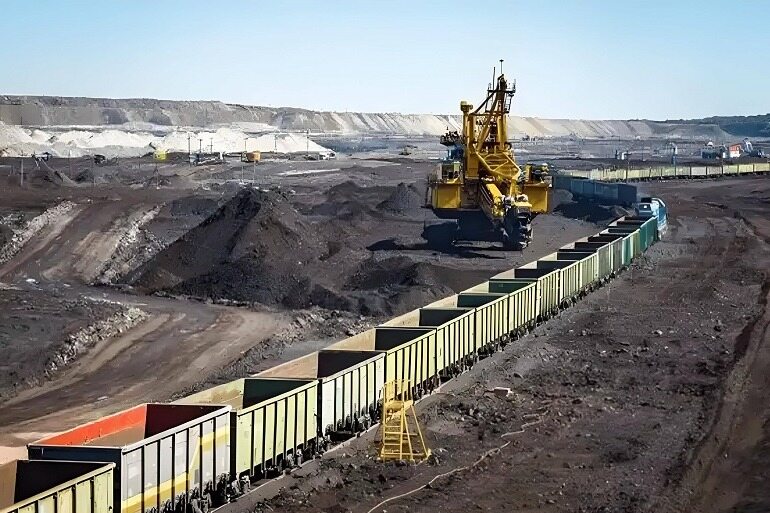
The large-scale resource for infrastructure cooperation between China and Africa has reached the annual review node, with copper prices meeting the standard to activate funding conditions. Multiple highway projects continue to advance, releasing diverse supporting business opportunities and bringing new layout windows for Chinese enterprises deeply cultivating the local market.
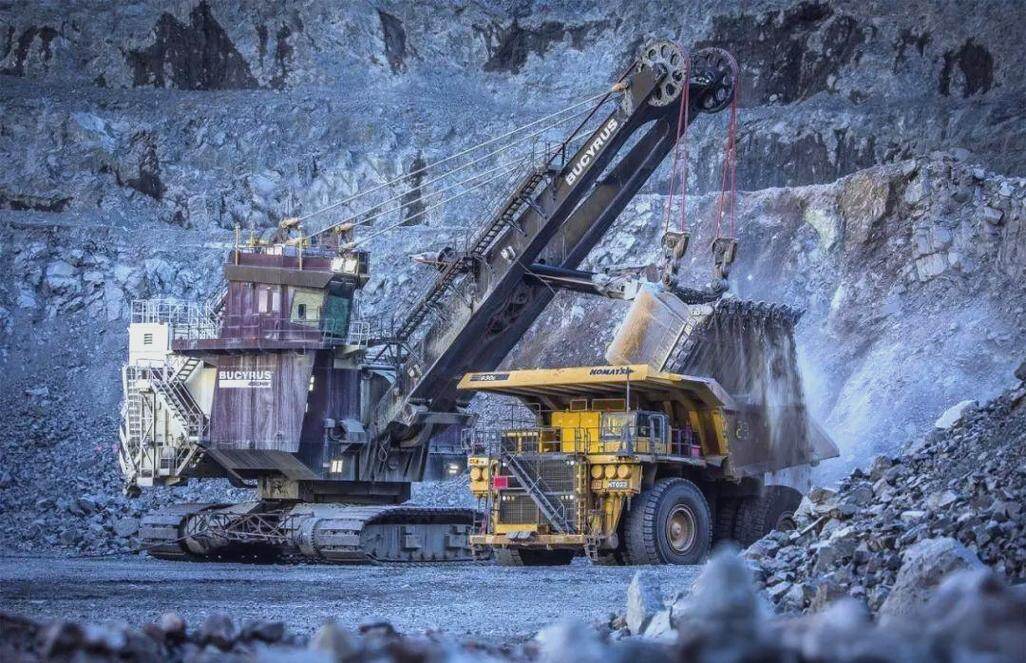
The Office of the President of the Democratic Republic of Congo has officially launched the annual evaluation of the China Congo mining to infrastructure agreement, with multiple departments and Chinese companies participating in the verification of funds, project quantities, and customs clearance documents. This $7 billion cooperation framework has entered a critical verification stage, and the copper price conditions have been met. However, the progress of road delivery needs to be pushed forward, and market opportunities are concentrated in various supporting service areas.
Implementation of funding mechanism
According to the Fifth Amendment of 2024, the total investment target for infrastructure is set at 7 billion US dollars. By 2025, the average copper price will reach 9947 US dollars per ton, meeting the annual investment start-up standard, with a benchmark annual investment of 324 million US dollars. The agreement establishes a tiered pricing mechanism, with copper prices directly adjusting the scale of infrastructure financing. As of 2022, a total of 888 million US dollars have been disbursed for infrastructure loans within the framework. The focus of this evaluation is to verify project progress and delivery vouchers. Huagang Mining, as a source of cash flow, will produce 253800 tons of copper and 5377.88 tons of cobalt in 2025. The stable production of the mine will provide support for the project's progress. Keywords: mining for infrastructure, China Africa infrastructure cooperation

Release of supporting demand
The construction of key roads such as the Kinshasa Ring Road and National Highway 1 continues, and the customs declaration process has become a major bottleneck. The market generates four major directions of demand, covering customs clearance logistics, engineering testing, building materials and equipment supply, as well as audit, legal and financial services. Enterprises with complete data verification and engineering quantity traceability capabilities are more likely to obtain subsequent orders. Industry enterprises can sort out a complete set of project documents, track project nodes by route, and fully consider potential risks such as land acquisition, exchange rates, and customs clearance when quoting. The evaluation will continue until mid August, and the division of responsibilities, rectification arrangements, and funding plans will become important indicators.Editor/Min Jing
Comment


 Praise
 Collect
 Comment

 Share
Share


Write something~