 Search


- Local gas supply policies activate downstream industries, leading to significant changes in the medium and long-term market landscape
- Supporting regulations are implemented to raise admission standards, and overseas enterprises need to supplement their local service qualifications
In the sea breeze of Maputo Bay, a development logic about black gold is being rewritten. The Luwuma Basin, which used to only focus on resource outflow, now has its eyes locked on the land beneath its feet - who can help build factories, create employment, and cultivate industries, and who can get the ticket to this energy rich land.
On July 22, 2026, Mozambican President Chappo promoted the Ruvuma Basin natural gas project as the core engine of industrialization at the Maputo Business Summit. The total investment of the project exceeds 50 billion US dollars, aiming to expand local production capacity, create jobs, support local enterprises, and promote digital transformation. Enterprises deeply involved in engineering, equipment, logistics, and energy services in Africa can clearly signal that local LNG projects are no longer just focused on resource exports, but local procurement, employment, and downstream industries have become the core of assessment, and supply chain access rules have been comprehensively adjusted.
The 50 billion project is divided into four phases
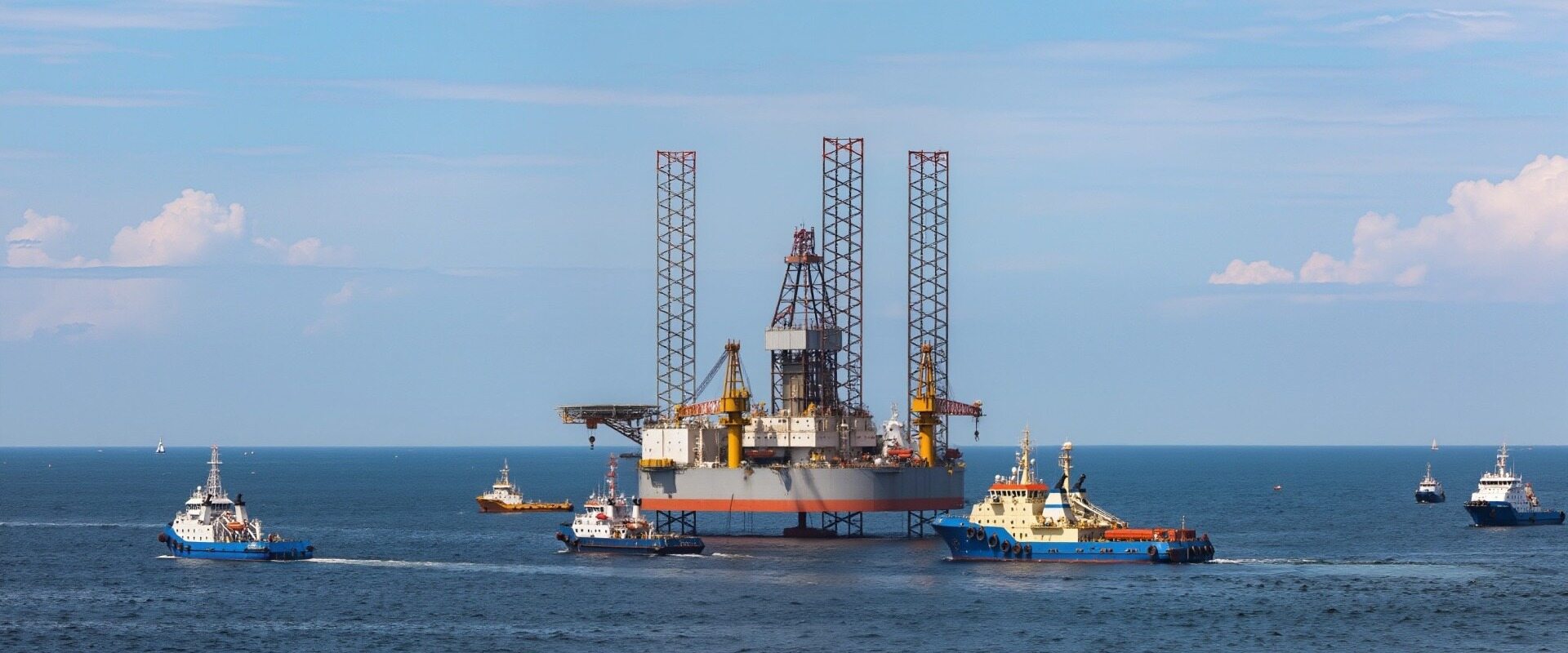
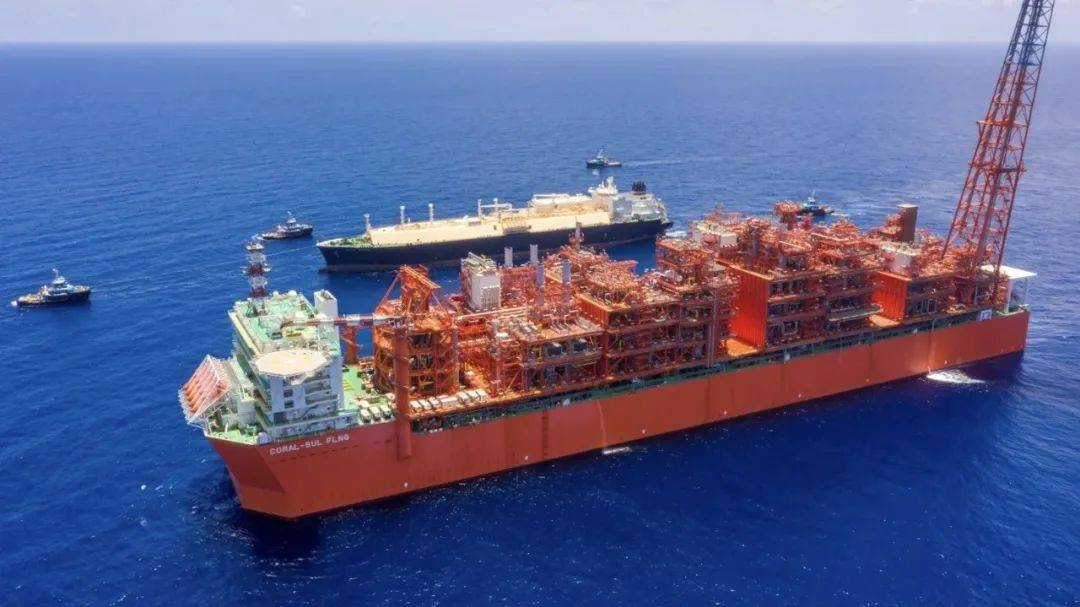
The four major gas fields in Luwuma are at different stages of development: Nanshanhu floating LNG has been put into operation; Beishanhu has finalized its investment decision by 2025, with PetroChina holding a 20% stake and starting production in 2028; Mozambique LNG2026 resumed work at the beginning of the year and will produce gas in 2029; Luwuma LNG is still undergoing plan revisions and awaiting government approval for investment plans. 50 billion investment corresponds to phased procurement demand: release of maritime operation and maintenance, spare parts matching orders for offshore projects; Land projects drive demand for civil engineering, warehousing, logistics, and communication; After the landing of the Luwuma LNG, supplier bidding will begin for the module, electrical, and shipping tracks.
Set a hard threshold for local procurement
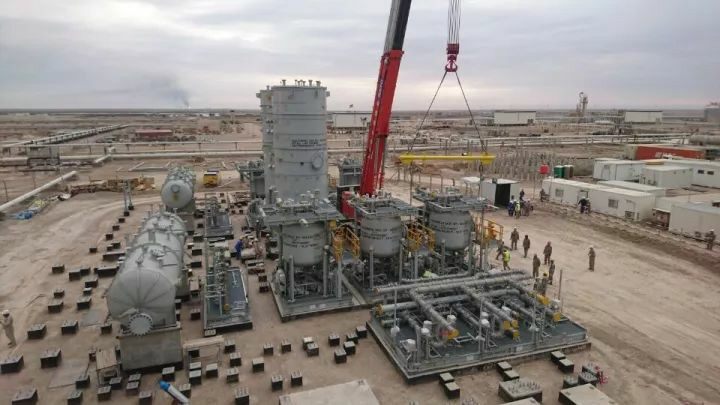
The Mozambique Local Content Law will officially come into effect in 2026, establishing a dedicated regulatory agency and building a database of local suppliers. The general contractor will be responsible for the entire local supporting chain. The two core requirements of the bill are: local compliant suppliers can prioritize cooperation within a 20% increase in quotation; The proportion of local capital in some projects shall not be less than 20%. Only registering a local company cannot pass the audit. Warehouse maintenance, local employment, and a complete compliance ledger are the core competitiveness. Easy implementation of peripheral businesses such as catering construction, coastal transportation, and camp services; The liquefaction core equipment and self-control system are still controlled by the international general contractor, and the core track competition qualifications and cooperation resources with the general contractor.
Local gas consumption stimulates new markets
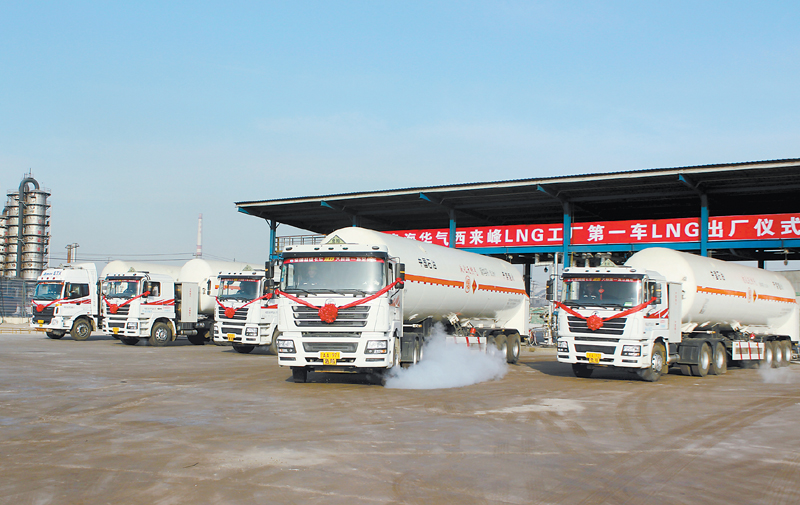
The new version of Mozambique's petroleum law stipulates that at least 25% of oil and gas production will be supplied domestically, with a daily supply of 400 million cubic feet of local gas quota, which will benefit the gas and electricity, fertilizer, park, and data center industries. The landing of downstream industries requires finalizing five major conditions: gas supply volume, pressure, pricing, pipeline route, and gas purchase credit, and completing gas supply agreements before landing power station and chemical park projects. The focus of local supervision has shifted from project resumption to retaining local industrial value, and the development of gas fields is deeply linked to local enterprises, employment, and industrial development. Keywords: Mozambique, natural gas
Engineering enterprises are given priority in undertaking road, steel structure, and warehousing supporting subcontracting; Equipment vendors bind local maintenance, training, and after-sales services, resulting in a decline in the competitiveness of single device exports; Logistics companies split multiple routes for customs clearance and security transportation, and provide itemized quotations; Electric power and chemical enterprises should first implement gas supply contracts before investing in industrial parks and gas power stations. Short term opportunities include local subcontracting for supporting facilities, mid-term focus on the Luwuma LNG equipment industry chain, and long-term reliance on local gas supply to develop electricity and fertilizer infrastructure markets. The local gas field has become a carrier for industrial assessment, and Chinese enterprises need to clarify the three core aspects of project cycle, procurement channels, and local compliance qualifications to adapt to the new competitive model guided by local industry.Editor/Gong Ziwei
Comment


 Praise
 Collect
 Comment

 Share
Share


Write something~