 Search


- Nigeria's oil and gas localization upgrade reshapes the pattern of Chinese enterprises' overseas cooperation
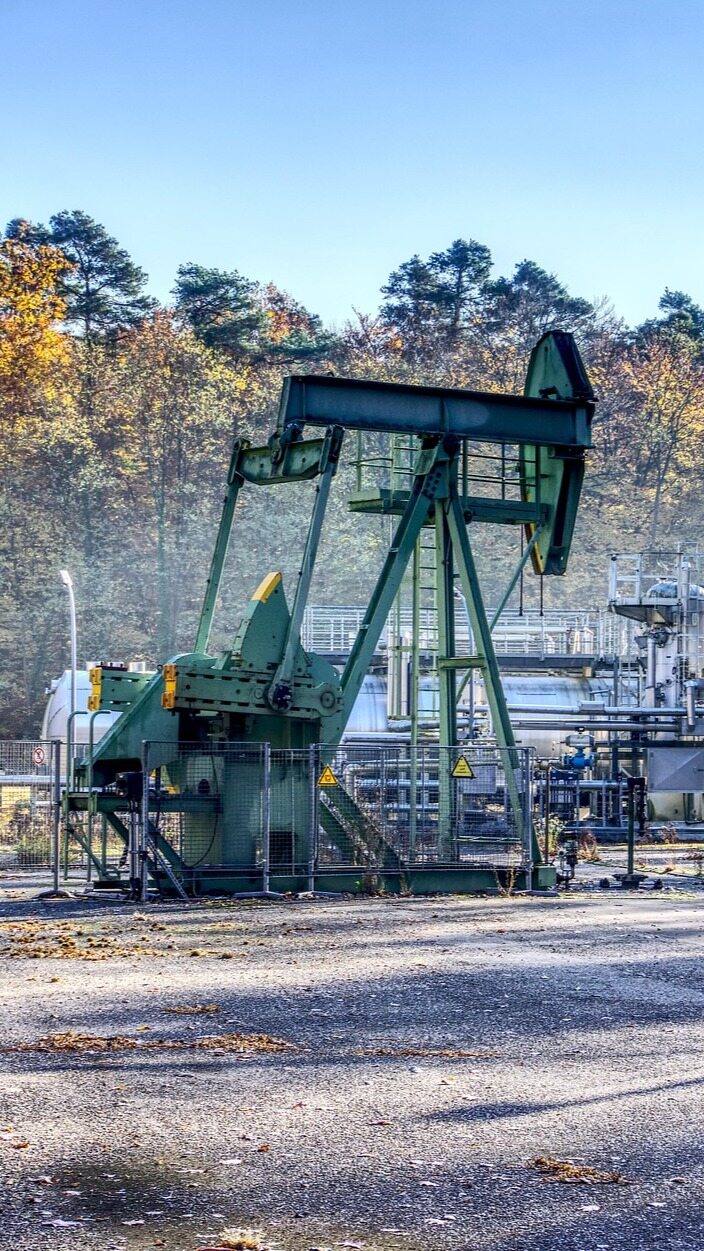
At the SweetCrude Dialogue 2026 forum held in Yenagoa, Bayelsa state, former President Jonathan reviewed his early experiences of visiting China. The Chinese petroleum industry relies on local equipment and technical talents to build a complete industrial chain, which has inspired the idea of promoting the cultivation of local capabilities in the domestic oil and gas industry, directly promoting the implementation of legislation related to local oil and gas components. After more than a decade of promotion, relevant policies have undergone a significant transformation in regulatory models, and overseas enterprises operating in Nepal need to proactively adapt to the new rules.
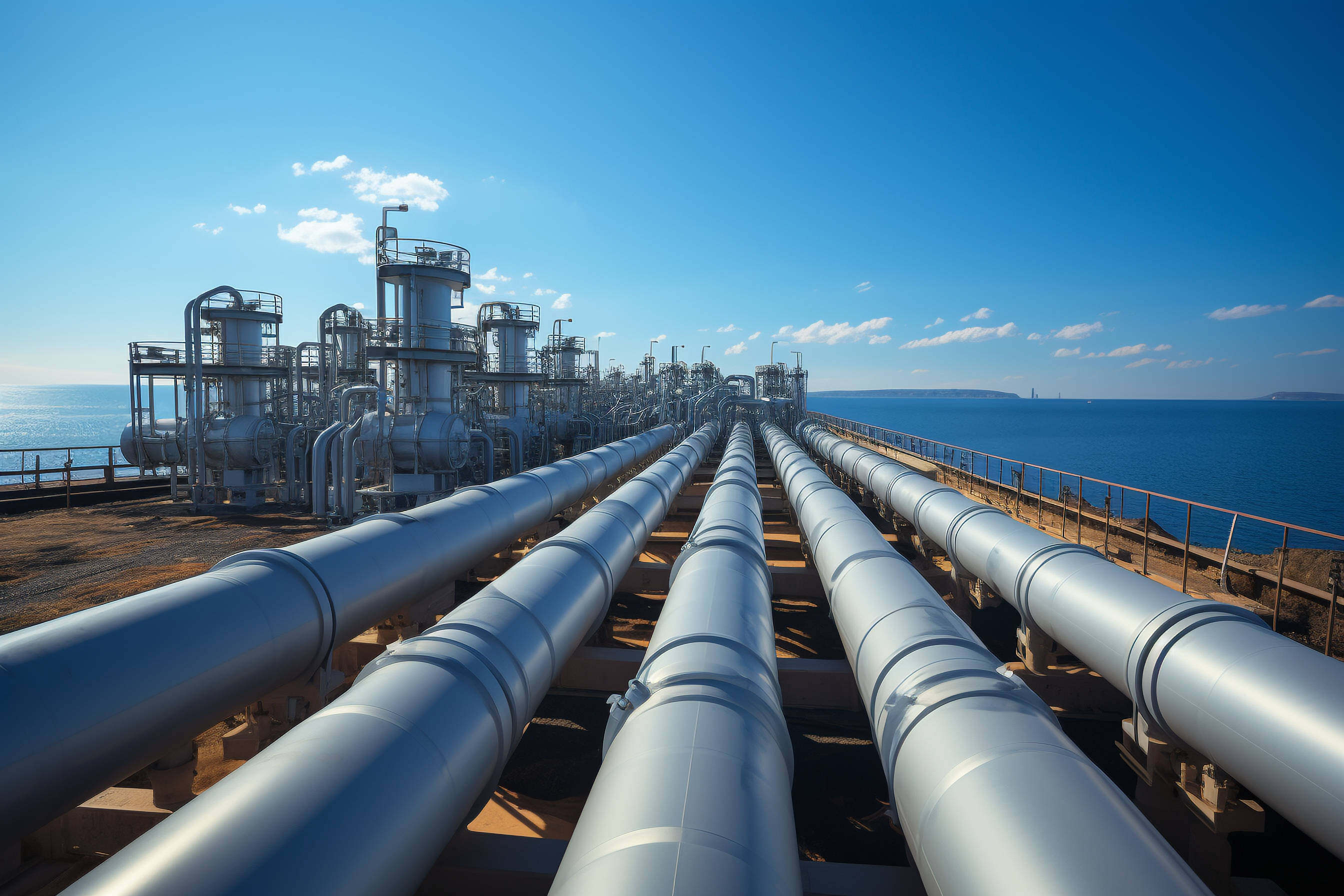
Policy Origin and Development Effectiveness
In April 2010, Jonathan signed the Nigeria Oil and Gas Industry Local Content Development Act as acting president. After 16 years of promotion, the level of local content in the industry has increased to 61%. This value represents the retention of local value within regulated projects and is not equivalent to the proportion of local equipment manufacturing. The indicator has continued to rise from less than 5% in the early stages of the policy, reaching 56% in 2024 and 61% in the third quarter of 2025, with the official development target of 70% by 2027.
Comparing the development path of commercial oil wells discovered in Nigeria in 1956 with the production of Daqing Oilfield in 1959, the differences are clearly evident. For a long time, international oil companies have dominated Nigeria's oil and gas industry, with resource revenues flowing into the government. High end technology, equipment, and services continue to rely on external supply chains. The current policy focus is no longer solely on pursuing numerical indicators, but on filling the gaps in manufacturing, maintenance, and technical talent reserves.
Comprehensive tightening of regulatory rules
The regulatory system in Nigeria has undergone profound adjustments, and the scope of review has been expanded to include the registration of equity, factory equipment, personnel qualifications, delivery records, and training effectiveness of enterprises. In 2024, President Trump signed a compliance directive prohibiting intermediaries without actual capabilities from participating in projects. In 2026, regulatory agencies will initiate cross departmental joint capability audits to verify the actual project execution capabilities of service providers.
The simple model of relying on local shareholders and signing paper training commitments is difficult to meet compliance requirements, and foreign-funded enterprises must establish a complete and verifiable local execution evidence chain, such as venue personnel performance.
Chinese enterprises embrace new opportunities in their layout
Multiple Chinese companies are deeply involved in Nigeria's upstream and downstream oil and gas projects. CNOOC holds the equity of local deepwater projects, and the local workload of Egina project accounts for 77%. The Akpo West project continues to release oil and gas production capacity, and local content rules have become a mandatory operating condition for project development. Keywords: Nigeria oil and gas localization, oil and gas cooperation
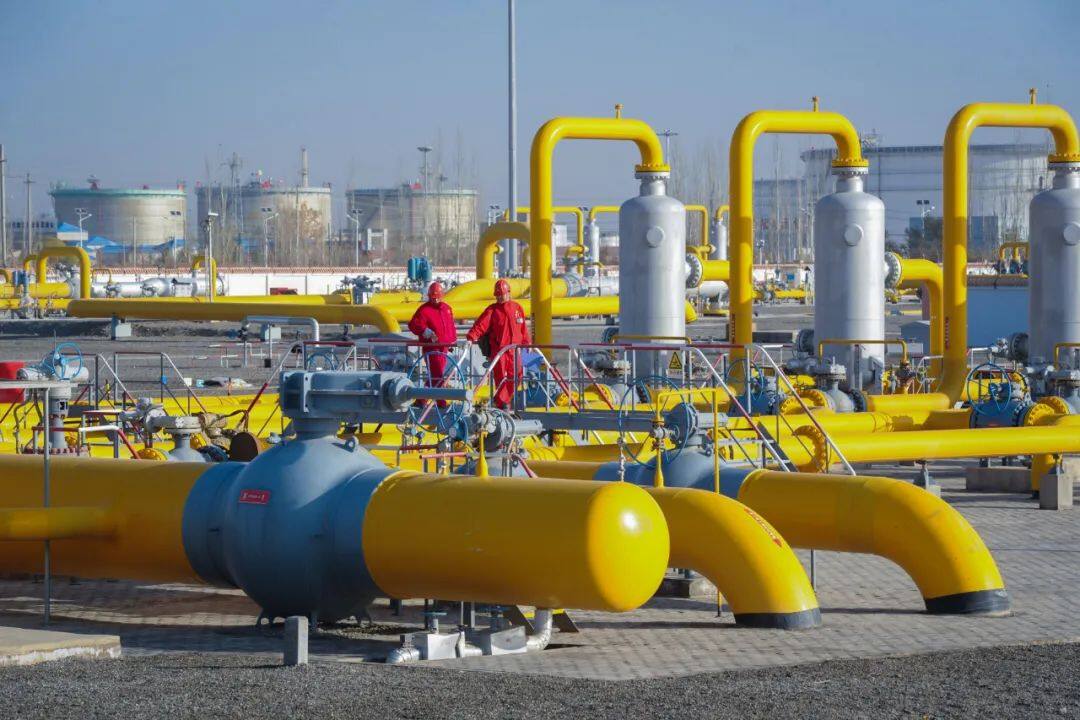
The National Petroleum Corporation of Nepal has signed a memorandum of understanding with domestic enterprises to explore refinery operation and maintenance, as well as technology equity cooperation, indicating that the business of Chinese enterprises is expected to extend from equipment supply to the entire refining and chemical chain. Enterprises can prioritize the layout of equipment assembly and maintenance spare parts warehousing business, refine local division of labor according to work packages, and do a good job in asset, environmental protection, and local compliance due diligence, grasping the window period of industrial chain reconstruction.Editor/Min Jing
Comment

 Praise
 Collect
 Comment

 Share
Share


Write something~