 Search



- Relying on agricultural waste and clean energy, Central Asia builds a sustainable aviation oil industry chain
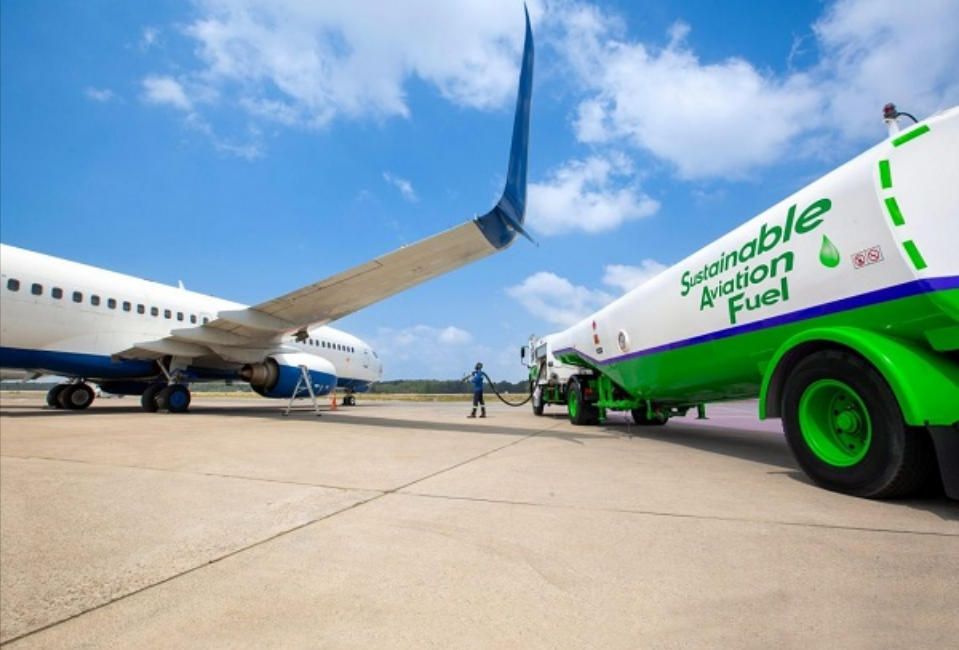
- Multiple Central Asian countries are making efforts to promote green aviation fuel and seize the opportunity of global aviation energy transformation
The wind on the Silk Road is quietly changing direction. From the deserts of Uzbekistan to the grasslands of Kazakhstan, an industrial transformation centered on sustainable aviation fuels is accelerating in the heartland of Central Asia. This is not simply a transfer of production capacity, but a key bottleneck for Central Asian countries to seek industrial upgrading in the context of global energy supply chain restructuring.
From resource monetization to technological value-added
For a long time, the Central Asian economy has been locked into a resource curse, relying on oil and gas and primary agricultural exports. However, the rise of the green aviation fuel industry provides an opportunity to break this fate. Uzbekistan has introduced cutting-edge design from Sinopec, while Kazakhstan has explored multiple process routes, demonstrating the strategic ambition of the region to break free from low-end lock-in and enter the trillion dollar blue ocean market. This path selection from selling raw materials to selling materials, and then to selling high-end manufactured products is a subversion of the traditional geo economic logic.
Crossing the dual threshold of cost and system
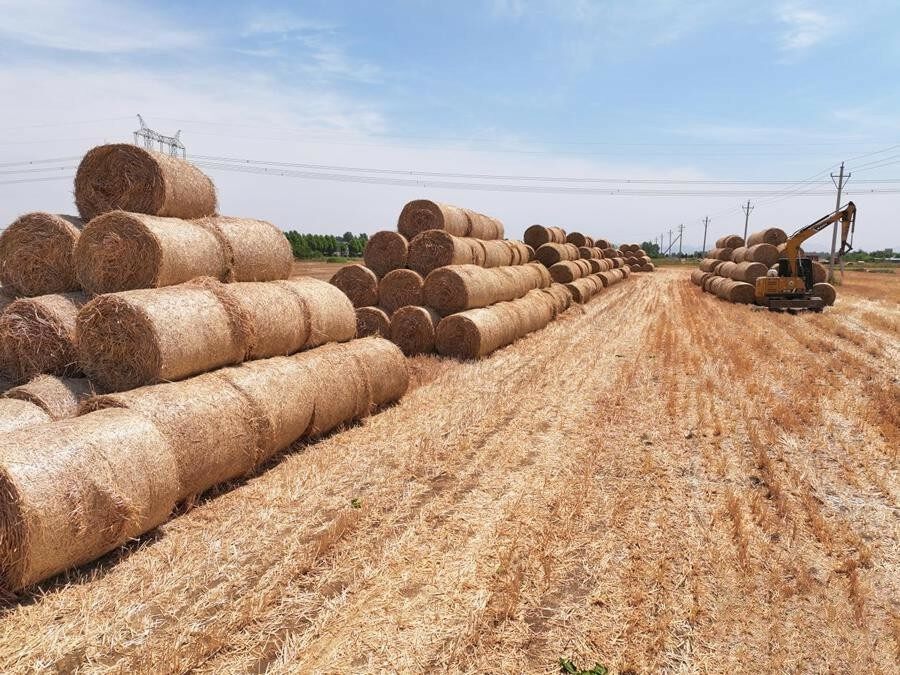
We must be aware that this leap is not an easy one. The cost dilemma of green aviation fuel is actually a dual test of technology and system. The advantage of Central Asia lies in its unique scenery resources and huge agricultural waste stock, but this is only the endowment of raw materials. To transform resource advantages into industrial victories, it is necessary to overcome multiple obstacles such as stable supply of green electricity, intensive collection of raw materials, international certification interoperability, and cooperation with aviation authorities. Especially the economic viability of the electric synthesis aviation fuel route heavily relies on the large-scale production of cheap green hydrogen, which poses extremely high requirements for the regional power grid regulation capability and new energy investment intensity.
New regional landscape under misaligned layout
It is worth noting that Central Asian countries have shown a differentiated division of labor. Ukraine and Kazakhstan rely on their existing petrochemical infrastructure to take the lead in experimentation, Turkmenistan waits for the right opportunity with natural gas and photovoltaic potential, and Kyrgyzstan and Tajikistan focus on future layouts supported by hydropower. This dislocation development based on resource endowment, if supplemented by cross-border infrastructure interconnection and mutual recognition of standards, is expected to form highly resilient regional industrial clusters. Keywords: Central Asia, green hydrogen, aviation fuel

Looking at the world, decarbonization in the aviation industry has no way out, and sustainable aviation fuel is an unavoidable technological option. If Central Asia can take this opportunity to establish a full industry chain integrating raw material collection, clean energy preparation, and high-end refining, it will not only serve the Eurasian air corridor, but also gain a key voice in global climate governance. This is not only the upgrading of industries, but also the reshaping of national competitiveness. For China, the deep embedding of engineering and technology advantages into this process is not only a model for the green development of the the Belt and Road, but also a strategic vision to ensure the safety of its own international aviation supply chain.Editor/Gong Ziwei
Comment






 Praise
 Collect
 Comment

 Share
Share


Write something~