 Search


- On the same tariff table, supply and demand logic and geopolitical risks are writing their own stories
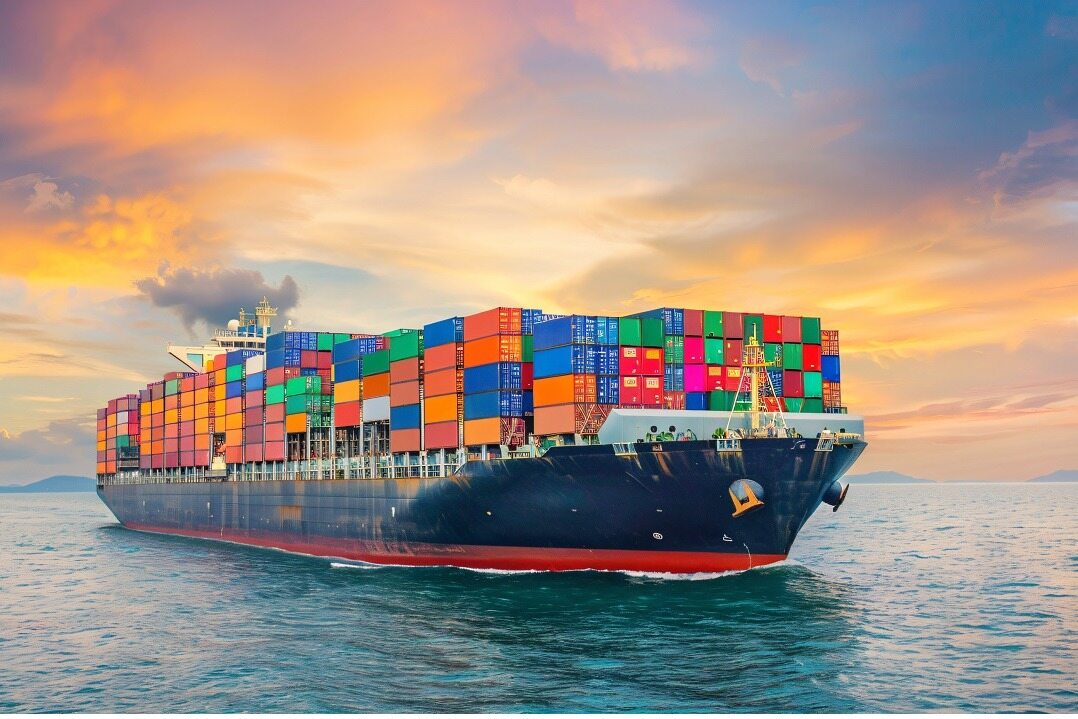
On July 24, 2026, SCFI reported 3062.95 points, marking the third consecutive week of decline, with a 0.56% decrease that has significantly narrowed compared to before. But what really caught the market's attention was the weekly surge of 7.5% on the Persian Gulf route, with the price of $4584/TEU particularly striking amidst the overall decline on European and American routes.
Dafei announced an emergency fuel surcharge of $65 to $165 per box starting from August 1st, citing the escalation of hostilities in the Strait of Hormuz and a significant increase in fuel prices. The global consolidation market is being torn apart into two worlds: one looking at supply and demand, and the other betting on risks.
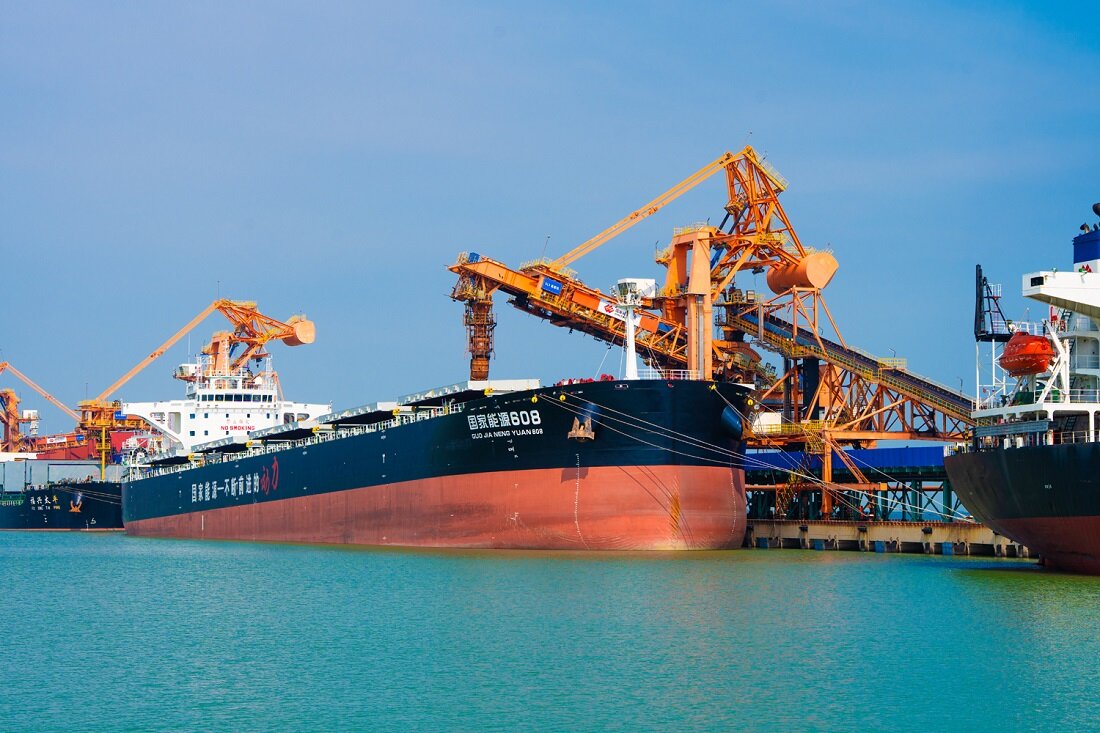
Cross Pacific and European routes continue to decline
On the week of July 23rd, the Drewry World Container Index was at $4374/FEU, down 4% month on month. The freight rate from Shanghai to Los Angeles fell 6% to $5878/FEU, and from Shanghai to New York fell 4% to $7598/FEU. The trans Pacific route plans to have 6 empty flights next week, far lower than this week's 9 flights, and the supply of capacity is increasing. The European direction is also under pressure, with Shanghai to Genoa falling 5% to $5988/FEU and Shanghai to Rotterdam falling 1% to $4824/FEU.
SCFI segmentation data points in the same direction: the US West Coast line at $5535/FEU, down 3.3%; The US Eastern Front is at $8040/FEU, down 1.6%; The European line is 3155 USD/TEU, down 1.9%; The Mediterranean line is $4351/TEU, down 2.8%. The US tariff policy is facing a transition period - the current 10% global import tariff will expire on July 24th, and the new tariff is expected to be implemented in early August. After the closure of the cargo rush window, the demand for booking has significantly cooled down.
Geopolitical risks are rewriting the cost structure
The Persian Gulf route freight rate reported on July 24th at $4584/TEU, a significant increase of 7.5% compared to the previous month. Since July 7th, the navigation volume in the Strait of Hormuz has sharply decreased, and the southern channel has been largely abandoned. The US and Iran continue to exchange fire, and about 5 ships have been attacked in Omani waters, including three ultra large oil tankers and one LNG ship. Drewry's assessment suggests that shipping safety risks in and around the Persian Gulf persist, and carriers have announced the implementation of an emergency fuel surcharge starting from August. Dafei explicitly stated that the escalation of the situation in the Strait of Hormuz has reversed the previous trend of easing fuel prices.
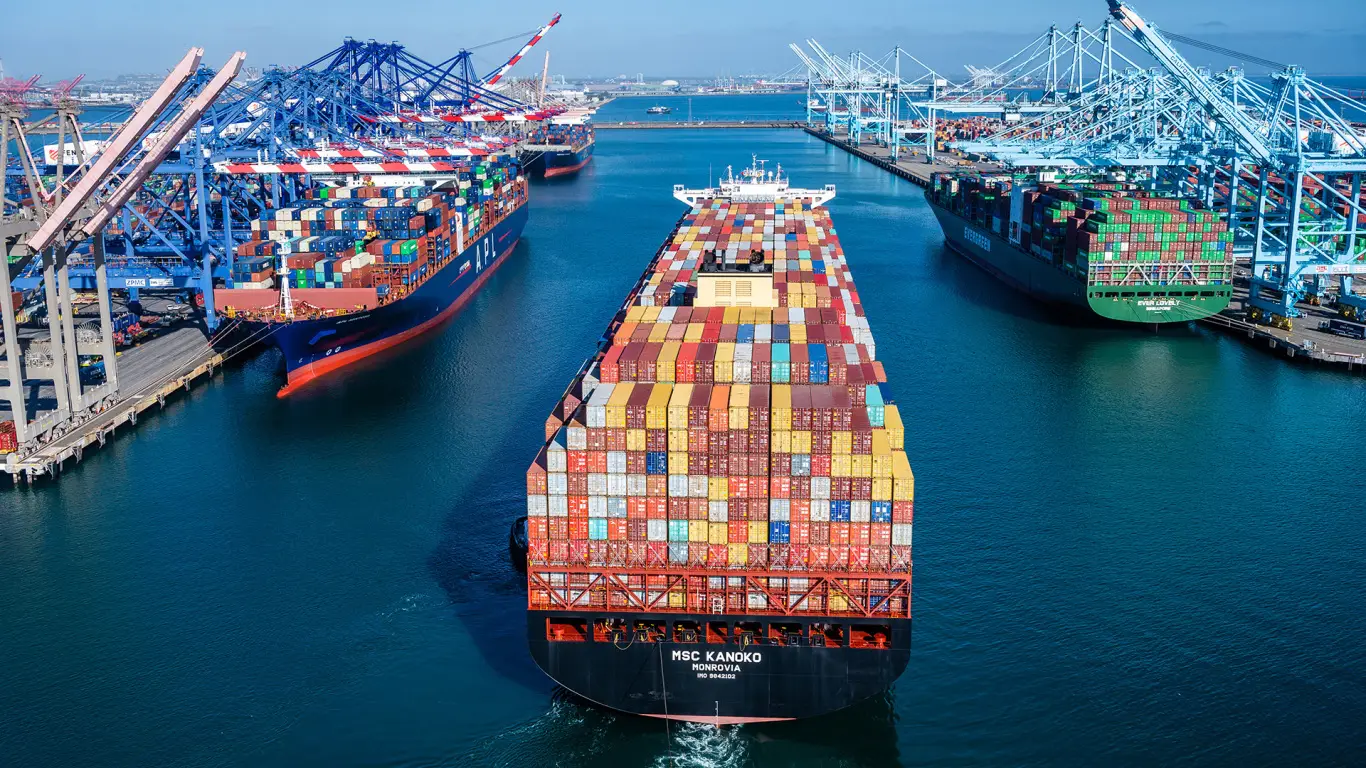
The logic of the rise and fall of the two routes is completely different, which means that the consolidation market in the coming weeks will shift from a single direction of fare adjustment to a refined game of looking at routes, risks, and cost structures.Editor/Cheng Liting
Comment







 Praise
 Collect
 Comment

 Share
Share


Write something~