 Search


- Kuwait launches super large energy foreign investment project, setting a new record for attracting investment in history
- Innovate the pipeline leaseback model to achieve a win-win situation of state-owned assets holding and foreign investment empowerment

Under the desert, black veins crisscross; When sovereign assets encounter billions of global capital, a rent back game that does not involve ownership comes to an end. Middle Eastern oil countries are anchored by pipeline networks, forging a new path between control and investment attraction, adding another dimension to the global narrative of energy infrastructure.
The heavyweight transaction has officially landed
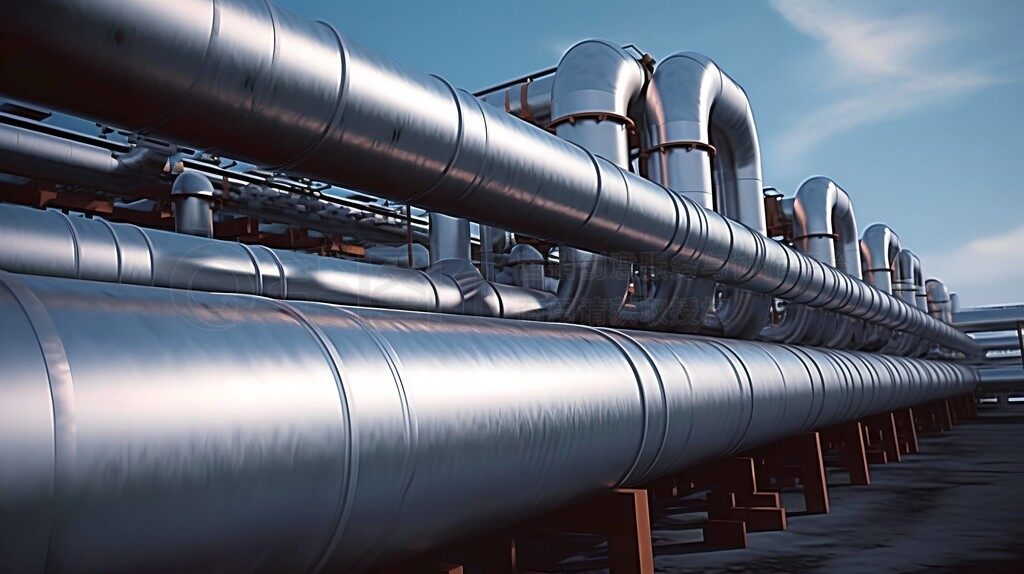
KOC, a wholly-owned subsidiary of Kuwait State Oil Group, has signed a $16 billion pipeline leaseback agreement with an international investment consortium consisting of Blackstone, Brookfield, and KKR, covering all domestic and export pipeline networks in Kuwait. Both parties will establish a local joint venture to operate the pipeline usage rights, which is the largest foreign direct investment in Kuwait's history and significantly enhances the country's ability to attract investment in strategic infrastructure.

Clear and definite cooperation mode
The joint venture company will lease KOC the right to use a total of 13 pipelines with a total length of approximately 320 kilometers. Adopting a leaseback model, KOC enjoys exclusive operation and maintenance rights for 20.5 years and pays according to the oil transportation volume. In terms of equity structure, KOC holds 51% of the shares and maintains control, while the three foreign institutions jointly hold 49% and contribute equally. This transaction does not change KOC's ownership and operational control over the pipeline, nor does it limit the country's crude oil production capacity and refining volume. The production decision-making power still belongs to the Kuwaiti government. Keywords: Kuwait KOC、 Infrastructure
Empowering Industrial Development with Funds
After the transaction is completed, KOC will receive a $7.85 billion advance payment to support KPC's capital expenditures and support its expansion goal of producing 4 million barrels of crude oil per day by 2035. The Peregrine Falcon project is a milestone in Kuwait's infrastructure sector, helping to diversify the country's capital structure and attracting global institutions to lay out local energy infrastructure. The agreement requires regular approval and compliance with Kuwaiti laws, which will further deepen Kuwait's cooperation with international capital and empower energy infrastructure investment, financing, and construction upgrades.Editor/Gong Ziwei
Comment


 Praise
 Collect
 Comment

 Share
Share


Write something~