 Search


- Hungary launches the strongest railway revitalization plan in history, pressing the accelerator button for regional connectivity

In Budapest, where the Danube River flows slowly, the sound of railway track friction once symbolized lagging speed. For a long time, due to weak investment, Hungary's railway network has been like old blood vessels, unable to support the surging pulse of the modern economy. Now, this situation is about to be completely rewritten. Recently, Prime Minister Peter Mazar and Minister of Transport and Investment David Vitesse teamed up to throw out a "bombshell": a railway modernization plan worth up to 355 billion forints has been officially unveiled. This is not only a repair of infrastructure, but also a strategic breakthrough related to the country's economic competitiveness, with the goal of revitalizing the Hungarian railway by 2035.

Speed up intercity major channel
The core of the plan is to break the distance of time and space. Hungary will make every effort to smooth the "Ren Du Er Mai" between the capital and state capitals, significantly improving the speed and punctuality of train operations. To support this ambition, the government will purchase at least 35 new double decker electric multiple units specifically designed to serve long-distance intercity lines. These trains will not only expand capacity, but also completely eliminate a large number of long-standing speed limit sections, making intercity travel as smooth as lightning speed. At the same time, the 10 busiest stations in the country will undergo a comprehensive renovation to ensure the comfort and convenience of passengers' travel from a hardware perspective.keywords:Foreign construction news network
Weaving dense urban commuting network
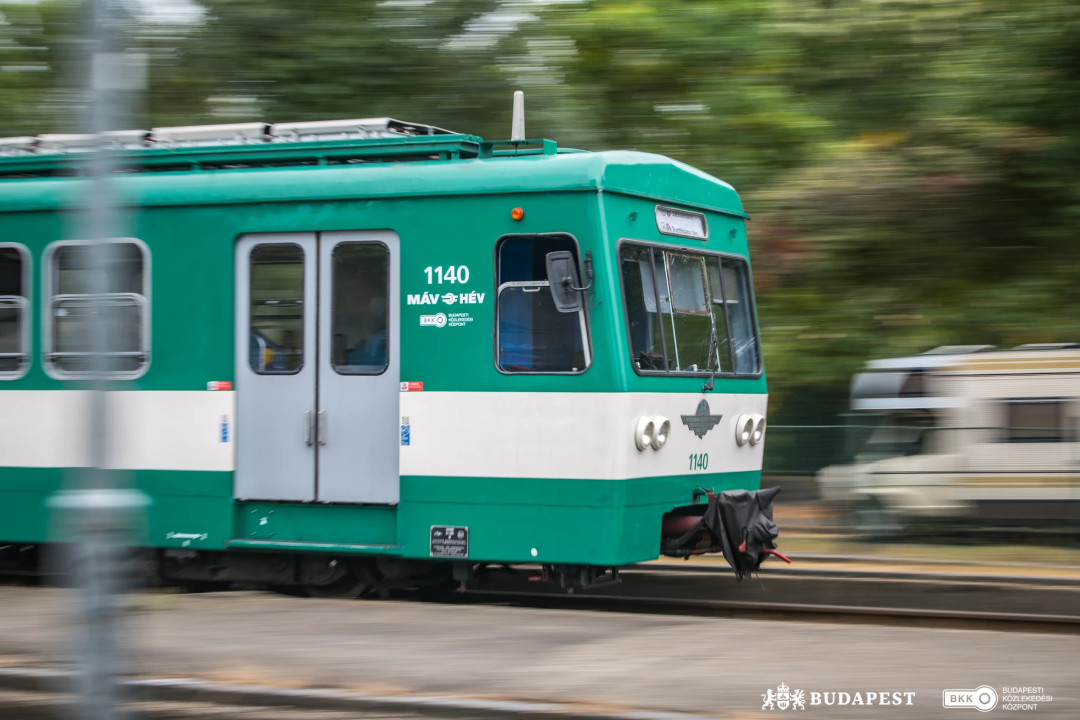
In response to the tidal flow of people around big cities, the plan focuses on strengthening commuter rail services. 42 new electric multiple units will be deployed on suburban lines in Budapest and major cities to alleviate ground traffic pressure. It is worth noting that the central government places special emphasis on collaboration with the Budapest city government, striving to achieve precise and seamless connection between railway and bus timetables. This "door-to-door" integrated transportation concept will effectively shorten the commuting time of employed personnel and promote the free flow of talents between regions.
Unicom International New Arteries
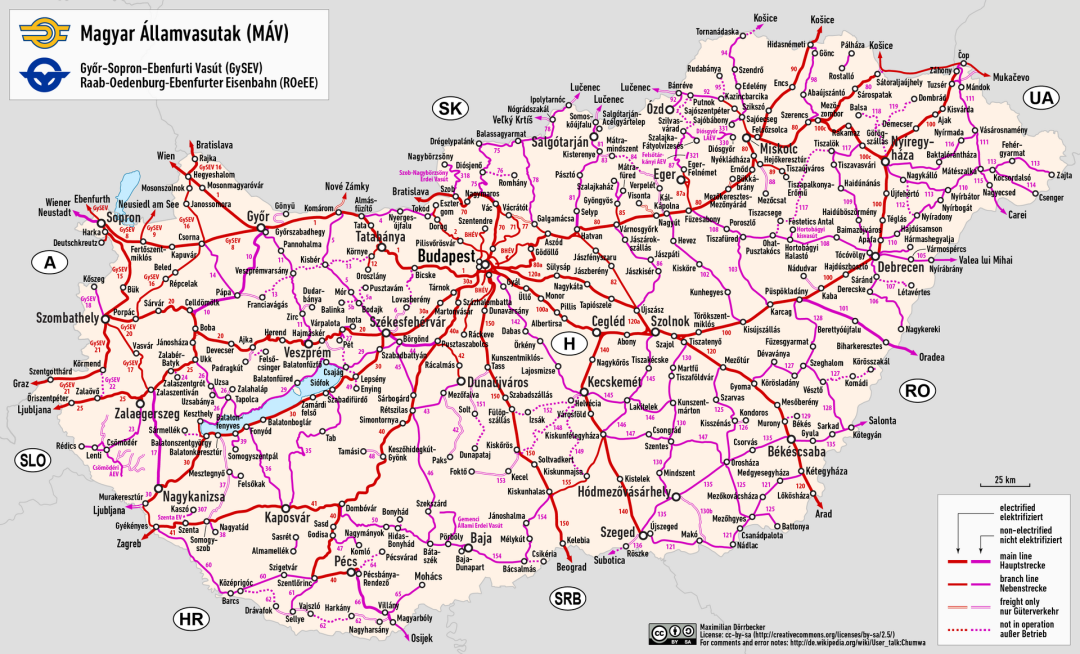
In terms of freight and international connectivity, Hungary aims to become a key hub for European logistics. By enhancing railway freight capacity and guiding goods to flow back from highways to railways, it is both environmentally friendly and cost-effective. What is even more remarkable is the blueprint for the future: the Budapest Airport railway connection project will be put on the agenda, ending the history of the airport not being connected by trains; At the same time, the government will also start researching real high-speed railway technology and actively engage with neighboring countries to explore the construction of a high-speed railway network within the Visegrad Group (V4), making the economic ties between multiple countries closer.Editor/Yang Meiling
Comment


 Praise
 Collect
 Comment

 Share
Share


Write something~