 Search


- Ghana lays out gas-fired power plants to empower energy transformation and industrial cost reduction and efficiency improvement
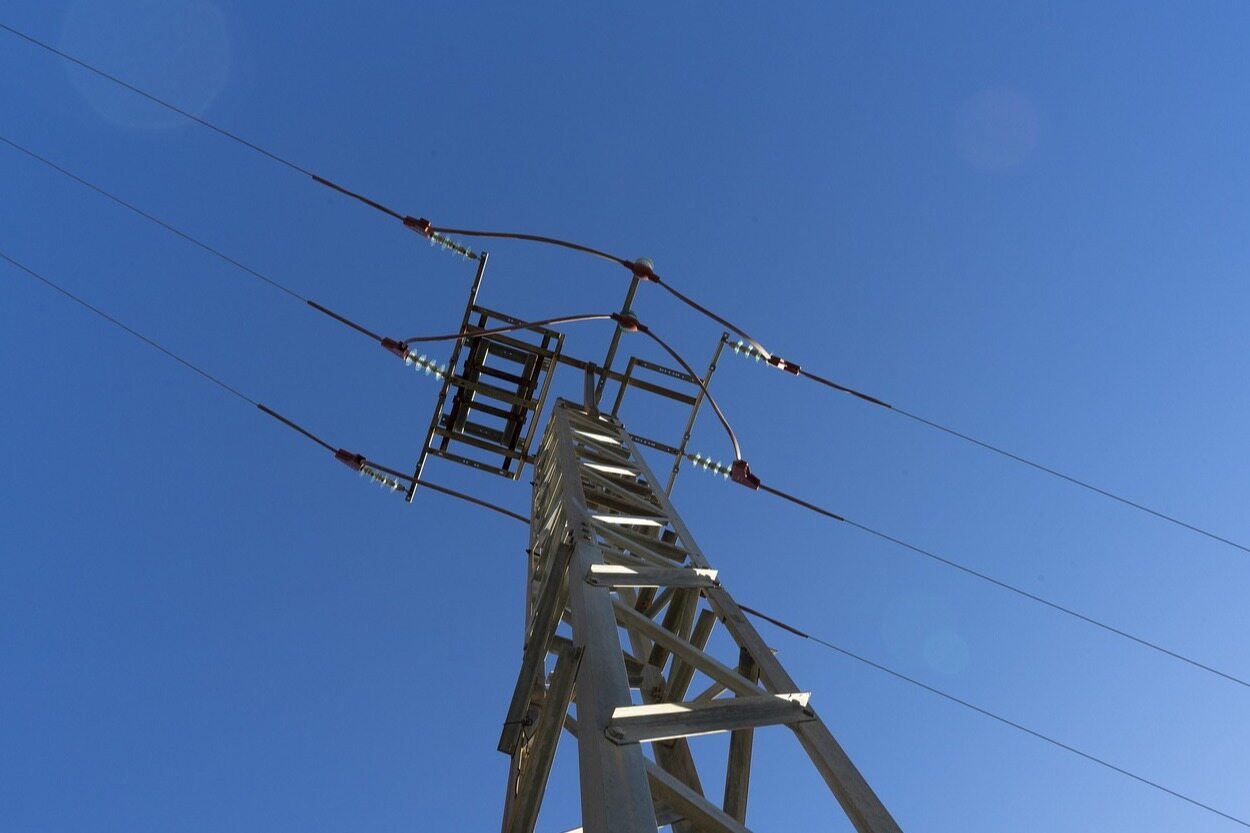
To solve the industry dilemma of high fuel power generation costs and insufficient power supply capacity, Ghana has officially promoted the construction of large-scale state-owned gas-fired power plants. This project focuses on upgrading gas to oil energy, coupled with the construction of supporting gas source facilities. It can not only fill the gap in power supply and reduce electricity prices, but also create a large number of jobs for the local area and comprehensively optimize the national energy supply system.
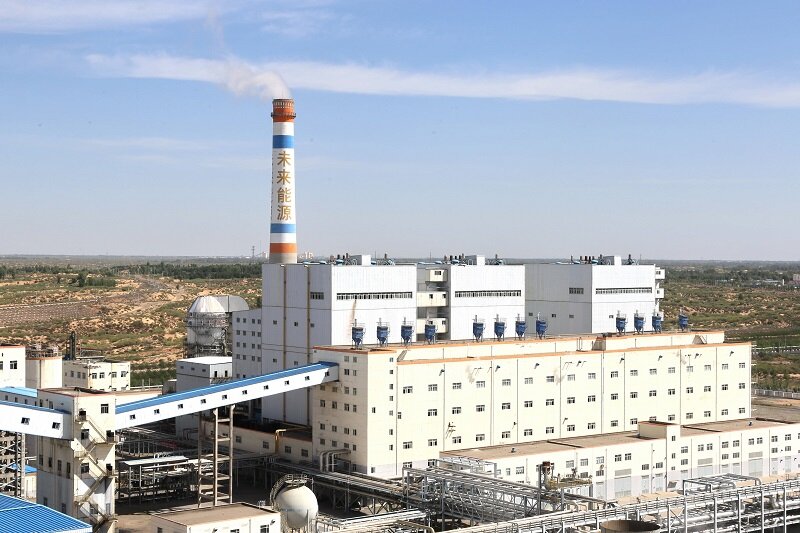
Clear project overview
On July 23, 2026, the Ghanaian Ministry of Finance issued a mid-term fiscal policy review, announcing the construction of a 1200 MW state-owned combined cycle gas-fired power plant in the Central Region. The project is located in a relevant municipality in Kemenda, and the first 600 MW unit is planned to be put into operation in 2028. The project adopts efficient combined cycle power generation technology, and the gas turbines are directly supplied by GE Vernova, which can achieve a procurement cost savings of 35% to 45%. After being put into operation, it is expected to drive down electricity prices by 10% to 20%, and provide over 2000 job opportunities in the first phase. At present, the project is in the stage of licensing and engineering preparation, and core information such as total investment, general contractor, and financing plan have not yet been disclosed.
Core motivation for landing
The high cost of fuel power generation is the core reason driving the implementation of projects. Ghana's promotion of natural gas replacing light crude oil for power generation can reduce power generation costs by at least 75%. In the first half of 2026, the local government will save 3.08 billion cedi, equivalent to 268.5 million US dollars, in fuel costs through the gas to oil model. Currently, Ghana consumes 35 million standard cubic feet of gas per day for power generation, with gas sources coming from offshore oil and gas projects and N-Gas enterprises. However, there is still a gas shortage of 10.19 trillion British thermal units throughout the year, and the highest cost of liquid fuel substitution can reach 452.23 million US dollars. Optimizing the energy structure is urgent.
Market Opportunities and Risks
By the end of 2025, Ghana's total installed capacity will be 6048 megawatts, with thermal and electrical installations accounting for nearly 70%. The peak electricity consumption in the winter of 2026 will reach 4581 megawatts, with a grid reserve rate of only 12%, far below the planning standard. The construction of new gas-fired power plants can effectively supplement the dispatchable stable power supply. Keywords: Ghana Gas Power Plant, Energy Transition
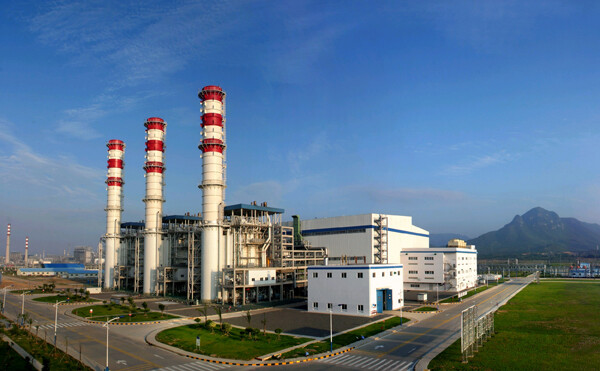
At present, the gas turbine host market has been locked in, and the core opportunities for Chinese enterprises are concentrated in power plant supporting equipment, civil engineering installation, operation and maintenance services, and modular gas processing projects with a daily processing capacity of 100 million standard cubic feet. However, the reduction of electricity prices is constrained by multiple factors such as gas source stability, financing costs, and grid payments, and there is still a certain degree of uncertainty in project implementation. Enterprises need to carefully layout key nodes such as project approval and grid connection agreements.Editor/Min Jing
Comment


 Praise
 Collect
 Comment

 Share
Share


Write something~