 Search


- Two phase delivery, 9 data halls, water cooling system in conjunction with 500kW photovoltaic system
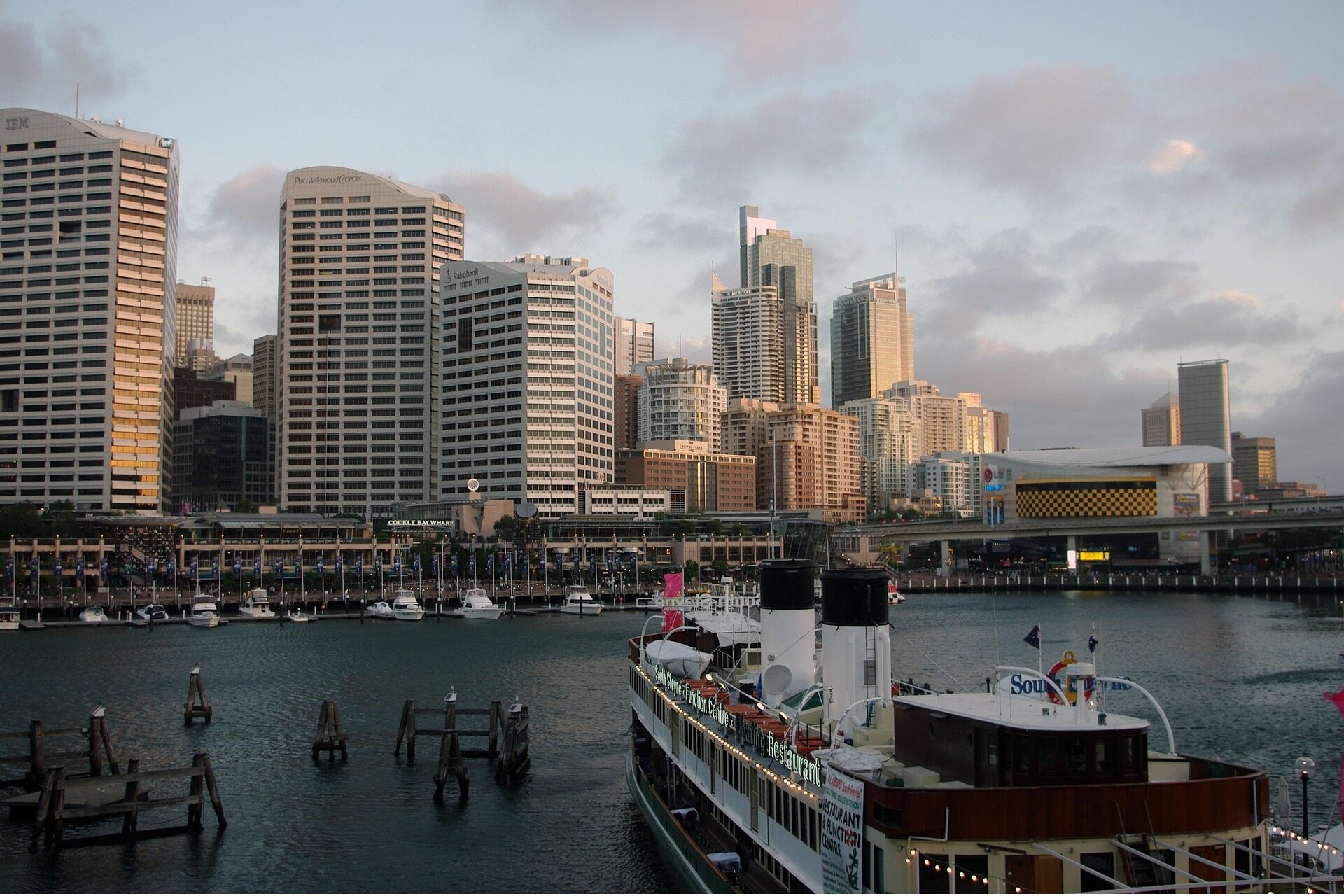
In the western suburbs of Sydney in July, bulldozers have started leveling the site of the former Castrol lubricant factory. This place no longer produces engine oil, but aims to become one of the largest digital infrastructures in Western Sydney.
On July 23, 2026, the New South Wales Department of Planning, Housing and Infrastructure officially approved the Project Pluto data center project of the Jiamin Group. The Sydney West End is transitioning from an industrial corridor to a computing corridor.
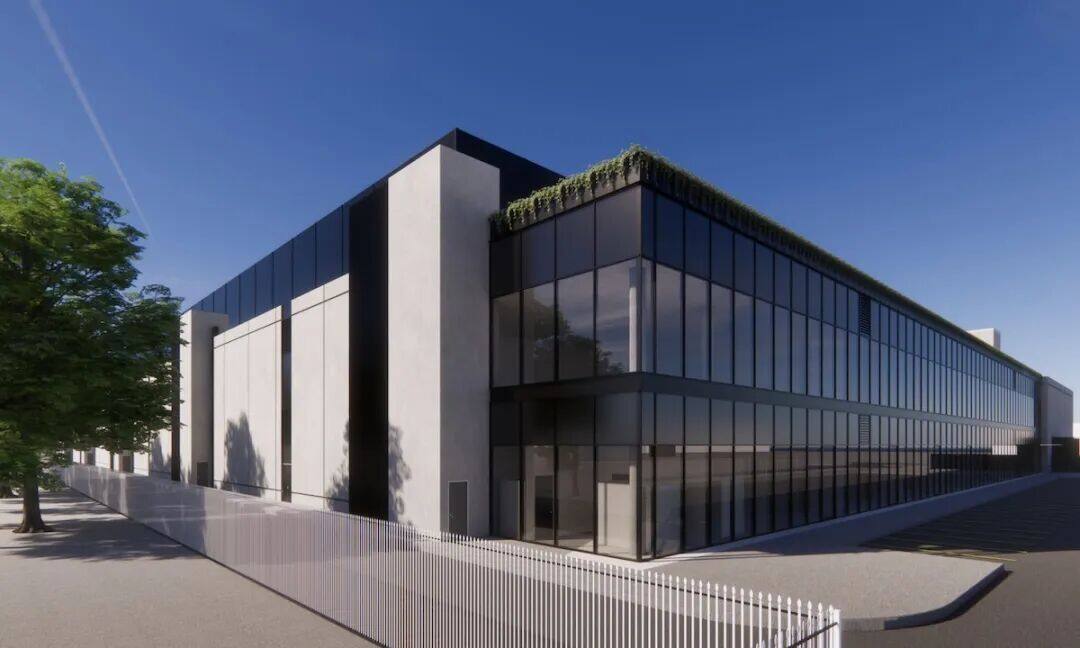
68MW will be implemented in two phases
Project Pluto is located at 132 McCredie Road, Guildford West, covering an area of 71710 square meters. According to the planning documents, the total investment of the project is 1.11 billion Australian dollars, and a 29444 square meter data center will be built, equipped with 9 data halls.
The project will be delivered in two phases to match the phased availability of power supply. The first phase of the project will provide 34MW capacity in 5 data halls, and the second phase will add 4 more data halls and related power infrastructure, with a final total capacity of 68MW.
The plot is adjacent to the Guilford substation, and the first phase will be directly powered by the transmission grid. The Phase II 34MW power supply plan will be connected to a newly built substation within the factory area through the Endeavour Energy distribution network.

Water cooling system+500kW photovoltaic system
The cooling scheme has been designed based on a water-cooled mechanical system. The engineering research of Arup has concluded that water-cooled chillers using open cooling towers have the lowest predicted energy utilization efficiency, lower noise emissions, and support the flexibility of future liquid to chip liquid cooling technology.
The research estimates the annualized PUE to be between 1.27 and 1.32, while the project sustainability report states that the highest PUE for design is 1.4. The sustainable development strategy includes a 500kW rooftop solar photovoltaic system, a 60000 liter rainwater collection tank, a water side economizer, a magnetic levitation chiller unit, and a variable frequency pump system. These measures will reduce the demand for drinking water in living facilities by about 43%. Keywords: data center. high-tech
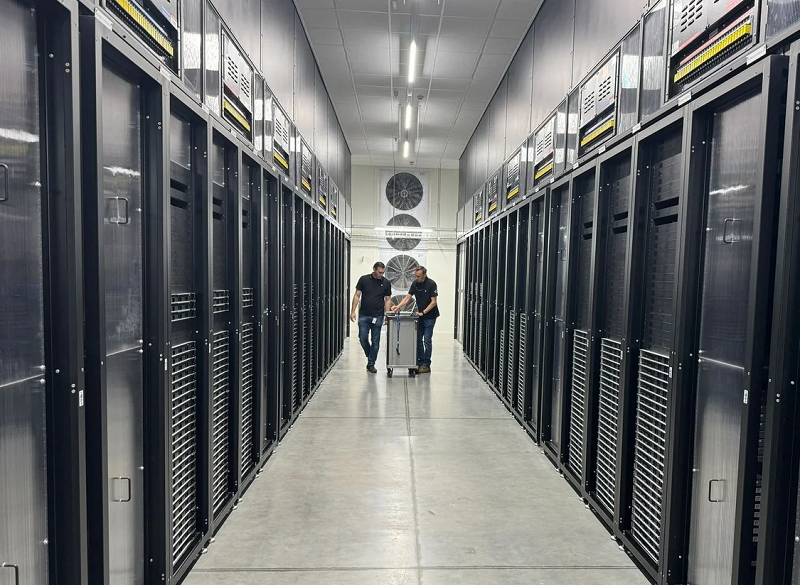
The project is expected to create 467 full-time equivalent job positions during the construction period and support approximately 60 operational positions upon completion. When Carlsberg's lubricating oil tanks are replaced by computing power cabinets, Western Sydney is not only undertaking a wave of data center construction, but also a collective bet of global cloud service providers and AI workloads on the Sydney market.Editor/Cheng Liting
Comment







 Praise
 Collect
 Comment

 Share
Share


Write something~