 Search


- Expansion and commissioning of MZar sewage treatment plant in Morocco
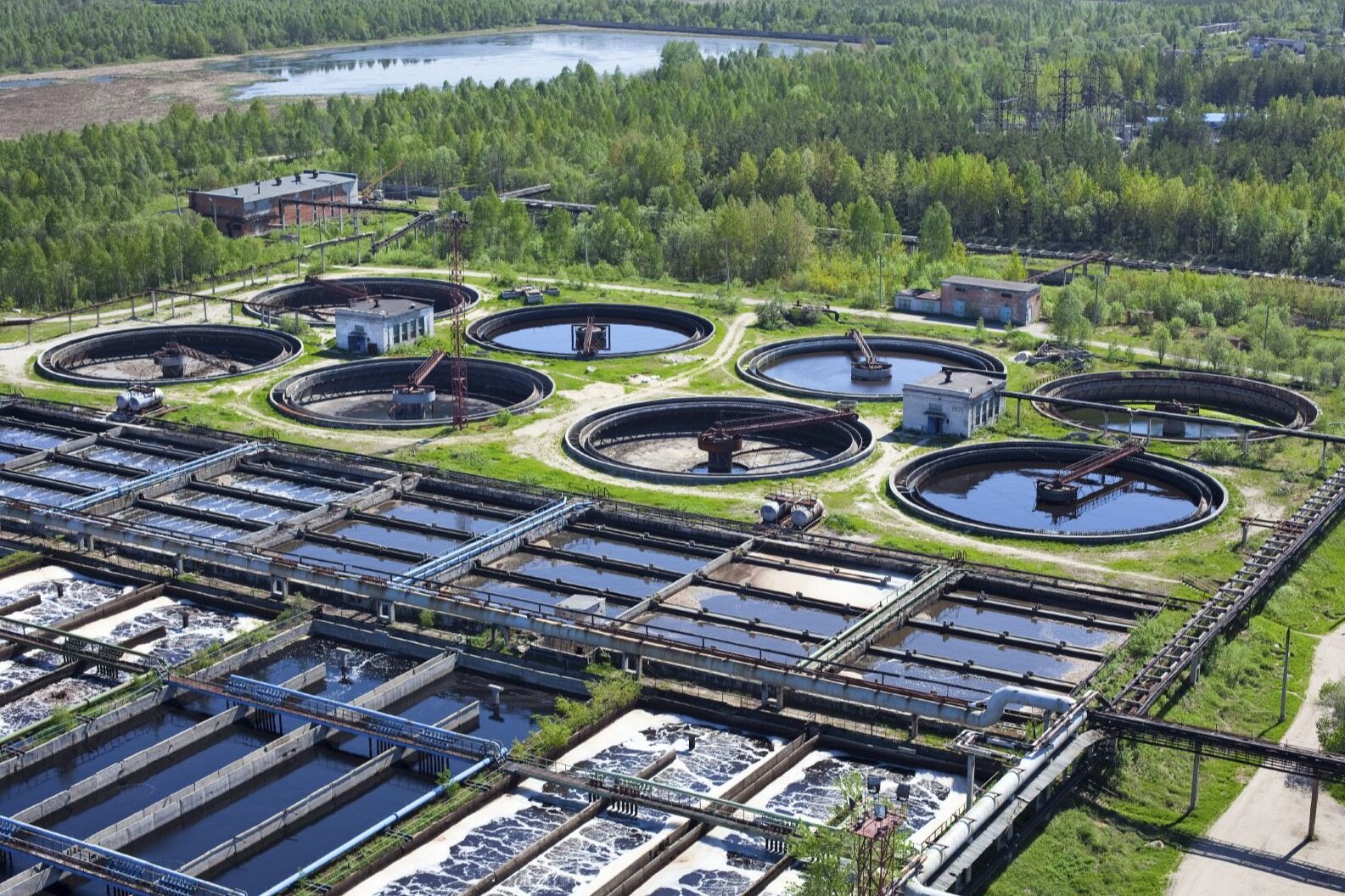
On July 24, 2026, during the 27th anniversary celebration of the accession of King Mohammed VI of Morocco, Said Amzazi, the governor of Souss Massa region, cut the ribbon for the expansion project of M'Zar sewage treatment plant. On this day, residents of the Agadir region may not have noticed that their daily water source for irrigating green spaces has quietly come from a modern sewage treatment facility with a daily processing capacity of 144000 cubic meters. The investment of 905 million dirhams resulted in a nearly doubling of processing capacity - from 78000 cubic meters to 144000 cubic meters, and the daily production of recycled water increased from 30000 cubic meters to 66000 cubic meters.
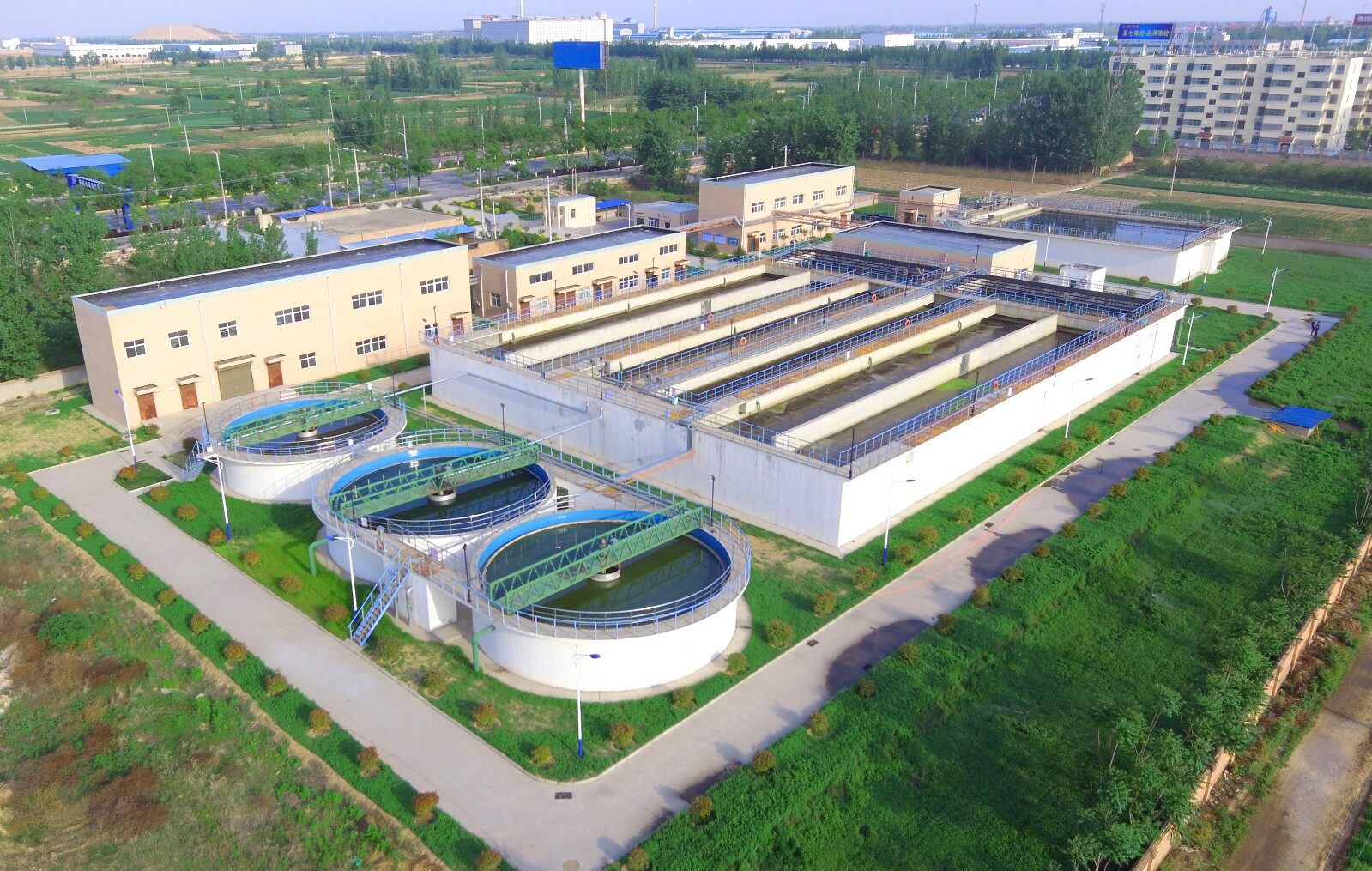
Doubling processing capacity to alleviate water resource pressure
After expansion, M'Zar plant has become one of the largest infrastructures in the field of wastewater treatment and reuse in Morocco. The newly added processing unit contributed a daily increase of 66000 cubic meters, bringing the total processing capacity to 144000 cubic meters. The project adopts the activated sludge process, with a chemical pollutant removal rate of 96% and a microbial index removal rate of 100%. The effluent fully meets the reuse standards. 66000 cubic meters of recycled water are mainly used for irrigation of green spaces in the Agadir region, directly replacing equivalent drinking water resources and providing substantial support for addressing climate change and frequent droughts.
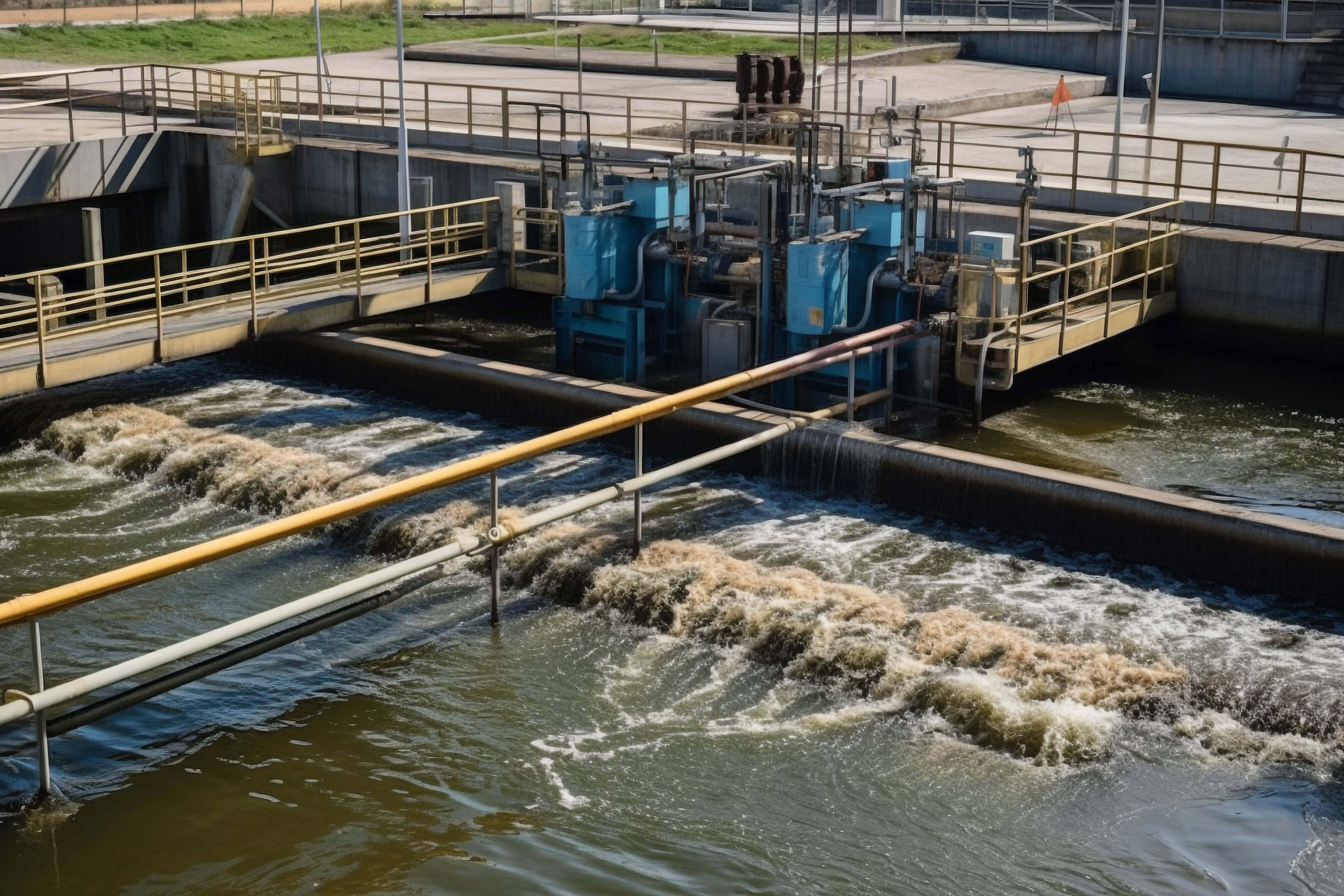
Biogas power generation closed-loop reduces electricity costs by 40%
The anaerobic digestion of sludge and biogas power generation unit supporting the project is the core highlight of circular economy design. The sludge generated during the treatment process is converted into biogas, which is then converted into electrical energy, meeting about 40% of the electricity demand of sewage treatment plants. This design achieves triple benefits simultaneously: significantly reducing the operating costs of purchased electricity, reducing greenhouse gas emissions, and setting a benchmark model for energy self-sufficiency and resource recycling in Morocco's water infrastructure. Keywords: Infrastructure News Network, Sewage Treatment, International
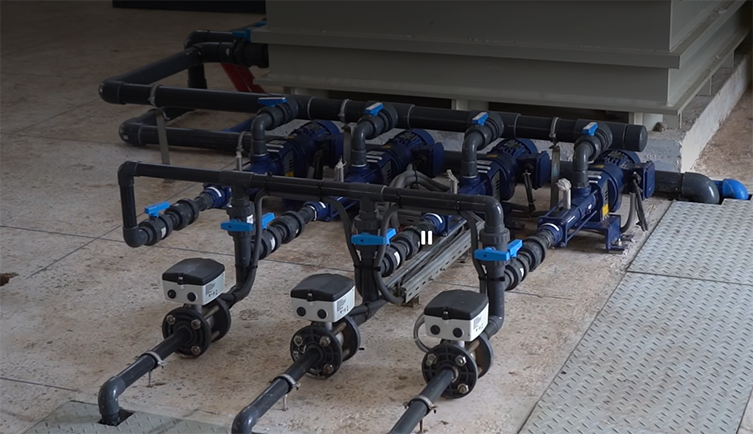
Chinese enterprise water management goes global, opportunities for segmented tracks emerge
The launch of the M'Zar project has sent a clear market signal. Water infrastructure has been listed as a national strategic priority in Morocco, and the market space for sewage treatment and recycled water reuse is vast. The integrated model of treatment and resource utilization is becoming a standard for new projects in the country. From sewage treatment equipment and recycled water reuse systems to biogas power generation equipment and smart water solutions, each sub field provides considerable cooperation space for Chinese enterprises with technological advantages. Morocco is using a benchmark project to prove that water scarcity can be overcome through technological, investment, and institutional innovation.Editor/Gao Xue
Comment

 Praise
 Collect
 Comment

 Share
Share


Write something~